


The Trump administration announced $2.4 billion in commitments from Silicon Valley giants to bolster scientific research at a summit Thursday in Washington, the latest effort to promote and harness artificial intelligence technology.
The donations will cover AI tools and compute credits for the administration’s Genesis mission, an initiative intended to boost research using the technology and support more than 15 federal agencies, according to the White House. The announced contributions include $1 billion from Nvidia Corp, $500 million from Advanced Micro Devices Inc, $200 million from OpenAI and $150 million each from Anthropic PBC and Alphabet Inc’s Google.
It’s unclear exactly how the pledged computing capacity will be set aside for science-focused users at a time when hyperscalers already face high demand and lucrative prices for computer power.
During Thursday’s summit, dubbed “Science: A New Golden Age,” the administration unveiled a host of tech-related initiatives, including plans to inject more than $100 million into education programs for American researchers in science, technology, engineering and math fields.
ALSO READ: Major US AI platforms hit by near-simultaneous outages
President Donald Trump made brief remarks at the summit, held at the Institute of Peace in Washington, and honored tech titans with medals celebrating science and technological innovation.
The event took place against the backdrop of renewed tensions between the industry and White House over immigration. Hours before Trump honored Microsoft Corp’s Satya Nadella, Vice-President JD Vance and Labor Secretary Keith Sonderling announced they were suspending the company and others from a visa program.
The administration has pushed tech companies to rely less on foreign workers and do more to train and employ Americans, including by taking steps to restrict the use of H-1B visas, a major pipeline for talent from overseas.
Trump made no mention of the controversy, instead praising Nadella for having “the vision to make Microsoft an early leader” in AI as he awarded him and Michael Dell of Dell Technologies Inc the National Medal of Technology and Innovation.
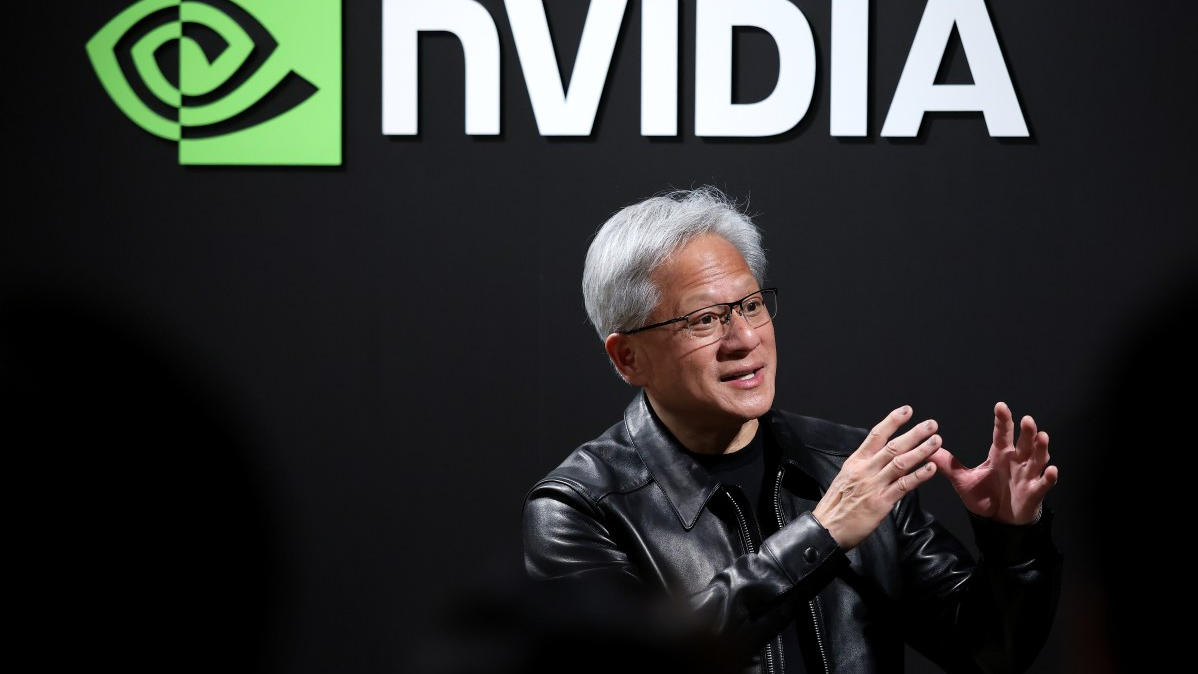
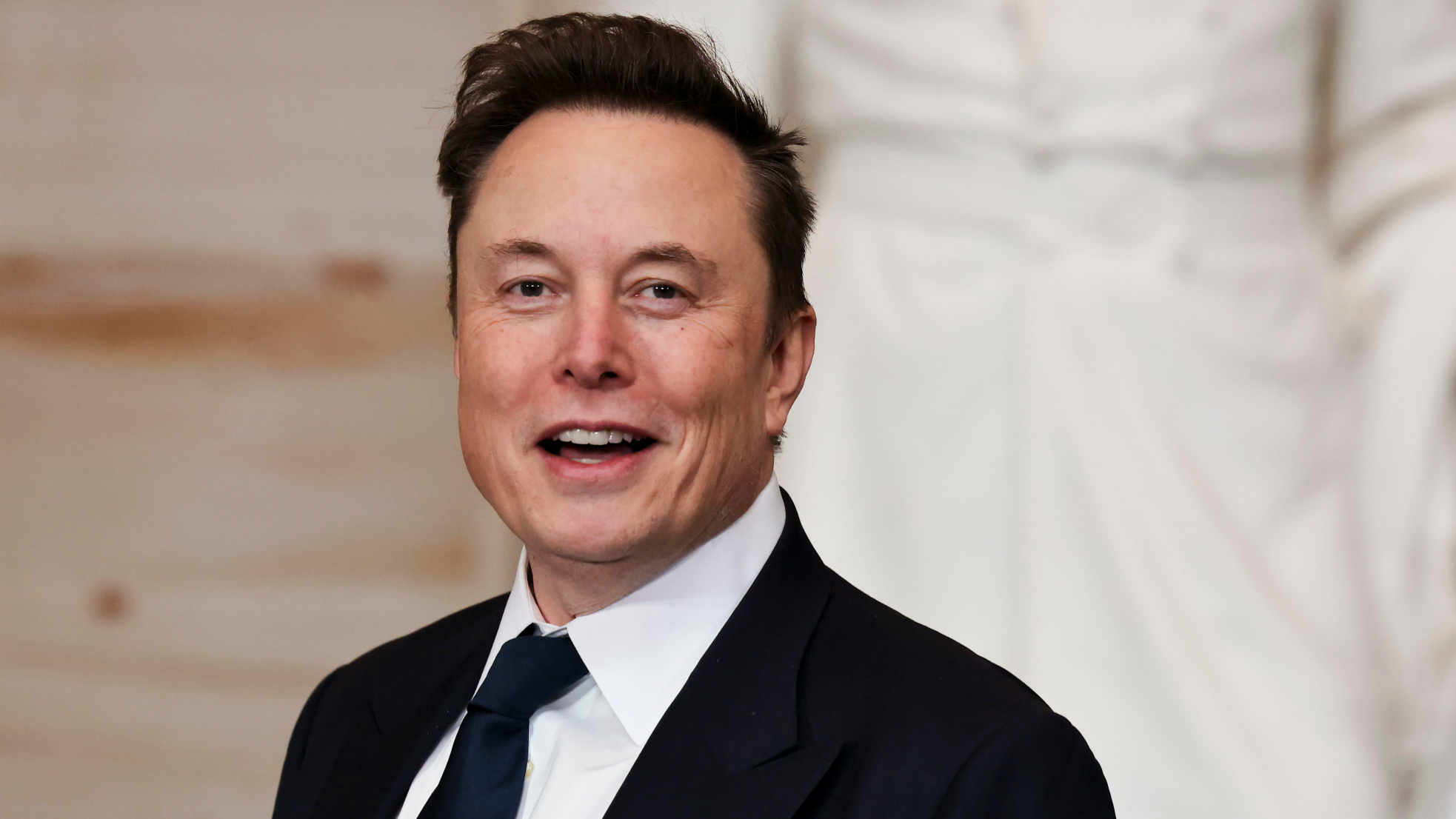
The president also awarded the National Medal of Science to Nvidia’s Jensen Huang, Sergey Brin of Alphabet, Advanced Micro Devices Inc’s Lisa Su and to Tesla Inc’s Elon Musk, whom he hailed as a “modern-day Thomas Edison.” Musk’s presence marked the latest sign of his rapprochement with the president since his contentious departure from the White House last year.
Despite the clash over immigration, the industry has largely found in Trump a champion for their priorities and Thursday’s gathering underscored the nexus between the administration and Silicon Valley. Trump’s policies have eased regulatory burdens for tech companies, helping them attract fresh investment and ramp up the build-out of AI infrastructure.
READ MORE: US companies push back on plan to ban open AI models
Trump has been a big supporter artificial intelligence — or super intelligence, as he has sought to rebrand it — touting the technology’s promise. But that embrace comes with political risks ahead of November’s midterm elections.
Trump and Republicans face voter discontent over his economic agenda and handling of the war in Iran, as high costs of living strain households budgets. AI has become a flashpoint in that debate, with communities pushing back on data centers that have fueled higher energy costs. Voters are also anxious about the technology’s impact on jobs.
Industry figures have also warned about the existential threat that AI poses to humanity. The president, however, has insisted on a light regulatory touch, dismissing AI safety concerns as a hoax.
Last week, Trump and top AI executives signed onto an accord that eschews mandatory guardrails, instead opting for a framework where companies would partner with outside auditors to conduct safety assessments of models and implement stronger internal controls over their systems.
