

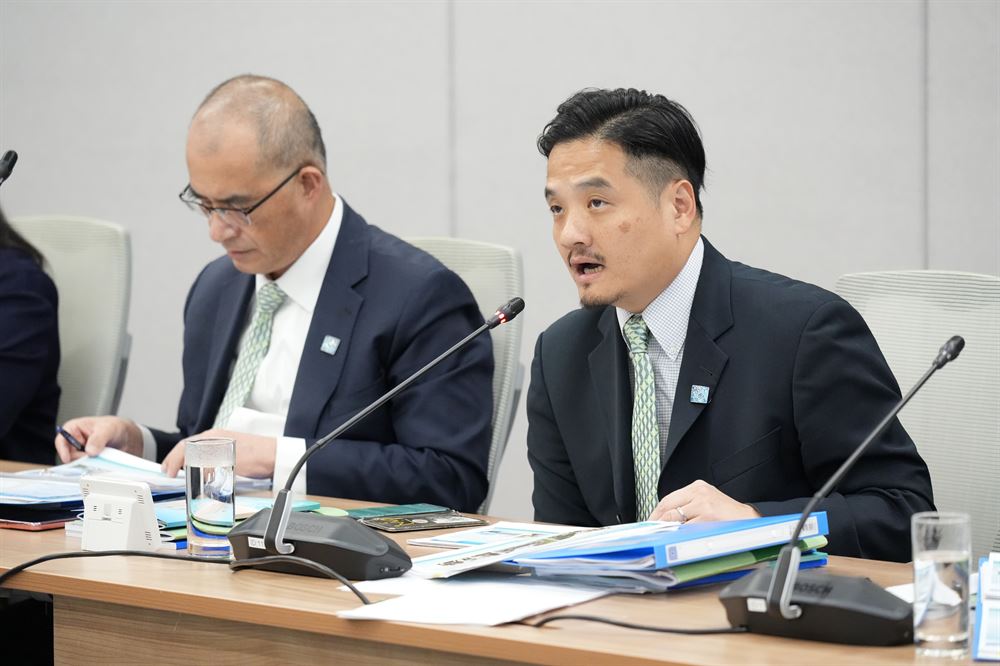
The Hong Kong Special Administrative Region’s alignment with the national development blueprints requires a "comprehensive” and "dynamic” integration -- involving holistic planning of the city’s positioning and timely policy adjustment, according to the head of the Chief Executive’s Policy Unit (CEPU).
Speaking at an online briefing session held by the CEPU on the 2026 Policy Address in late September, Stephen Wong Yuen-shan emphasized that the SAR's inaugural five-year plan and the Policy Address -- both delivered by the chief executive on Sept 16 -- are closely linked, marking a historic step in the city's development.
“The five-year plan serves as a long-term blueprint that sets the strategic direction for Hong Kong's development, while the Policy Address acts as an annual roadmap that establishes policy priorities tailored to the times, progressively translating the blueprint into concrete action,” he said.
To achieve “comprehensive alignment” with the nation’s development, Wong explained that the HKSAR must define its role within the framework of a dedicated chapter on the Hong Kong and Macao SARs in the nation’s 15th Five-Year Plan (2026-2030) and the broader national strategic landscape.
Meanwhile, “dynamic alignment” demands optimizing policies in a timely manner to adapt to changing economic and social conditions, with policy research as a crucial part running through the entire process, he added.
ALSO READ: Hong Kong’s first five-year plan to spur prosperity
As the government’s policy think tank, the CEPU will leverage its expertise in forward-looking research and strategic planning to support the SAR government in implementing Hong Kong’s five-year plan and Policy Address by drawing on the collective wisdom of the community, Wong concluded.
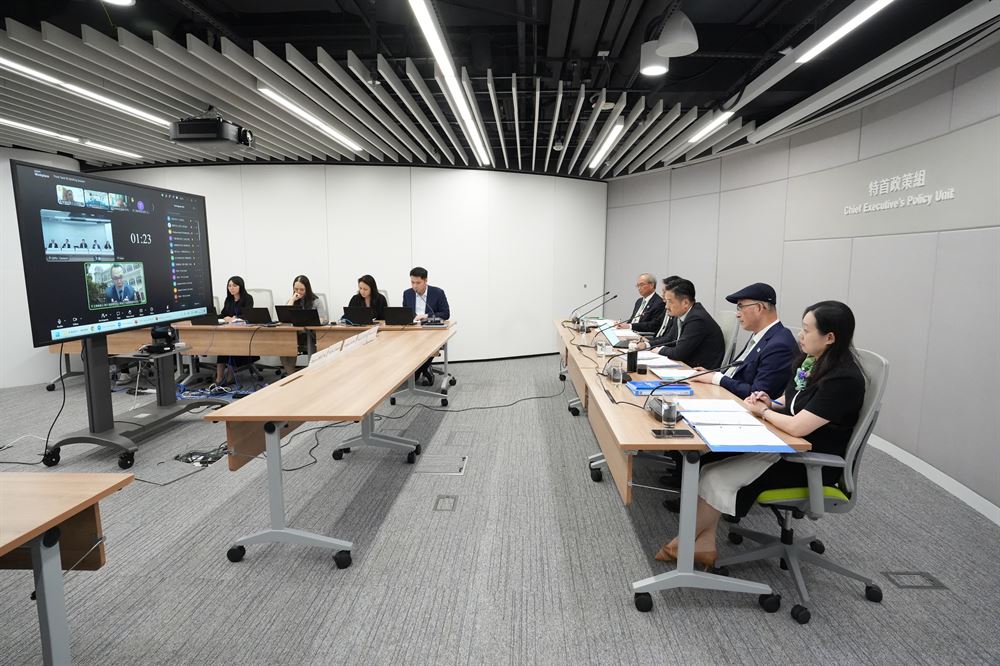
The CEPU held two online briefing sessions on the Policy Address, engaging in thorough exchanges with its expert group members as well as representatives from local universities and nongovernmental think tanks. More than 70 people attended, contributing insights into policy implementation, regional development, emerging industrial opportunities and long-term social issues.
Tam Yiu-chung, secretary-general of the Hong Kong Coalition, suggested enhancing policy outreach and conducting in-depth research into areas such as commercial spaceflight, regional intellectual property trading, and international cultural exchange.
Mark Thompson, a core member of the Southeast Asia Research Centre at City University of Hong Kong, stressed that the SAR should deepen its ties with Southeast Asia and bolster its soft power through educational and cultural initiatives.
