

‘China Opportunity 2.0’ opens room for global firms to reap gains as the country eyes a high-standard opening-up policy

China’s economic resilience and strong innovation momentum, combined with the nation’s unwavering commitment to high-standard opening-up, is creating new opportunities for businesses worldwide, providing a pillar for global growth, officials, experts and executives said.
In a world facing rising protectionism and geopolitical tensions, deeper innovation cooperation is emerging as a key pathway to reviving global growth, while “China Opportunity 2.0” is bolstering investor confidence through stronger innovation empowerment and high-return investment prospects, they said.
For the global economy, China Opportunity 2.0 is broadening access to advanced technologies and enabling the benefits of innovation to be shared more widely across countries and economies, the observers added.
China Opportunity 1.0 was largely associated with the nation’s emergence as a fast-growing market and the “world’s factory”, said Liu Tiezhi, a researcher at the Development Research Center of the State Council.
The 2.0 version, he said, is taking shape in a more mature and rules-based market, where China’s vast domestic demand is creating new opportunities on the demand side and its highly efficient industrial system is opening up fresh possibilities on the supply side.
“China Opportunity 2.0 is also about fostering a two-way flow of resources and factors through higher-standard opening-up,” Liu said, adding that deeper development cooperation could equip countries with more resources and capabilities to narrow development gaps.
China’s economy expanded 4.7 percent year-on-year in the first half of 2026, with GDP reaching 69.57 trillion yuan ($10.28 trillion), keeping it on track to meet the government’s full-year growth target of 4.5 to 5 percent, according to data released by the National Bureau of Statistics (NBS) in mid-July.
“China’s economic performance remained within an appropriate range in the first half, with new growth drivers gaining momentum,” said Mao Shengyong, deputy head of the NBS.
Putting China’s growth in a global context, Huang Hanquan, head of the Chinese Academy of Macroeconomic Research, said the performance is particularly noteworthy at a time when high inflation and elevated interest rates are weighing on the world economy and overall global growth is losing momentum.
“Against such a backdrop, maintaining growth at this pace is no small achievement,” Huang said at a seminar hosted by the academy in Beijing in July.
Zhu Feng, China chief economist and head of Greater China Economic Research at JPMorgan, told China Daily that he expects the Chinese economy to grow around 4.6 percent this year and meet the official growth target.
“High-tech and advanced manufacturing, AI (artificial intelligence)-related exports, renewable energy and public investment should remain key sources of manufacturing resilience, while exports continue to support growth,” Zhu added.
Goldman Sachs has also forecast that China’s economy will grow by 4.6 percent this year, with exports remaining a key source of resilience thanks to the country’s strong manufacturing competitiveness.
The International Monetary Fund struck an optimistic note in July, raising its 2026 growth forecast for the Chinese economy by 0.2 percentage point from its April projection to 4.6 percent, making China one of the few major economies to receive an upward revision.
For multinational corporations with deep operations in China, that resilience is more than a macroeconomic story — it is increasingly reflected in day-to-day business activity.
Willie Tan, CEO of Skechers China, South Korea and Southeast Asia, said China has demonstrated strong structural resilience amid a complex global environment, with the quality of growth continuing to improve.
For United States-based athleisure company Skechers, that resilience is visible in recovering foot traffic at major commercial districts and outlet malls, growing demand for performance sports products and steady sales growth supported by omnichannel integration, Tan said.
“China’s vast market, well-developed supply chains and steadily improving business environment are delivering tangible returns for global companies,” Tan added.
Similar confidence is evident among the broader business community. An annual member survey released in June by the US-China Business Council found that 95 percent of respondents considered China “somewhat to very important” for staying globally competitive.
Foreign investment is also showing signs of stabilization. Data from the Ministry of Commerce showed that China’s actual use of foreign direct investment totaled 402.14 billion yuan in the first half of this year, with the decline narrowing by 10.2 percentage points compared with the same period last year. In June alone, the actual use of FDI increased 15.1 percent year-on-year, marking the second consecutive month of growth.
Rogier Janssens, president of Merck China, said the latest first-half figures were consistent with what he had observed on the ground: solid momentum in high-end manufacturing and resilient trade in high-value-added products — trends that point to the emergence of China Opportunity 2.0.
To gauge the resilience of China’s economy, one needs to look beyond the headline GDP figures and examine where the growth is coming from, Janssens said.
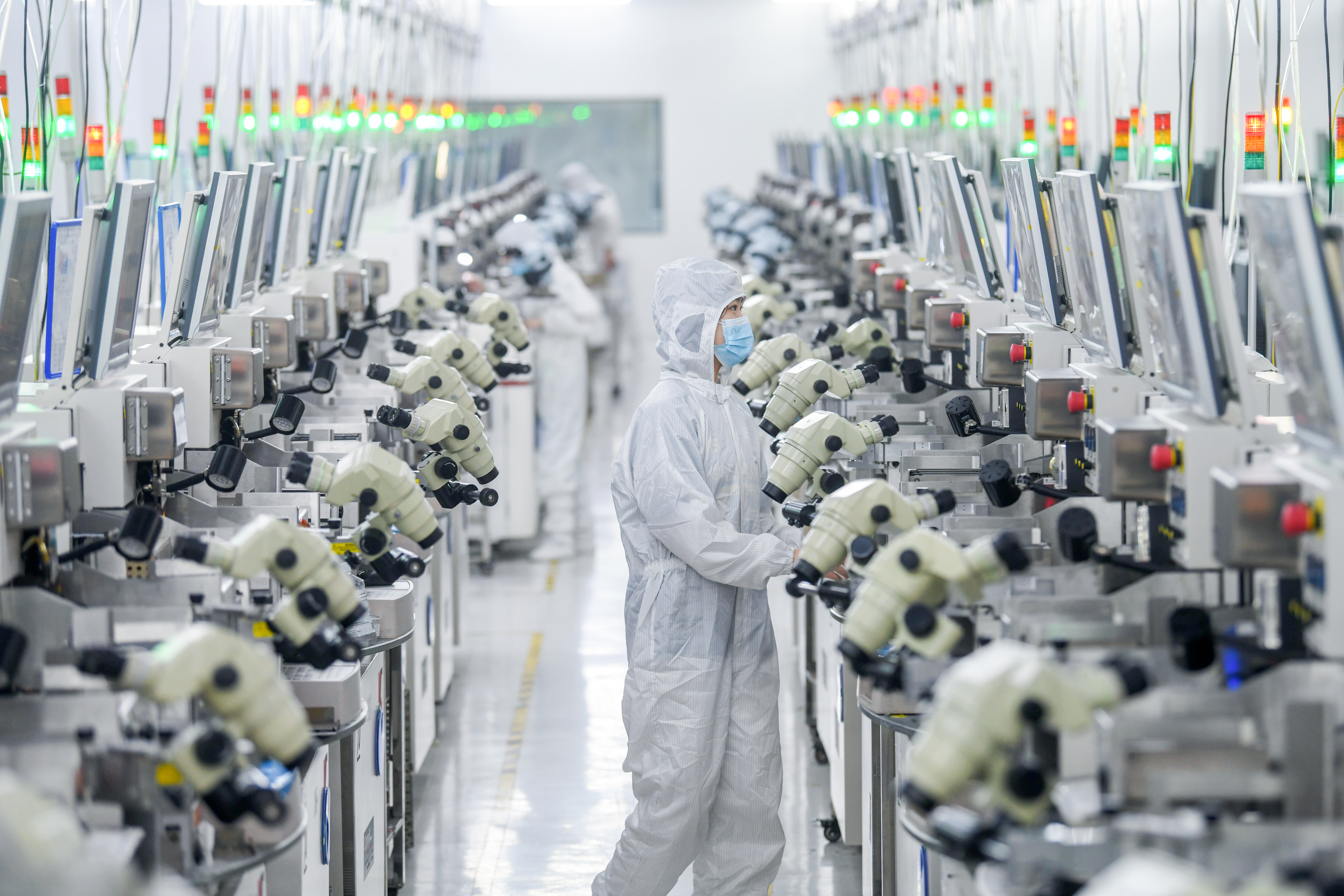
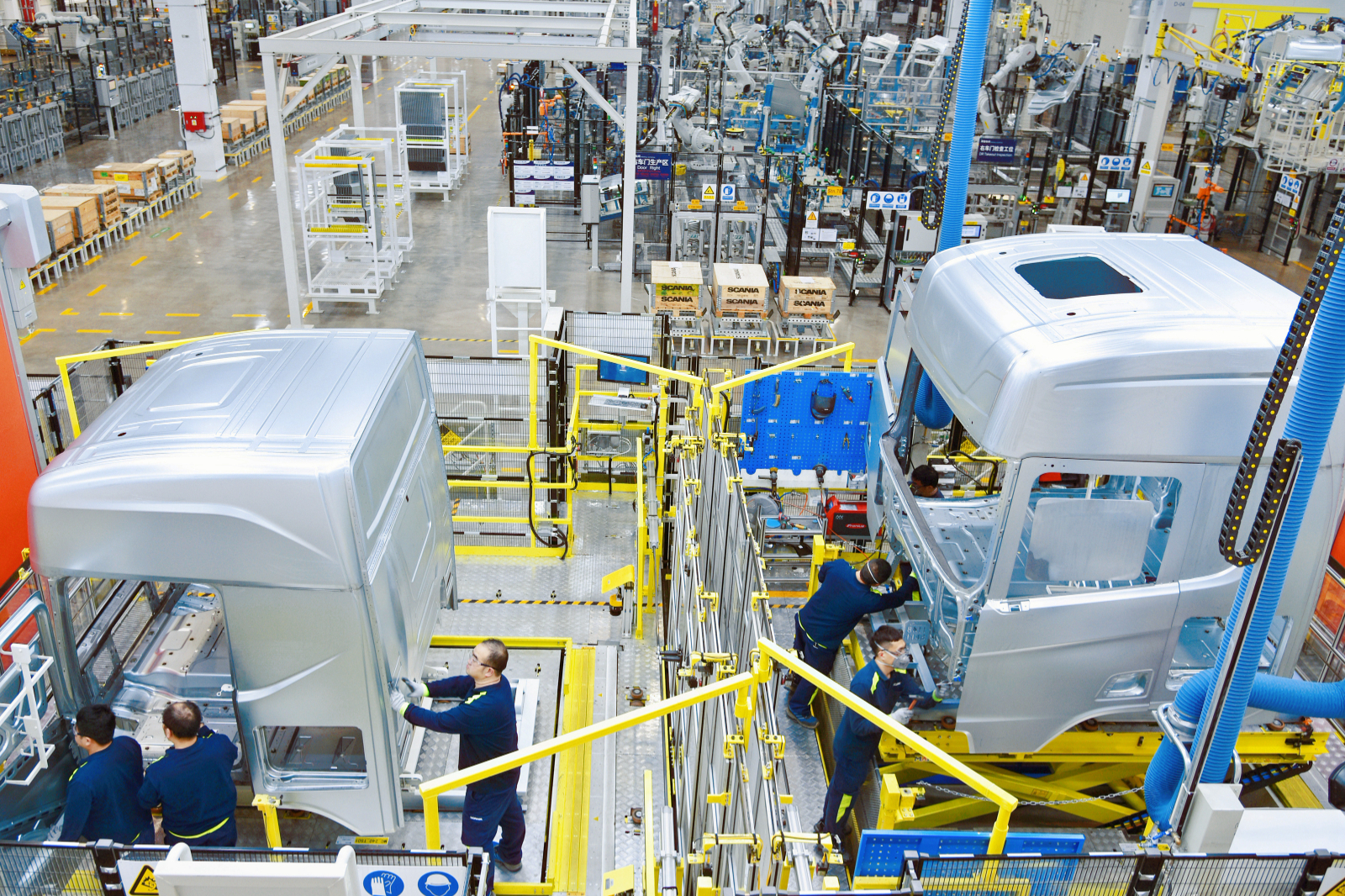
New growth drivers contributed more than two-fifths of economic growth in the first half. The industrial sector maintained solid momentum, with value-added output of industries above a designated size rising 5.4 percent year-on-year, while high-tech manufacturing output grew 13.3 percent, NBS data showed.
“The growing prominence of new growth drivers, together with a clear improvement in the quality and structure of the economy, represents one of the most significant shifts taking place in China,” said Yin Yanlin, deputy director of the Committee on Economic Affairs of the 14th National Committee of the Chinese People’s Political Consultative Conference (CPPCC).
Luo Zhiheng, chief economist and head of the research institute at Yuekai Securities, said the expansion of high-end manufacturing is strengthening the resilience of
China’s industrial and supply chains at home, while enhancing its ability to withstand external shocks and safeguard economic security.
Meanwhile, China’s technological advances and industrial upgrading are yielding growing innovation dividends for global businesses, as more foreign companies establish research and development centers and become more deeply embedded in the country’s innovation and industrial ecosystems, shifting from “manufacturing in China” to “innovating in China”.
In 2025, around 14,000 new foreign-invested enterprises were established in China’s scientific research and technical services sector, up 27.2 percent year-on-year, according to the Ministry of Commerce.
“China is no longer merely a destination for global innovation; it has become a significant source of it,” Janssens said.
Underscoring that trend, FDI in China’s high-tech industries surged 33.2 percent year-on-year in the first half, lifting its share of total inflows to a record 42.4 percent, the Commerce Ministry said.
“The figures show that China’s FDI mix is moving steadily up the value chain, while foreign investors remain bullish on the Chinese market,” Yan Dong, vice-minister of commerce, said at a news conference in July. “Nearly 4,800 foreign-funded enterprises expanded their investment in China in the first half.”
Kilian Aviles, executive vice-president of Dekra Group and head of its Asia-Pacific region, said China’s innovation ecosystem, driven by artificial intelligence, digital technologies and green technologies, has become a key force behind the country’s long-term economic resilience and industrial upgrading.
He said these advances are also boosting productivity and contributing to global technological progress.
China’s innovation strength is gaining greater global recognition, with the country entering the top 10 of the Global Innovation Index for the first time in 2025 and ranking first globally for a third consecutive year in the number of top 100 innovation clusters, according to the World Intellectual Property Organization.
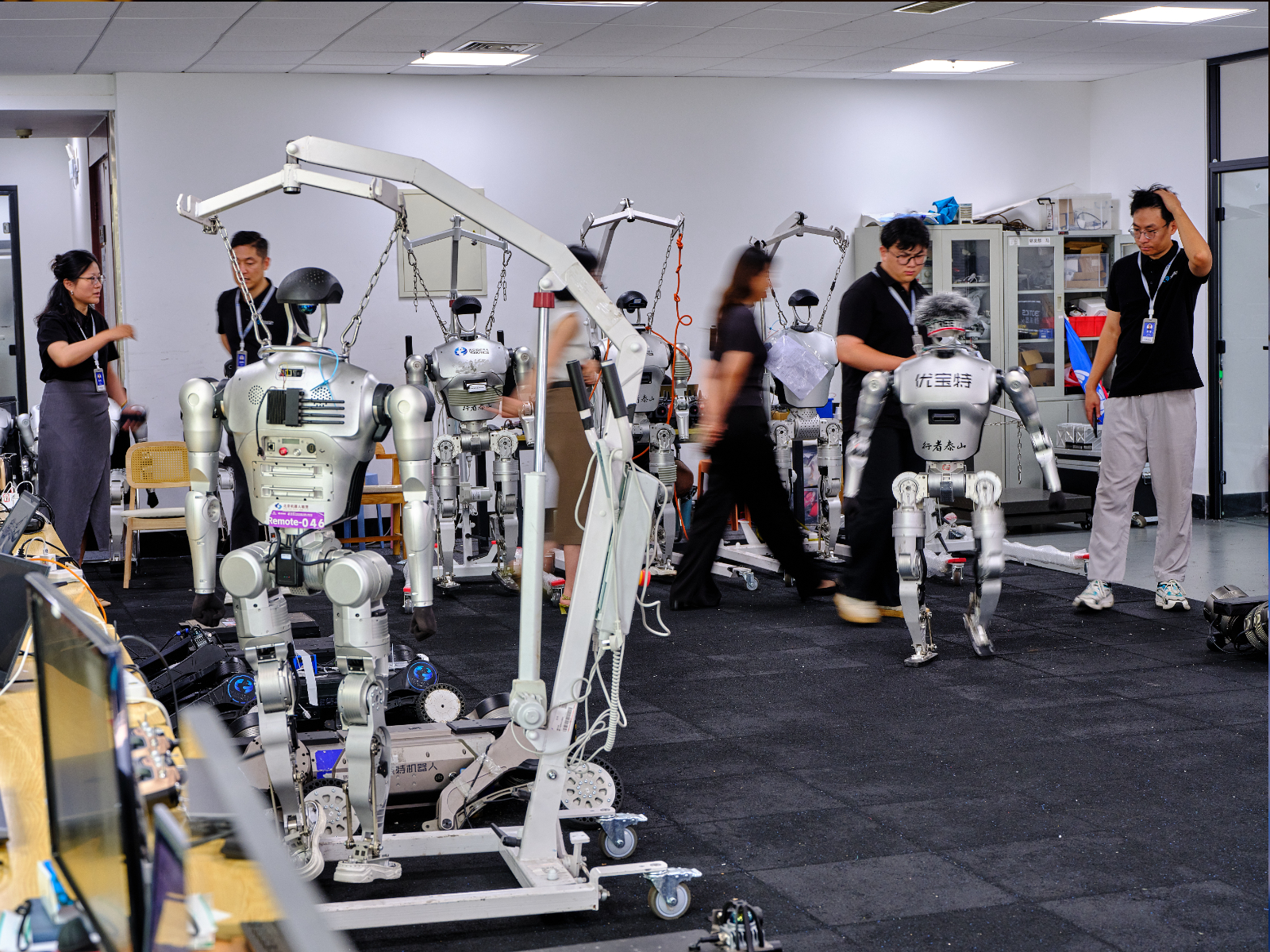
Artificial intelligence, in particular, has emerged as a major source of that momentum. China was home to more than 6,200 AI companies in 2025, while the value of its core AI industry exceeded 1.2 trillion yuan, according to the Ministry of Industry and Information Technology.
For Dekra, that innovation momentum has translated into continued expansion of its capabilities in China.
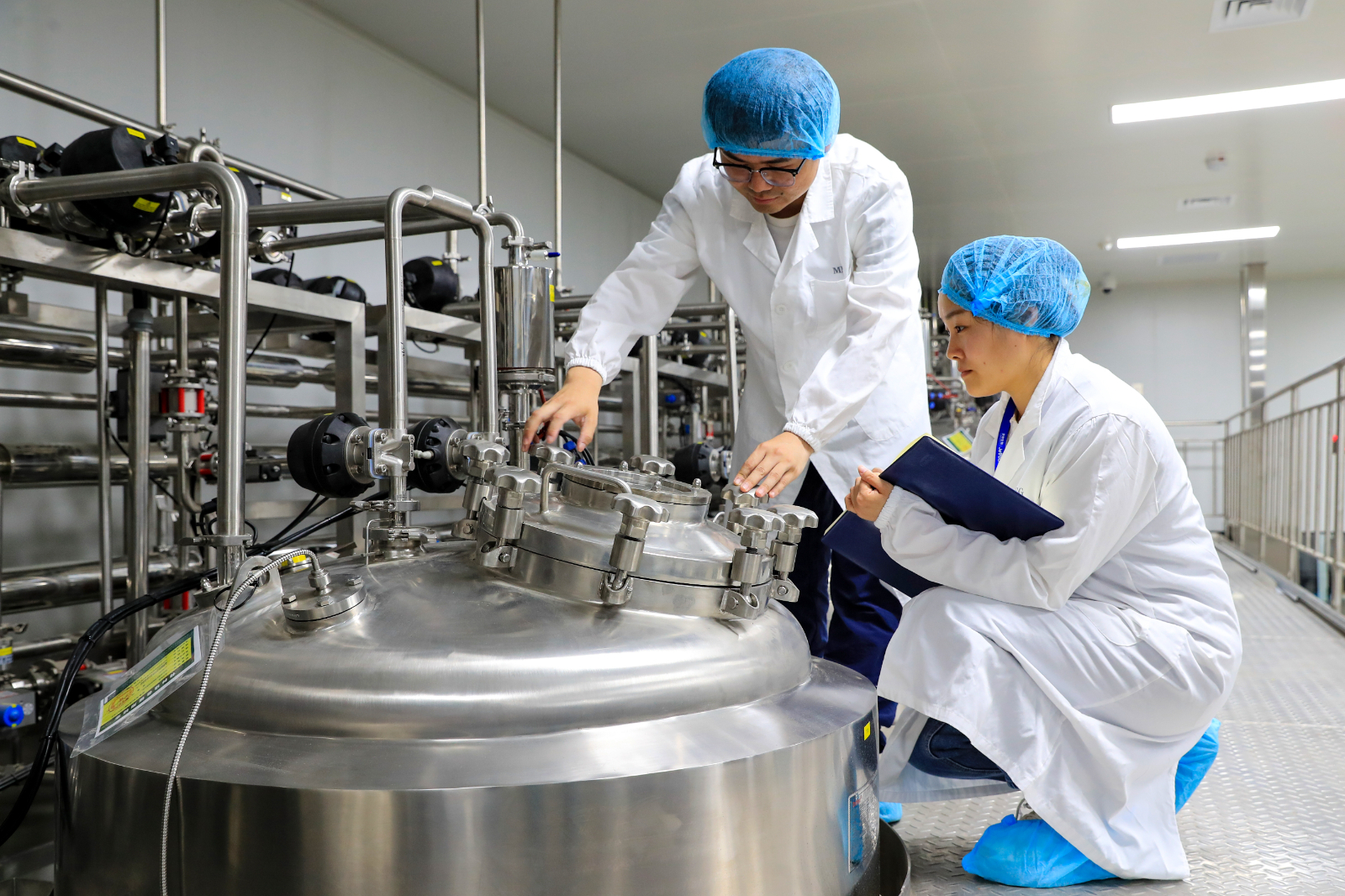
The German testing, inspection and certification company has upgraded and expanded key laboratories in Shanghai, Suzhou, Jiangsu province, Guangzhou, Guangdong province, and Hefei, Anhui province.
“China’s technological advances are enabling us to broaden the scope of our global services, build capabilities for emerging industries and bring proven solutions developed in China to markets across the Asia-Pacific and beyond,” Aviles said.
In a world facing rising protectionism and geopolitical tensions, multinational corporations are looking to deepen their investment in China as a hedge against external shocks, said Zhou Mi, a senior researcher at the Chinese Academy of International Trade and Economic Cooperation.
He attributed foreign investors’ willingness to expand their presence in China to the resilience and long-term growth prospects of the Chinese economy, coupled with the country’s sustained market-opening efforts and investment facilitation measures.
China is doubling down on opening its market, removing all restrictions on foreign investment in manufacturing, shortening the nationwide negative list for foreign investment access to 29 items, with further opening-up increasingly focused on the services sector.
The policy push gathered further momentum in June, when China unveiled a 15-point action plan aimed at stabilizing foreign investment and improving its quality. The measures cover broader market access, greater investment facilitation, stronger investment promotion and services, and improved foreign investment management.
The plan places particular emphasis on opening up services, finance and pharmaceuticals, while addressing key concerns of foreign businesses, ranging from cross-border mergers and acquisitions and data flows to reinvestment in China.
Marc Princen, global CEO of pharmaceutical company Mundipharma, said China’s sustained commitment to reform and high-standard opening-up continues to “strengthen market predictability and long-term investment confidence”.
Andre Musto, managing director and general manager of Merck Healthcare China, said high-standard opening-up helps establish clear rules, transparent market access and predictable regulatory pathways for multinational companies.
Looking to the second half of the year, experts said stronger macroeconomic support, together with continued efforts to stabilize trade and investment, will be crucial to sustaining growth momentum amid lingering external uncertainties.
“China’s economic fundamentals remain sound, with strong resilience and ample growth potential, and the long-term positive trajectory has not changed,” Yin, from the CPPCC National Committee, said. He added that the economy faces both favorable conditions and a number of risks and challenges.
To consolidate the recovery, Yin called for stronger countercyclical adjustment, saying China should make full use of available fiscal and monetary policy space while preparing additional policy measures that can be rolled out when needed.
Wang Xuekun, head of the Chinese Academy of International Trade and Economic Cooperation, said further efforts should focus on tapping new sources of trade growth, with AI-related supply and demand offering fresh opportunities.
He called for a clearer opening-up road map for future-oriented sectors, including advanced manufacturing and AI infrastructure, giving global businesses greater room to participate in China’s next wave of industrial upgrading.
For foreign companies already operating in China, greater emphasis should be placed on encouraging reinvestment and further expansion, Wang added.
Contact the writers at zhangchenxu@chinadaily.com.cn
