

China, Egypt archaeologists work together to learn more about past connections
At the Fustat site near Cairo, Egypt, Chinese porcelain shards ranging from the Tang (618-907) to Qing (1644-1911) dynasties seem to bear lasting witness to two ancient civilizations that resonate from afar.
In the Chinese book Zhufan Zhi (Gazetteer of Foreign Lands), Zhao Rukuo, a maritime trade official of the Southern Song Dynasty (1127-1279), described Egypt and the port city of Alexandria, including a remarkable account of the great tower on the Mediterranean shore — the Lighthouse of Alexandria. Zhao’s knowledge came from merchants, maps, and accounts that reached southern China’s ports.
Centuries later, Egypt is no longer a distant name in a Chinese book. Chinese archaeologists are also working on Egyptian soil, alongside their Egyptian counterparts, to uncover, document and protect the remains of one of the world’s oldest civilizations.
In 2018, the Institute of Archaeology at the Chinese Academy of Social Sciences and Egypt’s Ministry of Tourism and Antiquities launched the first official Sino-Egyptian joint archaeological mission.
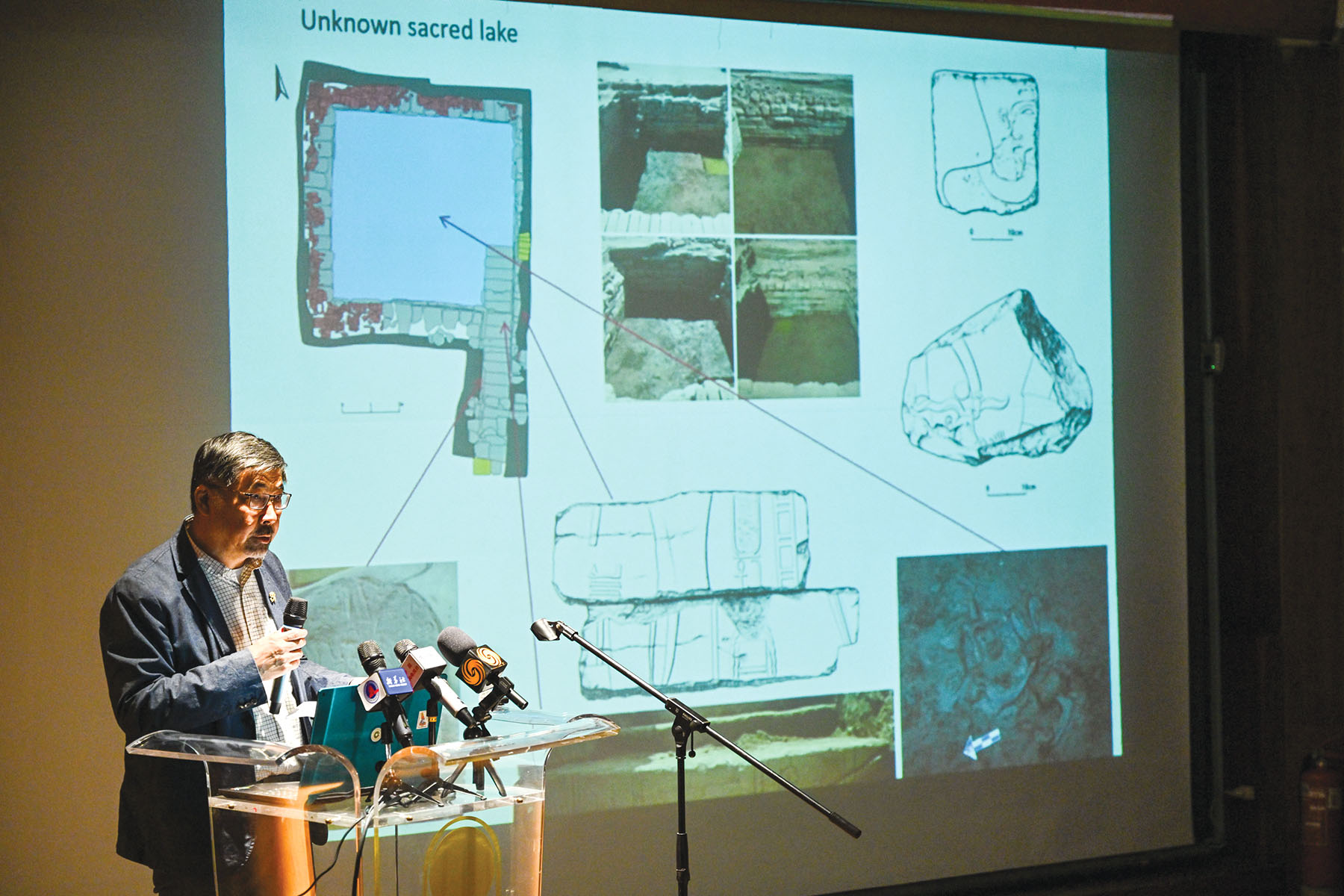
Over seven archaeological seasons and more than 300 days of fieldwork, the Chinese-Egyptian team excavated the Temple of Montu site in the Karnak Temple Complex in Luxor, Egypt, surveyed its architecture, restored artifacts, and built digital records. Among the discoveries were temple structures, a sacred lake, and a bronze statue of Osiris.
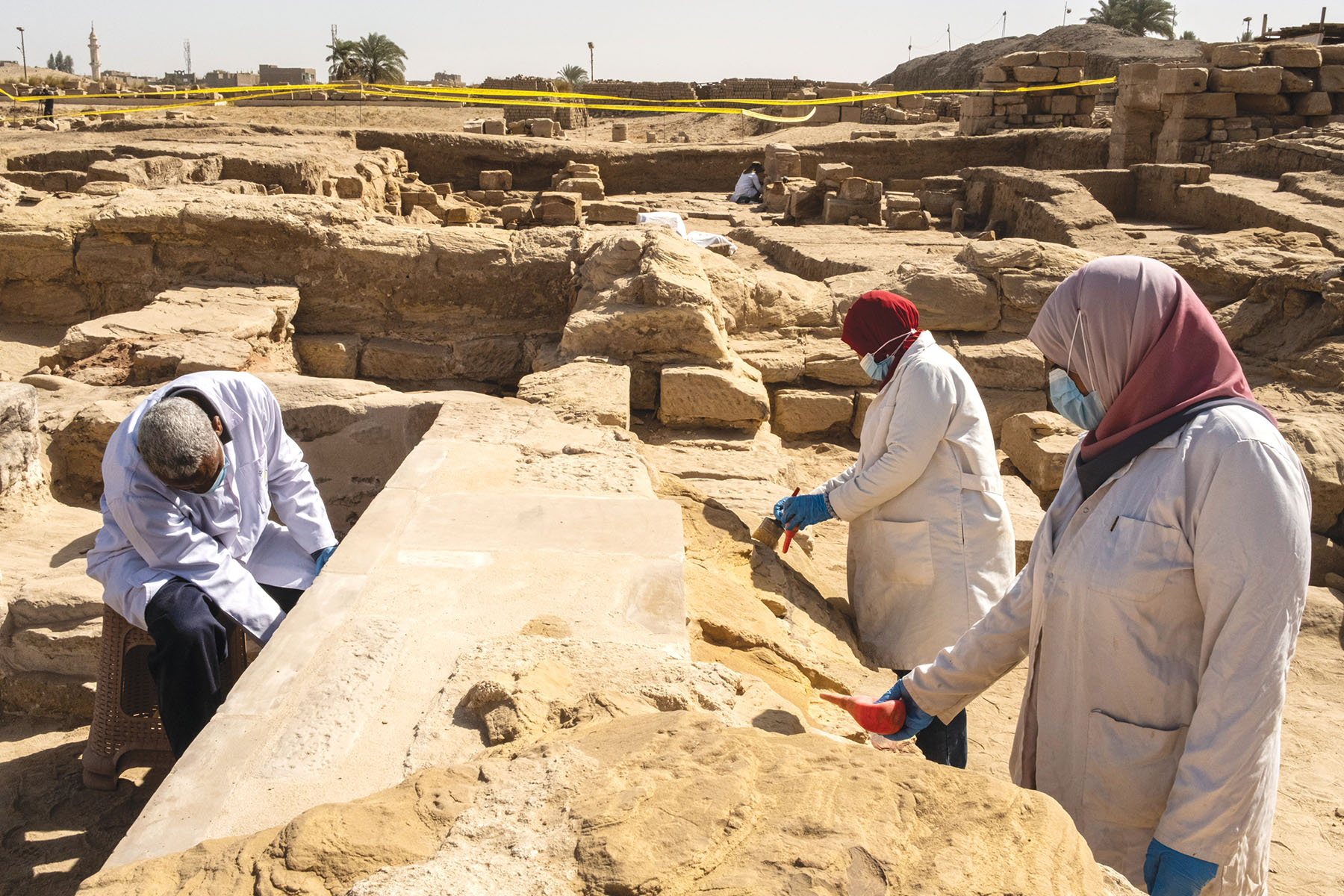
For Liu Jinhu, an associate professor at the School of Area Studies, Northwest University, based in Xi’an, Shaanxi province, the project’s importance goes beyond the objects recovered.
“If China wants to develop its own path in Egyptology, field archaeology is essential. Without first-hand documents and archaeological materials, we will always be following others,” Liu told China Daily.
That approach is now spreading. Experts from several Shanghai-based universities, museums and research institutions are working with Egyptian partners at Saqqara, Memphis, and other sites — home to some of the oldest pyramids in Egypt.
They decoded hieroglyphs that offered key references to identify a temple’s nature. They discovered an earthen residential area and many daily-use articles portraying a continuous lineage of Egyptian civilization.
In 2025, China’s National Centre for Archaeology and Egypt’s Supreme Council of Antiquities signed a memorandum of understanding on marine archaeology and underwater cultural heritage.
But Liu sees an even bigger question behind this cooperation: Who tells the story of ancient Egypt? Modern Egyptology emerged in Europe in the 19th century and produced an enormous body of scholarship.
Yet Liu argued that its traditional focus sometimes placed ancient Egypt in a separate category, disconnected from the country’s later history and modern society.
“Western Egyptology has often focused on pharaonic Egypt and, consciously or unconsciously, separated it from modern Egypt. But Egypt’s history from antiquity to the present has a certain continuity, despite changes and transitions,” he added.
For Chinese scholars, he said, the answer is not to reject Western scholarship but to widen the lens. History, archaeology, geology, environmental studies, economics, management, and law can be brought together to study Egypt as a continuous civilization rather than as an isolated ancient world.
“We are trying to develop such an approach at the School of Area Studies in Northwest University, using a multidimensional academic system to study the development of Egyptian civilization from ancient times to the present,” Liu said.
That broader approach matters especially when excavation turns into preservation. Liu said he believed China can draw on its own experience, including protecting and publicly presenting archaeological sites such as the Terracotta Warriors.
Excavation, in his words, is only the first step. The harder task is ensuring that heritage becomes part of local life.
“Heritage protection cannot merely rely on administrative order or foreign organizations’ funding. Local communities need to understand the value of their cultural heritage and participate in its preservation and development,” he added.
This means bringing in local governments, communities, museums, researchers, and businesses — not just archaeologists. It also means thinking about how archaeological sites can generate sustainable cultural and economic value for the people who live around them.
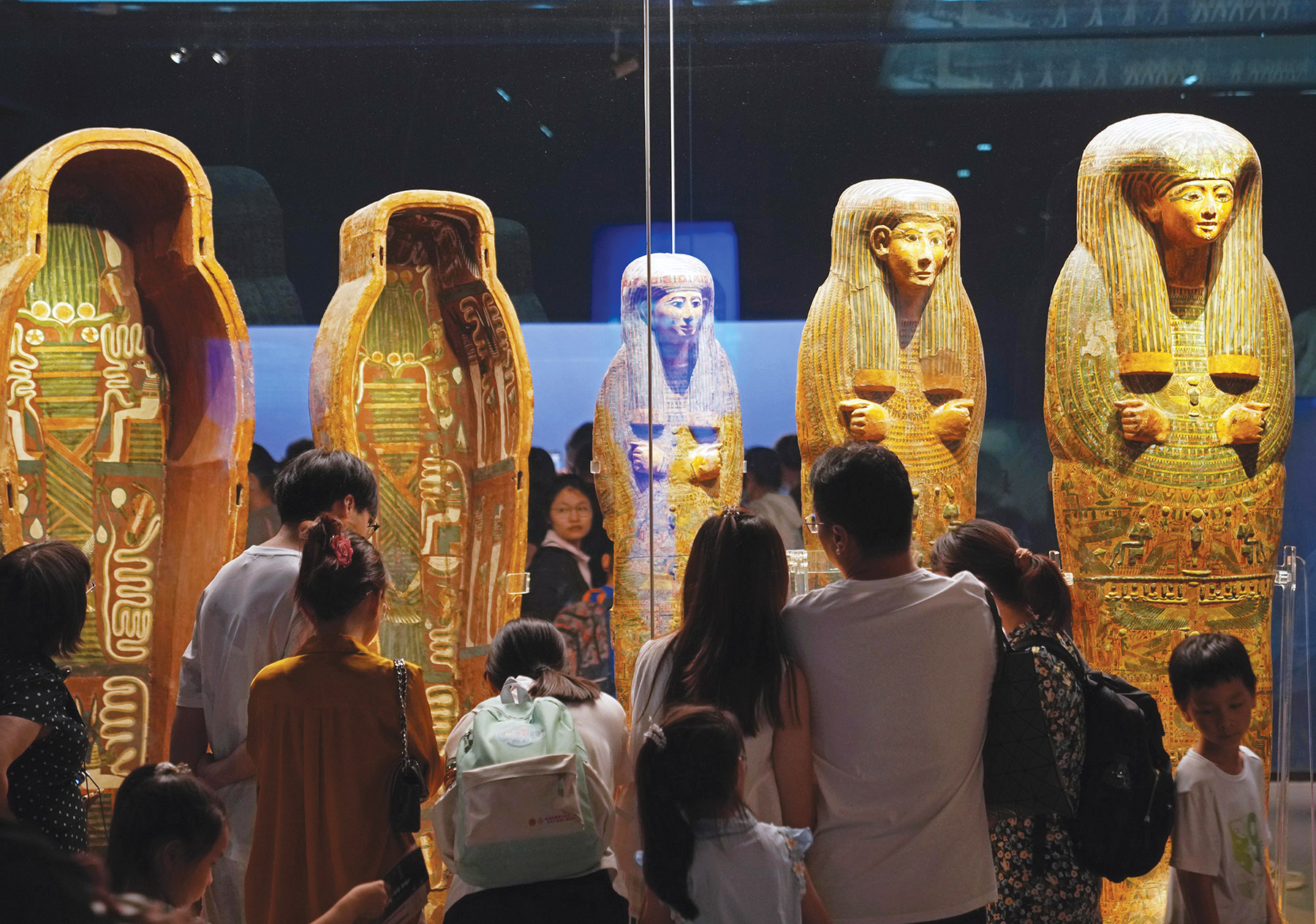
While Chinese scholars study Egypt in the field, Egyptian artifacts and archaeological discoveries are reaching Chinese audiences.
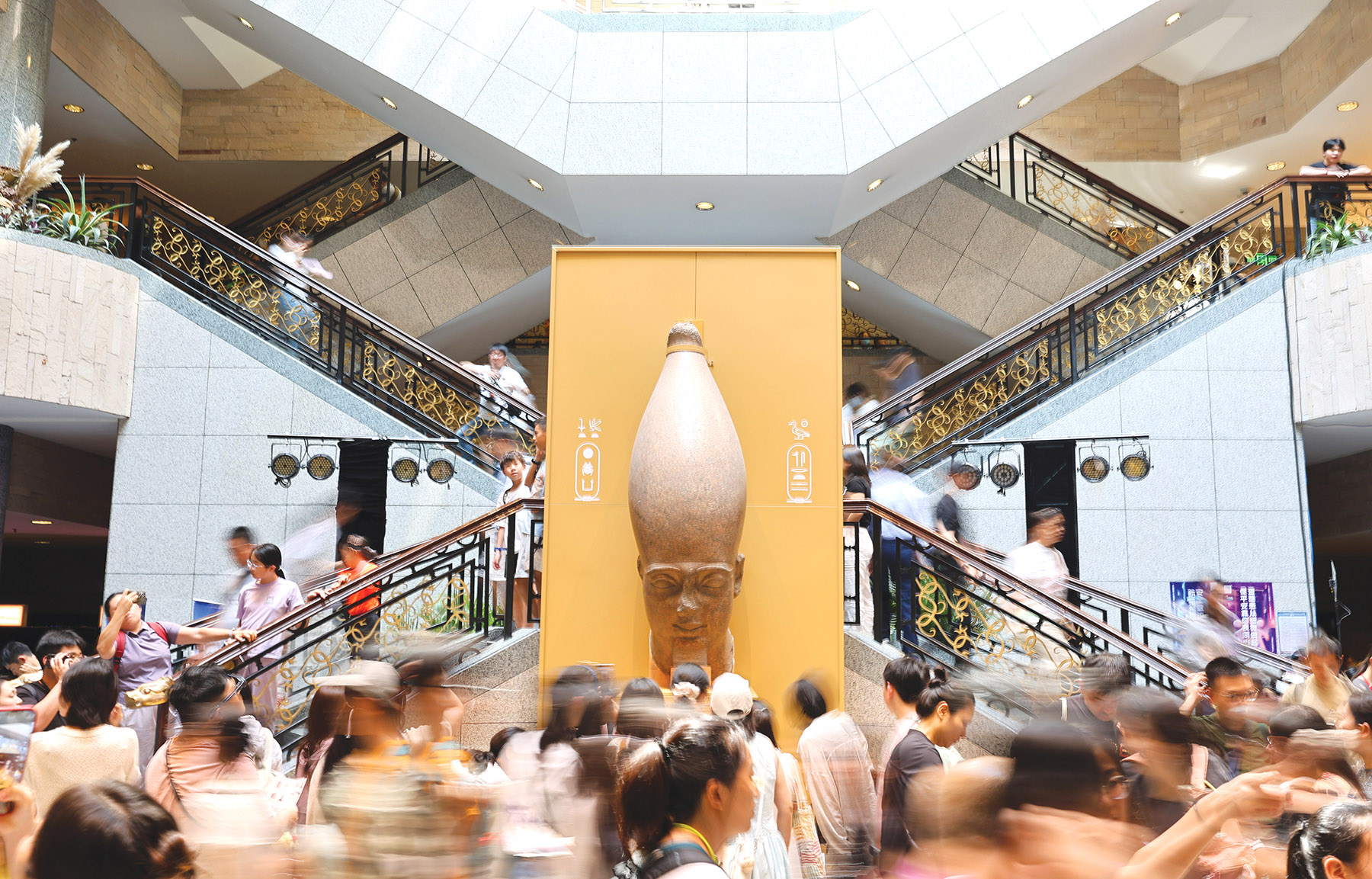
The Shanghai Museum’s exhibition On Top of the Pyramid: The Civilization of Ancient Egypt, held from July 2024 to August 2025, attracted 2.77 million visits, according to Chen Jie, the museum’s deputy director.
More than 95 percent of its exhibits were shown in Asia for the first time, including more than 400 objects linked to recent discoveries from the China-Egypt archaeological project.
As a multidisciplinary collaborative archaeological team with overseas experience, Chen said participating firsthand helps Chinese archaeologists study and interpret ancient Egyptian civilization.
“This helps us gain a more comprehensive understanding of the diversity of human civilizations. It also allows us to examine and understand the uniqueness of Chinese civilization from another angle. At the same time, this is an important step for the Shanghai Museum — and for Chinese archaeology — to go global,” Chen said.
He added that the Chinese archaeologists not only cooperated well with Egyptian scholars and learned from each other, but also built friendships with local residents.
“The people-to-people connectivity is thus deeply rooted,” Chen said.
Contact the writers at wangqian@chinadaily.com.cn
