

Maasai women help boost conservation efforts in Kenya
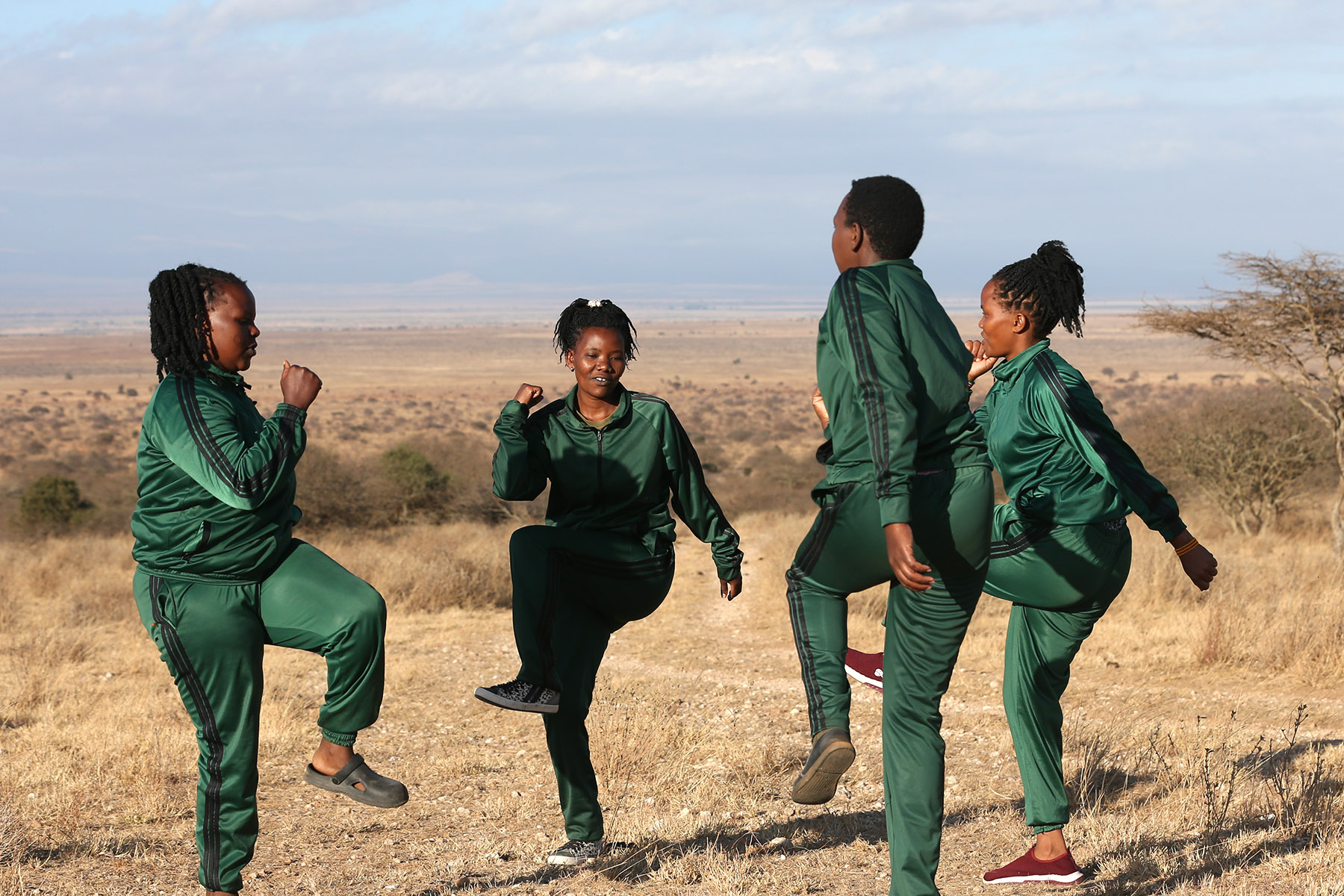
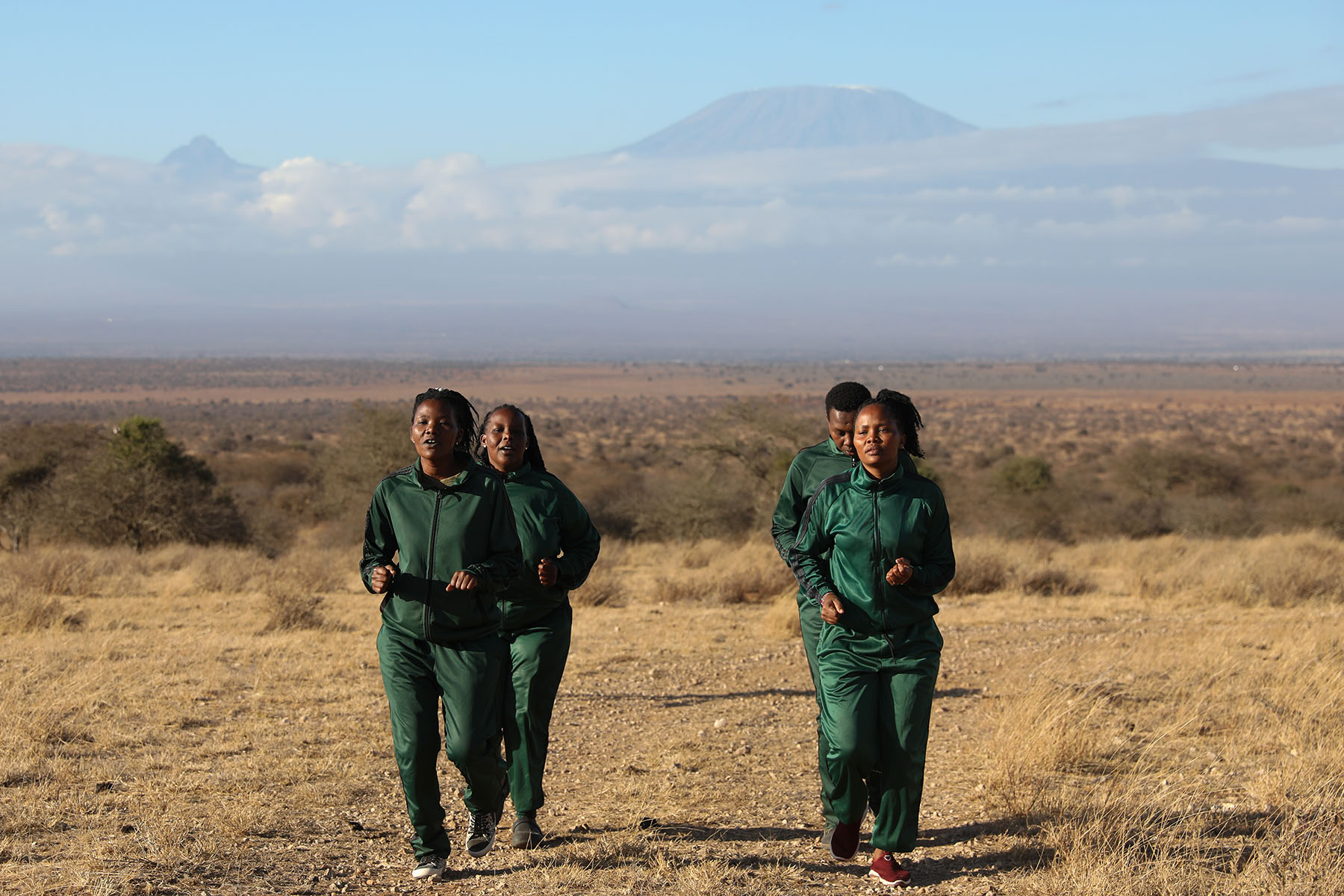
Morning comes slowly to the plains of Amboseli. In the cool air, a group of female rangers moves through morning exercises at the campsite, with Mount Kilimanjaro rising beyond the grassland in the distance. They jog, stretch, and train together before the camp's quiet gives way to another day on patrol.
Preparations for patrol follow the morning exercise. Rangers, many of whom are also mothers, prepare porridge for the babies staying at the camp, as well as breakfast for themselves, before heading out into the surrounding landscape to monitor wildlife and respond to reports from nearby communities.
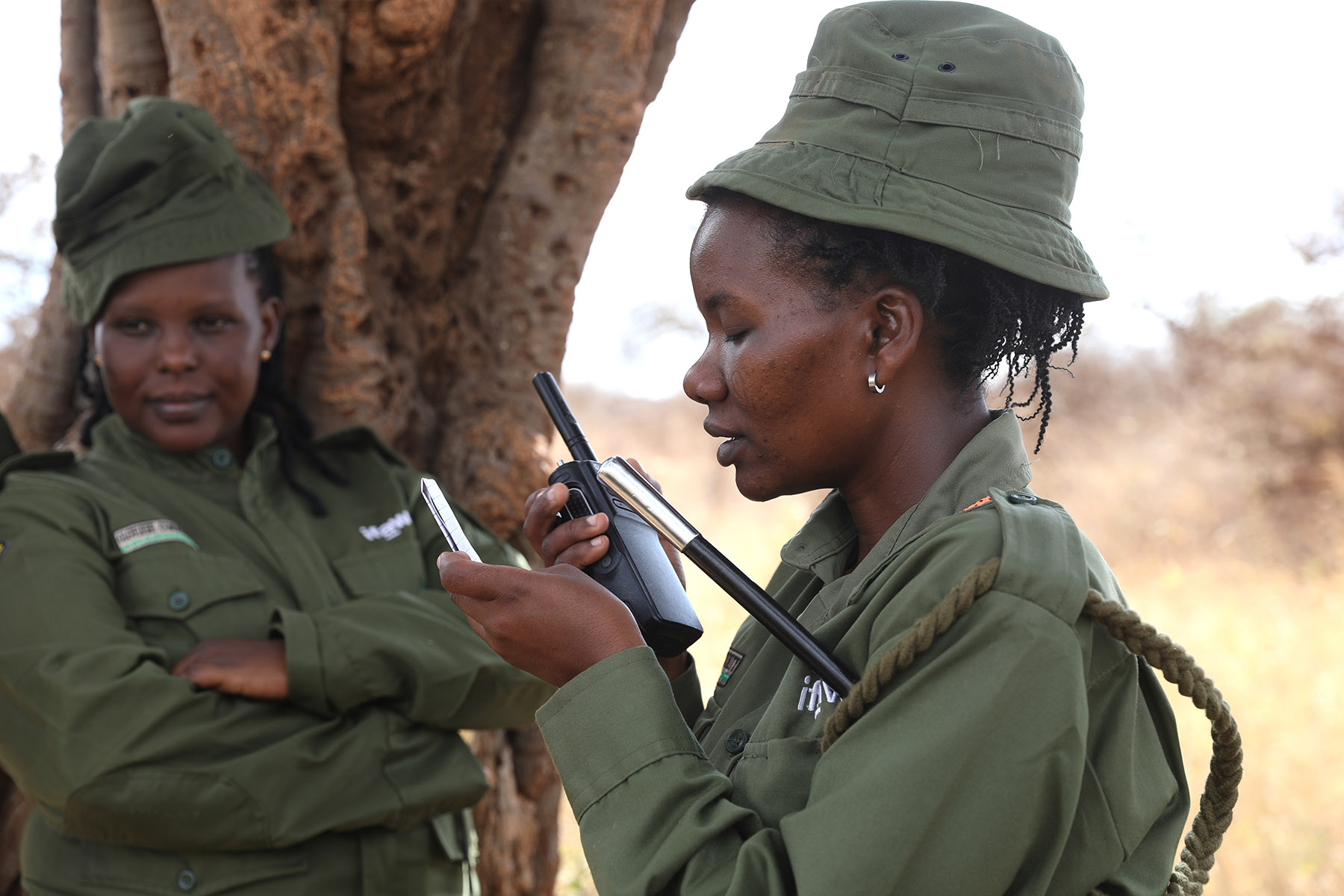
Among them is Purity Lakara, the leader of Team Lioness, an all-female community ranger unit operating around Kenya's Amboseli ecosystem. Founded in 2019 by the International Fund for Animal Welfare in partnership with community leaders, Team Lioness began with eight young Maasai women and has since grown to 17 rangers.
Lakara joined the ranger unit in 2019. For women in the local Maasai community, the role represented a profession traditionally associated exclusively with men. Growing up in a Maasai village about 1 kilometer from Amboseli National Park, Lakara was surrounded by wildlife from an early age. She remembers watching Kenya Wildlife Service rangers working near her village, but had never seen a woman doing the same job.
"That's a strong stereotype that needs to be changed," she said. "We as women can also be rangers."
Since joining the unit, Lakara has taken part in wildlife monitoring, anti-poaching operations and community patrols around Amboseli.
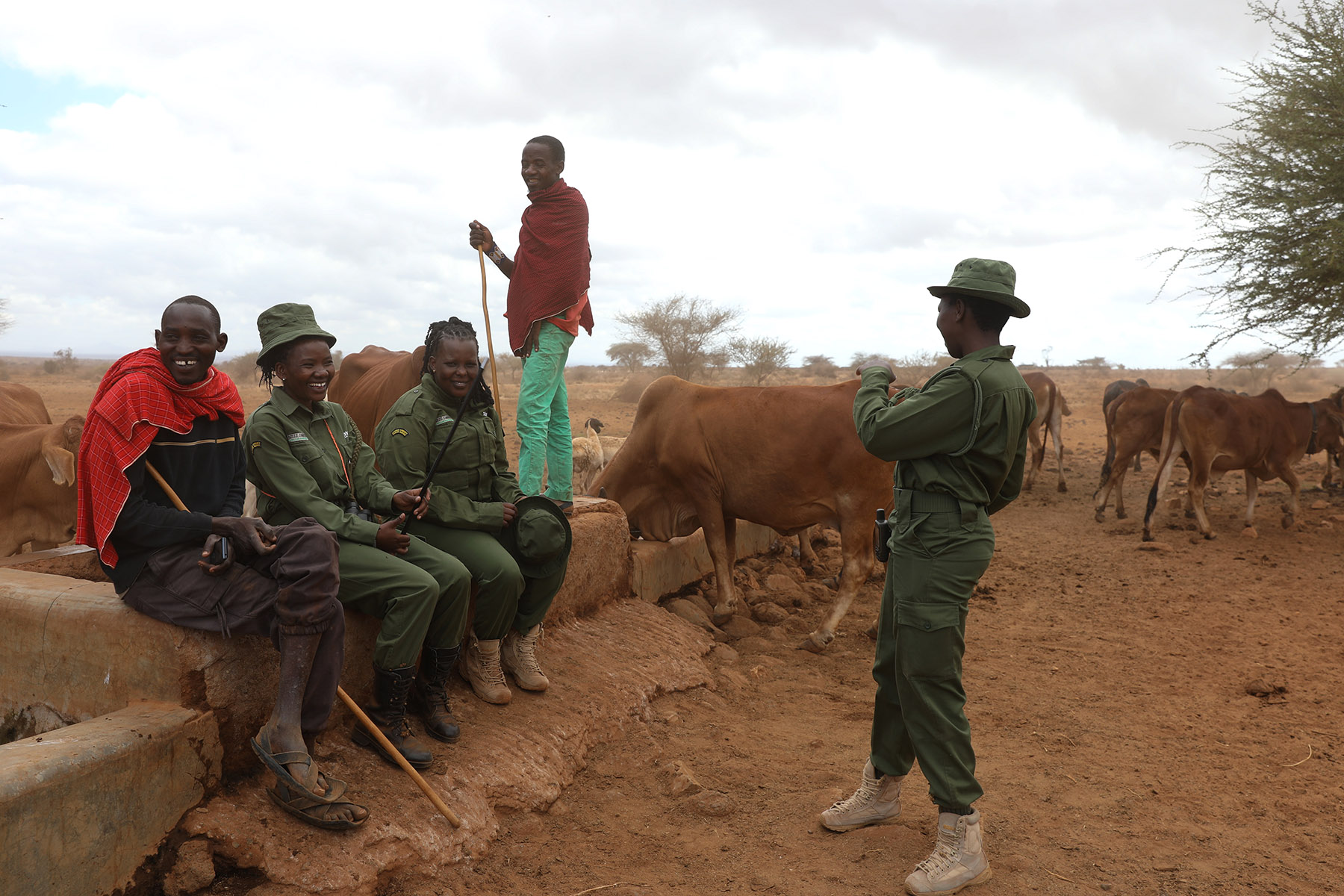
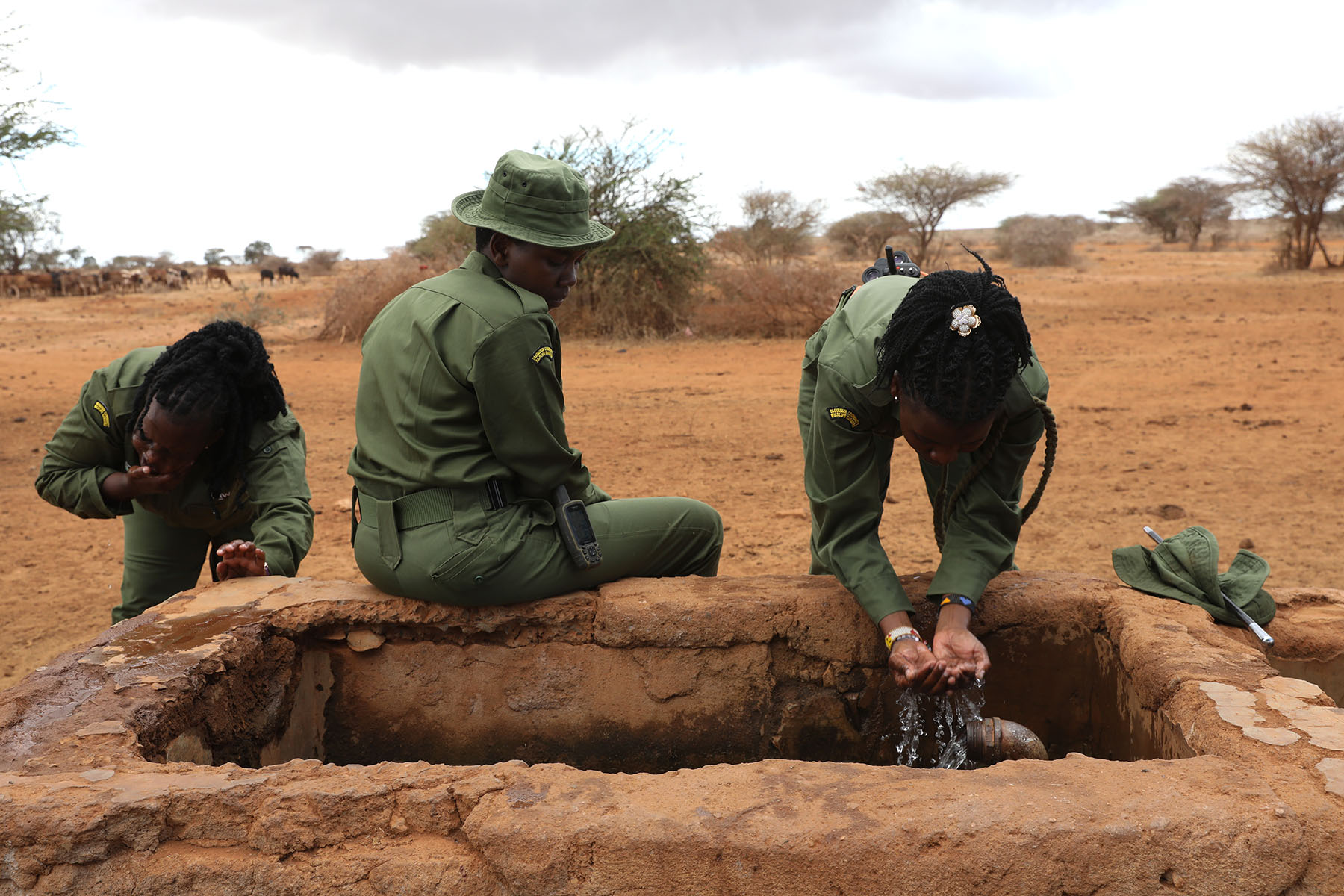
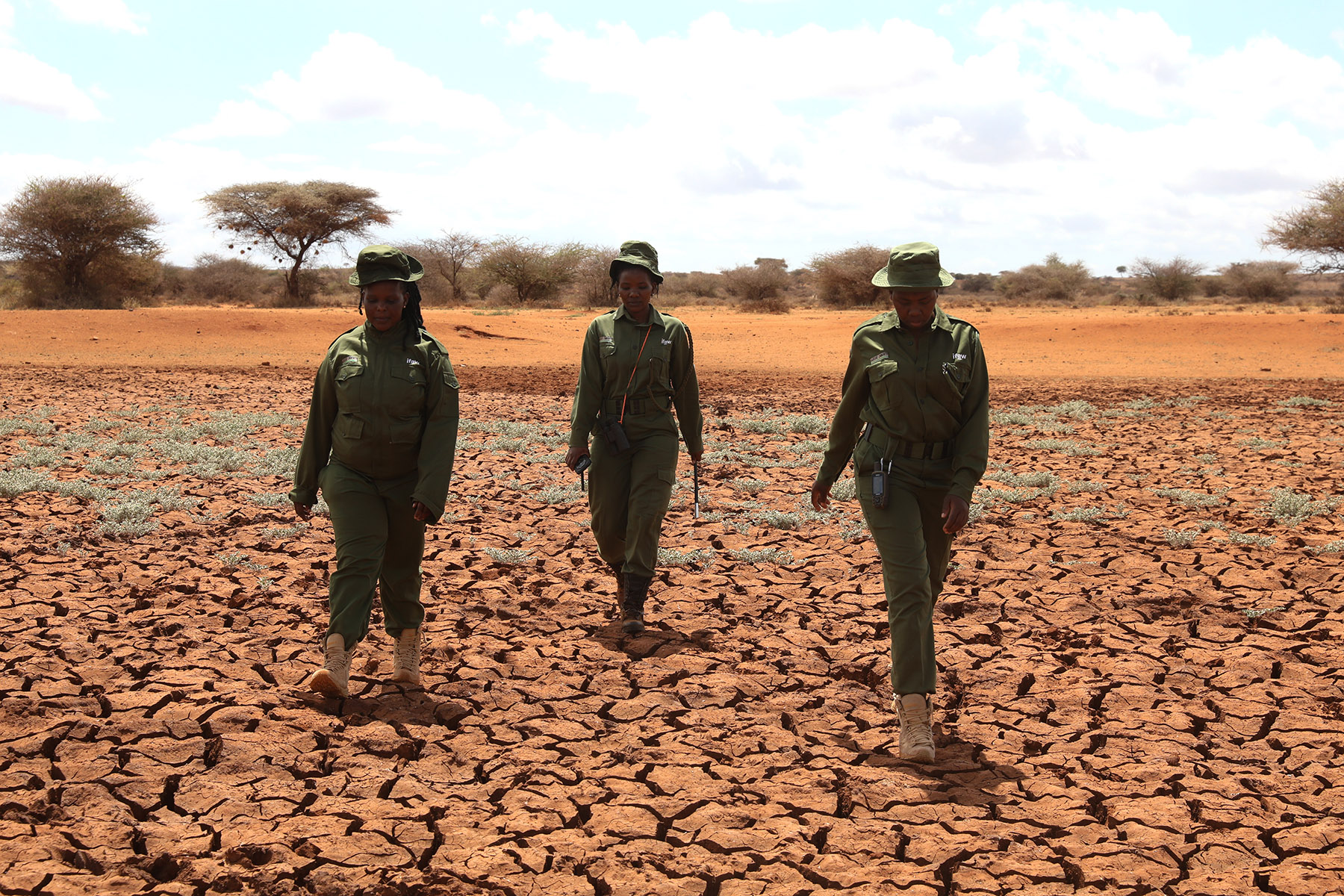
During patrols, the rangers record the species and number of animals they encounter, their locations and activities, using GPS devices. The team also uses drones to monitor wildlife across areas that are difficult to cover on foot.
"The wildlife has no boundaries," said Lakara. An elephant may be inside a protected area one day and on community land the next. During the dry season, when water and food become less available, such movements can bring wildlife closer to homes, livestock and farmland, making encounters between people and animals more frequent.
Lakara said the team had observed more than 50 elephants the previous day as they moved from Chyulu Hills National Park toward Amboseli in search of water.
The wider Amboseli ecosystem is home to more than 2,100 elephants, said Nathan Gatundu, the deputy park warden at Amboseli National Park. Many of these animals move between protected areas and surrounding community lands.
Lakara said elephants, particularly bulls in musth, can become aggressive. The women carry no firearms and sometimes have to rely on their training and experience when an elephant chases them or approaches too closely.
Beyond monitoring
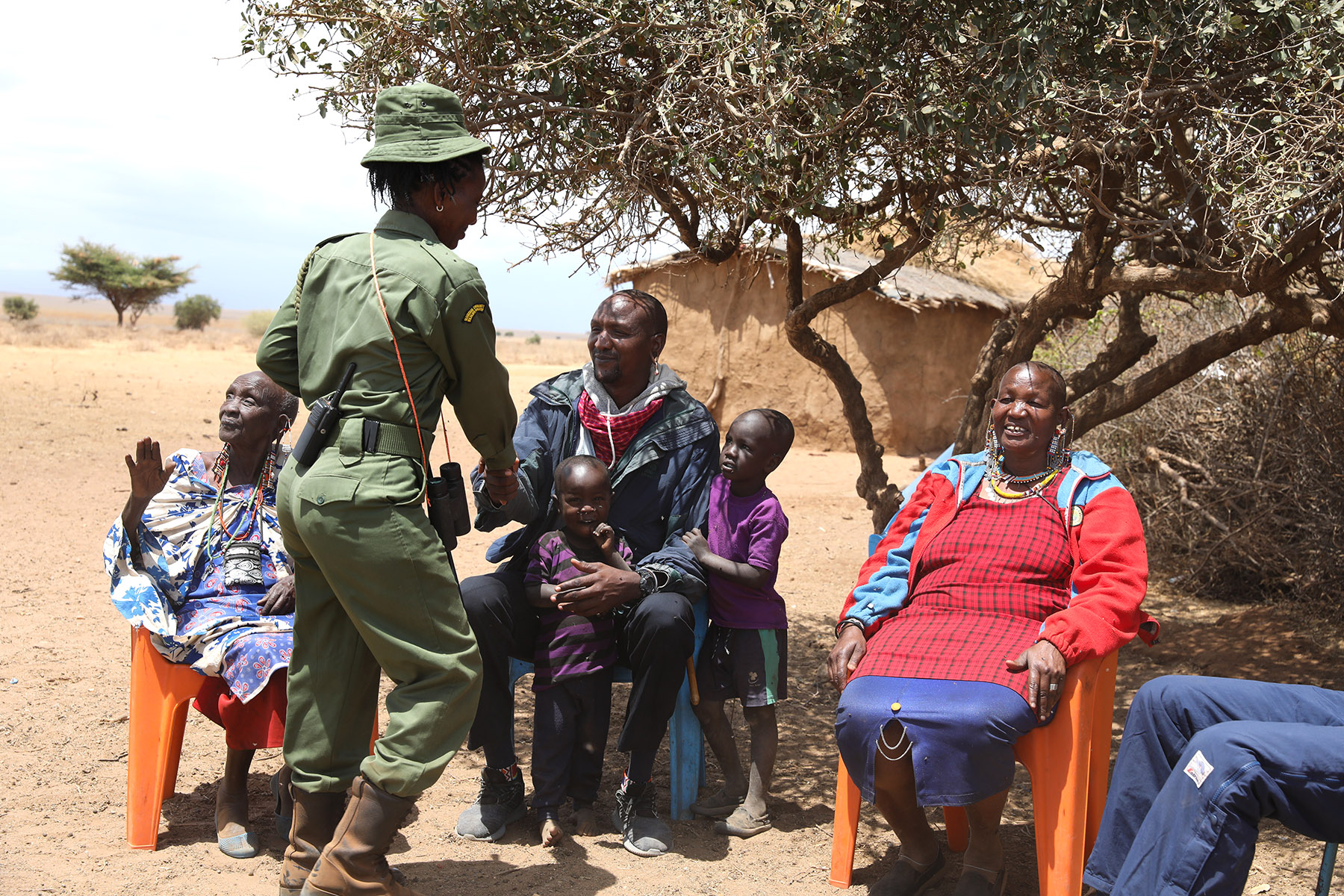
The rangers' work extends beyond wildlife monitoring. The team regularly interacts with local communities, responds when animals enter settlements, and explains how people can handle wildlife encounters.
Lolepo Parsitau, a Maasai pastoralist living in the area, said he has contacted the female rangers when lions entered the village, including at night. The rangers would come to the area and work to chase the animals away from the settlement. "I trust them very well," he said.
For Parsitau, the significance of the women's work goes beyond wildlife. He said that in the past, girls in his community had fewer opportunities to receive education and pursue professional careers. He is now pleased to see women complete school, find jobs and support their families.
The rangers' working environment has also changed since the team was established. A new campsite, officially opened in 2022 and built by a Chinese company, provides individual rooms, indoor toilets and showers, as well as a childcare space for the rangers' children. The camp is powered by solar energy, and the new facilities have made it easier for the women to balance their work in wildlife conservation while caring for their children.
Sharon Nakola in Nairobi contributed to this story.
Contact the writers at wuxiaohui@chinadaily.com.cn
