

China shows the way as Global South nets tangible benefits from BRICS alliance expanding into areas including health, tech, and innovation

Under the bright lights of an operating room at a hospital in Xiamen, Fujian province, Brazilian cardiologist Eric Rodrigo Morales Mercado performed a minimally invasive cardiac procedure alongside Chinese doctors, gaining hands-on experience that he hoped to bring back to Brazil.
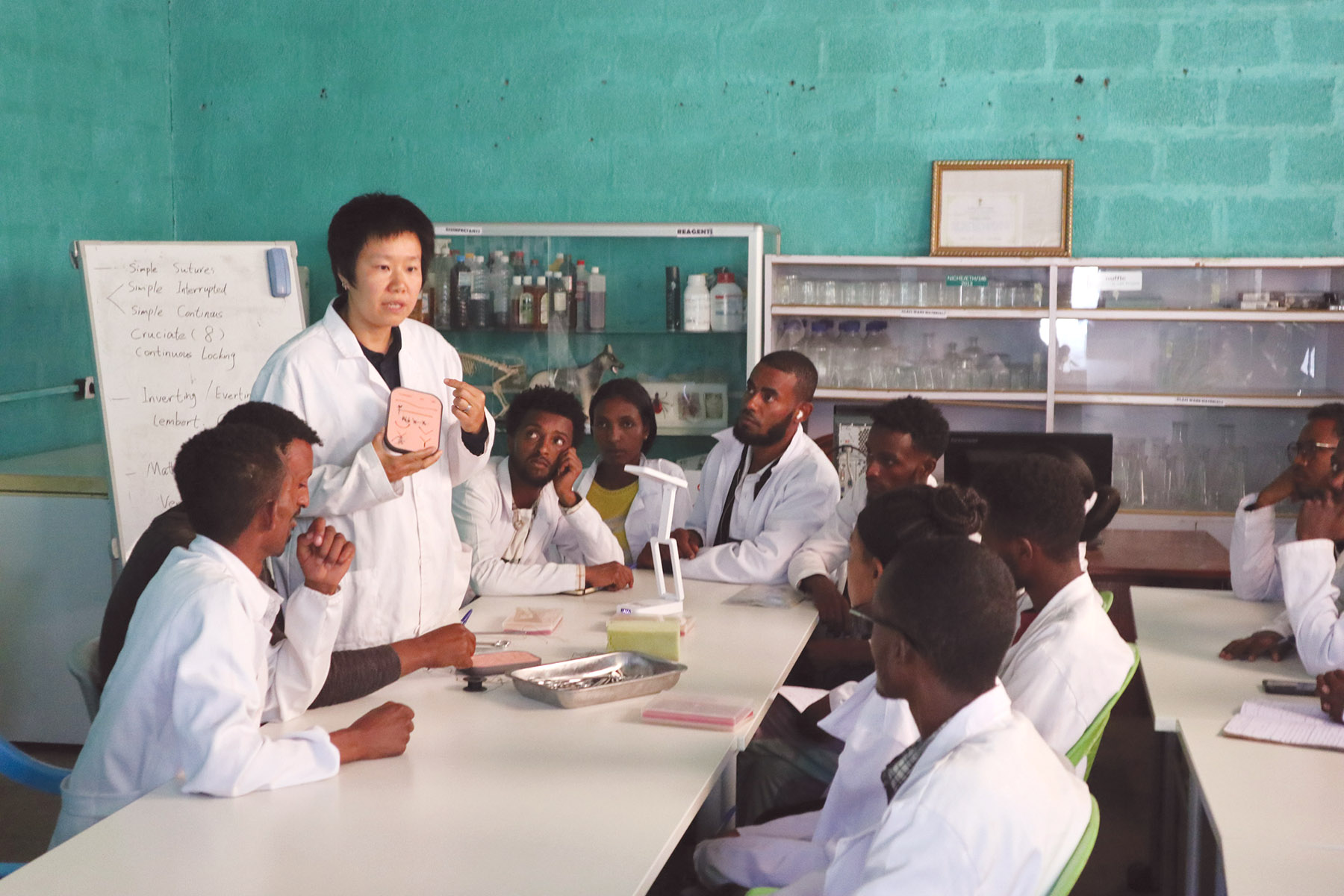
The Brazilian doctor was in China as a visiting scholar under the Heart Sapling Program, a special initiative launched to strengthen medical cooperation among BRICS countries and help train young doctors from the Global South.
The value of the experience was not measured in diplomatic communiques, but in what he can eventually take home.
“Living and working in China changed absolutely the way that I see the world,” he said. “For me, this is a life changer. We are here for a goal, and this goal is to learn some technique (and) bring that to our country.”
The program encapsulates a broader vision advanced by President Xi Jinping — that BRICS cooperation should translate into tangible benefits for people across the Global South.
In 2017, when BRICS leaders gathered in Xiamen, Xi called for the partnership to “open the door to a second ‘Golden Decade’” and make BRICS cooperation benefit the people of its then five member countries and people of other countries.
Speaking at a virtual BRICS Summit last September, Xi again called for member countries of the grouping to leverage their respective strengths, deepen practical cooperation, and make business, financial, scientific, and technological cooperation more productive, to strengthen the foundation, momentum, and impact of greater BRICS cooperation and deliver more practical benefits.
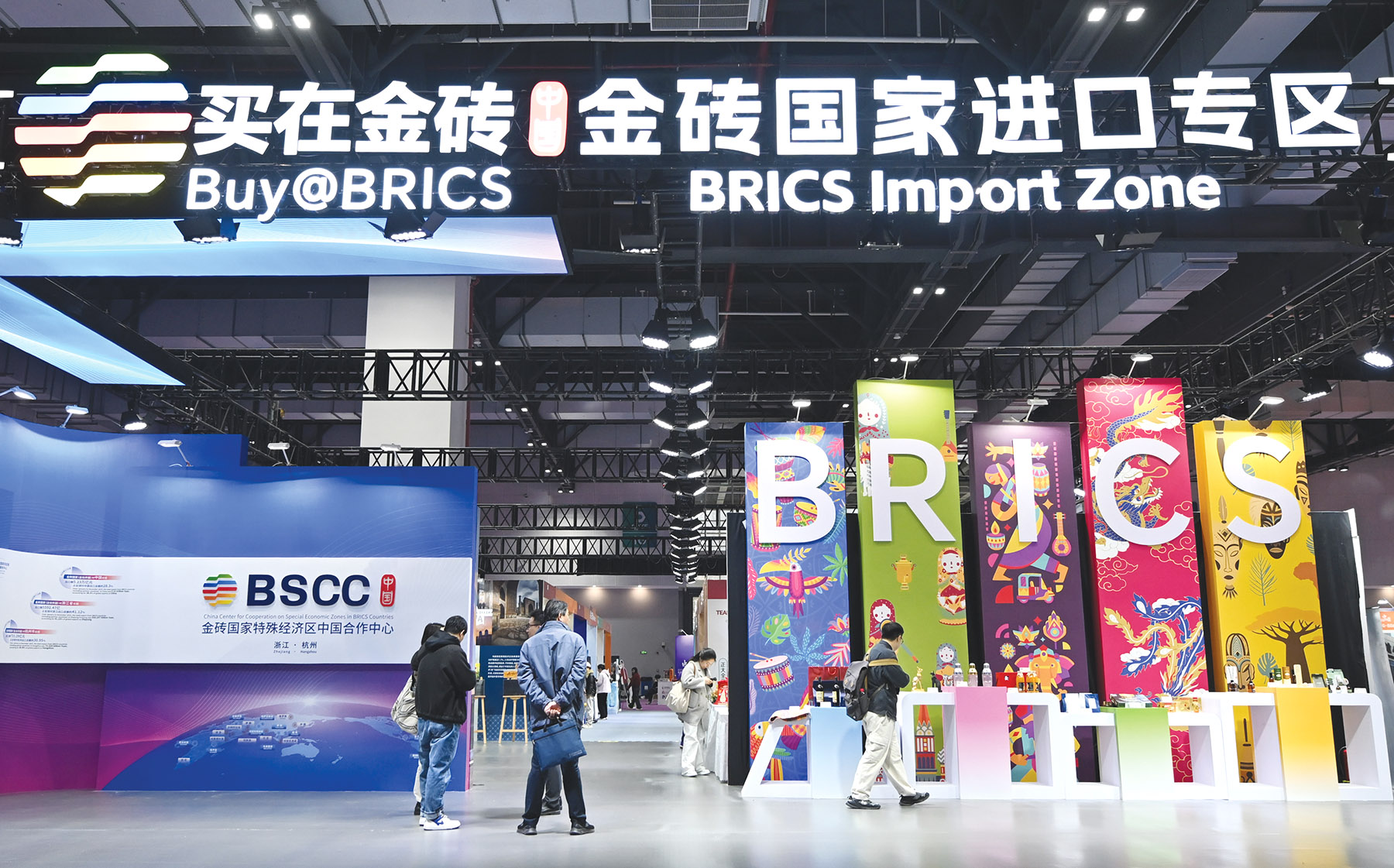
Over the past decade, BRICS has expanded both in membership and areas of cooperation, moving beyond economic coordination into health, trade, technology, innovation, and other fields. BRICS countries now account for nearly half of the world’s population, around 30 percent of global economic output, and one-fifth of global trade.
He Yun, a senior researcher at the Belt and Road Institute of Tsinghua University, said the past decade has seen BRICS cooperation undergo important changes — from mechanism-building to more practical cooperation, from the original five members to a broader “BRICS Plus” framework, and from an economic coordination platform toward an important platform for Global South participation in global governance.
“China’s role in BRICS cooperation goes beyond its economic weight. It has simultaneously acted as an advocate of new ideas, a builder of cooperation mechanisms and a provider of public goods,” she said.
She noted that China has promoted BRICS cooperation on poverty reduction, food security, the digital economy, industrialization, and green development, including efforts to align these areas with the United Nations’ 2030 Agenda for Sustainable Development.
“China’s contribution has been not only to put forward ideas and a vision for cooperation among Global South countries, but also to turn those ideas into institutions, platforms and projects,” the researcher said.
Since 2017, China has launched a host of mechanisms to promote BRICS cooperation, including the BRICS Partnership on New Industrial Revolution Innovation Center, the China Center for Cooperation on Development of Special Economic Zones in BRICS Countries, and the China Center for BRICS Industrial Competencies.
Zhou Ying, chief of the International Cooperation Division of the BRICS Partnership on New Industrial Revolution Innovation Center, said the fundamental change brought by BRICS expansion was not simply an increase in membership, but a significant broadening of the substance of cooperation and the needs of participating countries.
A key mandate of the center is to help more Chinese enterprises expand their reach into BRICS countries.
Under the platform’s facilitation, Chinese companies have traveled to Brazil specifically to source coffee beans, helping more Brazilian coffee farmers gain access to the vast Chinese market, Zhou said, adding, “We have also helped Chinese automakers enter the Ethiopian market, enabling more Chinese new energy vehicles to hit the streets of Ethiopia.”
Marcos Caldeira, a Brazilian businessman who first arrived in Xiamen in 2013, has seen his business increase amid the expansion of BRICS cooperation.
Caldeira, who comes from Vitoria, one of Brazil’s major centers for the natural stone industry, said his business began by connecting Brazilian stone producers with the Chinese market. As the relationship developed, the flow began moving in both directions, linking producers and consumers in the two countries.
Caldeira said his business received a boost after the 2017 BRICS Summit in Xiamen.
Today, two or three vessels carrying Brazilian stone arrive in China each month, he said, adding that smoother trade allows him to offer better prices to customers.
“It’s like a chain, so everything works much more smoothly,” he said.
For Caldeira, BRICS is therefore not an abstract international grouping. Instead, it signifies ships leaving ports, workers processing stone, businesses finding customers, and consumers gaining access to products.
“I hope more countries can join BRICS, because more countries (mean) more business, more opportunities, more trading,” he said.
With China set to assume BRICS’ rotating presidency in 2027, a decade after the Xiamen summit, expectations are running high that Beijing will continue promoting BRICS cooperation toward a greater scope and more tangible outcomes.
Foreign Minister Wang Yi said during a meeting in July that China, during its BRICS presidency in 2027, stands ready to work with BRICS partners to promote prosperity through development, stability through security, mutual trust through exchanges among civilizations, and fairness through better global governance.
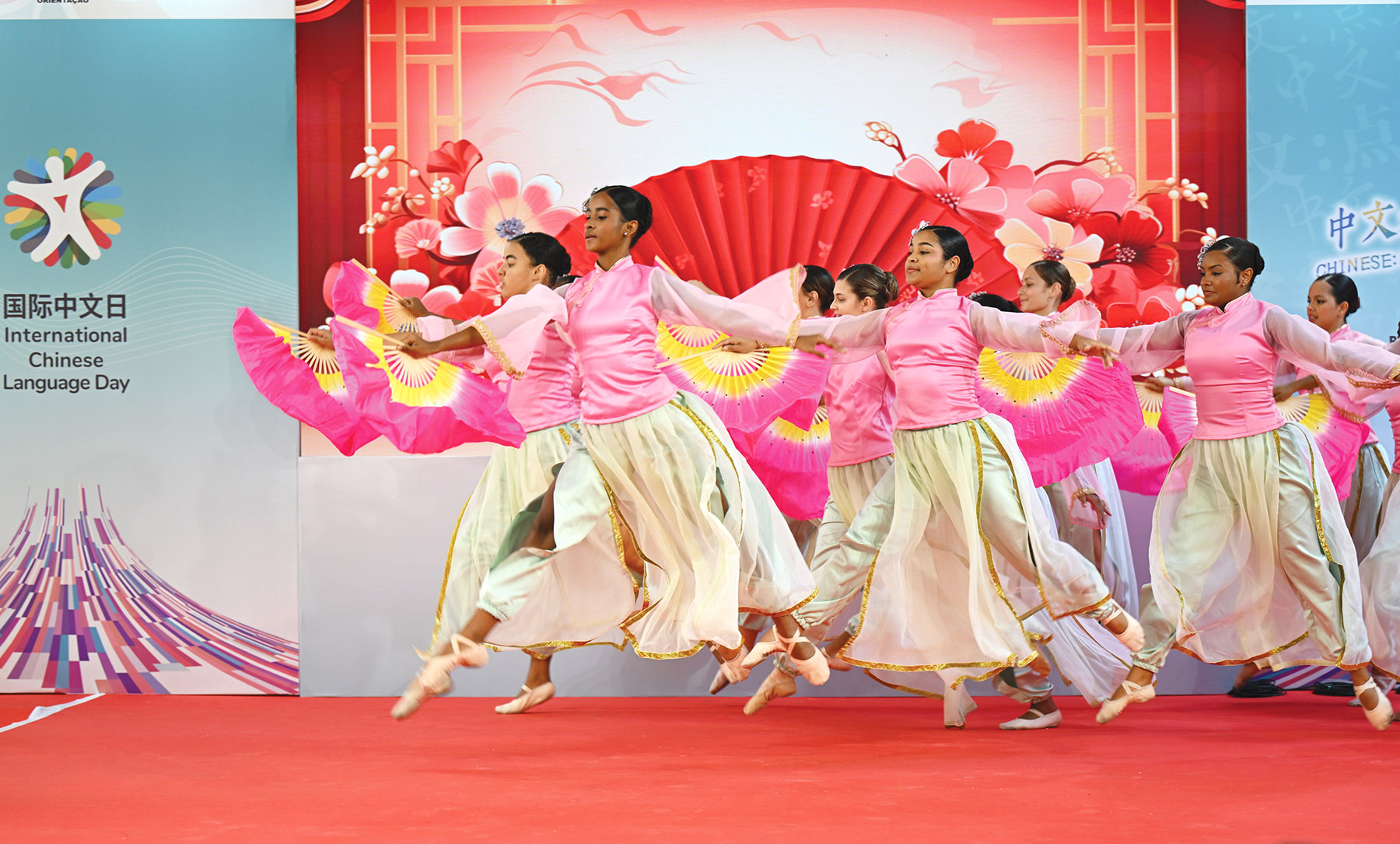
Together, the BRICS countries will open up a future of peace and prosperity, Wang said.
At the 16th BRICS Trade Ministers’ Meeting in August, Li Chenggang, China’s international trade representative and vice-minister of commerce, said China is ready to deepen cooperation with BRICS members in trade and investment liberalization and facilitation, the digital economy, trade in services, green minerals, artificial intelligence, and special economic zones.
China will also explore institutional arrangements for economic and trade cooperation and economic integration, promote the high-quality development of expanded BRICS cooperation, and safeguard the common interests of the Global South, Li said.
He Yun, the Tsinghua University researcher, said China’s BRICS presidency in 2027 will be particularly significant, as the “Greater BRICS” cooperation mechanism will enter a new stage, shifting from expanding its scale to improving governance and enhancing effectiveness.
“In promoting BRICS cooperation, China has fully leveraged its strengths in markets, industry, technology and financing while respecting the development needs of other members and encouraging all countries to jointly propose projects, formulate rules, and share the benefits,” she said. “China’s role in 2027 should be that of a coordinator of consensus, a builder of institutions and a provider of public goods.”
For Olugbenga Abiodun, a cardiologist from Nigeria, a BRICS partner country, the BRICS health cooperation program launched by China could help improve the West African country’s healthcare system and eventually its entire economy.
Abiodun, also a participant in the Heart Sapling Program, said many Nigerian patients still travel abroad for advanced medical treatment, and training more specialists in Nigeria could help change that.
“If a large number of Nigerian doctors are appropriately trained, and their specialist capacity is increased, then there won’t be any reason for Nigerians to go outside the shores of the country to seek quality healthcare,” he said.
Abiodun also said he sees room for broader cooperation with China in healthcare financing, low-cost medical technologies, equipment and consumables, generic pharmaceuticals, and supply chains.
“It’s a life-changing program,” he said. “It has improved my abilities, my capacity. This is a brilliant initiative by the BRICS community.”
