

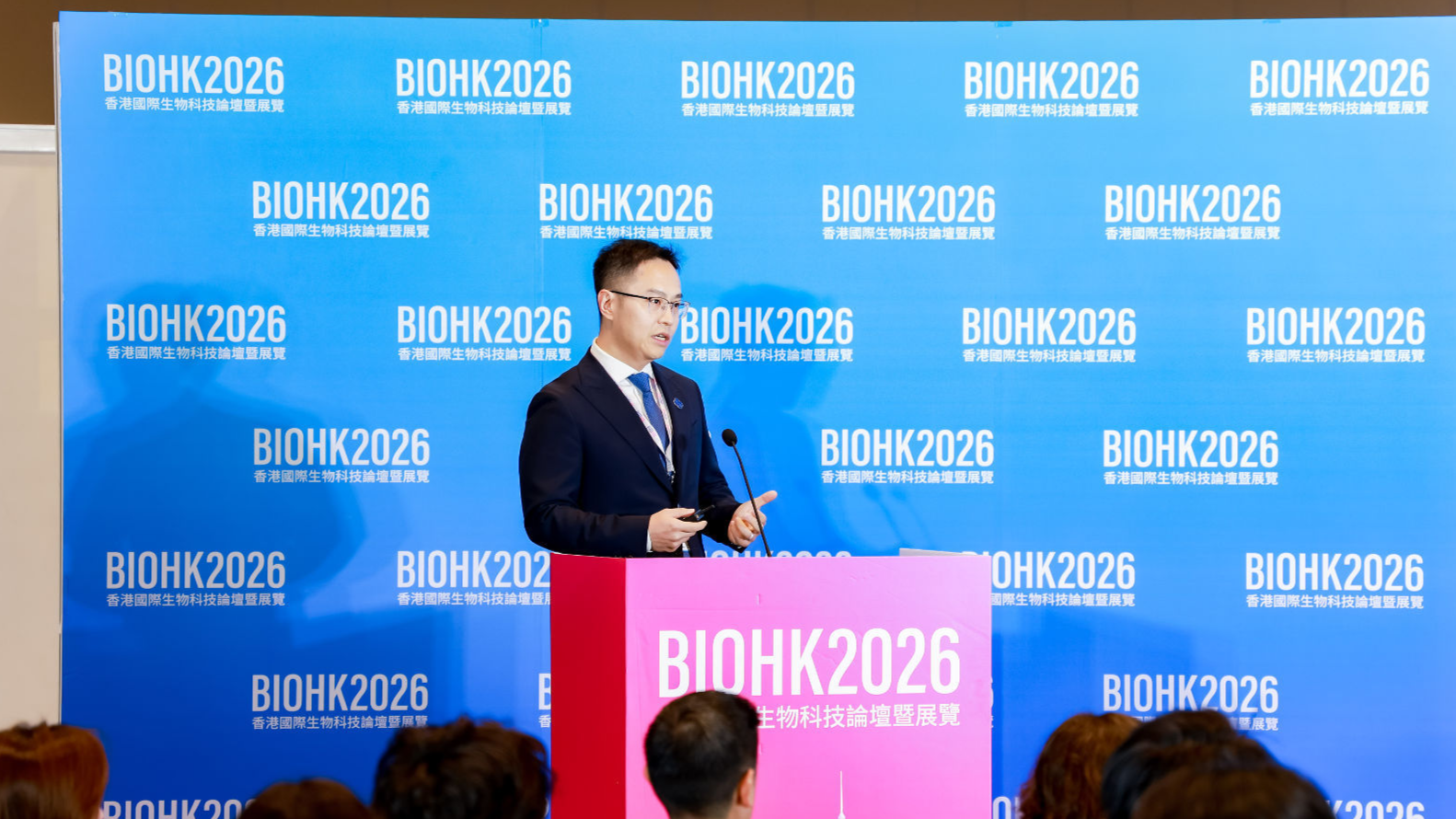
The ultimate challenge for life sciences today is how laboratory breakthroughs become lifesaving realities for patients, a leading bioscience strategist said at BIOHK2026, Asia’s flagship annual biotechnology conference and exhibition, on Thursday.
Bernard Cheung Man-yung, CEO of the Greater Bay Area International Clinical Trial Institute (GBAICTI), said that the GBA is pursuing an integrated approach that spans clinical trials, regulatory innovation, data resources, and industry cross-collaboration. He encouraged everyone to think beyond individual organizations and sectors to build a connected ecosystem that generates real impact.
Leveraged by “one country, two systems” framework, the Hong Kong Special Administrative Region is strategically poised to streamline clinical development —not only to accelerate local patients’ access to novel therapies, but also to reshape global healthcare innovation, Cheung said.
Li Yichong, director of the Greater Bay Area International Clinical Trials Center (Bay Trial), highlighted the “818 decree”, which is China’s national regulation governing clinical research and the translation of advanced biomedical technologies, which came into effect on May 1.
ALSO READ: Strategic partnership to enhance clinical research, talent in Greater Bay Area
Li noted that the decree enables the launch of high-quality medical innovations by allowing a dual-track regulatory framework that combines traditional National Medical Products Administration (NMPA) registration with a parallel pathway for clinical trials, translation, and commercialization of cutting-edge biotechnologies.
“Since the implementation of the ‘818 decree’, more than 100 projects have been submitted to the National Health Commission for registration,” he said, emphasizing that the robust infrastructure in the GBA is poised to assist multinational companies in capitalizing on these emerging opportunities.
Both GBAICTI and Bay Trial are located at the Hetao Shenzhen-Hong Kong Science and Technology Innovation Co-operation Zone. Alex Kwong, associate director of ecosystem development in life science at the Hong Kong-Shenzhen Innovation and Technology Park (HSITP), said that over the past year, HSITP has completed the first wet-laboratory building, marking the delivery of purpose-built facilities for bioscience, providing specialized infrastructure for trials, diagnostics, therapeutics, and R&D activities.
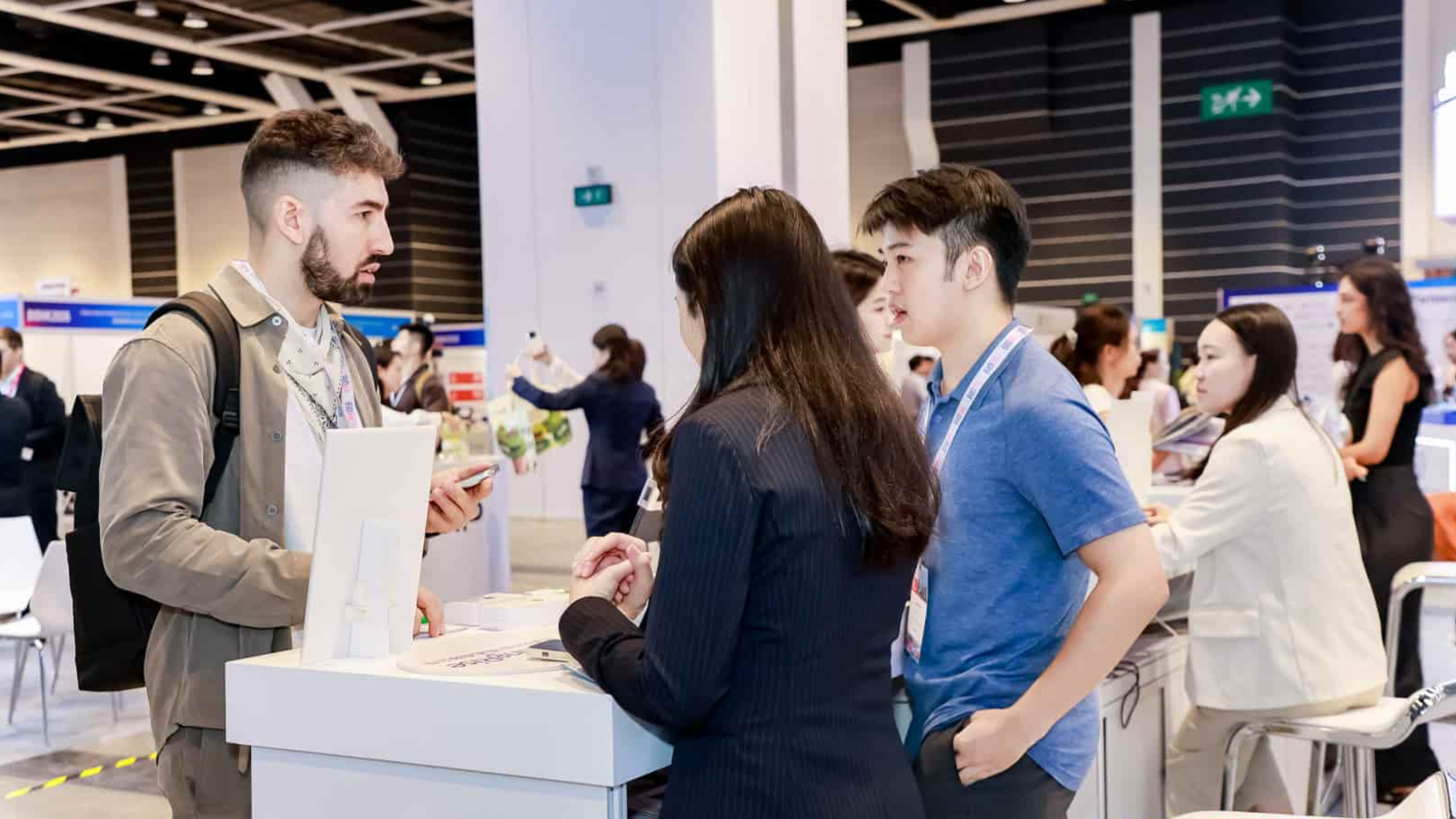
For companies establishing a presence at the Hetao co-operation zone and the San Tin Technopole — a massive strategic infrastructure within the Northern Metropolis — the advantages are compelling, said Hong Kong SAR Financial Secretary Paul Chan Mo-po. “They can tap into both international and the Chinese mainland’s R&D resources to develop products fitting for both markets.”
READ MORE: Chan: HK determined to become global heath, medical innovation hub
Five of the world’s top 10 pharmaceutical companies have chosen Hong Kong as their regional R&D base, Chan said, adding that the global biotech fundraising reached approximately $70 billion last year, an increase of more than 10 percent, while the value of deals approached $300 billion, an all-time high.
Record growth
“China is currently in an explosive growth phase where much of the world’s most exciting scientific research is being conducted here, especially in the Greater Bay Area,” said Jonathan Symonds, chair of the board of GlaxoSmithKline (GSK) — a leading British multinational biopharmaceutical giant based in London — at the opening ceremony of BIOHK2026 on Wednesday.
Symonds said he is excited to see China’s 15th Five-Year Plan (2026-30) highlighting preventive healthcare, noting that it is no longer just a medical objective, but a foundational pillar for driving long-term economic productivity and societal resilience.
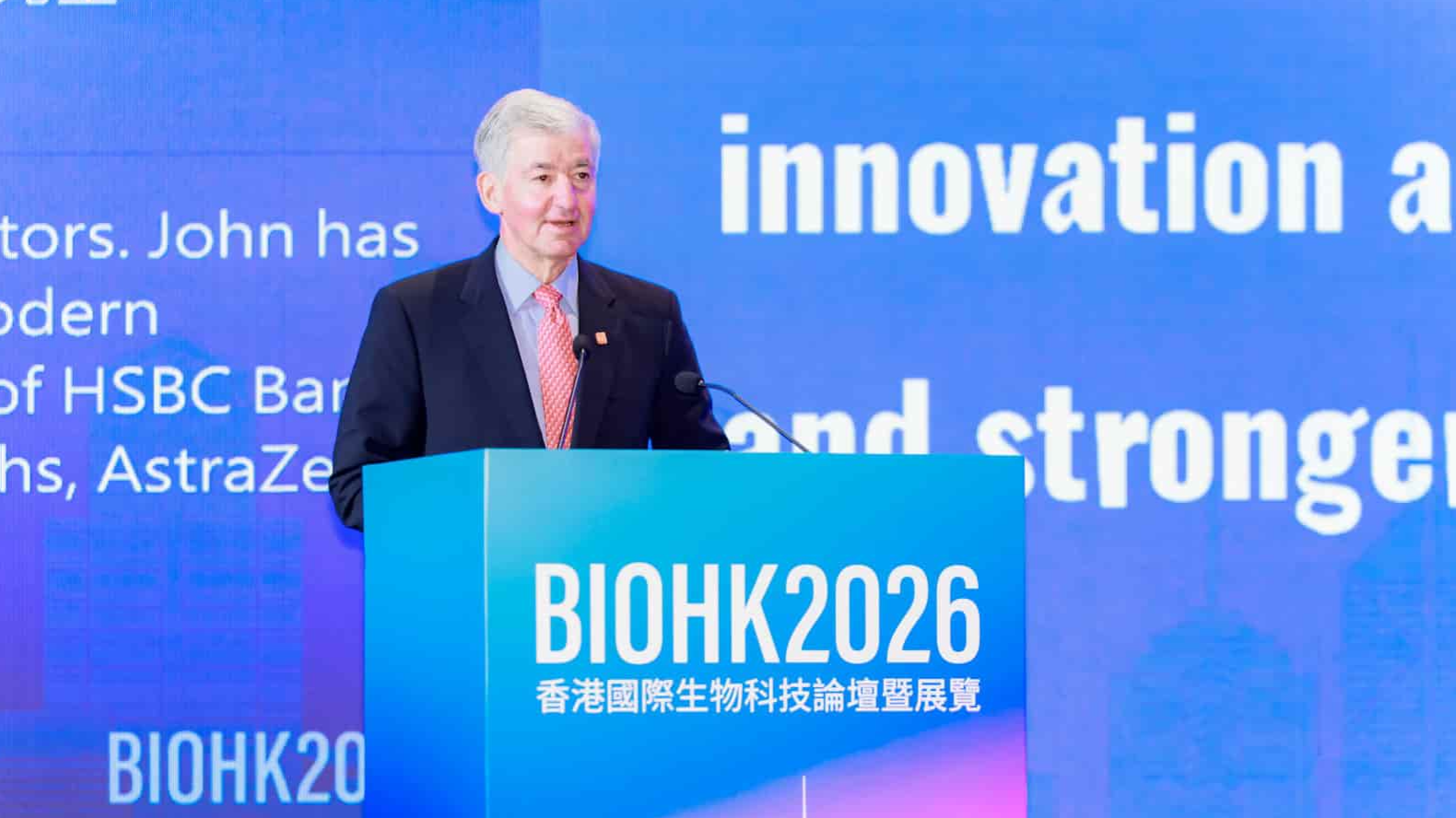
Song Ruilin, chief expert of China Pharmaceutical Innovation and Research Development Association (PhIRDA), said that in 2026, the Chinese government included the biopharmaceutical industry as an emerging pillar for the first time.
According to China’s NMPA, the country approved 76 innovative drugs in 2025 — up from 48 in 2024, and the highest total in history. To sustain momentum, Song said the sector must overcome growing international friction — most notably defensive US trade policies — to ensure Chinese-led drug innovations continue reaching global patients' needs.
READ MORE: Sun: HK offers open ecosystem for innovation to thrive
HKSAR is at the center of this global industrial wave, Albert Yu Cheung-hoi, chairman of the Hong Kong Biotechnology Organization (HKBIO) and president of BIOHK2026, said in his keynote speech.
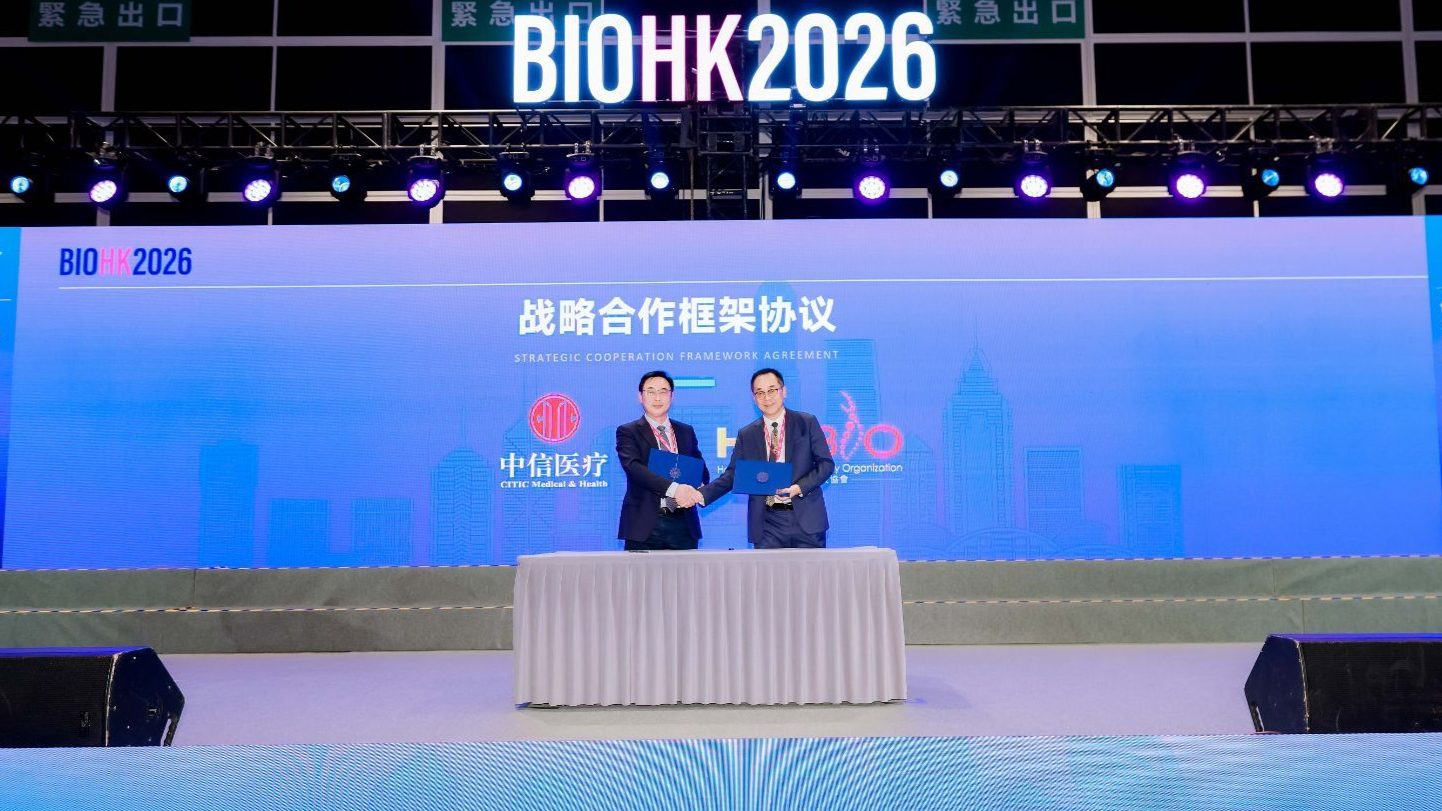
Yu highlighted the city’s pivotal role as a high-value bridge for life sciences innovation worldwide, adding that the establishment of the Hong Kong Centre for Medical Products Regulation (CMPR) at the end of this year will transform drug regulatory efficiency. The CMPR aims to align Hong Kong’s standards with international certification systems to enhance the city’s competitiveness in global drug regulation, clinical recognition, and cross-border market access, he said.
At the event’s opening, CITIC Group — China's State-run multinational conglomerate — signed a strategic partnership agreement with HKBIO, aiming to unite financial services, clinical R&D, international capital, and manufacturing hubs to create an ecosystem that fast-tracks the development of high-impact pharmaceuticals and medical technologies.
The four-day conference and exhibition is hosting 50 forums and features over 400 professional speakers, 200 exhibitors from more than 40 countries and regions, and 10,000 visitors, twice the size of the previous year, according to the organizer.
Contact the writer at irismuk@chinadailyhk.com
