

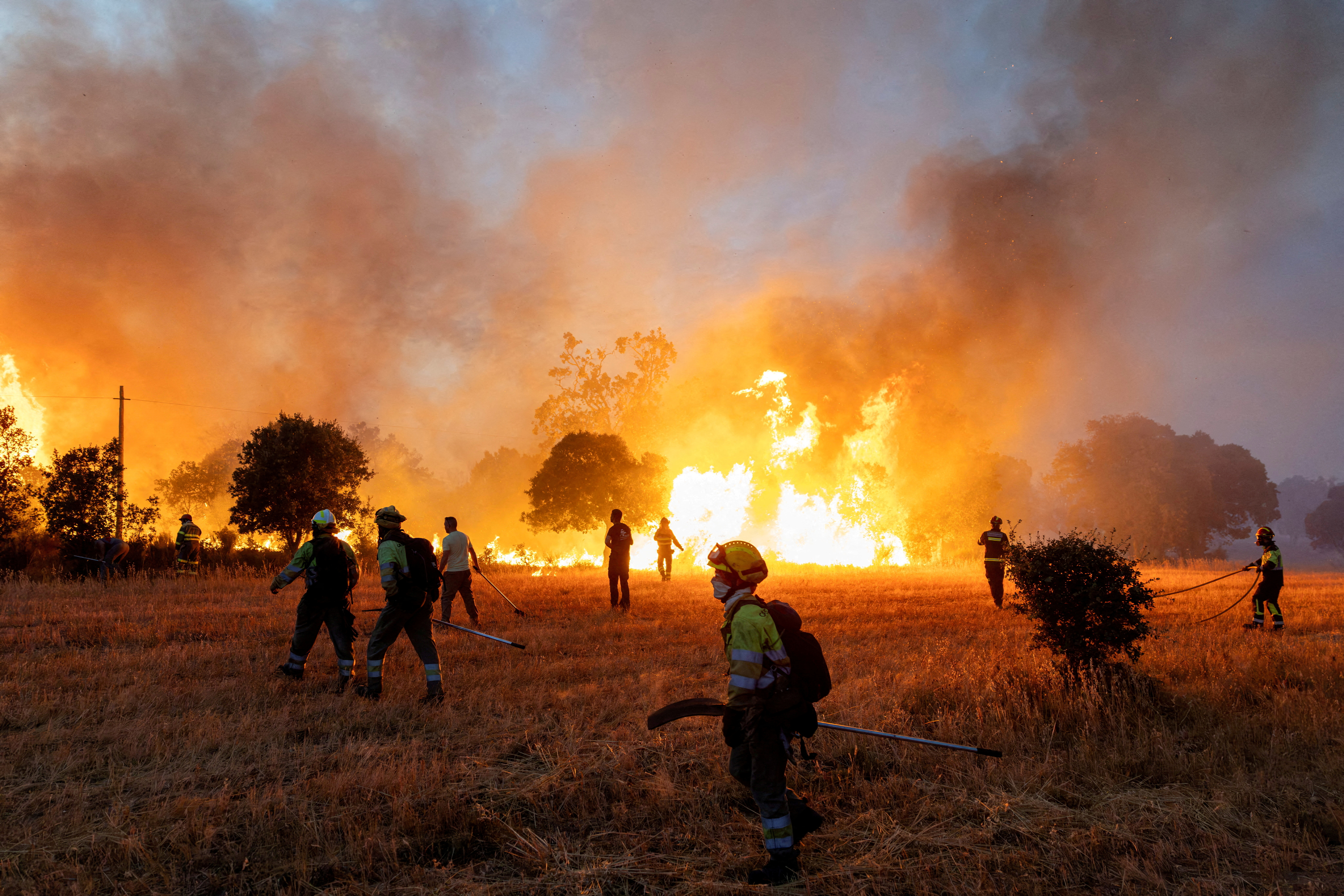
Pollution from increasingly intense wildfires and heat waves could undermine global efforts to improve air quality and protect human health, the United Nations' weather agency said on Monday, warning that climate change is making it harder to meet international air quality goals.
In its annual report on air quality and the climate, the World Meteorological Organization said air pollution and climate change are closely linked and should be tackled through coordinated policies rather than in isolation. It warned that meeting the World Health Organization's air quality guidelines will become more difficult because extreme wildfires are more likely to occur in the future.
Wildfires are becoming a growing source of harmful air pollution even as regulations have reduced emissions from industry and transport in many developed countries, the WMO said in its report.
ALSO READ: Southeast Asia haze risk rises as Indonesia’s fire hotspots jump
"No matter how clean your city or your region is ... if you have a lot of pollution brought about by wildfires, that has the potential to negatively impact air quality in those regions as well," Lorenzo Labrador, scientific officer at the WMO, told Reuters.
The report highlights the growing impact of fine particulate matter, known as PM2.5, and ground-level ozone, pollutants linked to respiratory and cardiovascular disease. It also calls for improved monitoring of pollutants and aerosols, including black carbon and microplastics, which it said remain poorly tracked despite their widespread presence in the atmosphere.
This year has been marked by extreme heat and destructive wildfires across parts of Europe, including Spain, France and Greece. The WMO has said extreme heat is becoming more frequent, intense and longer-lasting as the planet warms.
The new report said PM2.5 concentrations in 2025 were above long-term averages in northern Canada, parts of Russia and western-central Africa due to heightened fire activity, while northwestern Spain was a hot spot following exceptional late-summer fires.
READ MORE: British Columbia declares state of emergency as more than 20,000 flee wildfires
A study cited in the report found extreme fire-smoke events have tripled globally since the 1990s and may have contributed to nearly 100,000 additional deaths annually between 2010 and 2018.
Particulate matter from wildfires is particularly harmful because it comes with a host of toxic chemicals, Labrador said, adding that inhalation causes body-wide inflammation that can lead to pulmonary disease.
