

TEHRAN/ABU DHABIWASHINGTON/ISLAMABAD/UNITED NATIONS — US President Donald Trump on Monday vowed retaliation against Iran after Tehran fired ballistic missiles at US forces in Jordan overnight.
"We're going to hit them hard," Trump told Fox News in a phone interview. "There will be a response."
The president said US forces allowed one Iranian missile to pass through air defenses overnight after determining it would not hit anything, while the other incoming missiles were intercepted.
However, there is still a slim hope for possible talks, according to Trump.
"They want to meet so badly," Trump said. "I just don't know if you can count on a deal with them."
"The sanctions are kicking in really strongly," said the president.
Iran fired at least eight ballistic missiles at US forces in Jordan on Sunday following a US airstrike on Islamic Revolutionary Guard Corps (IRGC) launchers on Larak Island, Fox News reported, citing a US source. The report said there were no significant impacts.
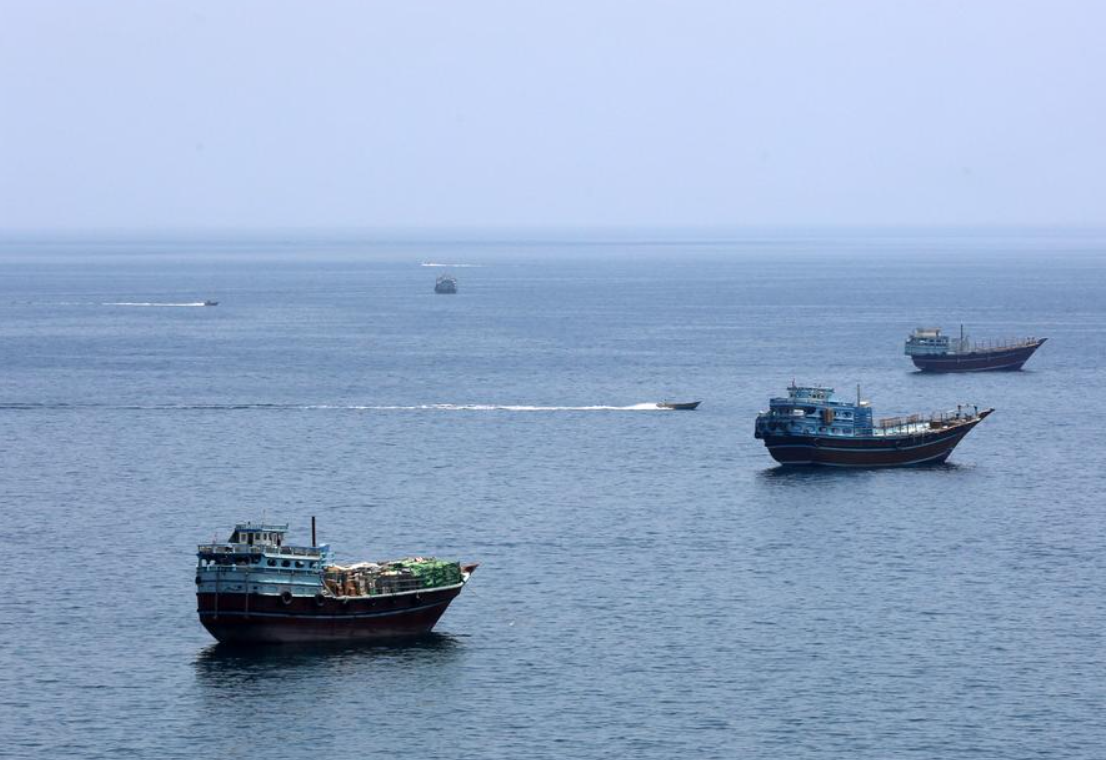
The US Central Command described the strike as a "limited, precise action" against Iranian minelaying forces that it said posed an "imminent threat" to commercial shipping and the free flow of global commerce through the Strait of Hormuz.
Following the attack, the IRGC said in a statement that a number of military personnel and civilians were killed or wounded in the attack and vowed that the strike would be responded to with "punishment for the aggressor."
'Inherent right' to self-defense
Meanwhile, the Iranian Foreign Ministry on Monday strongly condemned the US military attack against Larak Island as an "act of aggression," stressing Iran's "inherent right" to self-defense.
"The terrorist US Army on Sunday night once again violated Iran's national sovereignty and territorial integrity," the ministry said in a statement, adding that the attack killed and wounded a number of Iran's military personnel and citizens and caused damage to public and private properties.
The ministry said in response to the "military aggression," and in exercise of Iran's "inherent right" to legitimate self-defense, the Iranian armed forces carried out "defensive and crushing" strikes against US bases in Jordan, which it said had been used to launch and support the US attack.
The ministry blamed the US and Israel for insecurity in regional shipping routes and the Strait of Hormuz, citing their attacks on Iran since Feb 28 and the US naval blockade.
It said Iran would respond decisively to any further military aggression and that the US and parties cooperating with it would bear responsibility for the consequences.
US Central Command spokesperson Tim Hawkins said in a statement that US forces on Sunday struck two launchers on Larak Island after Iranian forces "were observed preparing to launch rockets with sea mines into the Strait of Hormuz." The attack marked the first known US strike against Iran since late July.
ALSO READ: Iran retaliates after US strikes rocket launchers
Regional situation
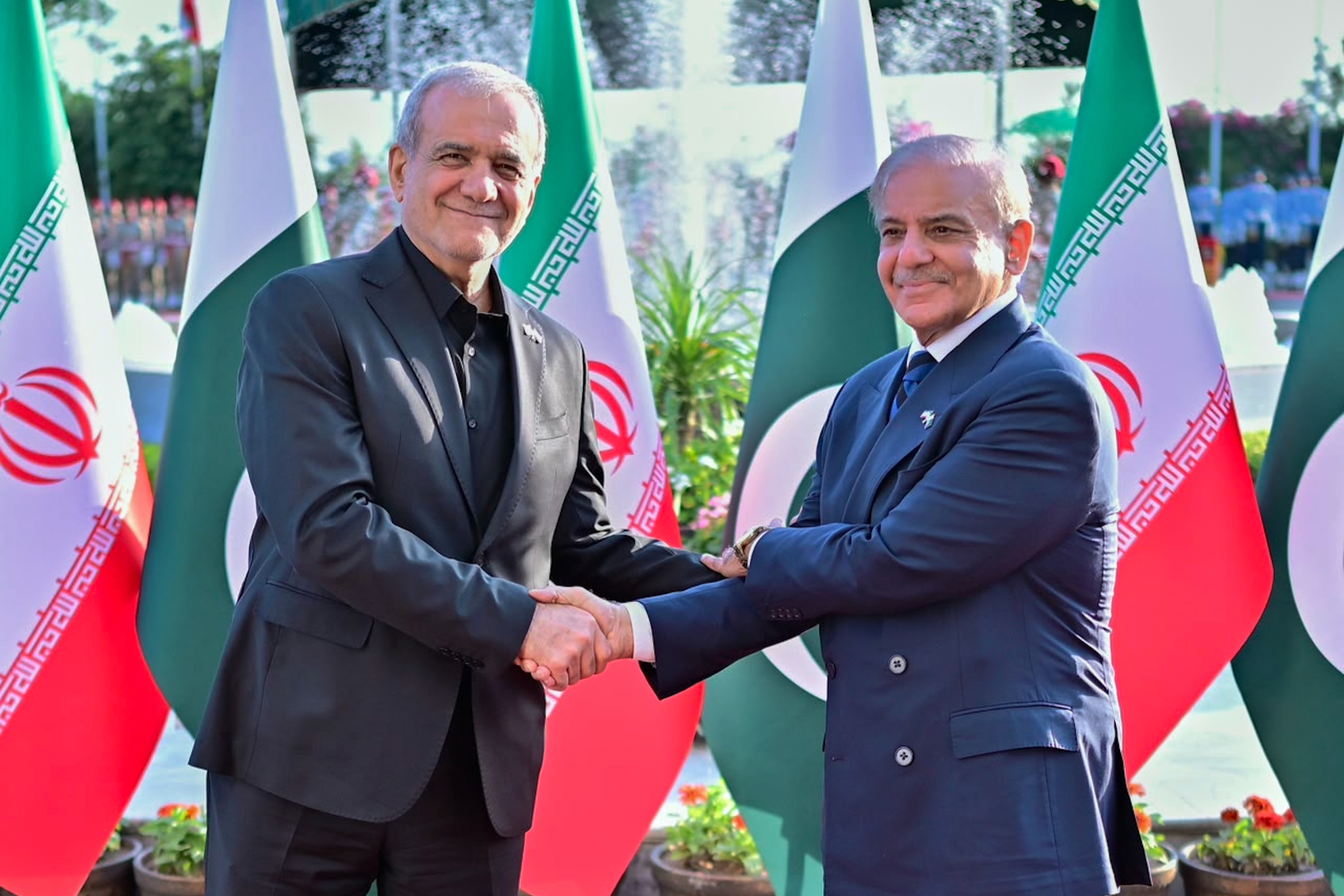
Pakistani Prime Minister Shehbaz Sharif and Iranian President Masoud Pezeshkian on Monday exchanged views on the evolving regional situation, stressing the importance of diplomatic engagement to promote lasting peace and stability in the region.
According to a statement issued by the Pakistani Prime Minister's Office, during the meeting, Sharif reaffirmed Pakistan's commitment to sincere efforts for regional peacebuilding, saying the recent visit of Pakistani army chief Syed Asim Munir to Tehran and his constructive engagements were positive steps toward advancing regional peace efforts.
The Pakistani prime minister emphasized the importance of restraint and sustained diplomatic engagement, while underscoring the need to build on understandings reached under the Islamabad Memorandum of Understanding, which he described as the only viable pathway toward enduring peace in the region.
Pezeshkian appreciated Pakistan's consistent diplomatic efforts for regional peace and security, while reaffirming Tehran's desire to deepen cooperation with Islamabad across a wide range of sectors, according to the prime minister's office.
UN urges 'maximum restraint'
UN Secretary-General Antonio Guterres called for maximum restraint following the resumption of hostilities over the weekend between the US and Iran, his spokesperson said Monday.
"The resumption of exchange of fire between the United States and the Islamic Republic of Iran is very regrettable, to say the very least," said Stephane Dujarric, the spokesperson.
"Again, Secretary General urges everyone maximum restraint. He encourages a return to diplomatic activity, to diplomatic talks that would lead to a settlement, to help restore stability and confidence in the region," he said.
