

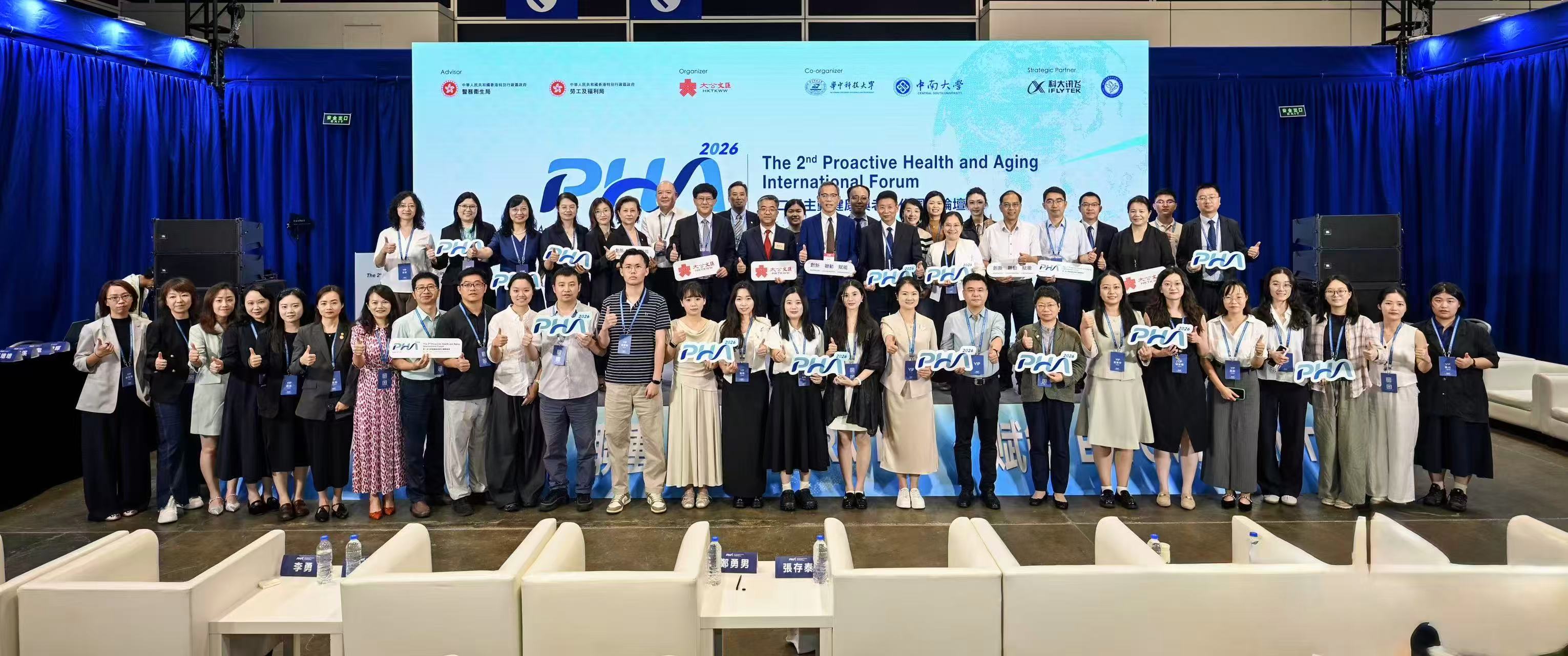
HONG KONG —Top global experts and healthcare leaders called for enhanced cross-border collaboration and integrated medical frameworks to address Asia's rapidly accelerating aging population at a two-day forum in Hong Kong that concluded on Tuesday.
Over 80 prominent speakers from around the world gathered at the 2nd International Forum on Proactive Health and Aging to share cutting-edge insights on healthy longevity, smart technology in eldercare and localized intervention models.
Themed "Innovation · Synergy · Empowerment: Hong Kong as a New Global Hub for Aging Solutions", the forum was organized at the Hong Kong Convention and Exhibition Centre by the Hong Kong Ta Kung Wen Wei Media Group and jointly co-hosted by Huazhong University of Science and Technology and Central South University.
The event underscored Hong Kong Special Administrative Region’s strategic role as a "super-connector" bridging the Chinese mainland’s medical advances with the international community.
On the sidelines of the event, delegates convened a closed-door preparatory meeting for the Asian Association of Geriatrics, reaching a high-level consensus to establish a unified regional platform aimed at standardizing geriatric care, standard-setting and talent cultivation across Asia.
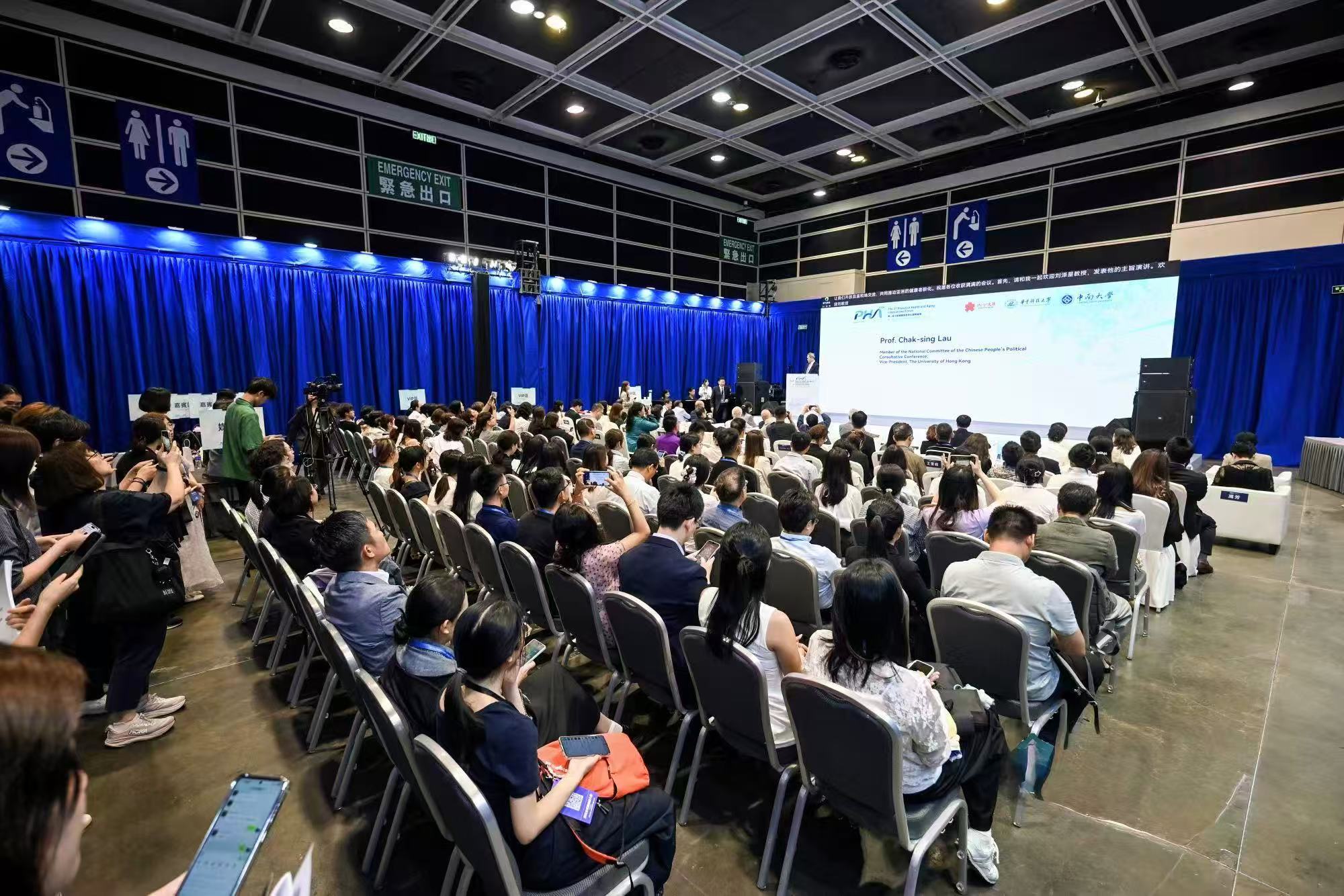
Stressing the need to bring healthcare closer to home, Lau Chak-sing, co-chair of the forum and dean of medicine at the University of Hong Kong, said eldercare must expand beyond hospital walls.
"The key to intelligent rehabilitation lies in community-based and home care services," Lau said, encouraging a two-way exchange of smart healthcare technologies and caregiving models between Hong Kong and the mainland.
Xu Anlong, co-chair of the forum and director of the Sun Yat-sen University Hong Kong Institute for Higher Studies, underscored the need to bridge the gap between Western medicine and Traditional Chinese Medicine (TCM).
Xu advocated for a shift from reactive, drug-centered treatment toward proactive health management combining exercise, medical devices and lifestyle adjustments.
The forum featured four core parallel sessions covering standardized aging assessments, nutritional intervention, chronic disease care and digital eldercare solutions.
Researchers from Finland, Malaysia, Thailand, Singapore, the Netherlands, Chinese mainland and Hong Kong shared breakthroughs in Alzheimer’s blood biomarkers, vascular aging and artificial intelligence-driven retinal assessments.
To foster the next generation of medical talent, the forum hosted an "i-Speak" session where 60 young scholars presented research on frailty, sarcopenia and cognitive disorders, with 10 receiving Young Investigator Awards.
In his closing address, forum chair Zhang Cuntai urged all sectors to break down regional and academic barriers, transforming the conference’s consensus into practical cooperation to empower seniors to lead healthier lives across the region.
