

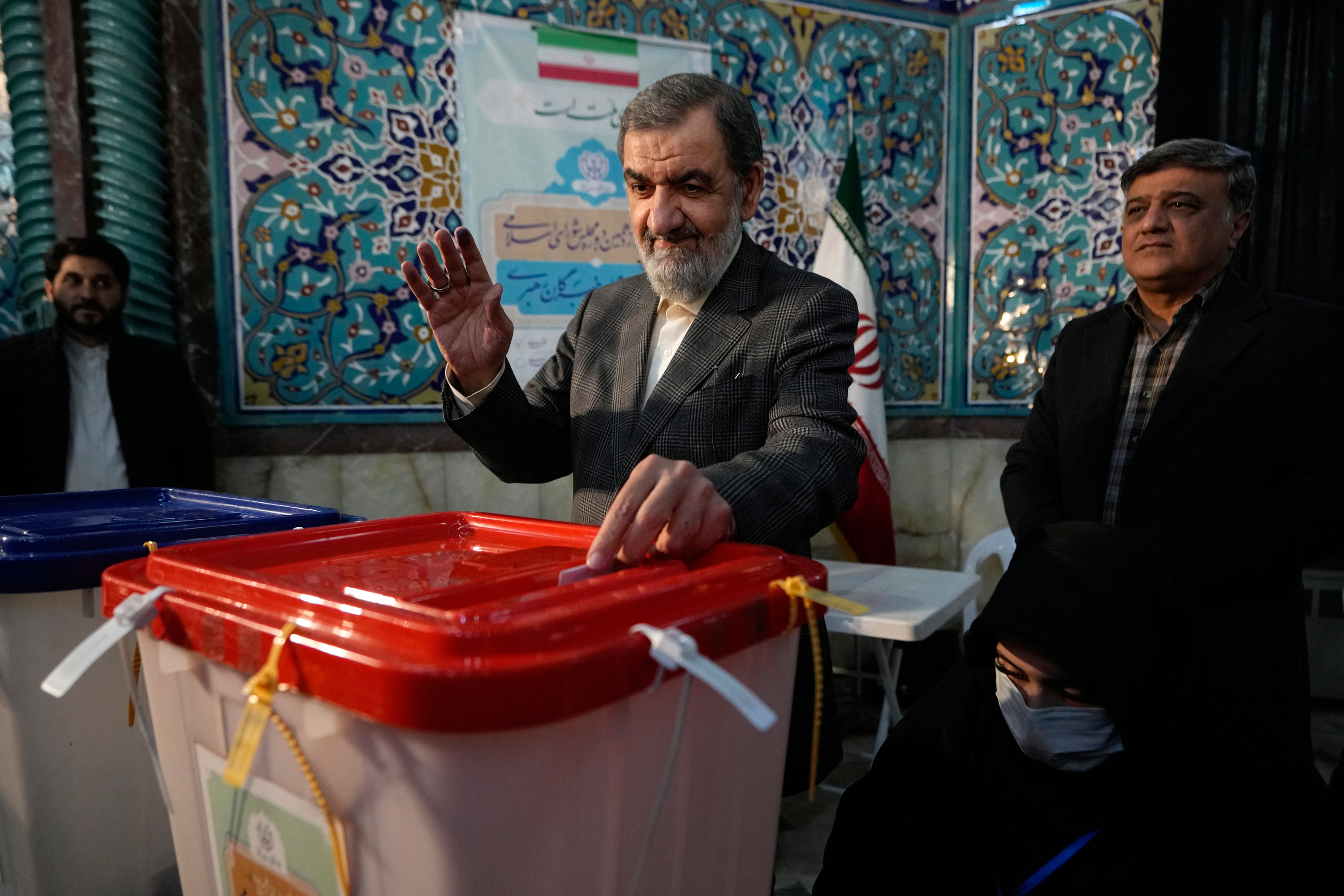
TEHRAN/CAIRO – A senior Iranian security official on Saturday warned neighboring countries and other states against joining the United States in its "economic pressure campaign" against Iran, saying Tehran would regard such countries as "enemies."
Mohsen Rezaei, secretary of Iran's Supreme National Security Council, said in an interview with state-run IRIB TV that Iran would first seek dialogue with countries involved and urge them not to participate in what he called the US "economic war" against Iran.
However, if those countries choose to continue, Iran would target their interests, Rezaei said, adding that Tehran would not allow oil exports through the Strait of Hormuz and the Persian Gulf if regional countries support the US "pressure campaign."
ALSO READ: President: Better to end conflict now as Iran in position of power
Rezaei also said the Strait of Hormuz would remain closed until the United States fulfills its commitments under a peace memorandum of understanding signed between Tehran and Washington in June.
His remarks came after US President Donald Trump announced on Wednesday "the most crushing economic operation ever taken" against any country providing a lifeline to Iran.
"This will be Economic Warfare and Isolation on an unprecedented scale," Trump posted on Truth Social.
Iran says received messages from neighbors on new security arrangements
Iran's Parliament Speaker Mohammad Baqer Qalibaf said on Saturday that Iran has received "numerous" messages from neighboring countries about "shaping new security arrangements and economic cooperation" in the region.
In a post on social media platform X, Qalibaf said the United States "put the security of every single one of its allies at such risk through bullying and pure disregard for their interests for the sake of Israel."
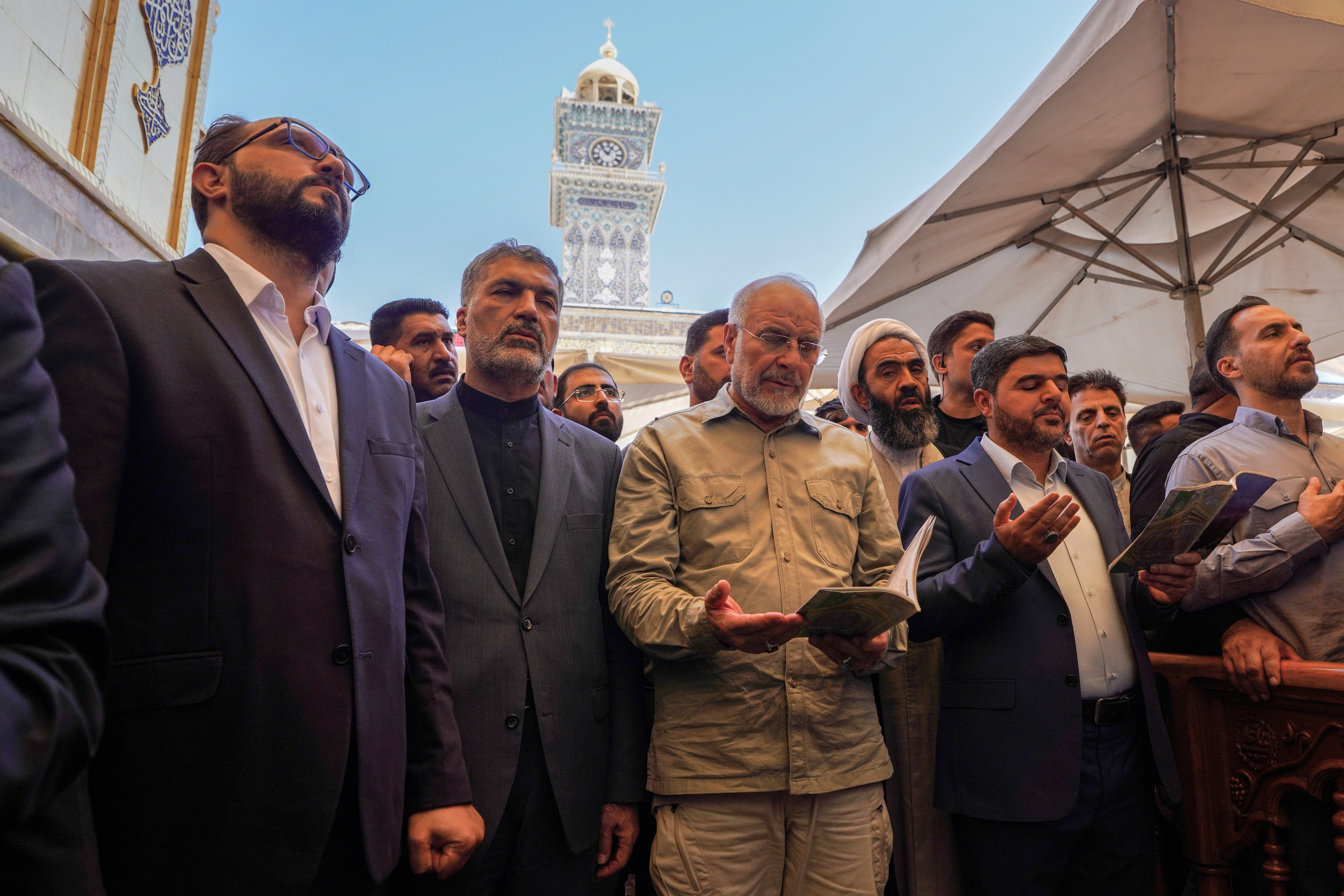
"A homegrown, independent (regional) order is what will actually deliver peace and security," he added.
The United States and Israel launched joint airstrikes on Iran on Feb 28. Tehran responded by launching missiles and drones toward Israel and US military bases in regional countries. Media reports, citing regional officials, said Gulf Arab countries were frustrated with Washington for initiating the war while failing to shield them.
Official: Iran's weapons production doubled in past 12 months
Iranian Defense Ministry spokesman Reza Talaei-Nik said Iran's weaponry and defense equipment production has doubled over the past 12 months.
In an interview with IRIB TV on Friday evening, Talaei-Nik said that since the beginning of the war in late February, the country's production of certain strategic military products and equipment had increased more than threefold.
ALSO READ: US-Iran pact expires with no breakthrough
The increase was achieved despite the fact that limited parts of Iran's defense industry sections were targeted during the 12-day war with Israel in June last year, said the official.
Becoming stronger is the only way to counter foreign powers seeking to attack Iran's independence, he said.
Iranian commander says pilots jailed in Qatar ‘severely wounded, ill’
Also on Saturday, an Iranian military commander said that Iran's three pilots believed to have been held captive by Qatar since March are "severely wounded and ill."
In a statement published on the committee's website, Commander of the Missing Persons Search Committee of the General Staff of Iran's Armed Forces Mohammad Bagherzadeh stressed that the pilots are being held offshore and called on the International Committee of the Red Cross to transfer them to Iran by air ambulance.
Bagherzadeh welcomed the Qatari government's move to accept a team of Iranian experts, calling on the Arab state to provide the necessary cooperation.
He said the offshore location for keeping the pilots is not appropriate and requested Qatar's government to transfer them to a well-equipped onshore hospital as soon as possible.
Bagherzadeh also pointed to the situation of four Iranian nationals, who were detained by Kuwait in May on the charge of having attempted to "infiltrate" Kuwaiti territory, noting that the Arab state has granted initial consent to let Iran's ambassador meet them.
On Aug 15, Bagherzadeh said Qatari forces had captured three Iranian pilots whose fighter jets were shot down when returning from a military mission against a US base in Qatar in March. The commander said a fourth pilot was killed. Qatari Foreign Ministry spokesperson Majed Al Ansari later denied the claim in a social media post.
The next day, Bagherzadeh called on the Qatari government to allow a fact-finding team from the Air Force of Iran's Army to visit Qatar.
On Monday, Iran's Foreign Ministry spokesman Esmaeil Baghaei said the country will use all its bilateral, multilateral and legal capacities to clarify the pilots' situation.
Egypt, Iran discuss peace efforts
Meanwhile, Egyptian Foreign Minister Badr Abdelatty and his Iranian counterpart Seyed Abbas Araghchi held a phone call on Saturday to discuss the latest regional developments and ongoing diplomatic efforts to de-escalate tensions.
The two ministers discussed efforts to create conditions for a return to diplomacy, including the implementation of a memorandum of understanding (MoU) signed between the United States and Iran on June 18, according to a statement from the Egyptian Foreign Ministry.
Abdelatty stressed the importance of intensifying ongoing diplomatic efforts to ease current escalations and reach peaceful understandings that would help restore security and stability in the region.
READ MORE: Trump expands economic warfare against Iran
He also underscored the importance of ensuring the freedom and safety of international navigation and respecting the security and stability of the Gulf states in a way that serves the interests of all peoples in the region.
Araghchi briefed Abdelatty on Iran's assessment of recent developments, the course of negotiations, and the challenges facing them, according to the statement.
Under the US-Iran MoU, the two sides were scheduled to hold negotiations within a period of 60 days, which ended on Monday, to reach a final agreement. Yet the talks' fate remains unclear following the renewed escalation over the Strait of Hormuz.
