

Preference for cold drinks sparks debate on worth of traditional hot, warm beverages
In China, drinking warm or hot water is a long-standing daily practice passed down through generations and believed to bring good health.
However, fueled by an online buzz and changes to drinking habits, Chinese consumers — in particular social media-savvy young ones — are now putting ice, and plenty of it, in their drinks.
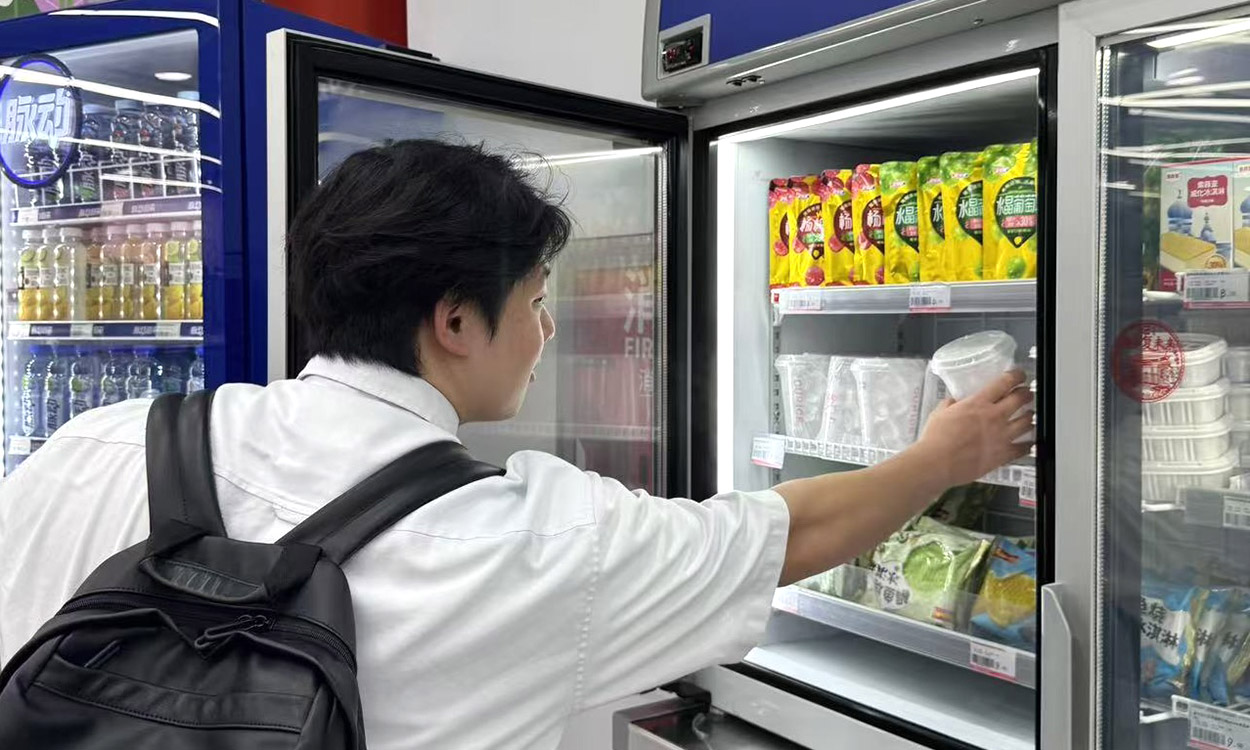
At convenience stores, cups of ice have become a popular seller. At tea and coffee shops, "full ice, no water" has become a popular way to order a drink. Young consumers have also turned cups of ice into a social media sensation, using them to create DIY drinks that have attracted huge online attention.
Gu Xiaoxiao, 36, a junior middle school teacher in Shanghai, is one of the ice drink devotees. For almost half the year, she has a cup of iced coffee at least once a day.
"I usually start in April or May and keep drinking iced coffee until September or October. Besides my daily quota, I also order iced drinks when dining out or meeting friends. Recently, I even arranged to queue with friends for a popular ice cup coffee that had gone viral online," said Gu.
According to a paper on China's urban consumer behavior in 2025, ice cup sales have grown by more than 300 percent for two consecutive years, with consumers in the first-tier cities of Beijing, Shanghai, and Guangdong province's Guangzhou and Shenzhen buying an average of 48 cups per person per year, reported ThePaper.cn.
Publicly available data shows that ice cups are gaining wider market penetration, expanding from plain to flavored varieties and ice cubes designed for cocktails. A search for "ice cups" on Xiaohongshu, or RedNote, returned more than 40,000 posts.
Zhang Yi, CEO and chief analyst at iiMedia Research, attributed the rising demand for ice cups to the past two summers being very hot and young people wanting to make their own drinks using ice cups.
"The cold chain improvement has led to a cost reduction in ice transportation. On social media, the 'full ice, no water' trend has also become a new way for people to socialize," said Zhang.
"Consumers are increasingly willing to pay for ice that is cleaner and comes in more distinctive shapes," he added.
Surging demand
Dong Yuanyuan, head of ice-cup procurement at Freshippo, a grocery and fresh goods retail chain, said: "Over the past two years, we have clearly seen ice cups grow into a sizable market."
"Some have predicted that edible ice could eventually outsell ice cream, while others have joked that edible ice is taking over the world," she said.
According to Dong, ice cups first emerged in Japan and South Korea, where iced drinks are popular year-round. In Japan, annual consumption has reached 2.57 billion cups, comparable to the volume of bottled water consumed.
Dong said when ice cups entered the Chinese market more than a decade ago, monthly sales were only a few dozen boxes. From 2024 to 2026, annual consumption in first-tier cities had reached 48 cups per person.
"Annual ice cup consumption is already more than twice the roughly 20 cups of coffee consumed per person. In addition, the market is growing by more than 300 percent a year, leaving ample room for further growth," she added.
Freshippo first introduced ice cups in 2021, along with bags of ice for consumers looking to have them available at home.
According to Freshippo data, demand for ice peaks earlier than sales of iced drinks during the year.
"Driven by strong demand for DIY drinks over the past two years, we have moved up the launch of our ice cups from early summer to early spring. As the camping season begins in spring, we usually see the first sales peak," said Dong.
"After the 2026 FIFA World Cup kicked off in June, sales of slow-melting ice cubes developed specifically for cocktails rose 220 percent week-on-week on average, making them one of the season's standout products in the drinks market," Dong added.
Tao Tao, an illustrator based in Beijing, traces her habit of using ice cups back to her time studying in South Korea several years ago. In South Korea, she noticed people often purchased brewed coffee and ice cups separately at supermarkets, making it easy to create an iced Americano.
She was delighted to find that in the past two years, ice cups have become readily available in Beijing supermarkets, making a cold drink easily accessible during the hot summer months.
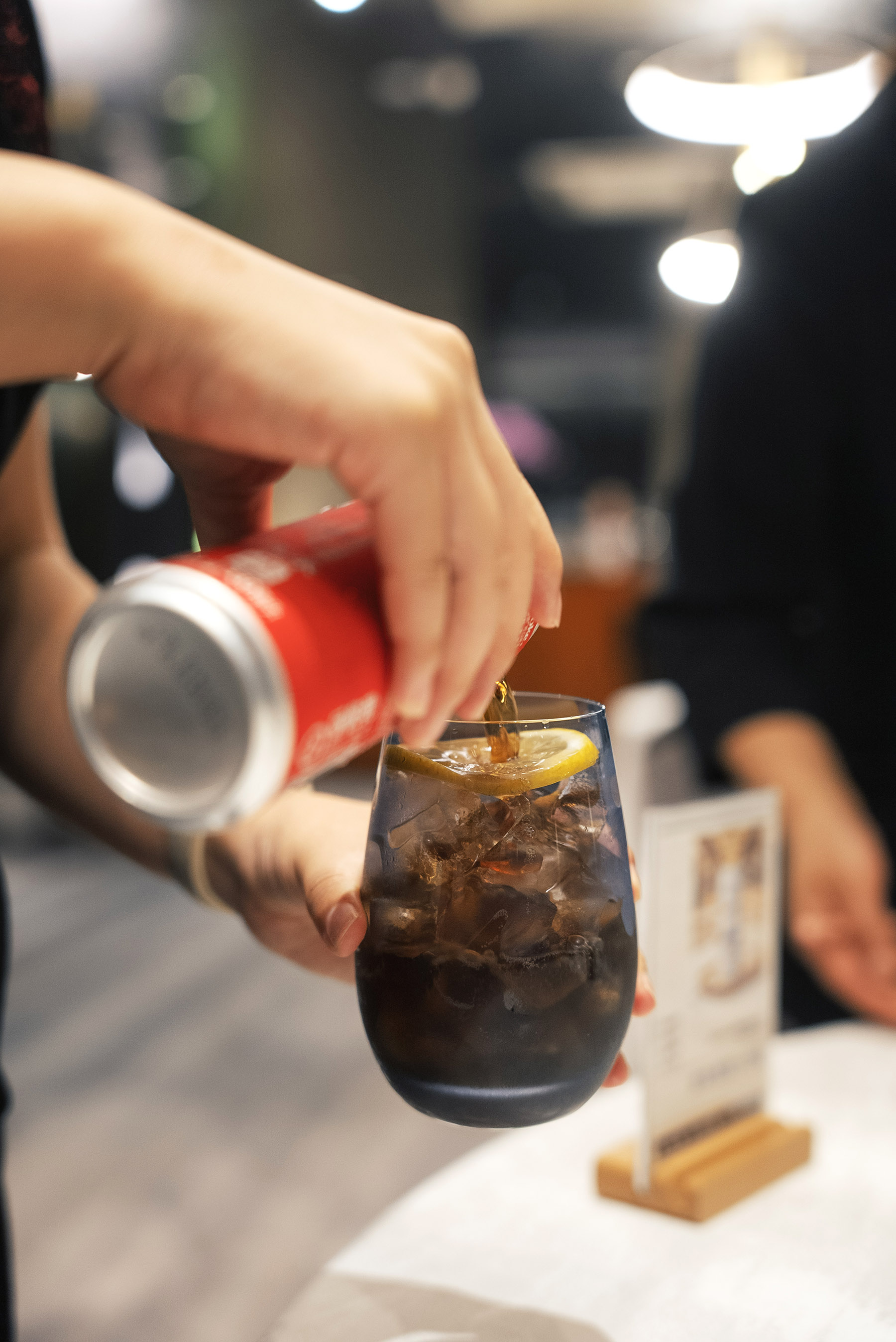
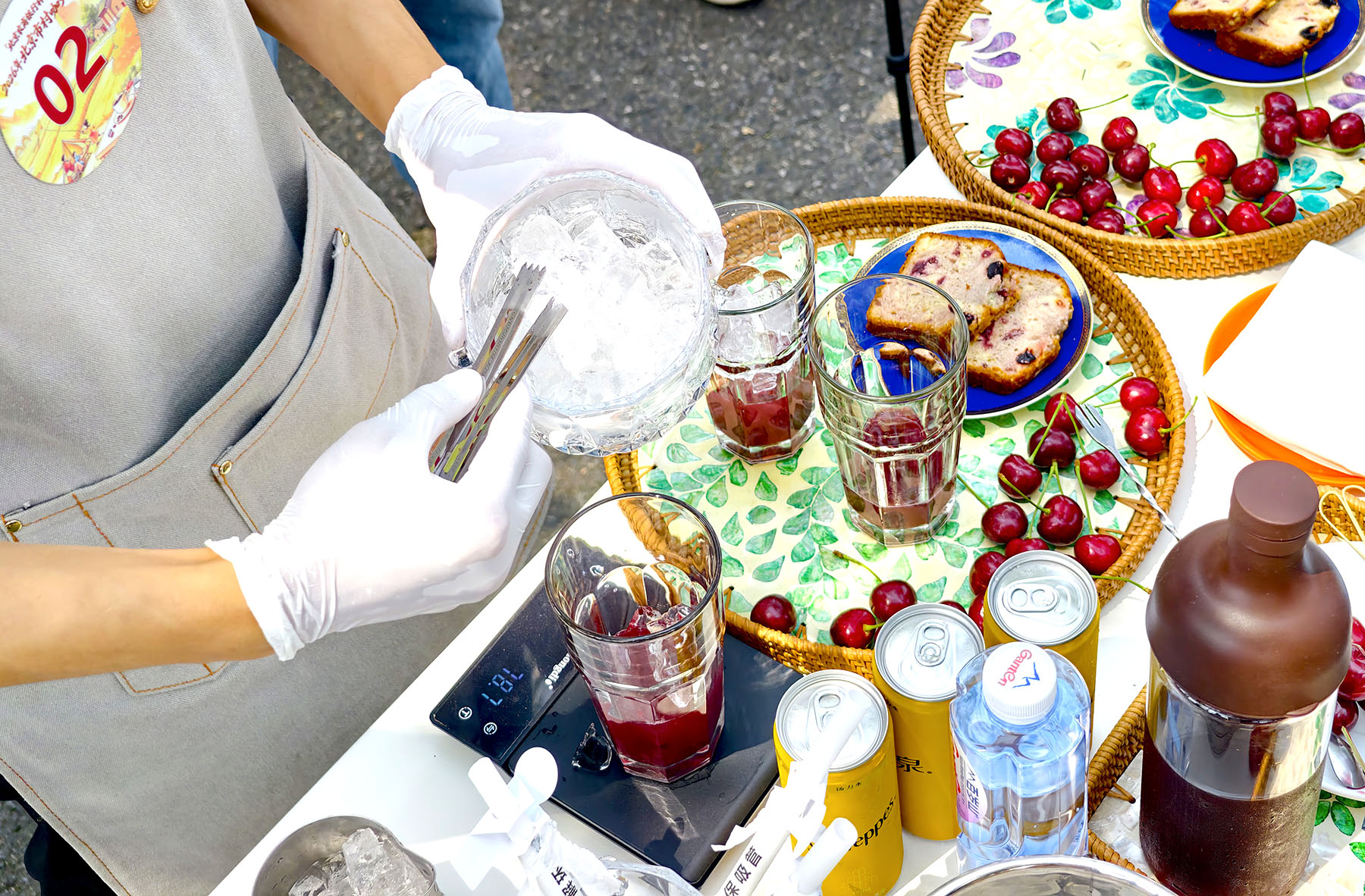
"The combination of ice cups with various beverages like coconut water, cold brew coffee, juice, or alcohol allows for simple and instant creative daily creation," she said.
Japanese convenience store chain Lawson said a steady growth has been seen in sales of ice cups and bagged ice over the past two years. Its ice cup sales rose more than 30 percent from May to July in both 2025 and 2026.
"Young consumers are increasingly pairing ice cups with coffee and other drinks, driving Lawson to introduce more creative products, including sparkling ice cups and rainbow-colored varieties, to meet their changing tastes," said the company.
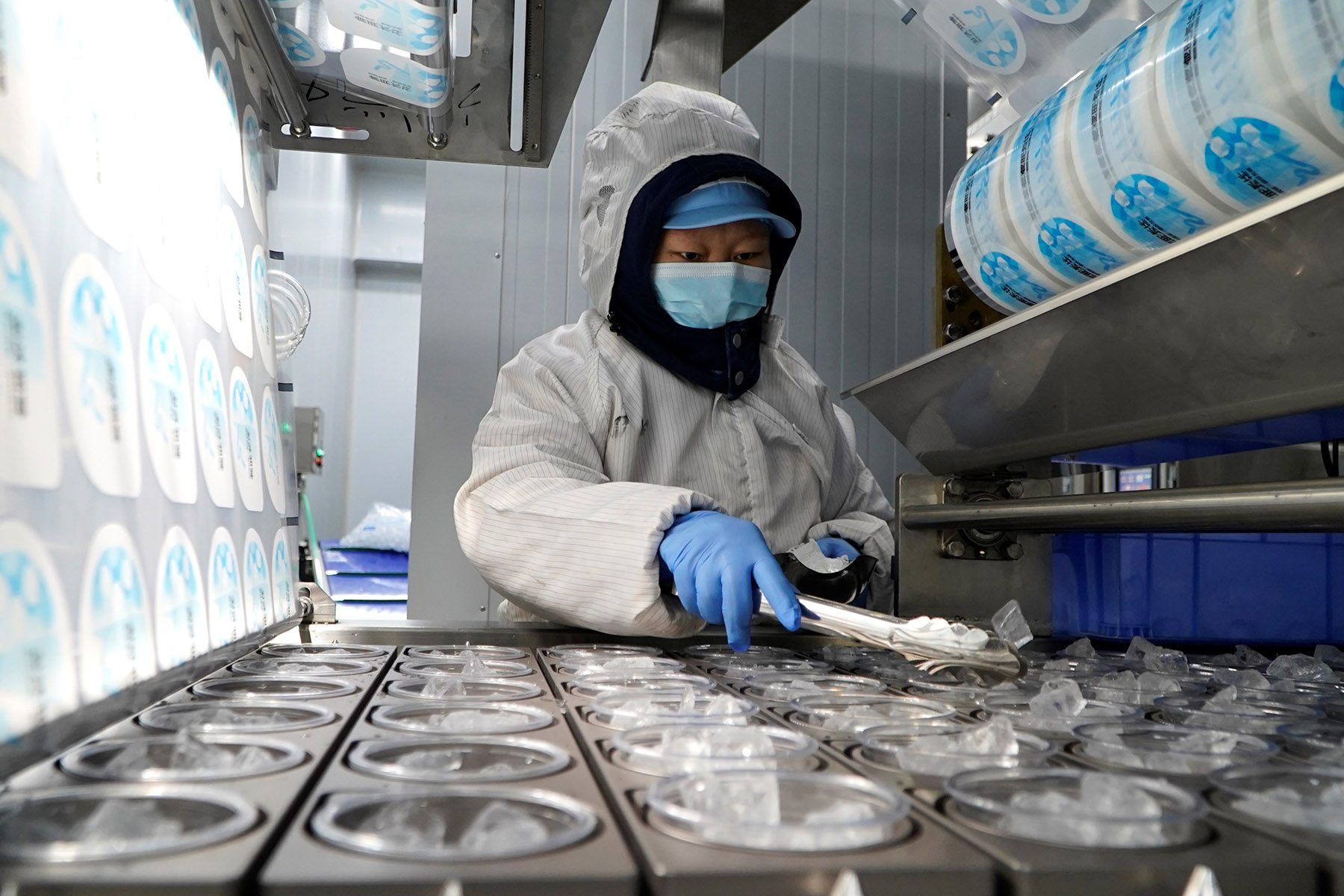
Zheng Wei, general manager of Ice Extreme (Beijing) Food Technology Ltd, a Beijing-based edible ice manufacturer, said Chinese official media has forecast that the iced drink market will reach 63.9 billion yuan ($9.48 billion) in 2026.
Zheng said the demand for iced drinks has become more consistent. In the past, most factories would shut down during the off-season. Now, they run one shift in the off-season and two during the peak summer season.
"Previously, market demand mainly came from businesses in the likes of convenience stores, but in recent years, innovative retail formats including instant retail have seen rapid growth," Zheng said.
"The market used to be dominated by basic products such as cups of ice and bagged ice. Now we offer products including specially-shaped ice, ice buckets and slow-melting cocktail ice, tailoring to diversified needs."
Heated discussion
The iced drink trend has also sparked a major cultural debate.
In traditional Chinese health practices, cold foods and drinks have long been treated with caution.
Traditional Chinese medicine posits that winter is characterized by an abundance of cold energy, which can easily harm the body's yang energy.
Consuming raw and cold foods can allow this cold energy to penetrate the body, leading to stagnation of qi and blood, and resulting in symptoms like stomach pain and menstrual cramps. Cold water is believed to harm the spleen and stomach, weakening yang and potentially causing digestive issues such as diarrhea or loss of appetite. In contrast, hot water is thought to disperse cold energy, promote the circulation of qi and blood, and warm and nourish the body.
Wang Bo, chief physician of the department of gastroenterology at Tongji Hospital affiliated to Tongji Medical College of Huazhong University of Science and Technology, told Life Times media outlet that moderate consumption of cold drinks can have some benefits.
"Cold drinks can help cool the body and relieve heat. They can also stimulate the many cold-sensitive receptors in the mouth and on the tongue, sending signals to the brain that produce a feeling of pleasure," Wang said.
From a traditional Chinese medicine perspective, however, cold drinks are best consumed between noon and 3 pm, when yang energy is believed to be at its strongest, and consuming ice during this period is considered less likely to cause harm from excessive cold.
Zhang Min, an acupuncture practitioner at Longhua Hospital affiliated to Shanghai University of Traditional Chinese Medicine, said in an article published in the Shanghai Observer that the debate over whether it's better to drink hot or cold water is not a simple one. "Modern nutrition and medicine increasingly emphasize individual differences, suggesting that what might be 'poison' for one person could be 'medicine' for another."
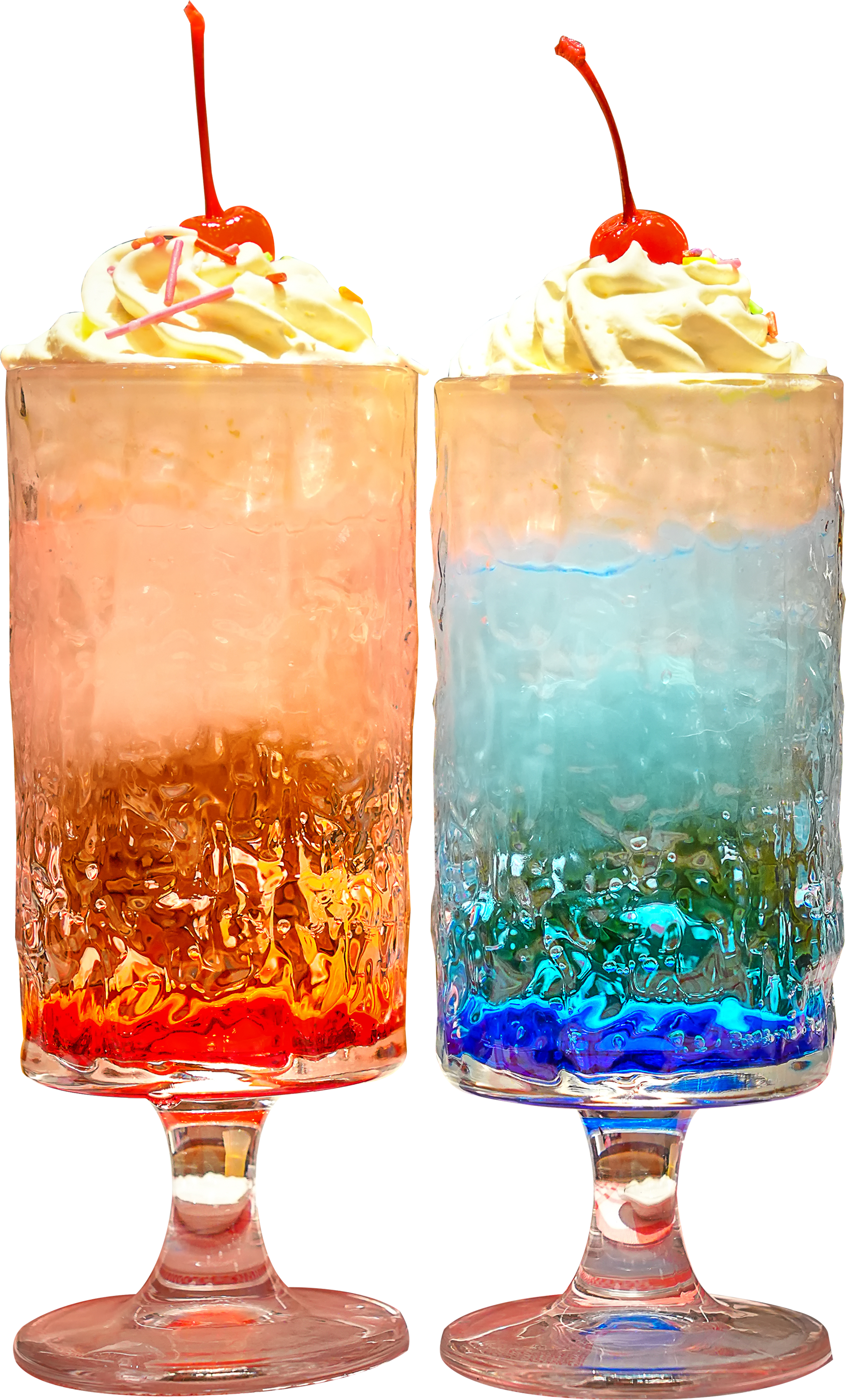
Zhang said this debate reflects two different health philosophies. The Eastern perspective tends to focus on nurturing and prevention, viewing the body as a delicate system that requires careful maintenance.
The Western perspective, however, leans toward training and adaptation, treating the body as a resilient system capable of handling challenges. "Moderate cold exposure, such as drinking cold water or taking cold baths, is believed to stimulate the circulatory system, boost metabolism, and enhance immunity, akin to a form of exercise for the body," Zhang wrote.
There was also a public health imperative for the promotion of drinking boiled water, according to a 2024 article published by the International Journal of Social Sciences and Public Administration.
Following a cholera outbreak in China in 1932, chaotic water usage was identified by a prominent medical figure as the primary cause for its spread. Due to the absence of a running water system, residents upstream often disposed of their household waste into rivers, exposing those downstream to infection risks.
Following medical recommendations, Shanghai established numerous affordable boiled water shops which resulted in reducing the patient mortality rate from 30 percent to 7.4 percent. This initiative instilled a nationwide habit of consuming boiled water, the article said.
In order to address the issue of widespread parasite infestation during that period, an initiative to promote boiled water was once again prioritized. Previous efforts were limited to major cities like Shanghai and Guangzhou.
Boiling water facilities were made mandatory in all factories, military camps, and farms, the article said. Restrictions were imposed on daily drinking water and most domestic sources, thereby necessitating reliance on these designated boiling water rooms. A portable thermos flask emerged as an iconic symbol of that era, with people gradually adapting to queuing up at specific times for a serving of hot boiled water.
Today, people such as Gu, the school teacher, take a balanced approach to hot versus cold drinks.
"In winter, I drink a lot of tea and usually brew it with hot water. But when the weather gets hot, I find hot tea harder to drink. I either have bottled water or coffee and milk tea with ice," said Gu.
Contact the writers at wang_ying@chinadaily.com.cn
