

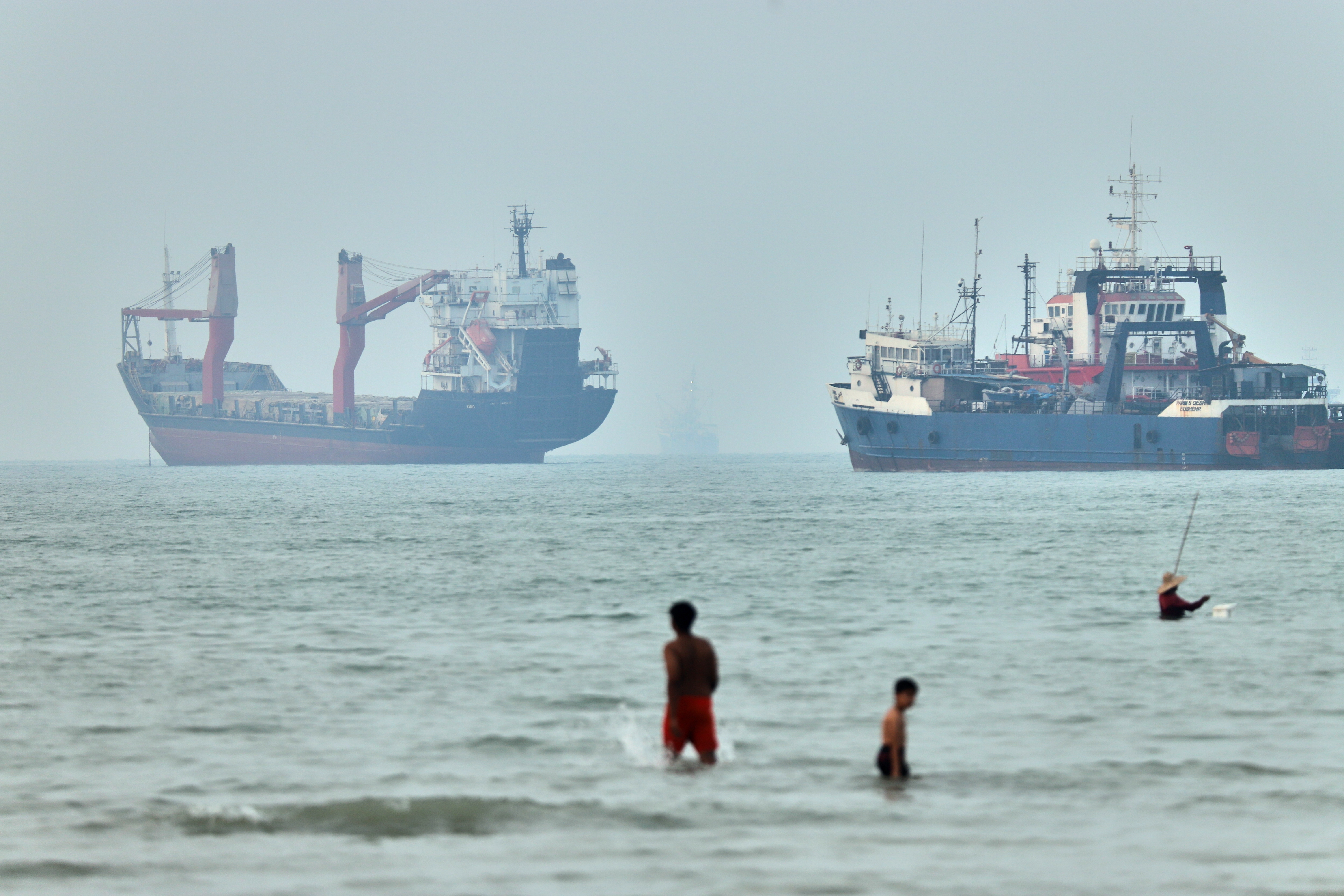
TEHRAN/WASHINGTON – Iran and Oman are close to finalizing an agreement on new arrangements for commercial shipping through the Strait of Hormuz, under which the temporary northern and southern routes will be replaced by a new single route passing through Iran's territorial waters for two to four months, said a senior Iranian diplomat.
In an interview with the official news agency IRNA published Wednesday, Iranian Deputy Foreign Minister for Legal and International Affairs Kazem Gharibabadi said the two sides had reached in-principle agreement on almost all relevant issues, including the entry and exit route map, following more than three weeks of consultations.
He said the potential agreement did not mean that the strait would be reopened completely.
ALSO READ: Deal to reopen Strait of Hormuz appears possible amid progress in talks
Gharibabadi rejected US claims of negotiations with Iran, saying Tehran had received messages from Washington expressing readiness to return to commitments under the peace memorandum of understanding (MoU) signed between the two sides in June.
An informed source close to the Iranian negotiating team told semi-official Fars news agency that the reopening of the strait hinges on tangible US implementation of its commitments, adding that the US Treasury Department's removal of sanctions on an Iraqi airline on Wednesday was unrelated to the Iran-US MoU.
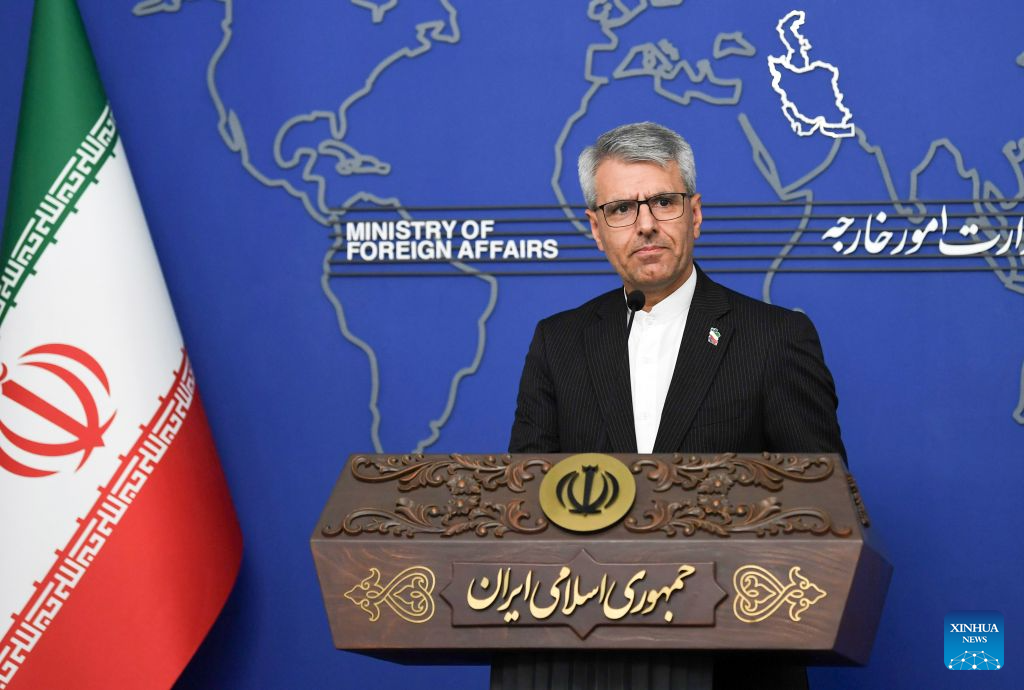
Also on Wednesday, Iranian Foreign Ministry spokesperson Esmaeil Baghaei said that Iran and Oman have reached an understanding on the geographical coordinates of the proposed route, and are finalizing a joint statement outlining key agreed-upon points, provided that "certain third parties" do not hinder the process, according to a ministry press release.
Both countries have been holding consultations over the past two months on the proposed route, with Iranian authorities reviewing the technical, legal, security, and environmental dimensions, he said.
Baghaei said the strait was closed due to US and Israeli "military aggression" against Iran and the resulting security consequences for the region.
ALSO READ: Trump confirms resumption of talks with Iran, Hormuz deal nears
The bilateral understanding between Iran and Oman, by itself, does not mean that the strait has become safe for transiting vessels, as the US maritime blockade and other "aggressive and threatening" actions against Iran and its interests continue, he said.
Baghaei also told reporters that there are currently no plans for visits by Iranian Foreign Minister Seyed Abbas Araghchi or Iranian Parliament Speaker Mohammad Bagher Ghalibaf to Pakistan or Qatar this weekend, adding that Pakistan and Qatar continue efforts to ease regional tensions and that Iran remains in contact and exchanges views with them.
Separately, Araghchi briefed his Italian counterpart Antonio Tajani on the latest diplomatic developments between Iran and Oman during a phone call on Wednesday, according to IRNA.
Both ministers stressed the importance of continuing political and diplomatic consultations and regional cooperation to help reduce tensions, IRNA reported.
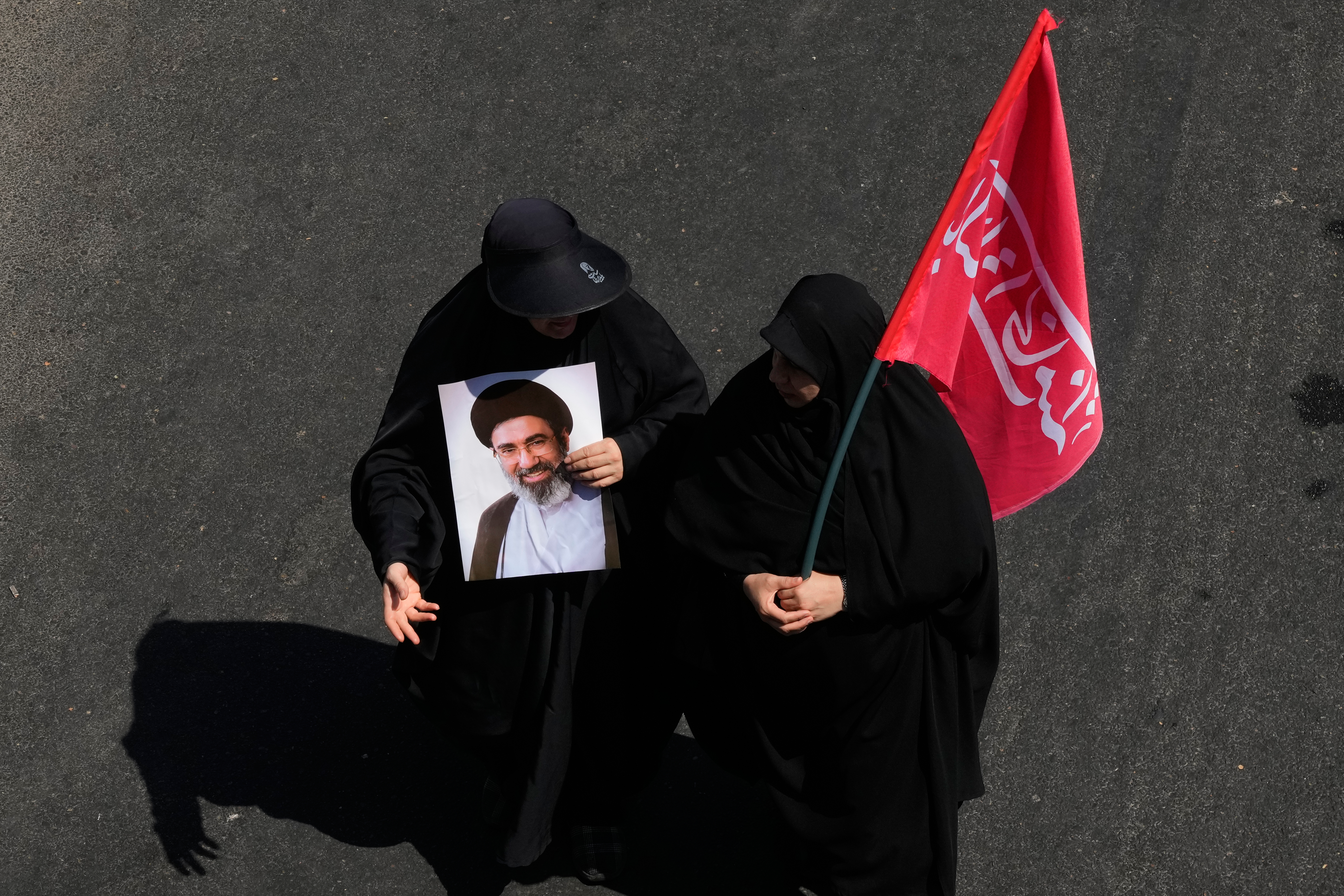
Iran tightened its control over the Strait of Hormuz on Feb 28, barring safe passage of vessels belonging to or affiliated with Israel and the United States, following their joint strikes on Iranian territory.
The US military launched multiple waves of strikes against Iranian targets last month, saying they were in response to Iranian attacks on vessels in the strait and aimed at "degrading Iran's ability to threaten commercial shipping."
Iran responded with missile and drone attacks targeting US military bases and facilities in the region.
Pezeshkian: Communication with Supreme Leader Mojtaba ‘very difficult at moment’
Meanwhile, Iranian President Masoud Pezeshkian said Wednesday communication with Iran's Supreme Leader Mojtaba Khamenei is very "difficult at the moment," but his presence is a "great strength" for the country to continue its path.
The United States and Israel killed Iran's former Supreme Leader Ali Khamenei on Feb 28 out of "desperation," expecting Iran to collapse after the "brutal" action, Pezeshkian said in an interview published on the website of his office.
"However, the country continued, and our (new) beloved leader was selected," he said. "Our new dear leader's presence is a very great strength for us to be able to continue this path, although communication with him is very difficult at the moment."
He said Iran is facing its "most difficult" circumstances, citing intensified banking sanctions, curbs on foreign transactions, a naval blockade, and an ongoing war.
Mojtaba Khamenei, son of Ali Khamenei, was selected as Iran's new supreme leader by the country's Assembly of Experts in early March.
Trump defends US weapons stockpile after report of shortages
In Washington, US President Donald Trump said on Thursday that the United States has "massive" amounts of munitions, especially of certain types.
Trump's comments came one day after a CNN report on US weapons shortages following intensive military campaign against Iran.
In a post on Truth Social, Trump said that "large amounts are being manufactured and shipped to the US as needed. Defense companies are building the largest number of plants and factories in our country's history."
On Tuesday, CNN, citing two sources familiar with the latest inventory report, disclosed that the US military has burned through nearly four-fifths of its THAAD missile inventory compared to pre-war numbers and roughly half of its Patriot interceptors since the start of the Iran war.
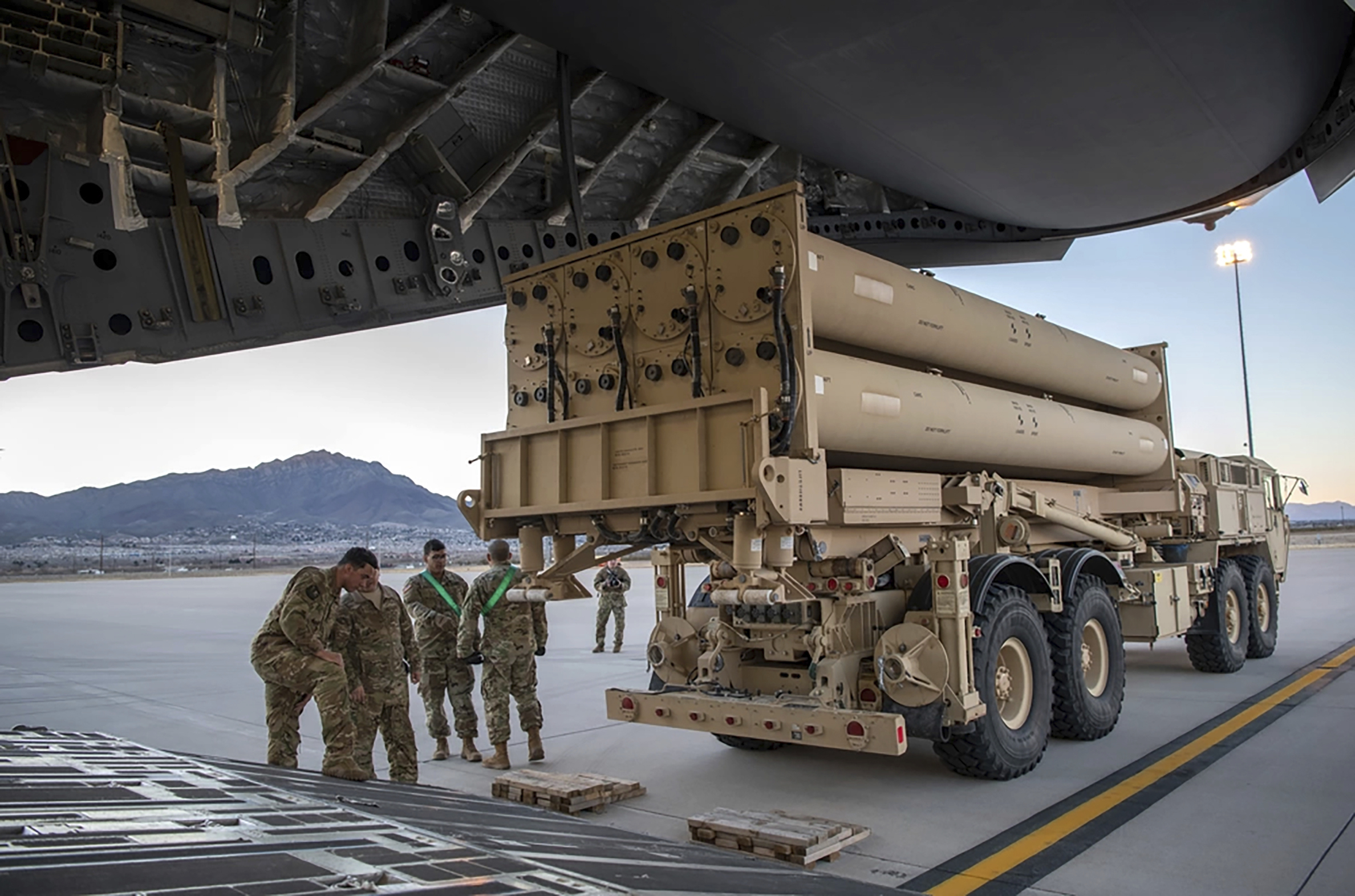
The inventory report also noted that the stockpile issue was raised again prior to Trump's decision last weekend to cancel new strikes on Iran, said CNN.
The US Army has also used "virtually all" of its highly accurate long-range, surface-to-air weapons during the conflict, the news report said.
According to a report by the Washington Post on Wednesday, Trump at the presidential retreat Camp David last week vented anger at US Secretary of Defense Pete Hegseth that he thought the munitions issue "had been fixed."
Trump demanded answers from Hegseth on why he had apparently been misled on extreme munitions shortages that threaten to limit military options with Iran, the newspaper said.
"The 'leakers' of these treasonous statements are being hunted down. Long term jail sentences will be sought," Trump warned in his Thursday Truth Social post.
