

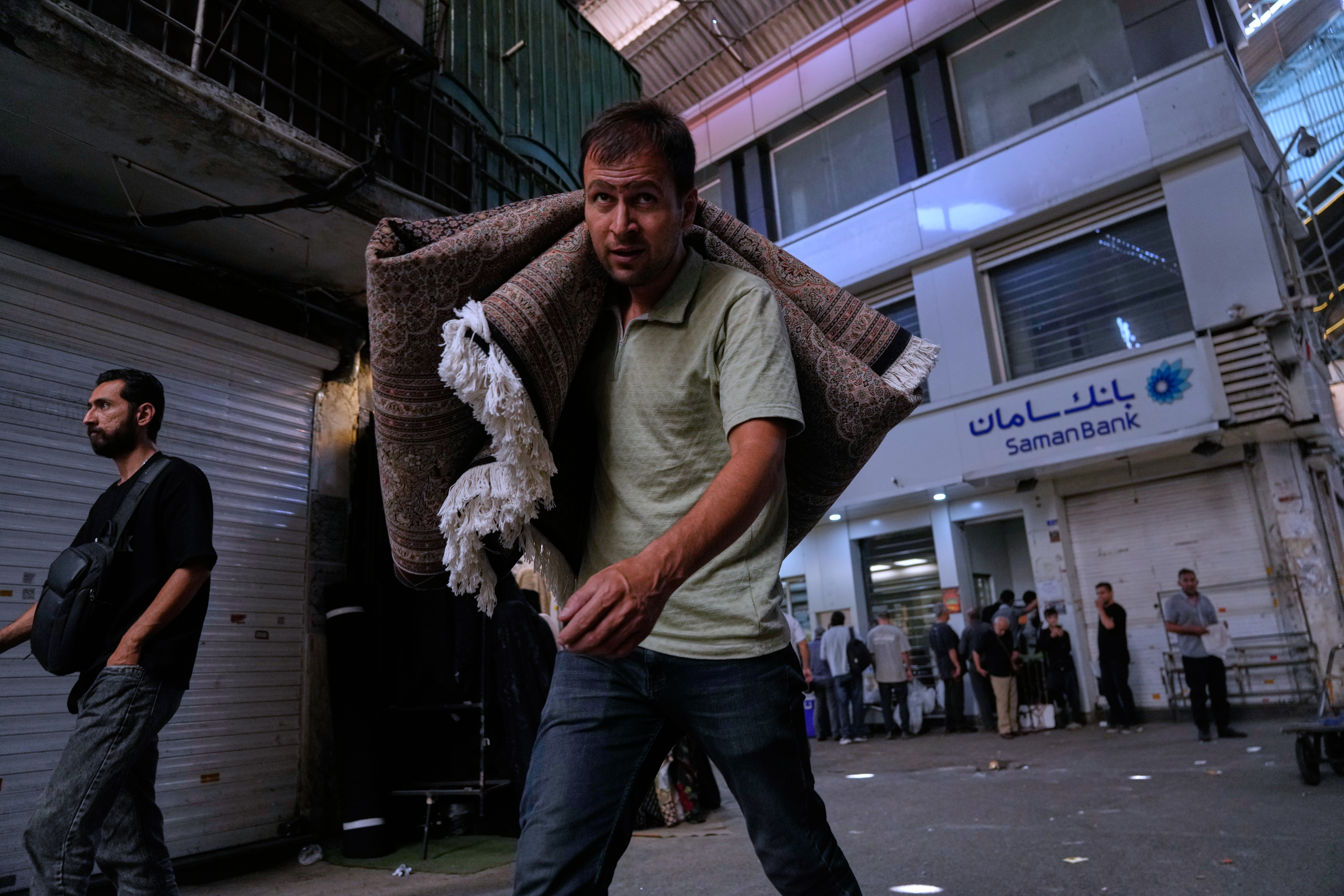
WASHINGTON/JERUSALEM/TEHRAN/UNITED NATIONS – Iran launched renewed attacks on US Gulf allies on Saturday after the US CENTCOM concluded a new round of strikes on Iran overnight.
Iran's semi-official Mehr news agency said that explosions were reported in Bushehr province as well as Hormozgan province's Sirik and Qeshm counties, and the official IRNA news agency said five blasts were heard in Iran's central Yazd province.
Late on Friday, the US CENTCOM said in a post on social media platform X that US forces ended the seventh consecutive night of strikes against Iran, hitting surveillance sites, military logistics infrastructure, underground weapons storage, and maritime capabilities.
"More than 50,000 American service members are operating across the Middle East and remain vigilant, lethal, and ready," said the statement.
According to Iran's state media, three people were killed and eight others injured in the latest US strikes.
In return, Iran's Islamic Revolutionary Guard Corps said Saturday that it targeted the US naval fuel support pier at Al Ahmadi Port in Kuwait, as well as the US combat aircraft site at Sheikh Isa Air Base in Bahrain.
Jordan's air defense systems downed Iranian missiles, Bahrain intercepted several Iranian aerial attacks, and Kuwait said a fire broke out at a power and water desalination plant after an Iranian attack, according to local media reports on Saturday.
The Guard also said that countries hosting US forces should expect "corresponding responses" if their territory is used for attacks on Iran, according to Iran's semi-official Tasnim news agency.
Iranian Foreign Ministry spokesman Esmail Baghaei wrote on X late on Friday that the Iranian people "are now more determined and united than ever," and fully resolved to make their enemies "bitterly regret this criminal aggression."
Mohsen Rezaei, military adviser to Iran's Supreme Leader Mojtaba Khamenei, warned on Friday that if the United States continues the war against Iran for another two to three days, the country will enter an "offensive and destructive" phase.
He said in an interview with state-run IRIB TV that the policy of "both war and negotiation" has ended, adding that if US attacks continue, Iran's armed forces will no longer limit themselves to retaliatory strikes, and US bases and forces will no longer be safe within any political borders.
Rezaei said Iran has so far exercised restraint to prevent the war from expanding into a broader regional and international crisis, accusing the US of miscalculating by turning the war into a regional one.
He warned that Iran could deploy additional military capabilities, including ground forces, and the war's scope will expand.
Report: US to send military refueling planes to Israel
The US administration has informed Israel that it will send dozens of military refueling aircraft to Israel in the coming days in preparation for a possible expansion of the fighting against Iran, Israel's Channel 12 News reported on Friday.
Citing senior US and Israeli officials, the channel said that US President Donald Trump may order an offensive in Iran significantly larger than the ongoing strikes around the Strait of Hormuz.
According to the report, Trump is ready to escalate the fighting in the coming days to inflict sufficient damage to force Iran to reopen the strait and accept US nuclear demands.
Israel's state-owned Kan TV News reported that the security systems in Israel and the US are conducting a dialogue over the escalation in Iran.
ALSO READ: US, Iran ramp up regional threats as tensions deepen
According to Kan's sources, recent US strikes, which have already reached the Tehran area, could prompt a change in Washington's approach, which has so far kept Israel away from intervening in the fighting.
Both channels noted that the planned refueling aircraft deployment is expected to worsen the operational parking shortage at Ben Gurion International Airport, disrupting civilian flights.
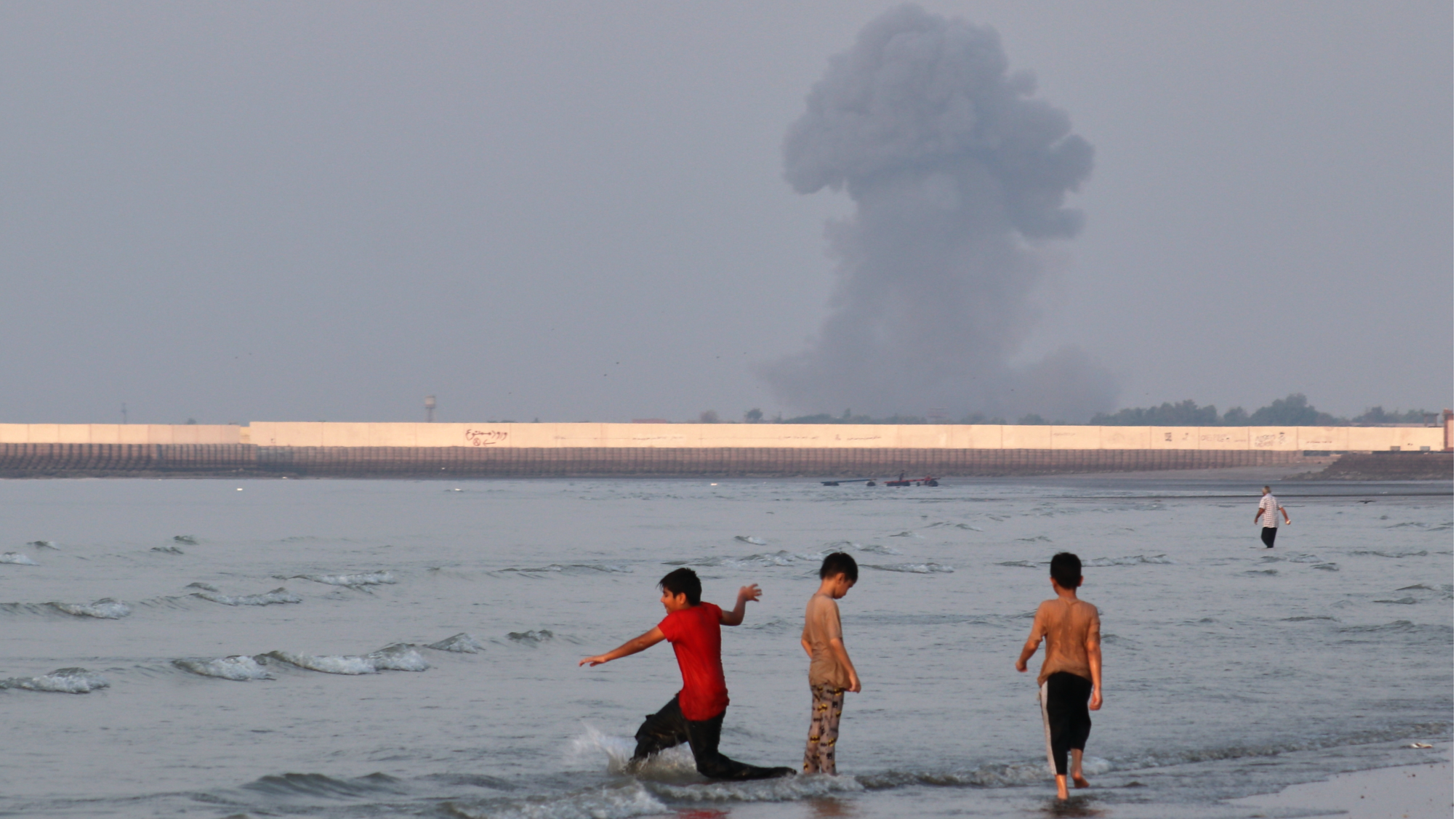
Guterres concerned by continuing escalation
UN Secretary-General Antonio Guterres remains deeply concerned by the continuing military escalation between Iran and the US, his deputy spokesman said Friday.
Guterres is particularly concerned about attacks on civilian infrastructure in Iran and across the region, his deputy spokesman Farhan Haq said, adding that the UN chief stressed that "such attacks are unacceptable."
Guterres reiterated his firm conviction that there is no military solution to this conflict, and called for stepped-up diplomatic efforts toward a peaceful and durable settlement. Such a settlement should include the full restoration of international navigational rights and freedoms in and around the Strait of Hormuz, Haq said.
