

RIYADH/TEHRAN - Pakistan will host the next round of negotiations between the United States and Iran on July 11, Al Arabiya news channel reported on Saturday.
Citing unnamed sources, the report said the upcoming round will focus on US sanctions on Iran, Iranian frozen assets, and the Iranian nuclear file.
It added that the level of representation of the Iranian delegation will be decided after the funeral of late Iranian Supreme Leader Ayatollah Ali Khamenei.
On June 18, Iran and the United States signed a memorandum of understanding on ending the war in the region on all fronts, including Lebanon.
ALSO READ: Trump: Iran to buy food from US, negotiations progressing
On June 22, technical negotiations between Iran and the United States were held in Switzerland following high-level consultations between Iranian and US delegations the previous day with the mediation of Pakistan and Qatar.
On Wednesday, Qatari Foreign Ministry spokesperson Majed Al-Ansari confirmed that Qatari and Pakistani mediators had concluded separate meetings with US and Iranian negotiators, making positive progress on issues related to the MoU.
He said the parties agreed to continue discussions in the coming period, with the next meeting to be scheduled at the earliest possible time.
Iran warns Hormuz Strait not ‘theater’ for transregional powers
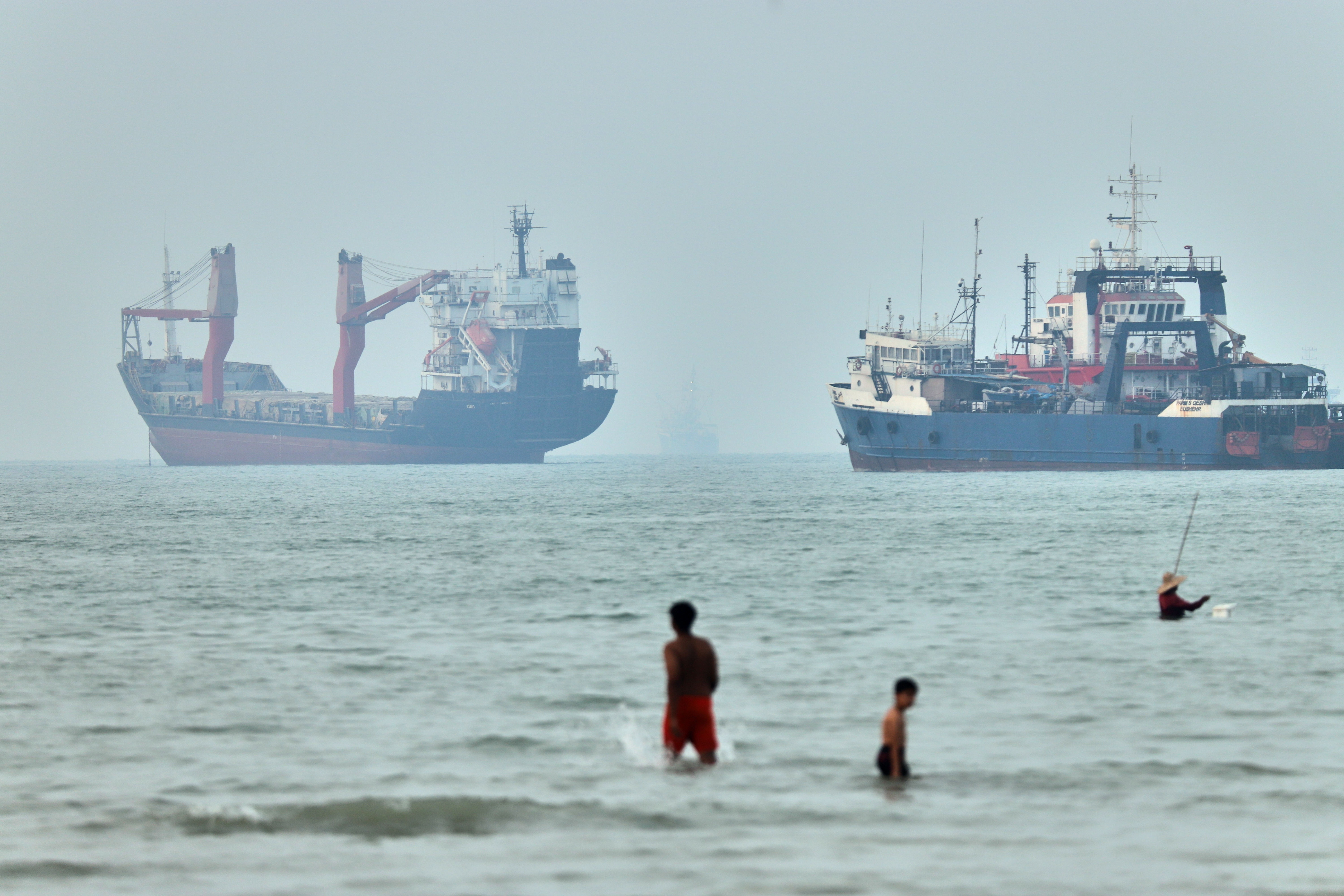
Also on Saturday, Iran's Deputy Foreign Minister for Legal and International Affairs Kazem Gharibabadi warned that the Strait of Hormuz is not a "theater" for transregional powers' military display.
"Iran, as the responsible authority and guarantor of security in the strait, warns against any military movement in the sensitive waterway," Gharibabadi wrote on social media platform X.
The strait's security is the sole responsibility of Iran and Oman, the senior Iranian diplomat said, dismissing a joint statement on Friday by outgoing British Prime Minister Keir Starmer and French President Emmanuel Macron.
In their statement, Starmer and Macron described the waterway as a "vital artery" for the global economy, adding, "Restoring safe transit for ships of all nations through the strait is a matter of global concern."
They said Oman has agreed to work with Britain and France to ensure "its sovereign territorial waters are safe for navigation", stressing that Britain and France "also stand ready to deploy the wider Multinational Military Mission to support freedom of navigation" in the strait.
Iran's semi-official Fars news agency, citing the latest maritime tracking data, reported Saturday that eight vessels seeking to cross the waterway along the coast of Oman were turned back.
ALSO READ: Qatar says progress made in indirect US-Iran talks in Doha
Bloomberg reported the same day that some of the vessels "had made it as far as the tip of the Musandam Peninsula that sticks out into the chokepoint, before making sharp reversals".
"One crude tanker, two products tankers, and one bulk carrier then sailed northward to take an outbound route" as directed by Iran, it reported.
Iran has tightened its grip on the strait since Feb 28, when it barred safe passage of vessels belonging to or affiliated with Israel and the United States following their joint strikes on Iranian territory.
Two-day farewell ceremony of Iran's late supreme leader begins
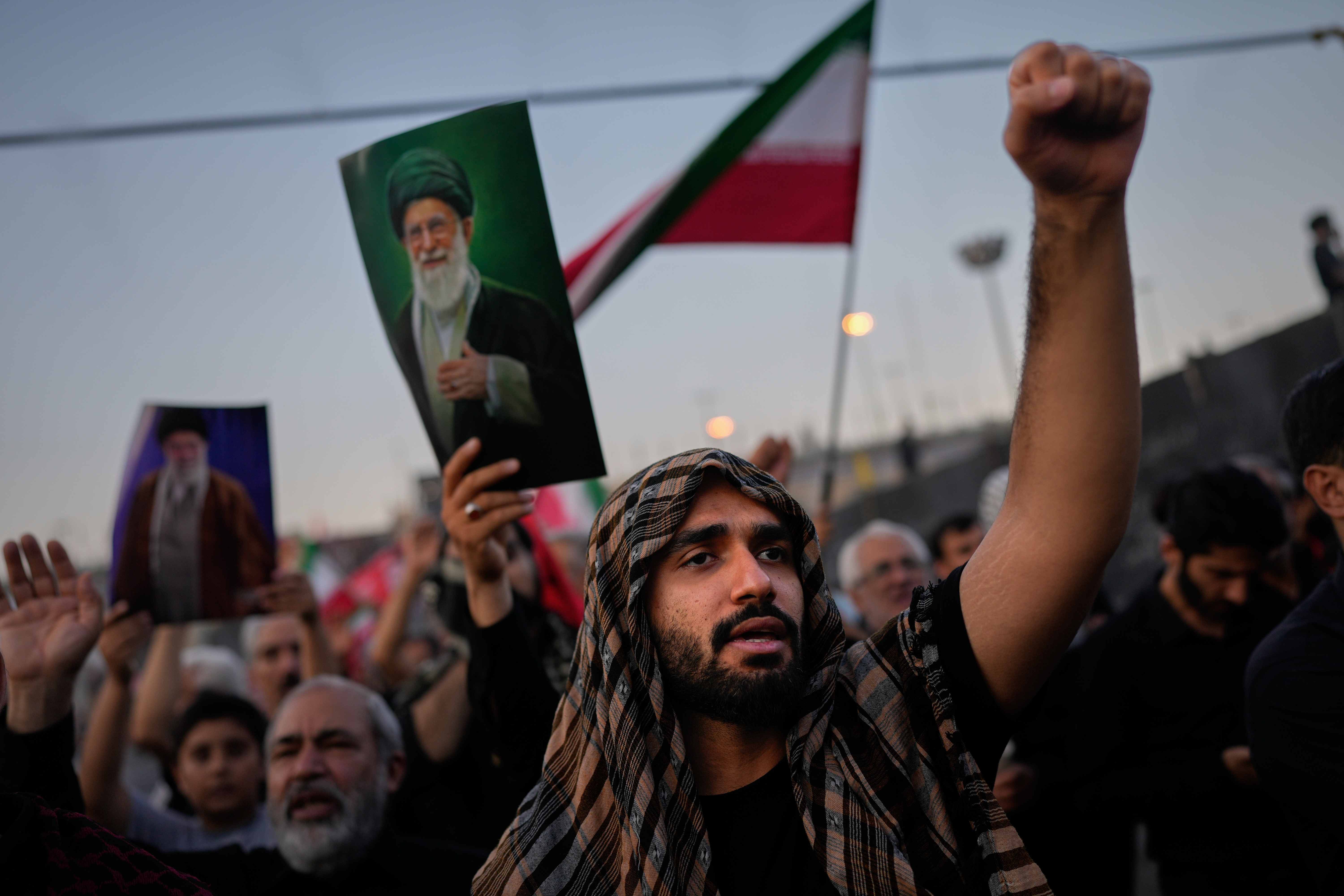
Meanwhile, a two-day farewell ceremony of Ali Khamenei began in Tehran at Imam Khomeini's Mosalla prayer hall on Saturday morning, drawing huge crowds from across the country.
The late leader's body and those of his four family members, killed alongside him in a US-Israeli strike in late February, have been placed on a raised platform.
Mourners from different walks of life have been holding pictures of the late leader and Iranian flags, and chanting slogans against the United States and Israel.
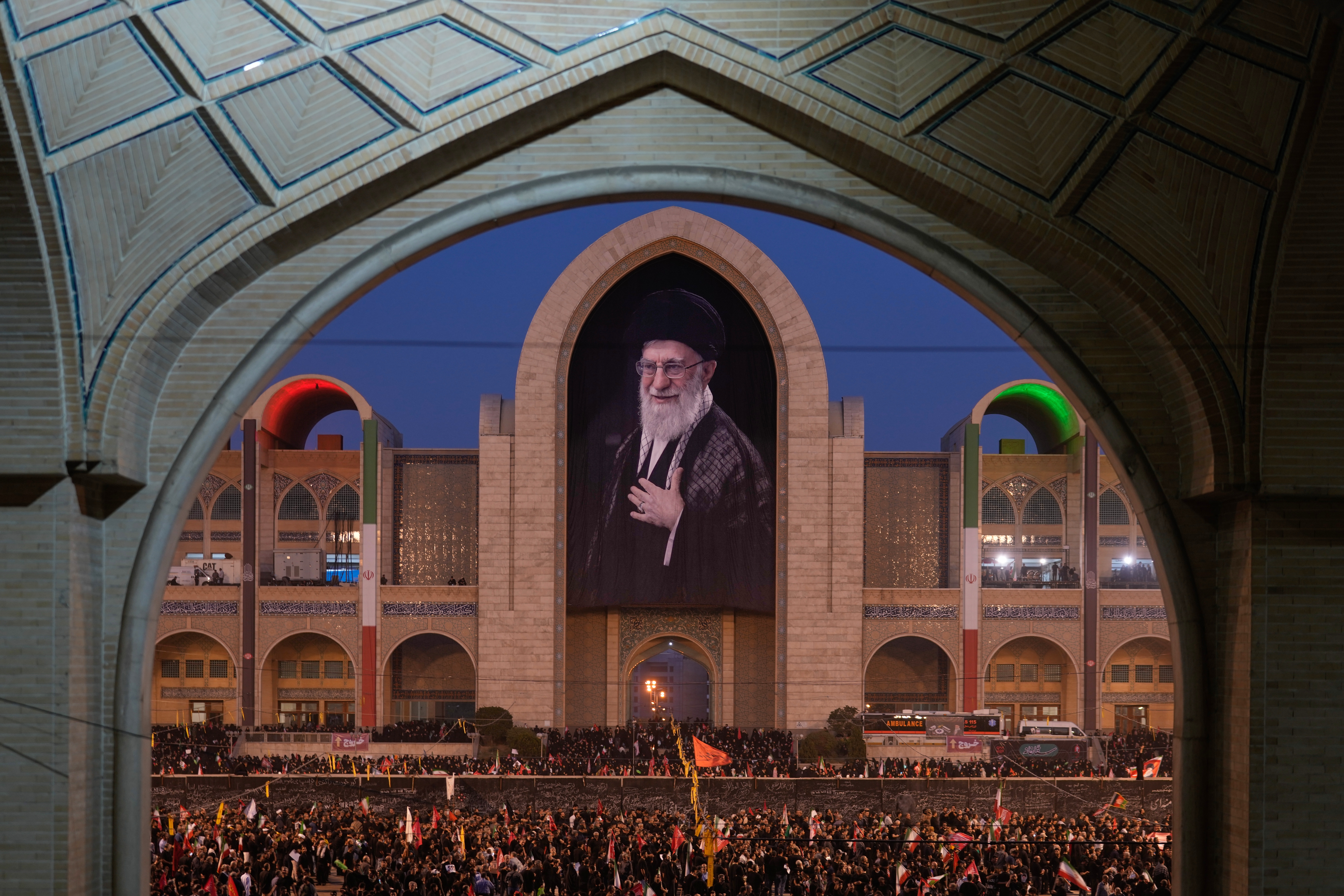
Iranian authorities have imposed strict traffic restrictions in Tehran, especially around Mosalla, while arranging extensive support services to accommodate the mourners.
The two-day event comes after a ceremony in Tehran on Friday, where high-ranking Iranian and foreign officials paid their respects to the late leader.
The event will be followed by a funeral procession on Monday in Tehran, which is expected to draw large crowds from Iran and other regional states.
READ MORE: Senior Iranian, foreign officials pay tribute to Iran's late supreme leader
On Tuesday, there will be a ceremony in Iran's central city of Qom, and on Wednesday, the leader's body will be transferred to Iraq for further rites in the Iraqi cities of Najaf and Karbala.
He will be laid to rest in the northeastern Iranian city of Mashhad on Thursday, which the government has declared a day of national mourning.
Ali Khamenei's son, Mojtaba Khamenei, was selected as Iran's new supreme leader in March.
