

Youth must play active role in nation’s growth but recall lessons of history, says guerrilla veteran
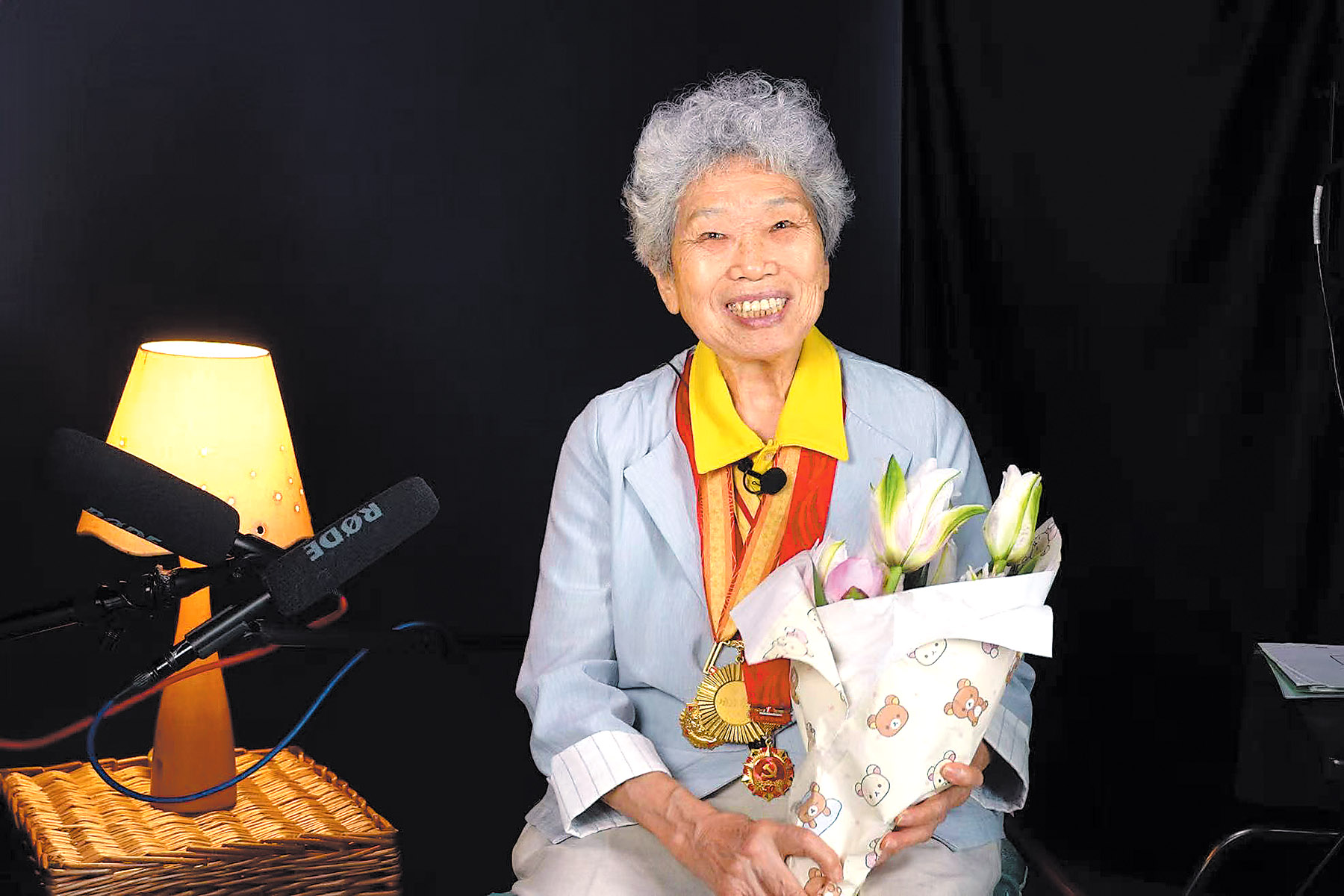
‘Even today, it’s a scene that’s still too distressing for me to recall. I don’t feel like talking about it, but it’s something I just can’t forget,” said Lam Chun, president of the Society of the Veterans of the Original Hong Kong Independent Battalion of the Dongjiang Column.
Yet, Lam, now 91 — one of Hong Kong’s last surviving guerrilla veterans who, from 1943 to 1945, fought alongside guerrillas led by the Communist Party of China in the battle to liberate the city from Japanese occupation — has long let her deeds do the talking.
Ahead of July 1, which marked the 105th anniversary of the CPC’s founding, as well as the 29th year of Hong Kong’s return to the motherland, Lam talked to China Daily about the wartime experiences that have largely defined her life and her generation.
Why keep reviving an 85-year-old wound? “Young people today need to truly understand that victory and peace were not easily won. The stability, prosperity and happiness we now enjoy came at the cost of the blood and sacrifices of our forebearers,” she said, referring to the day in May 1943, more than a year after Japanese forces seized control of Hong Kong in December 1941.
That day, Japanese soldiers stormed her family’s home in Kowloon City and ransacked it, alleging that Lam’s older sister had stolen military currency.
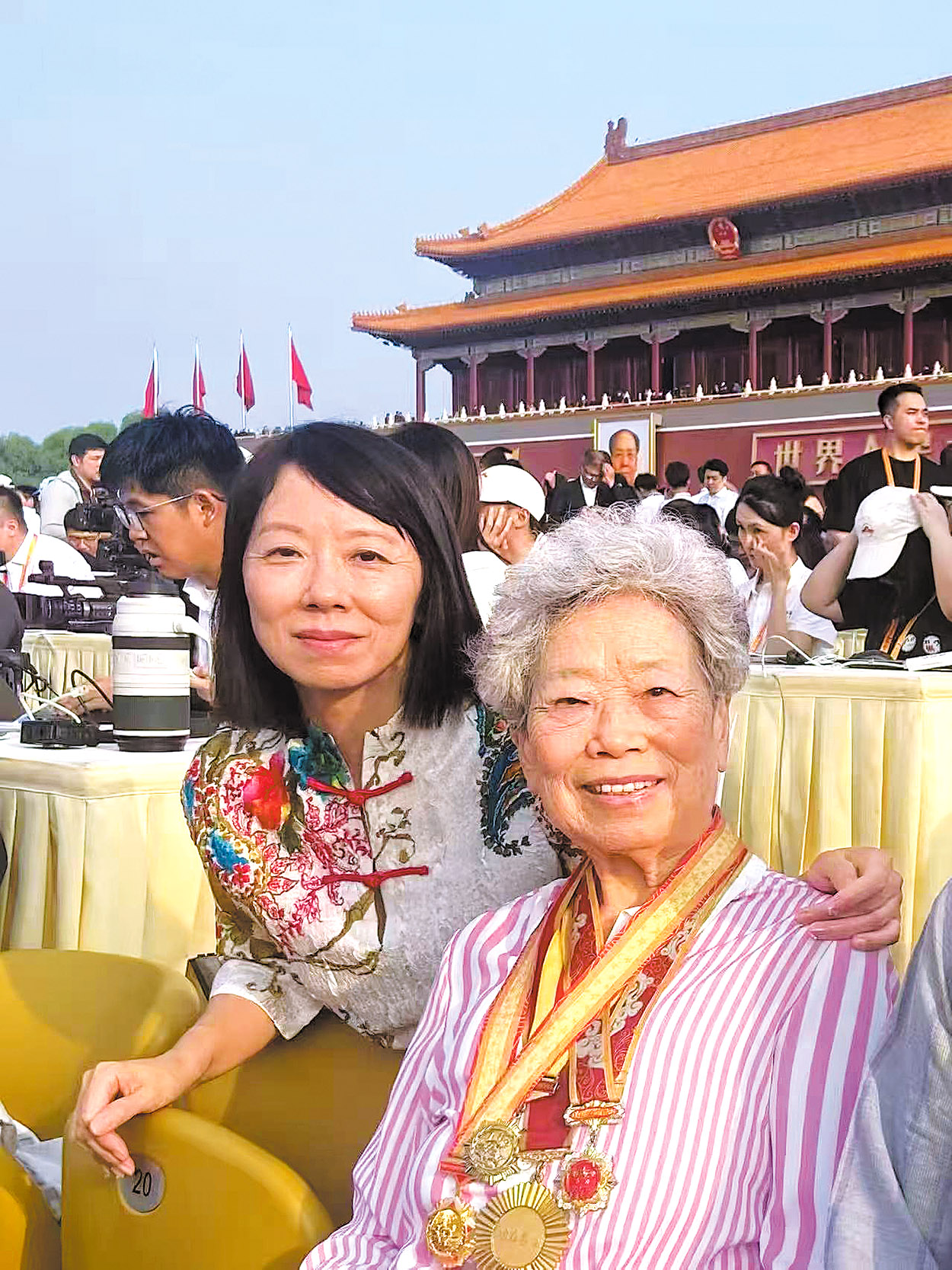
Her sister, a former leader of the student movement that supported the Chinese People’s War of Resistance Against Japanese Aggression (1931-45), was, in fact, secretly gathering intelligence for the CPC-led guerrillas.
At a tender age, Lam watched helplessly in horror as her sister was roped to the staircase and beaten savagely for almost an hour.
That scene would prove pivotal in Lam’s life, prompting her to join the CPC-led Hong Kong and Kowloon Independent Brigade, which was part of the famed Dongjiang (East River) Column, in armed resistance against the Japanese occupation, alongside her mother and brother.
She credited the CPC’s leadership and the people’s steadfast support for the resistance fighters’ eventual triumph over the aggressors.
“At the time, all Chinese were united in a single objective. We were all fighting for our nation’s safety. We held an unyielding conviction that, with the people’s backing and the Party taking the lead, we would ultimately prevail.”
Lam was only 8 years old when she joined the brigade, initially as a messenger before being reassigned to nursing duties. Life with the unit was undeniably hard.
Gauze, a precious wartime commodity, had to be hand-laundered and reused until it was threadbare. Winter was particularly punishing, with icy water often leaving her fingers raw with chilblains.
But, through those grim years, the warmth of camaraderie was always there. Lam still remembers a blind comrade who comforted her youthful frustration: “After victory, there will be real doctors for my wounds.”
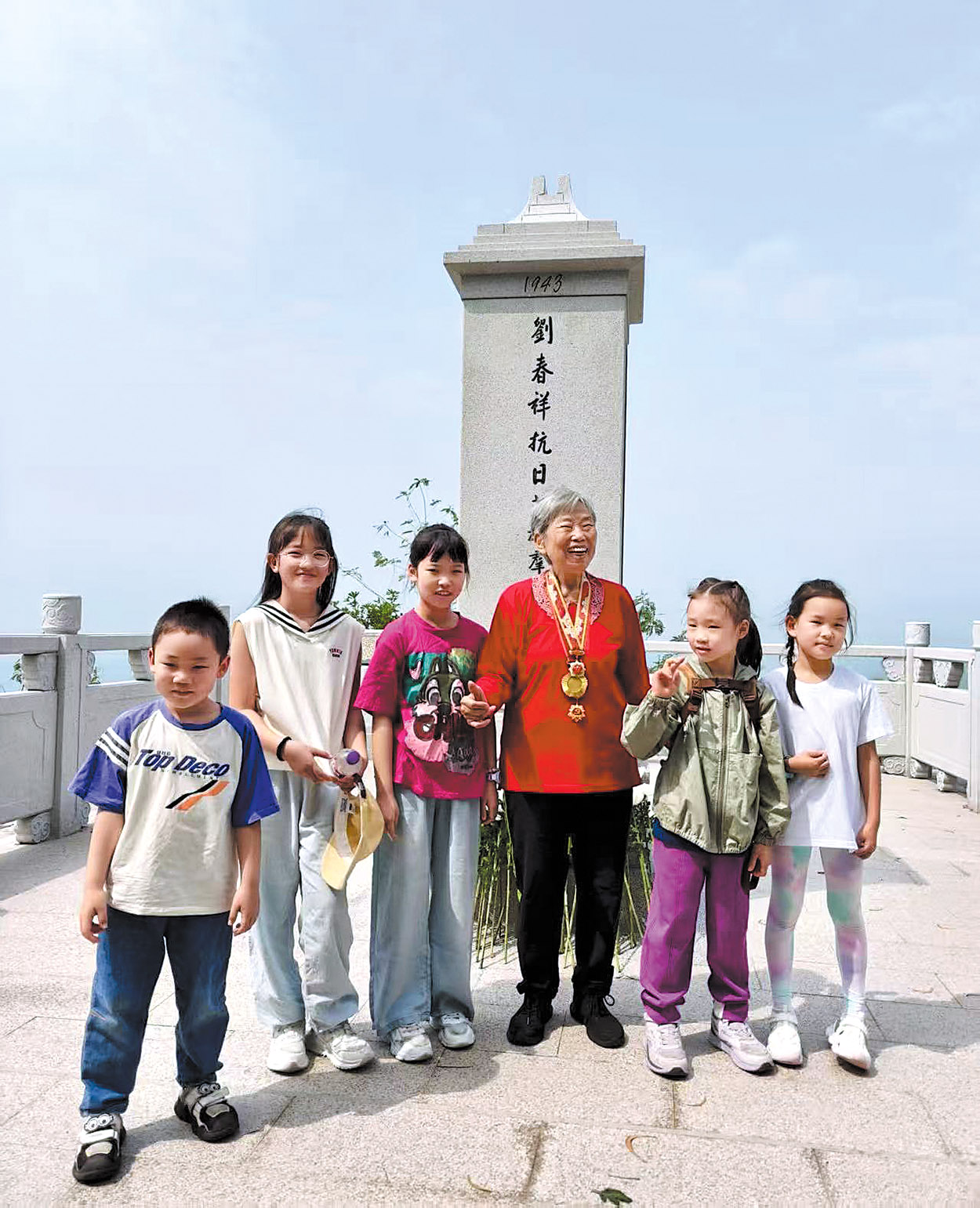
Following Japan’s defeat in 1945, Lam returned to Hong Kong to resume her studies. She went on to teach physical education on the Chinese mainland until she retired, “stepping onto another path in life”, in her words.
She is deeply thankful for the peace that victory has brought, yet she has never been one to shut away her wartime experiences and let them slip into oblivion.
In her view, it is imperative to preserve historical memories that still carry weight today in Hong Kong — a city poised for a promising future as it prepares to roll out its own five-year development plan.
The plan, expected to be released later this year, is expressly designed to align the special administrative region’s trajectory with the country’s strategic growth priorities outlined in the national 15th Five-Year Plan (2026-30).
However, a bright future does not mean we can afford to rest on our laurels, said Lam. The younger generation needs to apply itself to advanced scientific knowledge and play an active role in the nation’s defense modernization and other key areas of development. They must do so without forgetting the lessons of history.
She hopes Hong Kong’s younger generations will appreciate the wellbeing they are blessed with today, learn the historical struggles the older generation has gone through, and hold on to the “spirit of the ordinary Chinese”.
“With the central government’s leadership and a strategic direction, we’re a people who love peace, but we’re also a people who can fight,” said Lam. “That’s what gives the ‘ordinary Chinese spirit’ its confidence and strength.”
Contact the writers at gangwen@chinadailyhk.com
