

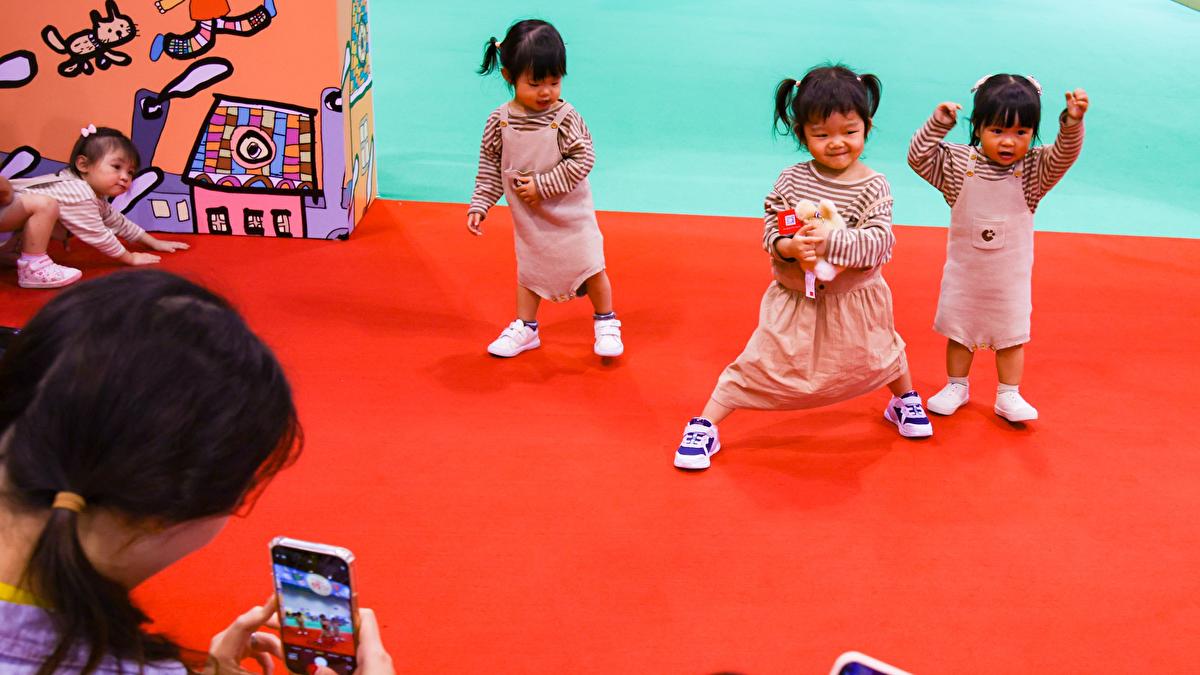
Hong Kong has given out a total of HK$1.44 billion ($180 million) in baby bonuses since 2023 to help raise the city’s birthrate, Secretary for Labour and Welfare Chris Sun Yuk-han said on Wednesday.
Answering a query at the Legislative Council, Sun said that the Hong Kong Special Administrative Region government gave the one-off HK$20,000 bonus to 71,866 parents of newborns as of May 31, 2026.
The SAR government started giving out the Newborn Baby Bonus to eligible parents in October 2023 as part of measures announced by Chief Executive John Lee Ka-chiu to encourage couples to have more children and boost the city's low fertility rate — which stood at 0.841 in 2024.
The program is set to expire in October this year. Sun said the SAR government is still conducting a detailed review.
ALSO READ: Less anxiety makes for better parents
“The review of the Newborn Baby Bonus Scheme is still undergoing, which involves analyzing data and conducting in-depth analysis and consideration of related issues,” Sun said.
“The government will take into account the views and suggestions of Legislative Council Members and the general public on the scheme,” he added.
Sun said the HKSAR government will also start implementing the tax measures meant to encourage childbirth, including extending the claim period for the additional child allowance for newborns and the increase of basic and additional child allowances to HK$140,000 starting from year of assessment 2026/27.
To strengthen support for working families, the SAR government is providing additional child care service places, from 15 aided standalone child care centers in 2022-23 to a total of 36 by the end of 2029, he said.
ALSO READ: Survey: Child-rearing, housing costs deter HK families from having children
The secretary said it is also almost tripling the number of service places from about 1,000 to about 3.000, to help encourage childbirth and support working families in childbearing.
To strengthen support for assisted reproductive services, the Hospital Authority has been gradually increasing the annual service quotas of AR services for in-vitro fertilization (IVF) treatment from 1,100 to 1,800 over the course of five years since 2024, he added.
