

Expo showcases cultural and tech trends, boosts Asia-Pacific cooperation
With the debut of a dedicated Asia-Pacific Economic Cooperation (APEC) exhibition zone, the 22nd China (Shenzhen) International Cultural Industries Fair opened on Thursday, serving as a premier showcase for the nation’s cultural and technology trends while fostering global ties.
Spanning 160,000 square meters, the event — China’s largest cultural expo — has drawn more than 6,300 exhibitors from 65 countries and regions. Running until Monday, this year’s fair spotlights innovative retail models, tech-driven products, and the rich cultural and tourism resources of APEC member economies — a fitting preview as Shenzhen prepares to host the APEC Economic Leaders’ Meeting in mid-November.
READ MORE: Shenzhen ramps up drive to go global to seize APEC opportunities
At the APEC exhibition zone, coffee from Vietnam, Thailand’s creative cultural products, Malaysian handicrafts, snack foods made by South Korean companies, wine produced in Chile, Peru’s alpaca products, and Canada’s tourism products have caught visitors’ attention, and have transformed the exhibition zone into a area for cultural exchange and cooperation in the Asia-Pacific region.
Viann Ye, admin executive of Maycham China Guangdong office, said that this is the first time the Malaysian Chamber of Commerce has attended a culture-themed exhibition. Instead of selling products, she hopes to enhance the public’s recognition of Malaysia through the fair, thereby attracting more travelers to Malaysia.
Ye told China Daily that the chamber would like to participate in the APEC meeting in Shenzhen this November if there are themes of mutual interest, and that she hopes to find more opportunities for Malaysian products to go global.
“The exhibition’s scale and diversity has amazed me,” said Hartanto W Tanto, an Indonesian exhibitor who attended the event at the invitation of the Indonesian Consulate General in Guangzhou.
He brought some specialty products to the event, such as Batik silk scarves and Sambal sauce, and received inquiries from buyers within the first hour of the event’s opening.
He owns six restaurants in Fujian province’s Xiamen and Fuzhou city, and said that Chinese people have a high level of acceptance of Indonesian cuisine. The Guangdong-Hong Kong-Macao Greater Bay Area has always been a region he hopes to tap into, he said, adding that the fair provides him with the opportunity to research the Shenzhen market.
Under the theme “Unboxing Hong Kong”, the Hong Kong Pavilion at this year’s cultural fair is displaying over 100 exhibits to introduce Hong Kong’s design prowess.
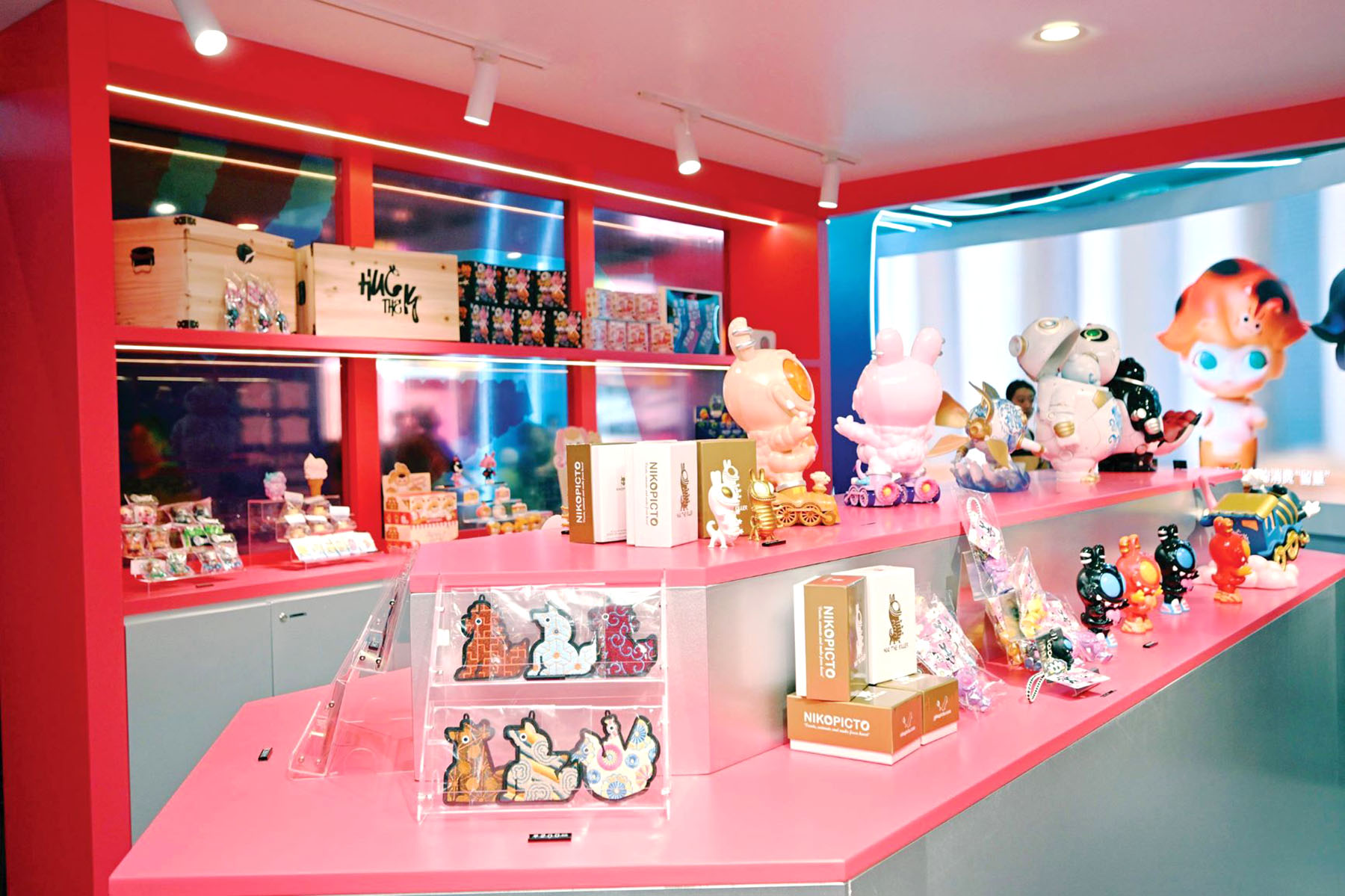
For the first time, a pop-up store has been opened in the pavilion, making Hong Kong cultural and creative products available for on-site purchase.
During the exhibition period, the Hong Kong Pavilion will also host multiple cultural activities, including a lecture discussing the transformation of neon lights and mahjong craftsmanship, as well as a seminar focusing on exploring the use of emotional language in design.
The Macao Pavilion features businesses from the Macao SAR’s film production, advertising, large-event organization and technology sectors.
ALSO READ: APEC youth scholars' forum, coffee fest, Macao Arts Festival
This year’s cultural fair also set up three major exhibition areas for showcasing artificial intelligence technology products.
Duan Chao, senior marketing manager at DexForce Technology Co, Ltd — an enterprise specializing in embodied intelligence technology — said that several culture and tourism government departments and overseas commercial chambers of commerce had visited his booth and shown great interest in the company’s products.
“The overall feedback has exceeded our expectations,” Duan said, adding that the embodied intelligence technology sector has strong prospects in tourism and consumption scenarios.
Contact the writers at atlasshao@chinadailyhk.com
