

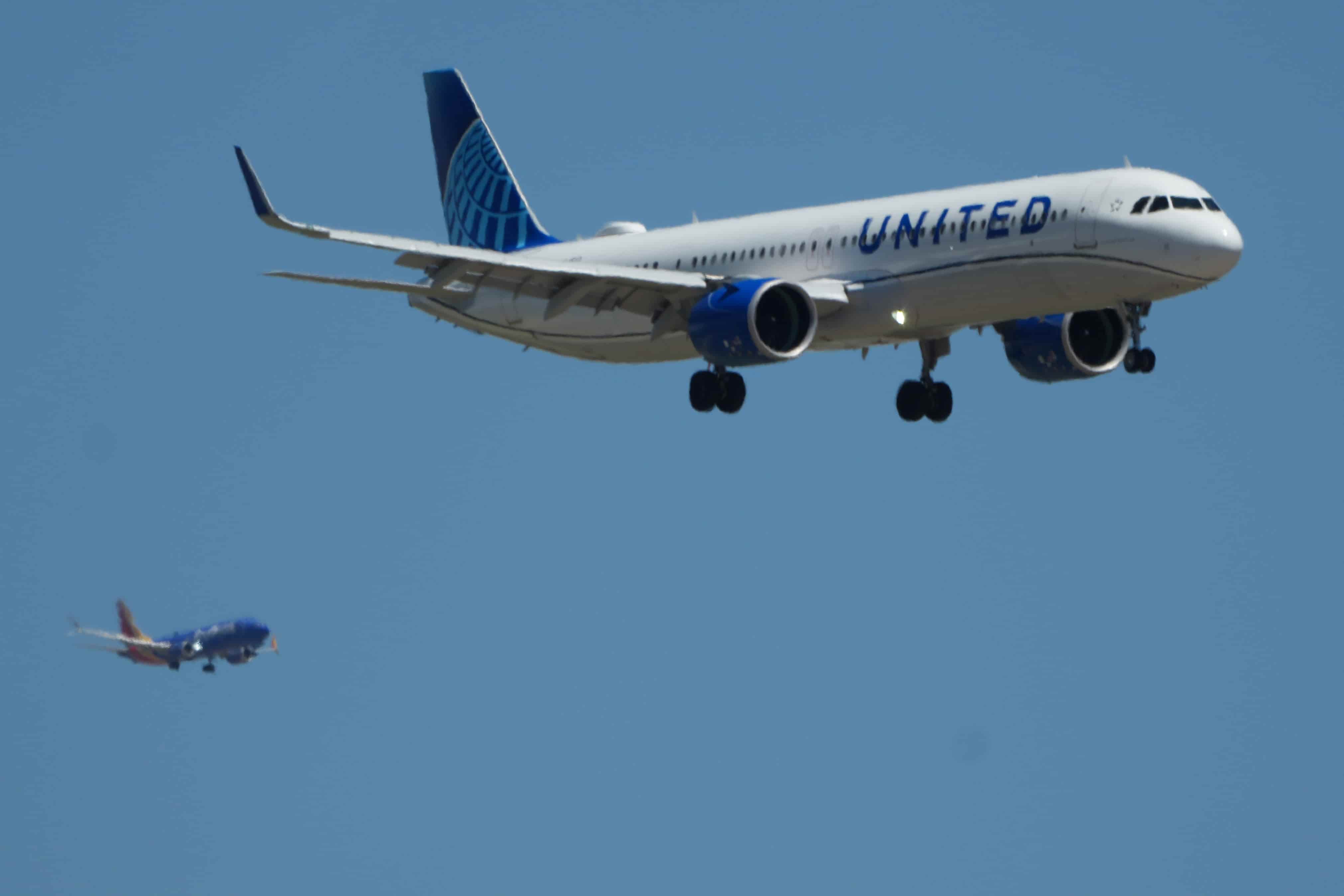
Higher fuel and ticket prices are threatening to push airlines to cut more flights and disrupt summer travel, the airport industry’s global trade body said.
Higher prices are destroying demand and passengers should brace for airfares to stay higher, Stefano Baronci, the Airports Council International’s director general of Asia Pacific and Middle East, in an interview.
“The pipe is not the problem, the price is the real concern for airports as this will have an impact on the price of tickets,” Baronci said.
ALSO READ: Transport chief: HK airlines turning Mideast crisis into opportunity
Baronci joins the growing chorus of people warning that airfares won’t be coming down anytime soon. In the US, inflation accelerated last month, partly because of flight ticket prices, raising concerns that consumers will be cutting back on spending.
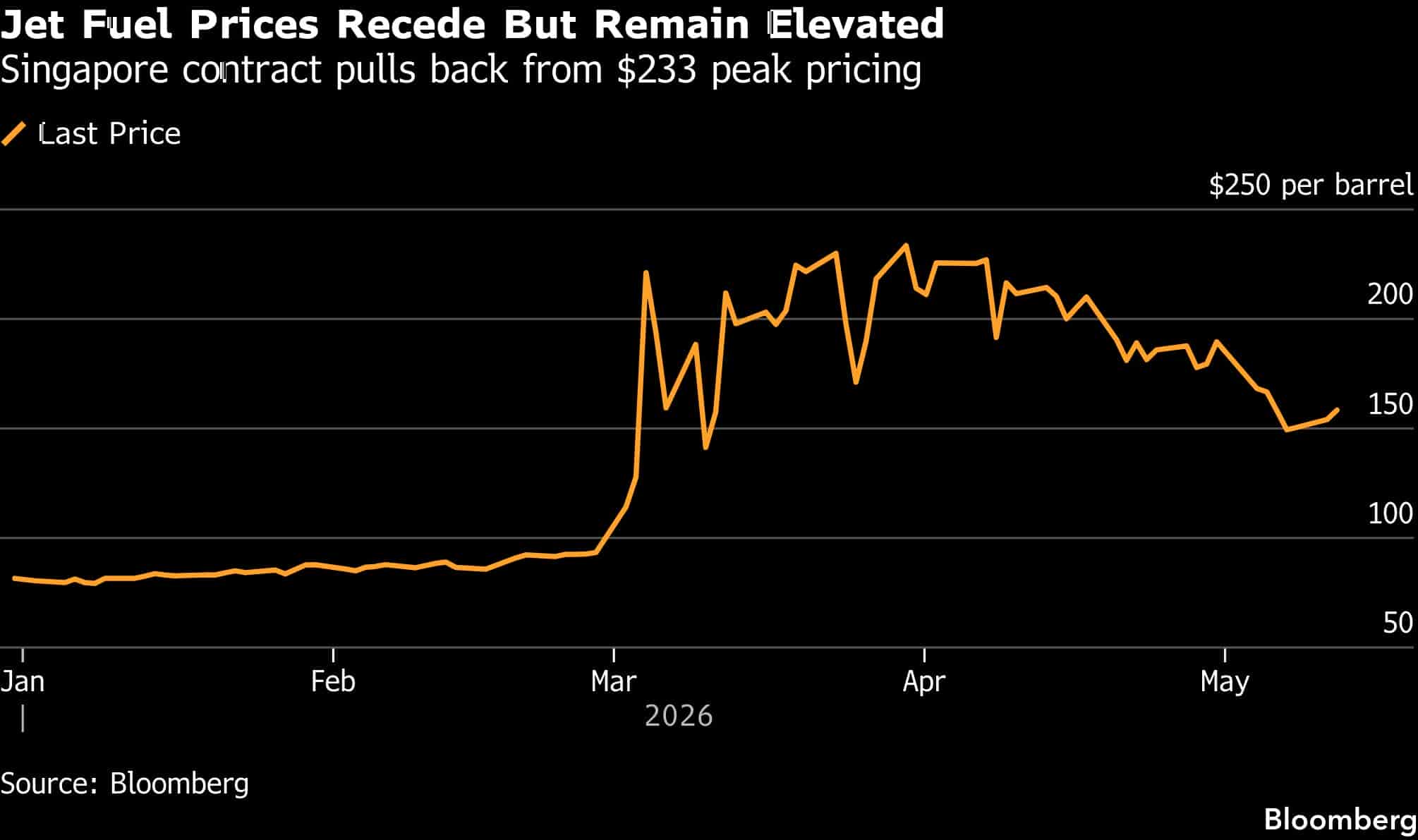
The choked off Strait of Hormuz, the critical waterway that’s been largely inaccessible since the launch of US-Israeli attacks on Iran, has upended the aviation industry. Oil costs have soared, with jet fuel more than doubling to over $200 a barrel for much of April before dropping to around $150 a barrel this month.
That’s led airlines, on the hook for tens of billions in higher fuel bills, to raise fares and cut unprofitable flights.
ACI estimates the war has cost major Middle East airports lost revenue of about $1 billion in March and April, as well as a 52 percent reduction in freight being flown.
Higher fares and fuel prices are a bigger threat to travel than fuel shortages, according to the trade body.
A majority of airports in Asia and the Middle East are sitting on a “comfortable” supply of at least 10 to 20 days of jet fuel, according to ACI, which surveyed 28 members running 88 airports. However, 60 percent of these members warned of seeing the sourcing and supply of kerosene starting to tighten as of mid-April.
READ MORE: European carriers face worst crisis since pandemic as fuel prices soar
“There is a buffer,” said Baronci. “We don’t see the emergency.”
ACI data also showed a pick-up in air traffic, though still far from normal. Air traffic in the past nine weeks operated on average at just 53 percent of the usual flying schedule, according to the data.
Baronci said he was “cautiously optimistic” on the outlook of the aviation industry for the rest of the year, though the recovery would hinge on the resolution of the war.
