

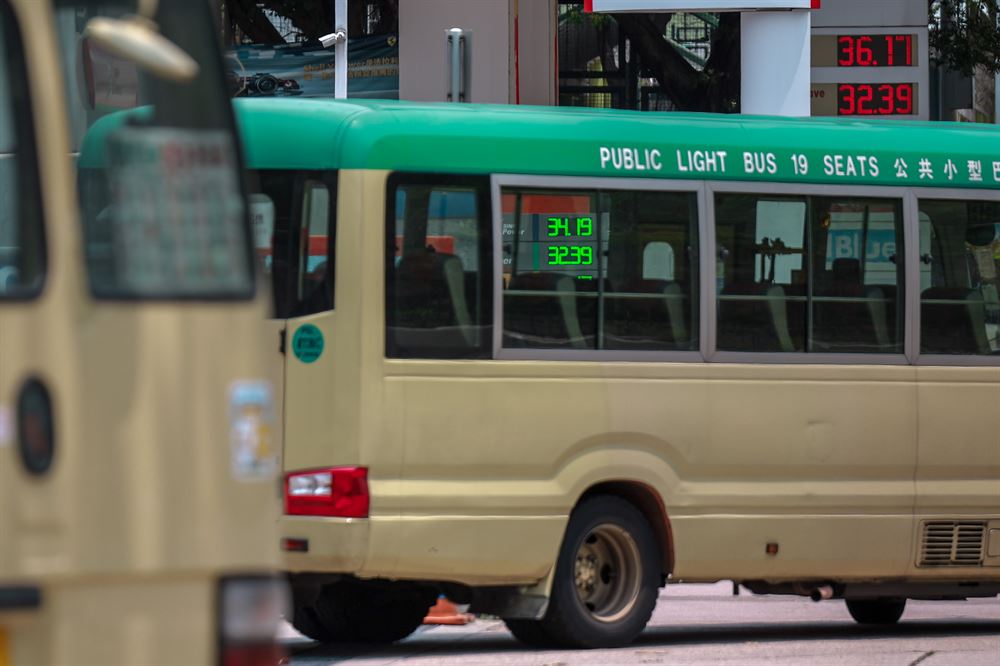
Exxon Mobil Corp is exploring a sale of its gasoline station network in the Hong Kong Special Administrative Region, according to people familiar with the matter, as the US oil and gas giant continues to trim its retail footprint globally.
The company, which operates under the Esso brand, may seek a valuation of $500 million to $600 million for the assets, one of the people said. Considerations are ongoing and no final decisions have been made, the people added.
The potential divestment comes at a time of uncertainty for the retail fuel industry. While gas stations have historically provided stable cash flows, the business is facing renewed pressure from extreme volatility in crude markets following the outbreak of the Iran conflict.
Exxon has a global strategy to streamline assets and has appointed advisers to handle a series of sale of its downstream retail sites under the Esso brand in markets including France, New Zealand and the Hong Kong SAR, one of the people said. Last October, the company agreed to sell its Esso-branded service stations in Singapore to PT Chandra Asri Pacific Tbk.
Exxon currently has 39 Esso-branded gas stations in the HKSAR, according to its website.
An Exxon representative declined to comment.
ALSO READ: Asia-Pacific reels from soaring energy prices
Gasoline prices in the HKSAR are among the highest in the world, averaging over $15 a gallon, according to GlobalPetrolPrices.com, which tracks retail prices of motor fuel, electricity, and natural gas globally. The SAR government, meanwhile, has been encouraging a switch to electric vehicles with incentives such as registration tax waivers.
In a separate deal, US energy giant Chevron Corp agreed in February to sell its Hong Kong fuel business to Thailand’s Bangchak Corp for $270 million.
Exxon and Chevron both lost about 6 percent of their global production in the first quarter, largely because the Strait of Hormuz has been essentially closed.
Exxon has also said that first-quarter earnings at its energy-products division, which includes refining and trading, will take a hit of about $3.7 billion due to price volatility and the timing of cargoes. But the losses will be partly offset by gains of about $2.1 billion and $400 million from surging crude and natural gas prices, respectively in the period.
