

Tehran demands guarantees while IRGC threatens US businesses across region
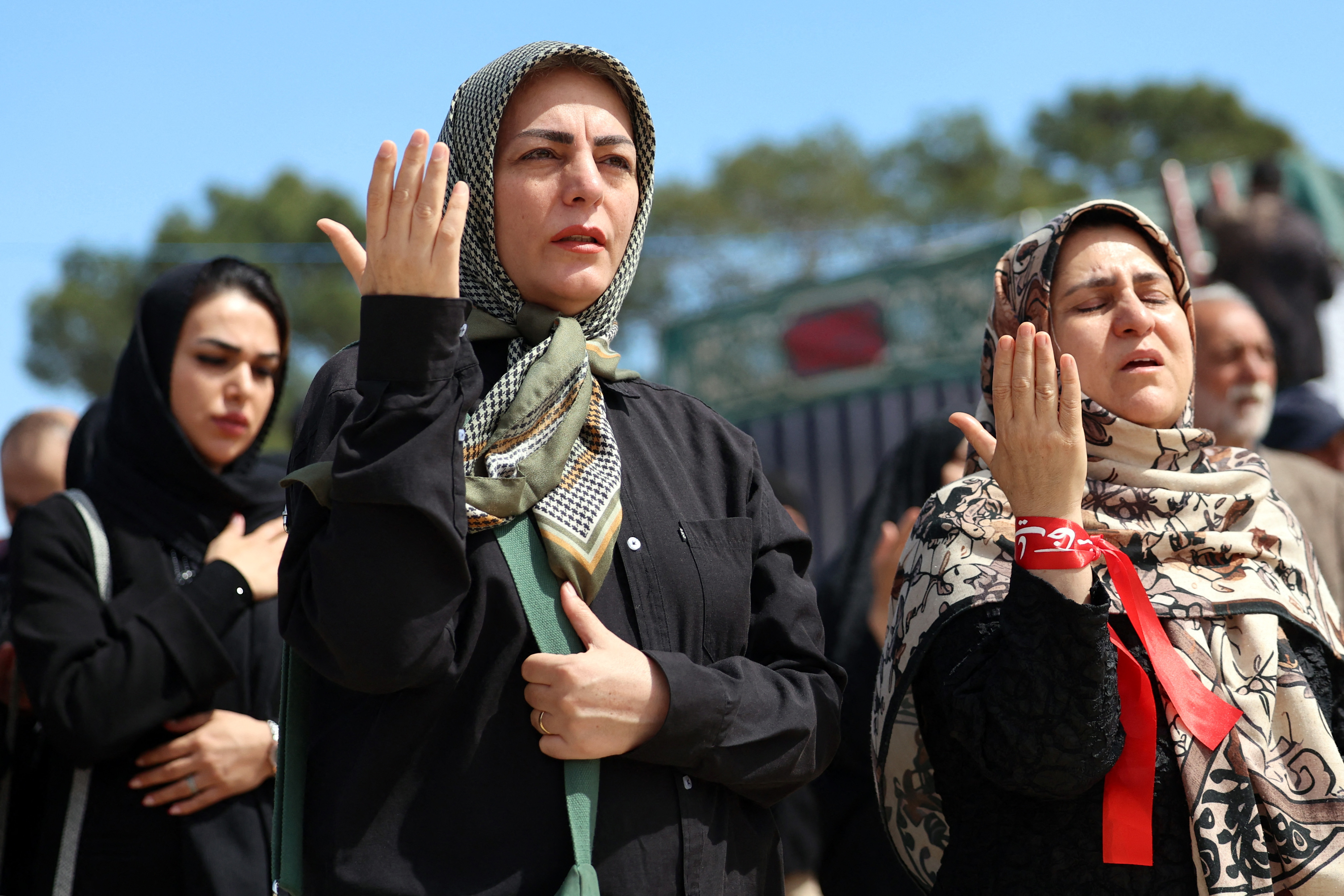
Global optimism has reignited over a potential de-escalation of the war in Iran, following remarks by United States President Donald Trump suggesting a path to end the conflict could be near, with Tehran acknowledging for the first time that Washington had held direct communications over a possible ceasefire.
Trump’s comments highlighted the fluid and often contradictory timelines and statements from Washington on how and when the five-week-old war might be brought to a close.
“We'll be leaving very soon,” Trump told reporters at the White House on Tuesday, saying the exit could take place “within two weeks, maybe two weeks, maybe three”.
ALSO READ: Trump says US will leave Iran in 2 or 3 weeks
“Iran doesn’t have to make a deal, no,” he said, when asked if successful diplomacy was a prerequisite for the US to end the mission. He was expected to address the nation “to deliver an important update on Iran” at 0100 GMT on Thursday.
On Wednesday, Asian shares surged after US stocks posted their best daily performance in nearly a year, fueled by renewed hopes the conflict could soon end.
South Korea’s Kospi recovered its weekly losses, jumping 8.1 percent, while Tokyo’s Nikkei 225 rose 4.5 percent. A Bank of Japan survey released on Wednesday showed business sentiment among major Japanese manufacturers improved despite concerns over the war.

Meanwhile, Iranian President Masoud Pezeshkian said Tuesday his country has the “necessary will” to end the war, but is seeking guarantees the conflict will not be repeated.
Iranian Foreign Minister Abbas Araghchi confirmed on Tuesday he had received direct messages from US special envoy Steve Witkoff, but stressed they do not amount to formal negotiations. The communications include threats or exchanges relayed via “friends”, he told Qatar’s Al Jazeera TV.
Araghchi also warned against any ground offensive, saying “we are waiting for them”. “We know very well how to defend ourselves,” he said, as thousands of US Marines and paratroopers have been deployed to the region in possible preparation for an assault.
ALSO READ: Five-point proposal shows commitment to push for end to the conflict in Middle East
Iran has so far rejected Trump’s claims of direct talks and has continued launching attacks against Israeli and US targets in the Gulf. The month-long conflict has killed thousands, disrupted energy supplies and threatened to plunge the global economy into crisis.
Still, attacks took place on multiple fronts early on Wednesday, with drones hitting fuel tanks at Kuwait's international airport causing a big blaze. Qatar said a tanker leased to its state-owned energy company was struck by an Iranian missile in its territorial waters. Explosions were heard in multiple areas of Tehran after US-Israeli air attacks, Iranian state media reported.
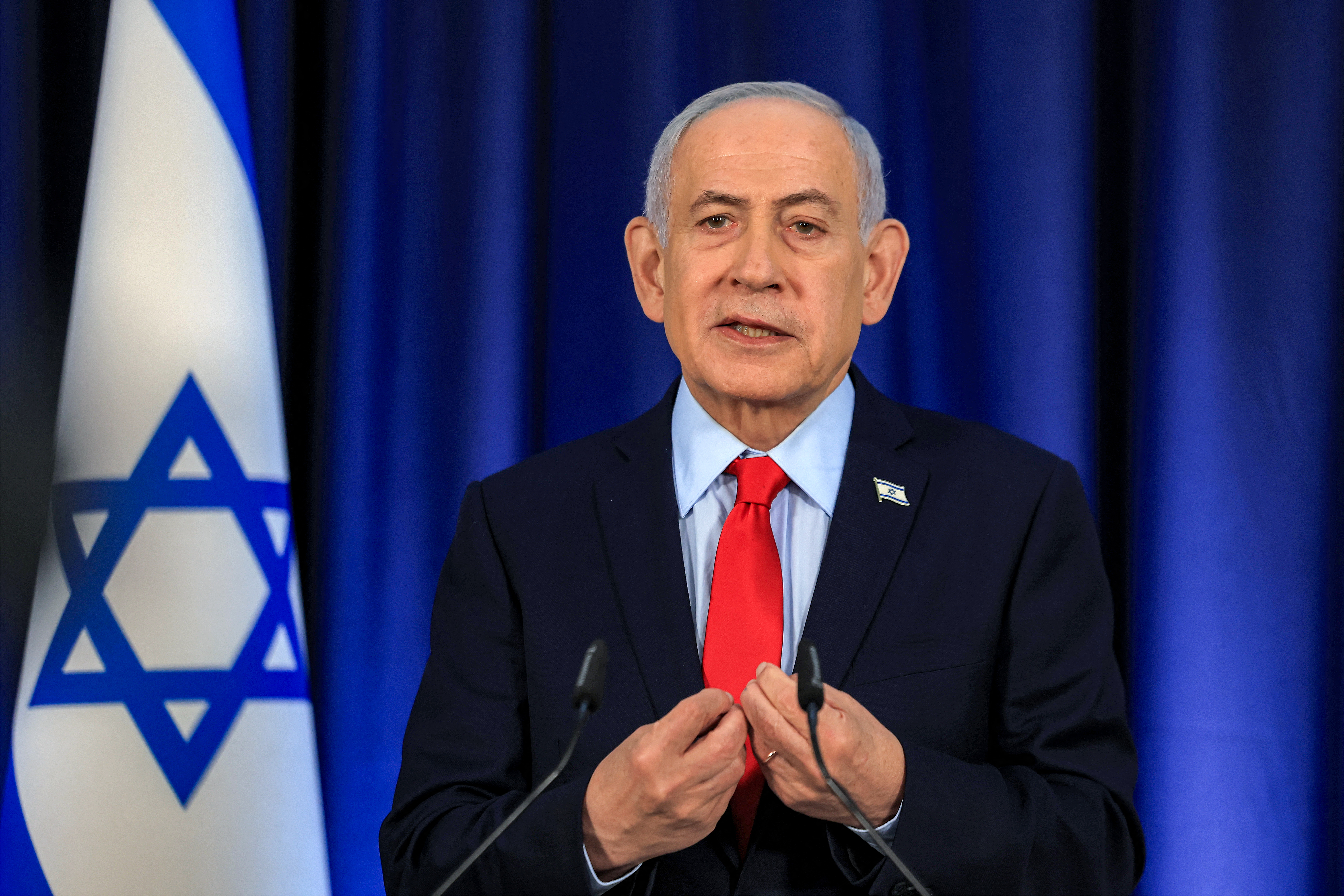
Israeli Prime Minister Benjamin Netanyahu said Israel would press ahead with its campaign, vowing to continue “crushing Iran’s terror regime”. But opposition leader Yair Lapid hit back, saying Netanyahu “is unable to reach a strategic resolution; the time has come to recognize that he is simply incapable”.
Iran’s Revolutionary Guards issued a new threat on Tuesday targeting US businesses across the region starting Wednesday. It named 18 companies — including Microsoft, Google, Apple, Intel, IBM, Tesla and Boeing — that would be targeted from 8 pm Tehran time.
A Reuters/Ipsos poll found two-thirds of US citizens believe Washington should move quickly to end its involvement in the war, even if that means failing to achieve the Trump administration’s stated goals.
However, Trump on Tuesday also criticized countries that have not helped the US war effort, such as Britain. In a social media post, he said that in response to the global fuel shortage, these countries should buy energy from the US or “find some delayed courage, go to the strait and just take it”.
READ MORE: China, Pakistan urge Mideast ceasefire
France and Italy have pushed back against certain US-Israeli military operations, sources said, exposing rifts among NATO allies over the conflict. Spain, which has emerged as Europe's loudest critic of the war, said on Monday that it had closed its airspace for US planes involved in the conflict.
The United Arab Emirates is preparing to help the US and its allies forcibly reopen the Strait of Hormuz, the Wall Street Journal reported on Tuesday, saying the UAE is seeking a United Nations Security Council resolution for the action and has suggested the US occupy strategic islands.
