

Volkswagen AG reported Tuesday that its operating profit in 2025 was halved from the previous year, citing US tariffs, currency effects, and a strategic shift at its luxury subsidiary Porsche.
The group's operating profit fell to 8.9 billion euros ($10.34 billion), down 53 percent from 19.1 billion euros from the previous year, with an operating margin of 2.8 percent. Its sales revenue stood at 321.9 billion euros, slightly lower than in 2024.
"The direct and indirect effects of US tariffs alone amounted to some 5 billion euros," said CEO Oliver Blume.
Volkswagen expects sales revenue in 2026 to develop within a range of 0 to 3 percent compared with the previous year, with an operating margin of 4.0 to 5.5 percent.
The carmaker delivered around 9 million vehicles last year, roughly on par with 2024.
Deliveries dropped 10 percent in North America, primarily because of the tariffs, and 8 percent in China amid stronger competition from local Chinese rivals.
READ MORE: VW deepens China focus to retain lead in market
But the declines were offset by sales increases in other markets. In South America, sales grew by 12 percent; in Asia (excluding China), by 9 percent; and in the Middle East/Africa, by 10 percent.
Europe remained a bright spot, with a 25 percent market share, 4 percent delivery growth, and BEV sales up 66 percent year-on-year, reaching a 27 percent EV market share.
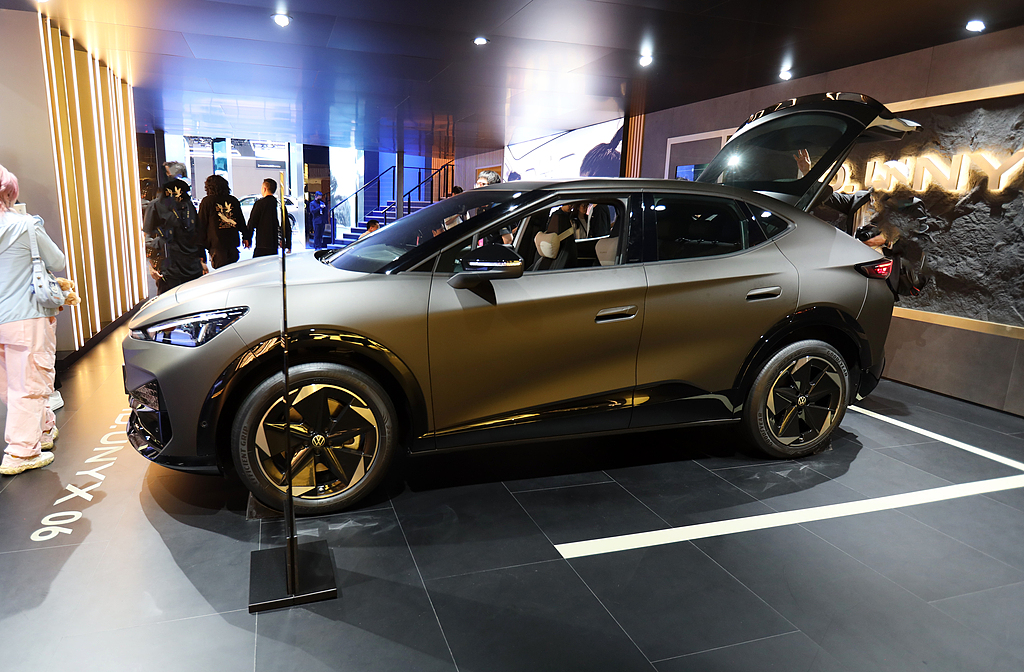
In its largest market, China, Volkswagen plans around 30 new NEV models by 2027, aiming for a 40 percent reduction in material costs, and expects the market to be a key driver of future profit growth.
Blume highlighted the "In China for China" strategy, with a Hefei R&D hub in Anhui province employing 3,000 engineers, achieving 30 percent faster development cycles, and a proprietary electronic architecture launched in just 18 months.
"With this strategy, we are expanding our global footprint. We are becoming more independent, tapping into local opportunities, and strengthening our resilience," he said.
Chief Finance Officer Arno Antlitz said these launches of new locally developed NEVs in China will have a negative financial impact in 2026, but growing contributions are expected again in 2027.
