

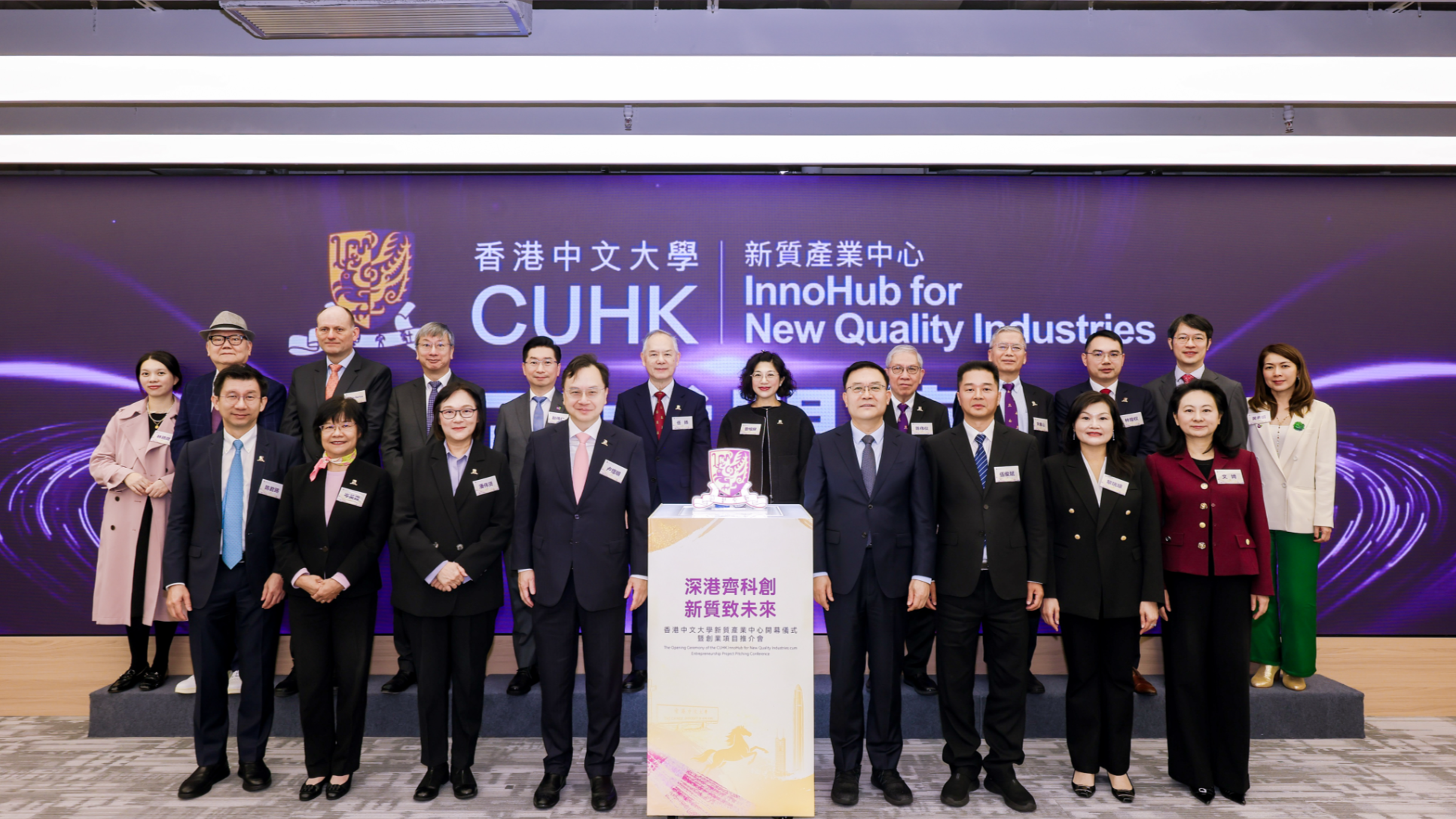
A new cross-border technology transfer center opened in Shenzhen’s Qianhai area on Tuesday, aiming to help the Chinese University of Hong Kong (CUHK) transform its top-tier research into industrial strength across the Guangdong-Hong Kong-Macao Greater Bay Area market.
This development aligns with a key focus in the draft outline of China’s 15th Five-Year Plan (2026-30) deliberated at this year's two sessions, which emphasizes developing new quality productive forces as vital for boosting the country’s economic growth and deepening scientific innovation integration between Shenzhen and Hong Kong.
The Qianhai center marks a milestone in CUHK’s presence in Shenzhen. It will facilitate the implementation of advanced research and innovation projects in the Greater Bay Area, forging closer connections between Hong Kong's scientific research and mainland industries and markets.
The first batch of projects introduced by the center covers artificial intelligence, healthcare, and cultural creativity. Leveraging CUHK's advantages in medical technology, some projects utilize AI and robotics to address language disorders, enhance eldercare services, and improve surgical quality.
Officiating at the launch ceremony, CUHK President Dennis Lo Yuk-ming said the country’s growing emphasis on original scientific innovation, combined with industrial integration, has charted a new course for Shenzhen-Hong Kong science and technology cooperation.
The center will collaborate closely with other CUHK organizations based in Shenzhen, leveraging Qianhai’s resources and ecosystem to catalyze the commercialization of cutting-edge technologies. It will also support youth entrepreneurship through efforts in intellectual property protection and other fields, Lo said.
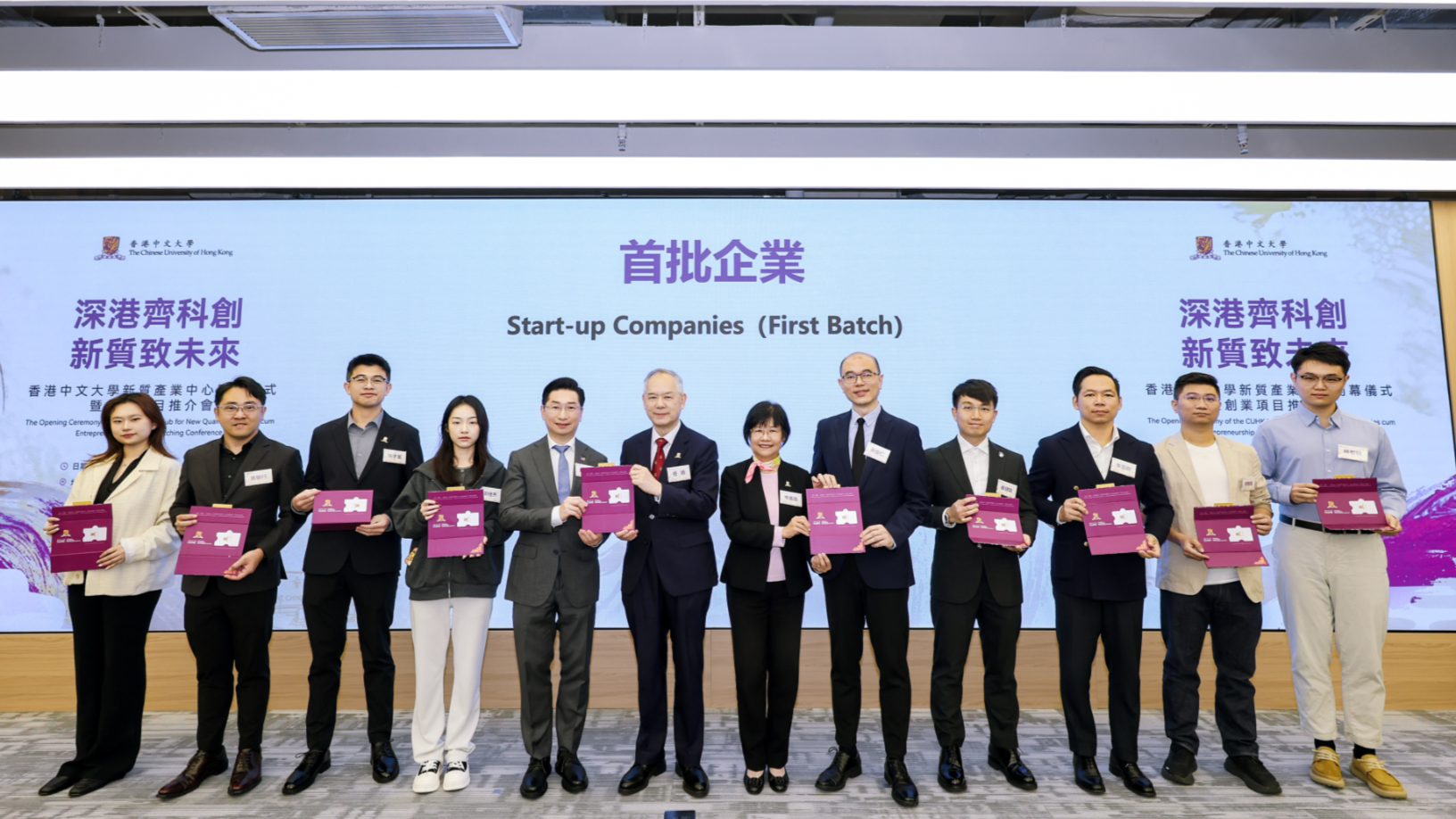
Philip Chiu Wai-yan, dean of CUHK’s Faculty of Medicine and leader of the Hong Kong-developed, award-winning EndoR surgical robot system, described the Qianhai center as a crucial platform for bringing this innovative technology to market.
The EndoR medical system assists doctors in performing minimally invasive surgery for early-stage gastrointestinal tumors, significantly enhancing the stability and safety of surgical procedures.
Chiu said the technology has undergone animal testing in Hong Kong, with plans in place to begin clinical trials this year, and a market launch expected within three to five years.
By establishing operations in Qianhai, the startup aims to further enhance medical device quality and collaborate with mainland hospitals on clinical research.
Chiu said the draft outline of the 15th Five-Year Plan highlights the role of disease prevention in healthcare. In line with this goal, early cancer treatment that incorporates emerging technologies can significantly improve the health and quality of life for middle-aged and elderly patients.
Lin Huangquan, executive director of the CUHK Shenzhen Research Institute, expressed hope that the center will make use of Qianhai’s innovative policies for Hong Kong enterprises and individuals — such as tax incentives — along with industrial chains in the Nanshan and Bao’an districts to incubate more promising projects.
