

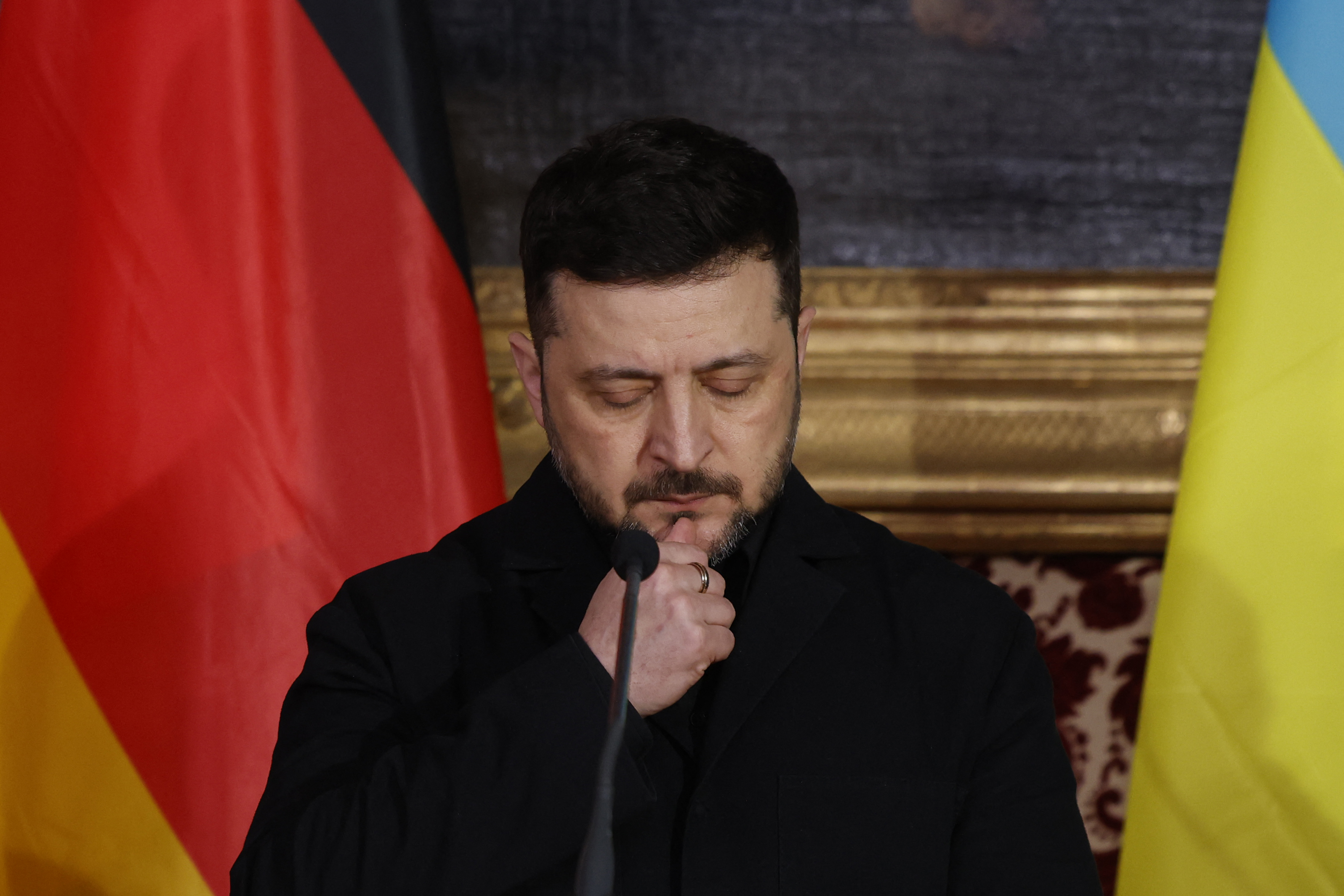
KYIV/GENEVA/MOSCOW/BUDAPEST - Ukrainian President Volodymyr Zelensky said Wednesday that the latest trilateral talks between Ukraine, the United States and Russia in Geneva had made progress on military issues, particularly on monitoring a future ceasefire, the Ukrinform news agency reported.
"In principle, the military understands how to monitor a ceasefire and the end of the war, if there is political will," Zelensky told reporters, adding that "almost everything" in this area had been agreed upon.
He added that the United States would "definitely" be involved in the monitoring process.
At the same time, Zelensky noted that the positions of the parties remain different on political issues, including territorial questions and control over the Zaporizhzhia Nuclear Power Plant.
ALSO READ: Zelensky hopes for serious, substantive talks with US, Russia
The delegations from Ukraine, the United States and Russia held the latest round of talks in Geneva on Tuesday and Wednesday. No formal agreement was announced following the meeting.
Describing the talks as difficult but business-like, Russia's presidential aide Vladimir Medinsky noted that a new round of negotiations will be held in the near future.
No documents were signed during the talks, RIA Novosti reported Wednesday.
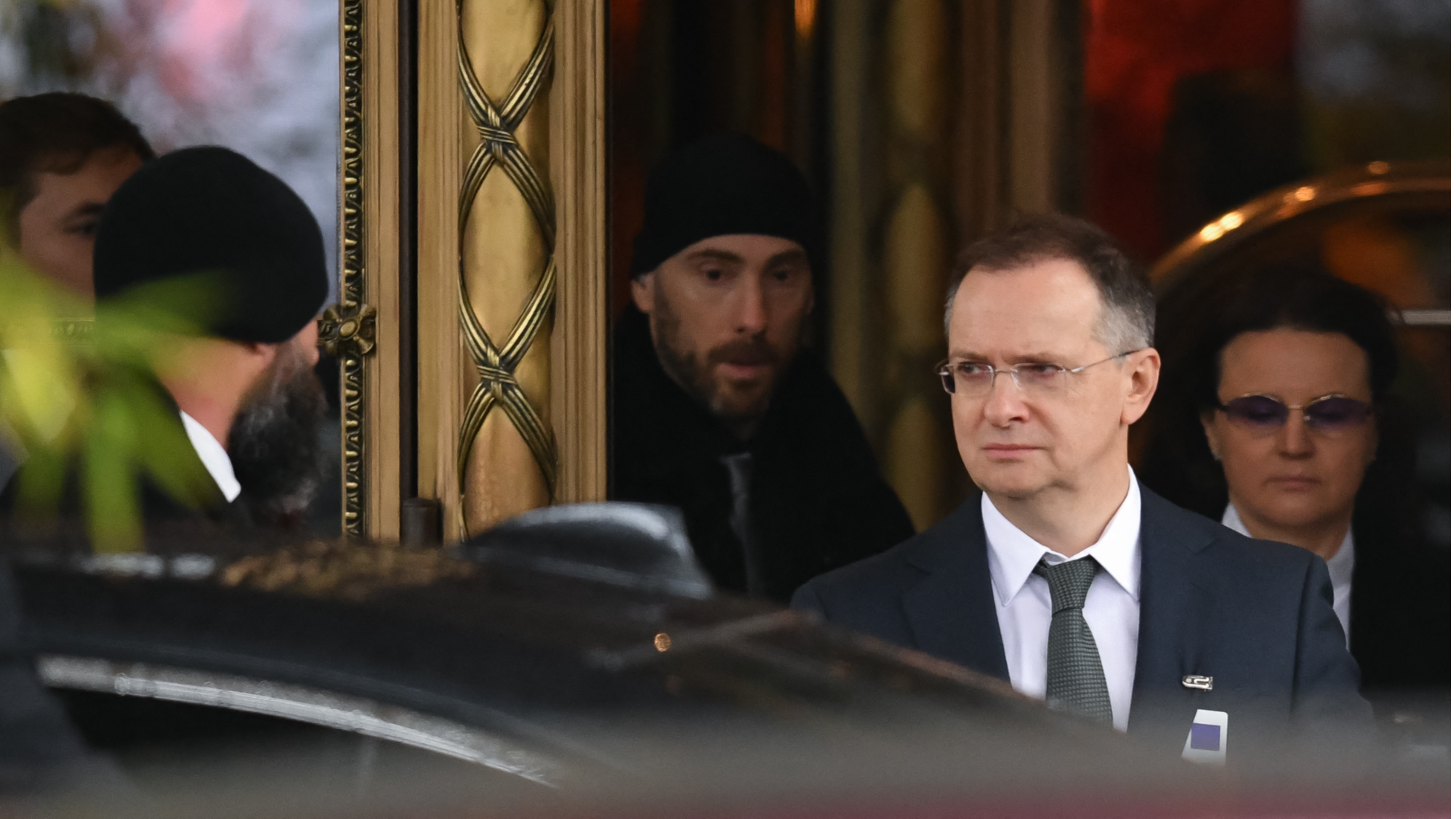
The Russian Foreign Ministry announced on Wednesday that the Russian delegation had clear instructions to act within the framework of understanding from the meeting between Russian President Vladimir Putin and US President Donald Trump that was held in the US city of Anchorage, Alaska in August last year.
Umerov said on Facebook that the next stage is to reach the required level of consensus to make well-known decisions for the presidents' consideration. He emphasized that the ultimate goal remains unchanged: a just and sustainable peace.
Two previous rounds of trilateral talks, held in Abu Dhabi on Jan 23-24 and Feb 4-5, did not resolve key territorial issues.
ALSO READ: Russia rejects unfavorable terms in Ukraine peace treaty, open to compromise
Fighting even continued between Russia and Ukraine before Tuesday's talks.
Safet Music, a security expert in Bosnia and Herzegovina, told Xinhua that diplomacy serves more as a tool of conflict management than resolution, as the situation has entered a prolonged conflict of attrition in which neither Moscow nor Kyiv can achieve a decisive breakthrough without enormous costs.
"The Ukraine-Russia conflict is exhausting all parties concerned and draining both Russian and European human and material resources, with no end in sight," Nasser Saidi, founder and president of Nasser Saidi & Associates, shared his view with Xinhua.
Russia warning on Japan’s possible participation
Also on Wednesday, Russia warned that Japan's possible participation in a North Atlantic Treaty Organization (NATO) arms procurement mechanism for Ukraine would further strain bilateral relations and that military equipment funded by Japan would become legitimate targets for Russian forces.
Maria Zakharova, spokeswoman for the Russian Foreign Ministry, said at a regular briefing that Moscow had received reports about Japan's intention to join a NATO mechanism for purchasing military equipment for Ukraine.
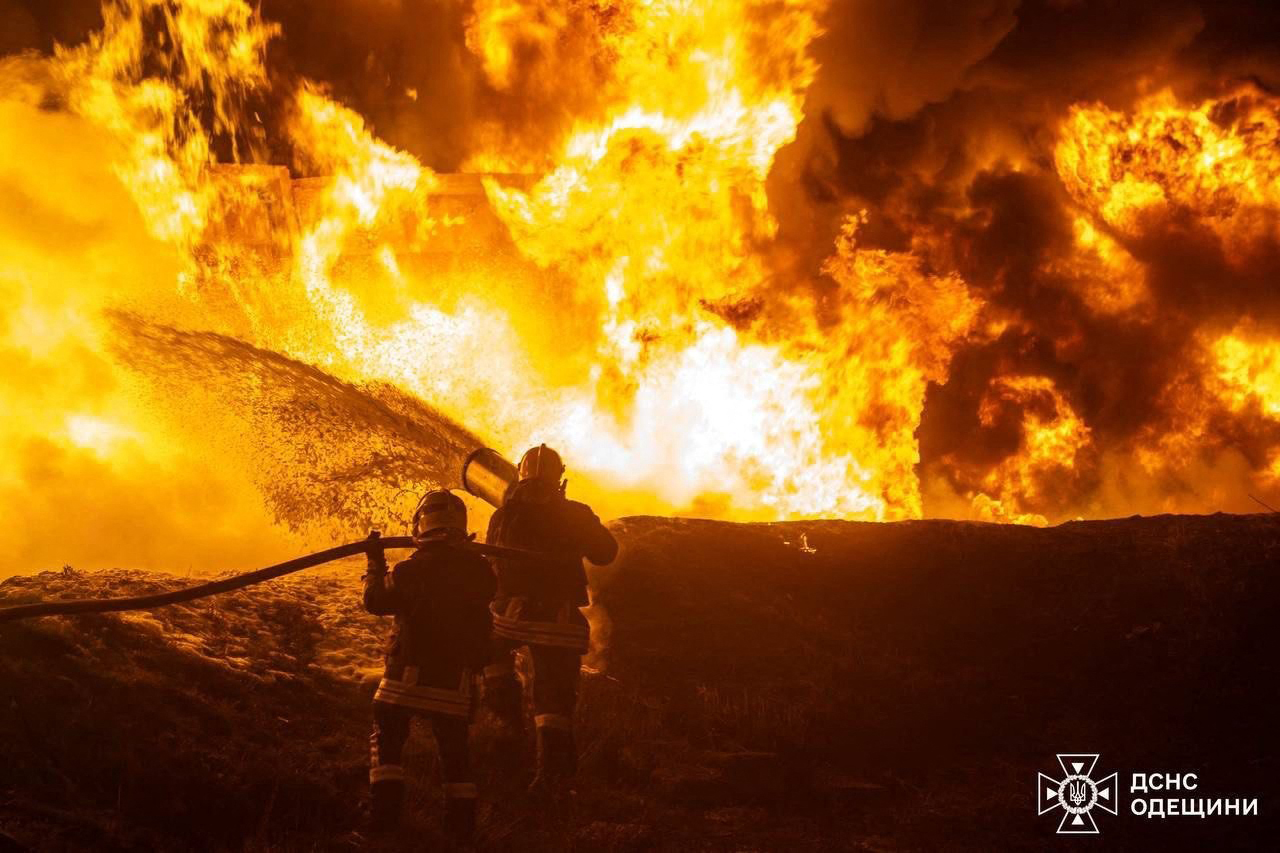
"These steps will further complicate Russia-Japan relations, which, through Tokyo's actions, have already been in a state of deep stagnation," she said.
Zakharova added that military equipment supplied to Ukraine with Japanese funds would become legitimate targets for Russian forces.
READ MORE: Russia says ready to seek negotiated solution to Ukraine crisis
In April last year, former Japanese Prime Minister Shigeru Ishiba said after meeting with NATO Secretary General Mark Rutte that Japan saw great potential in developing defense industry cooperation with the alliance.
Earlier this month, Japan's public broadcaster NHK reported that Japan would soon announce its participation in a NATO assistance program aimed at purchasing weapons and equipment from the United States and supplying them to Ukraine.
Hungary suspends diesel fuel deliveries to Ukraine
Meanwhile, Hungary has suspended diesel fuel deliveries to Ukraine with immediate effect and will not resume shipments until crude oil transit via the Druzhba pipeline is restored, Hungarian Minister of Foreign Affairs and Trade Peter Szijjarto said here on Wednesday.
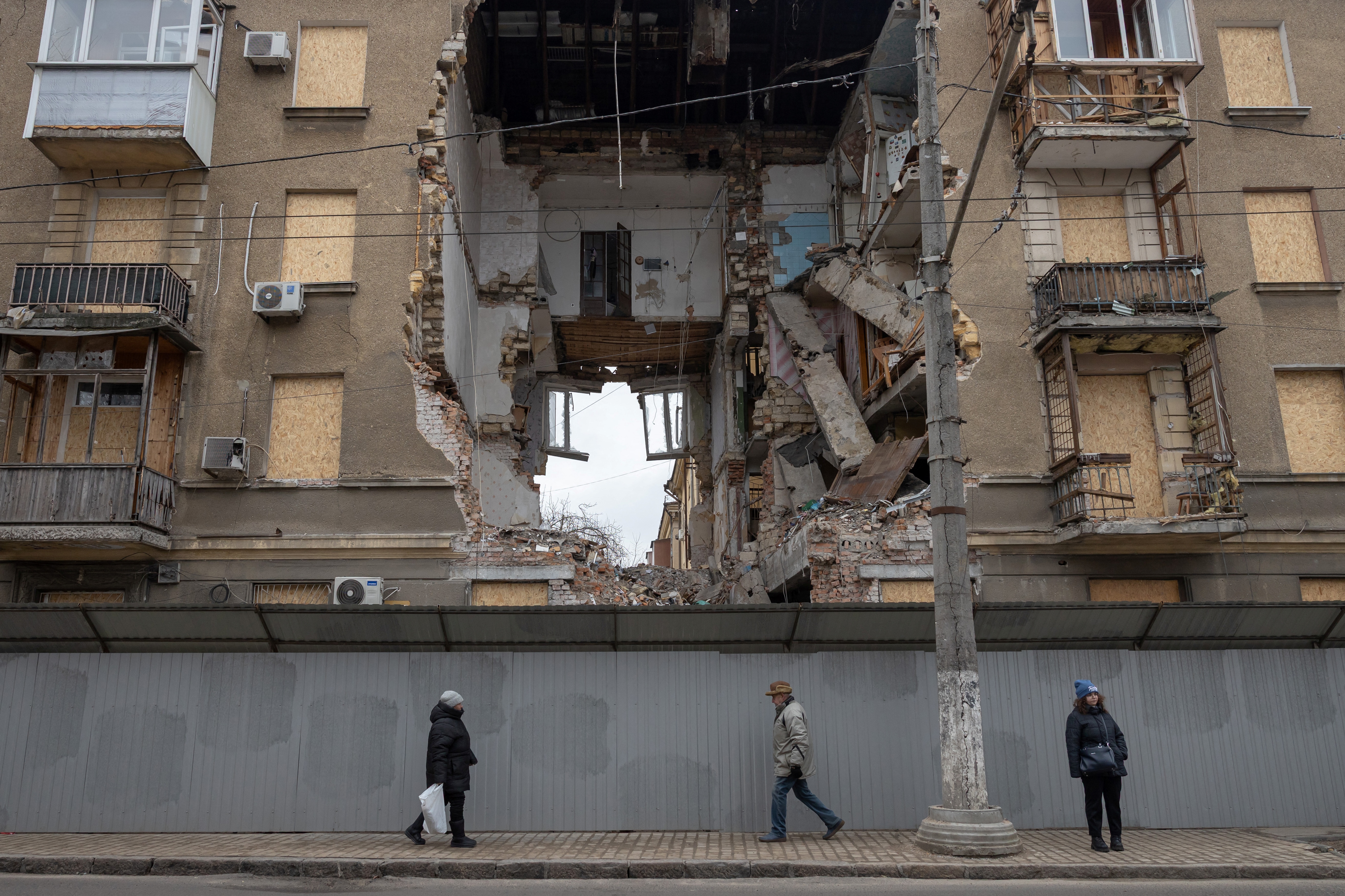
The suspension will remain in place until Ukraine restarts crude oil deliveries to Hungary through the pipeline, Szijjarto told a press conference following a government meeting.
According to the minister, crude oil transit was halted on Jan 27.
The Druzhba pipeline, which carries Russian oil through Ukraine to Central Europe, has faced repeated disruptions since last year due to damage to energy infrastructure amid the ongoing Russia-Ukraine conflict.
