

THE HAGUE - The Dutch government on Monday accepted France's offer to discuss closer cooperation on nuclear weapons, the country's defense and foreign ministers said in an open letter.
"This offers the Netherlands an opportunity to reinforce the European dimension of nuclear deterrence together with our NATO allies," Minister of Defense Dilan Yesilgoz-Zegerius and Minister of Foreign Affairs Tom Berendsen wrote in a letter addressed to parliament.
According to the letter, Europe is facing fundamental security challenges driven by geopolitical threats, shifting international dynamics, and rapid technological developments.
READ MORE: French govt survives no-confidence votes over energy plan
"This calls for greater European responsibility for its own security. Strengthening Europe's contribution to both conventional and nuclear deterrence forms part of that effort. France's offer to deepen dialogue on this issue with European partners aligns with this objective, and the Cabinet considers it desirable to accept the proposal," the letter states.
The ministers emphasized that NATO remains the cornerstone of European security for both the Netherlands and the continent as a whole. They added that enhanced cooperation with France would not replace NATO's collective defense and nuclear deterrence framework, but complements it.
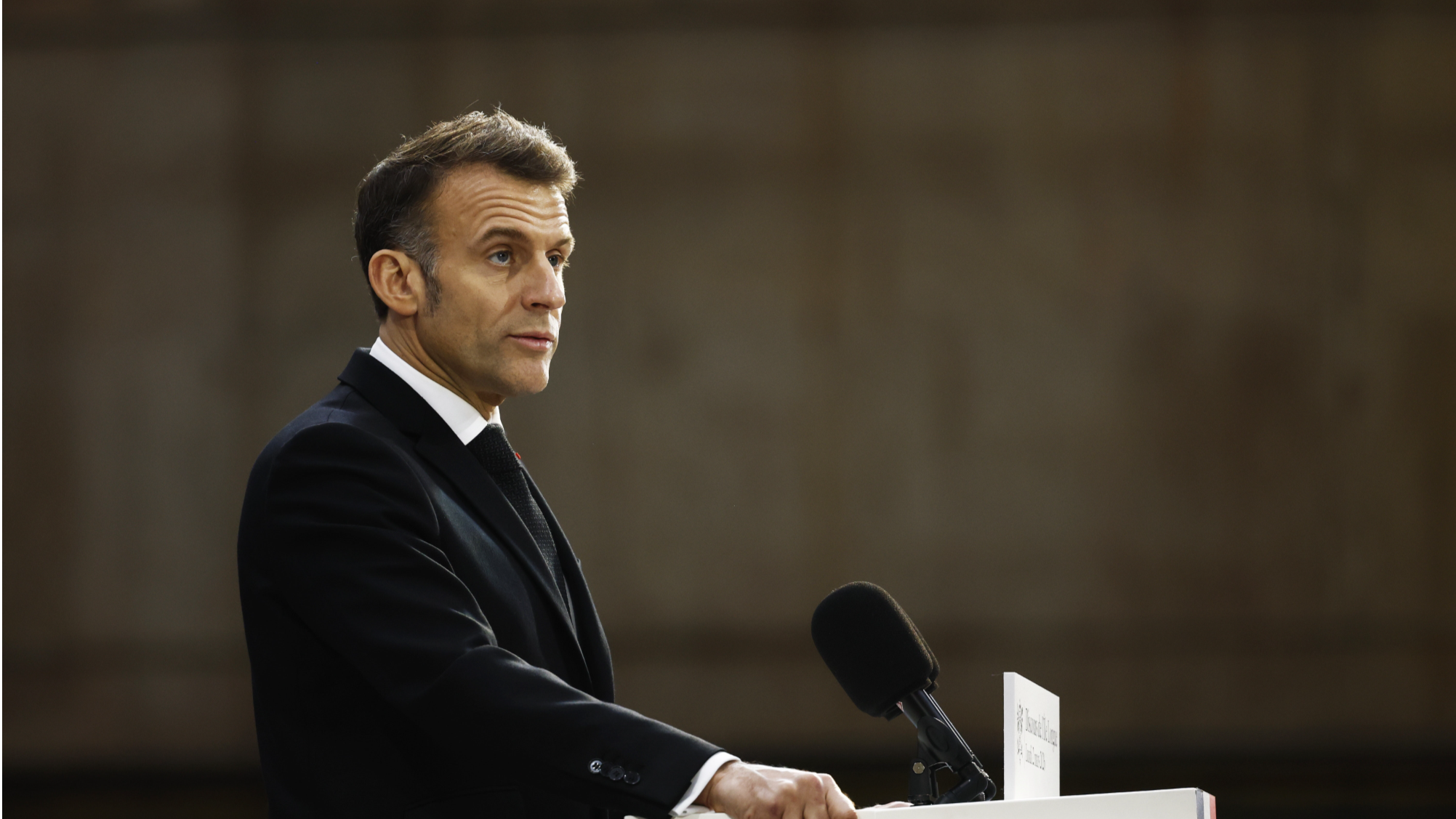
French President Emmanuel Macron said earlier on Monday that France will strengthen its nuclear arsenal and incorporate "a European dimension" into its deterrence posture, while stressing that any decision on the use of French nuclear weapons will remain a sovereign French responsibility.
Macron said France is offering interested European partners closer cooperation that could include consultations, joint exercises and other forms of coordination, and countries including Sweden, Britain, Germany, Poland, the Netherlands, Belgium, Greece and Denmark have expressed interest.
Nuclear warheads
Macron announced on Monday that he has ordered to increase the number of France's nuclear warheads to strengthen the country's arsenal.
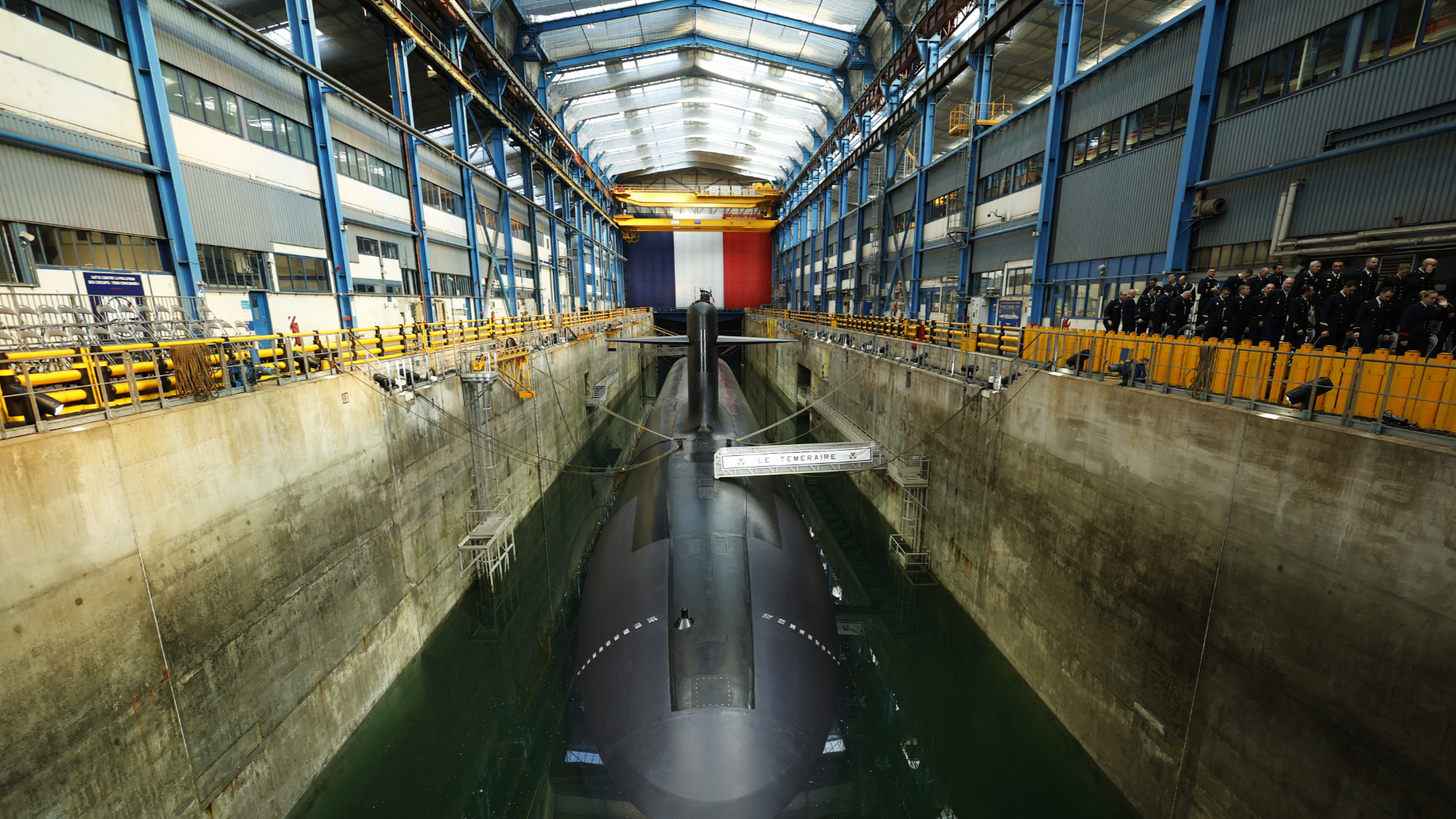
Speaking from Long Island in western France, a key base for France's nuclear-powered ballistic missile submarines, Macron said, "I have asked to increase the number of nuclear warheads," while declining to provide specific figures.
"We will no longer disclose the numbers of our nuclear arsenal," Macron added, stressing that a reinforcement of the nuclear arsenal is essential.
He also announced that France's armed forces will be equipped with a new-generation nuclear-powered ballistic missile submarine, which is expected to begin sailing in 2036.
The president said he is ready to incorporate "a European dimension" into the French concept of "advanced nuclear deterrence."
European countries, including Britain, have expressed interest in the concept, he added, noting that Paris, London and Berlin will work together on projects involving very long-range missiles, as part of efforts to bolster European defense capabilities.
Nuclear deterrence talks
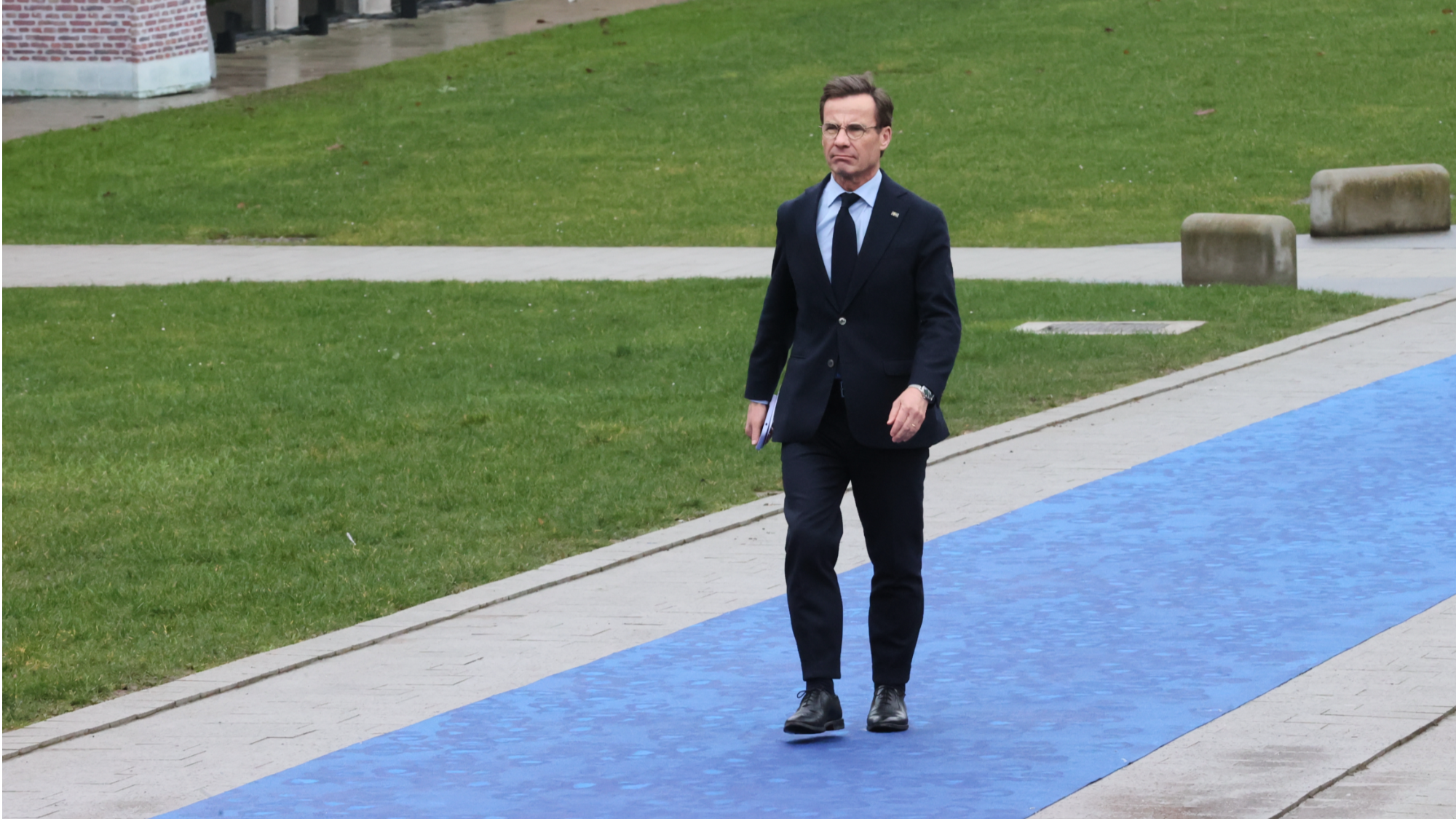
Swedish Prime Minister Ulf Kristersson said on Monday that Sweden is ready to take part in talks proposed by France on enhancing cooperation around a European dimension of nuclear deterrence.
Kristersson told Swedish Television (SVT) that Sweden is prepared to join discussions with other European partners, describing the initiative as an in-depth dialogue on strengthening European security based on France's national nuclear deterrent.
"The talks that will be commenced aim at strengthening Swedish and European security at an insecure time," he said.
READ MORE: Macron proposes strategic talks on nuclear deterrence for Europe
Kristersson added that he would prefer a world without nuclear weapons, but deterrence remains necessary to safeguard national security under current conditions.
Macron said earlier on Monday that France will strengthen its nuclear arsenal and incorporate "a European dimension" into its deterrence posture, while stressing that any decision on the use of French nuclear weapons will remain a sovereign French responsibility.
Macron said France is offering interested European partners closer cooperation that could include consultations, joint exercises and other forms of coordination, and countries including Sweden, Britain, Germany, Poland, the Netherlands, Belgium, Greece and Denmark have expressed interest.
