

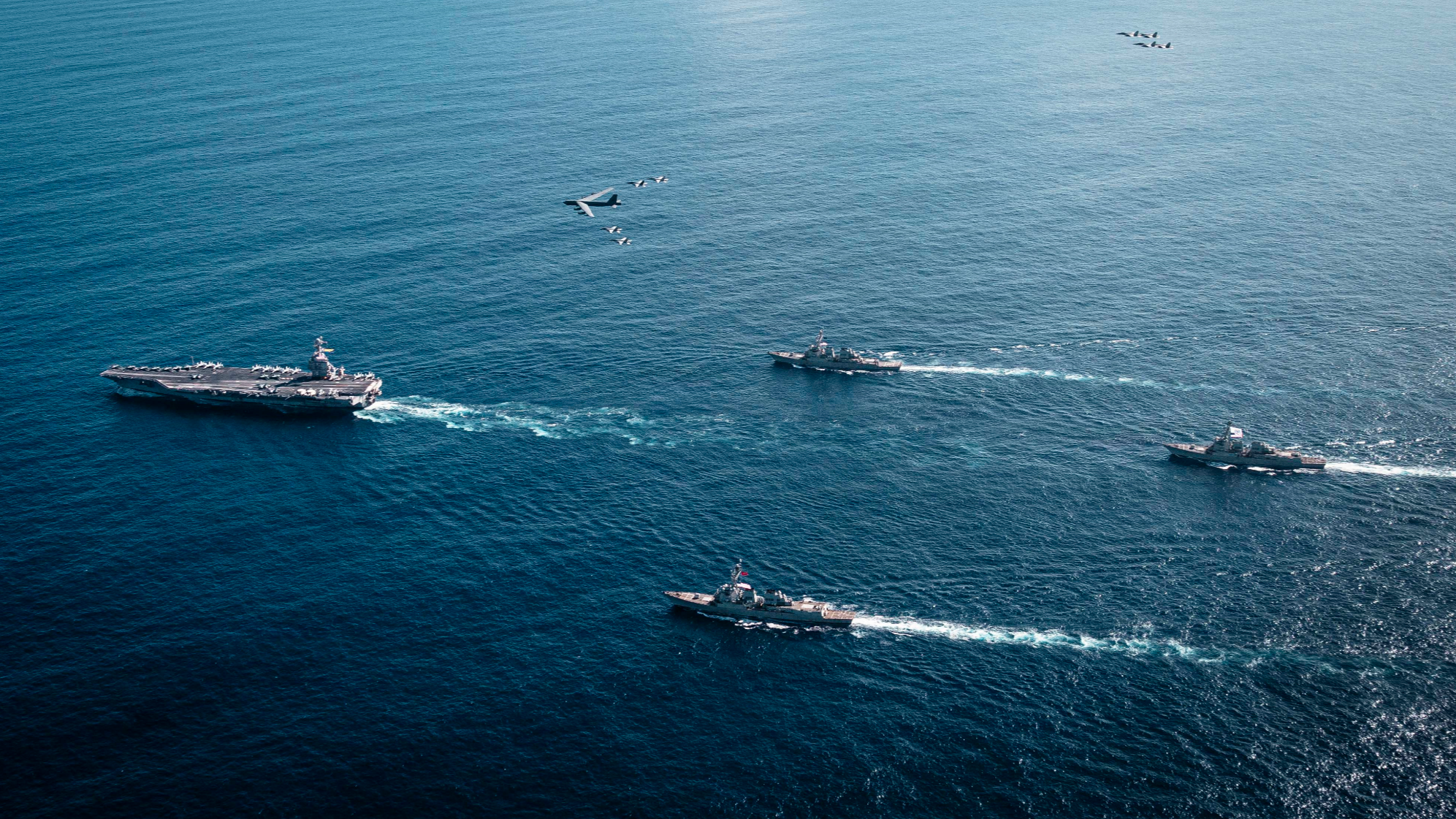
WASHINGTON - The United States has ordered the second aircraft carrier to sail from the Caribbean Sea to the Middle East, local media reported on Thursday.
The move was taken as US President Donald Trump is weighing whether to take military action against Iran over its nuclear program or not.
Trump said on Tuesday that he is considering sending a second aircraft carrier strike group to the Middle East to prepare for a possible military action against Iran if negotiations fail.
READ MORE: Trump mulling sending second carrier if talks with Iran fail
The USS Gerald R Ford, the world's largest aircraft carrier, is to join the USS Abraham Lincoln and three guided-missile destroyers, which had arrived in the Middle East earlier.
Washington and Teheran held indirect talks on Feb 6 in the Omani capital Muscat amid simmering tensions between the two sides following Washington's military buildup near Iran.
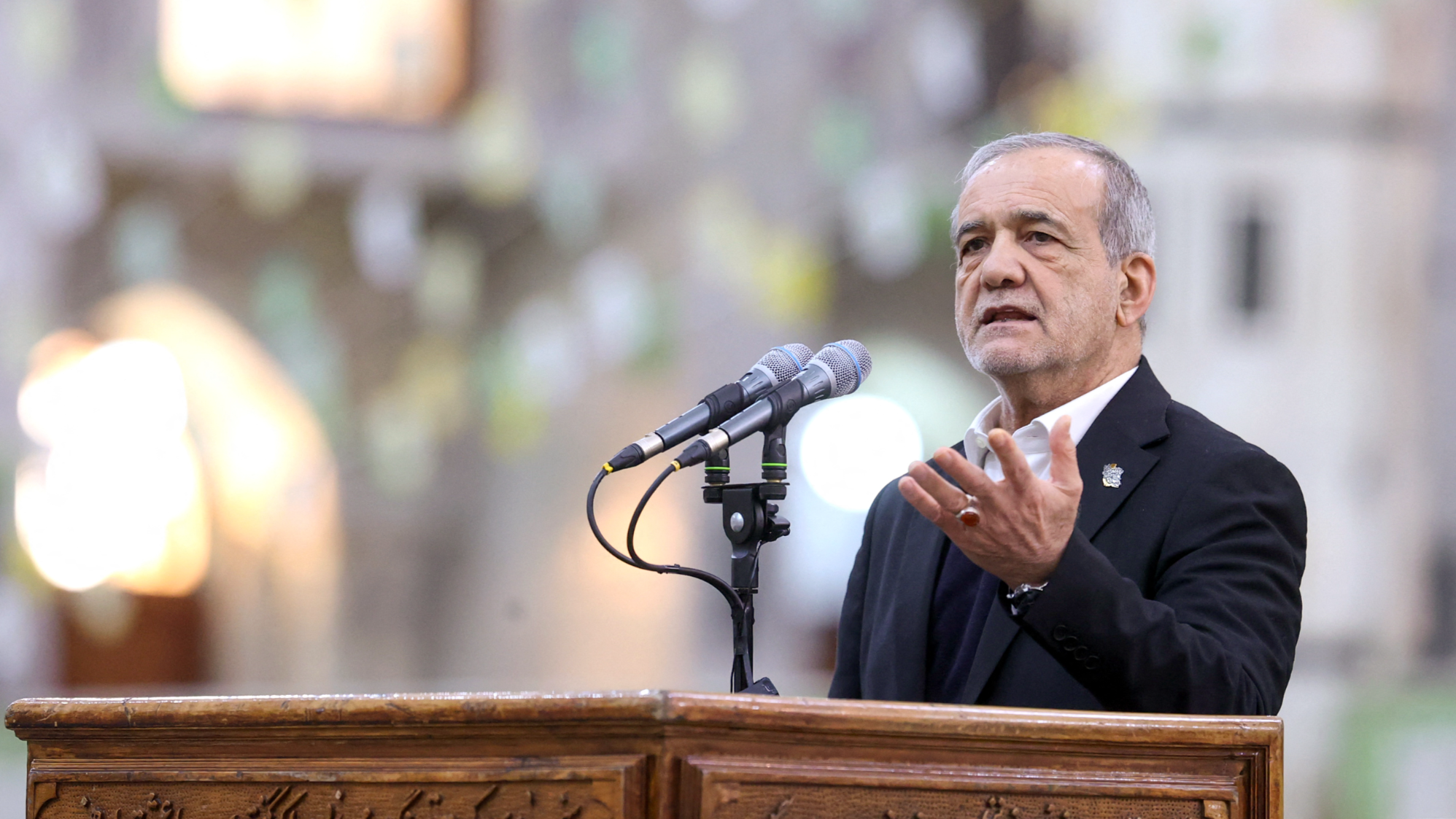
Iranian President Masoud Pezeshkian said at celebrations in Teheran for the 47th anniversary of the 1979 Islamic Revolution on Wednesday that a "wall of distrust" created by the West is hindering nuclear talks with the United States, vowing that Iran will never surrender to excessive demands and aggression.
Missile curbs
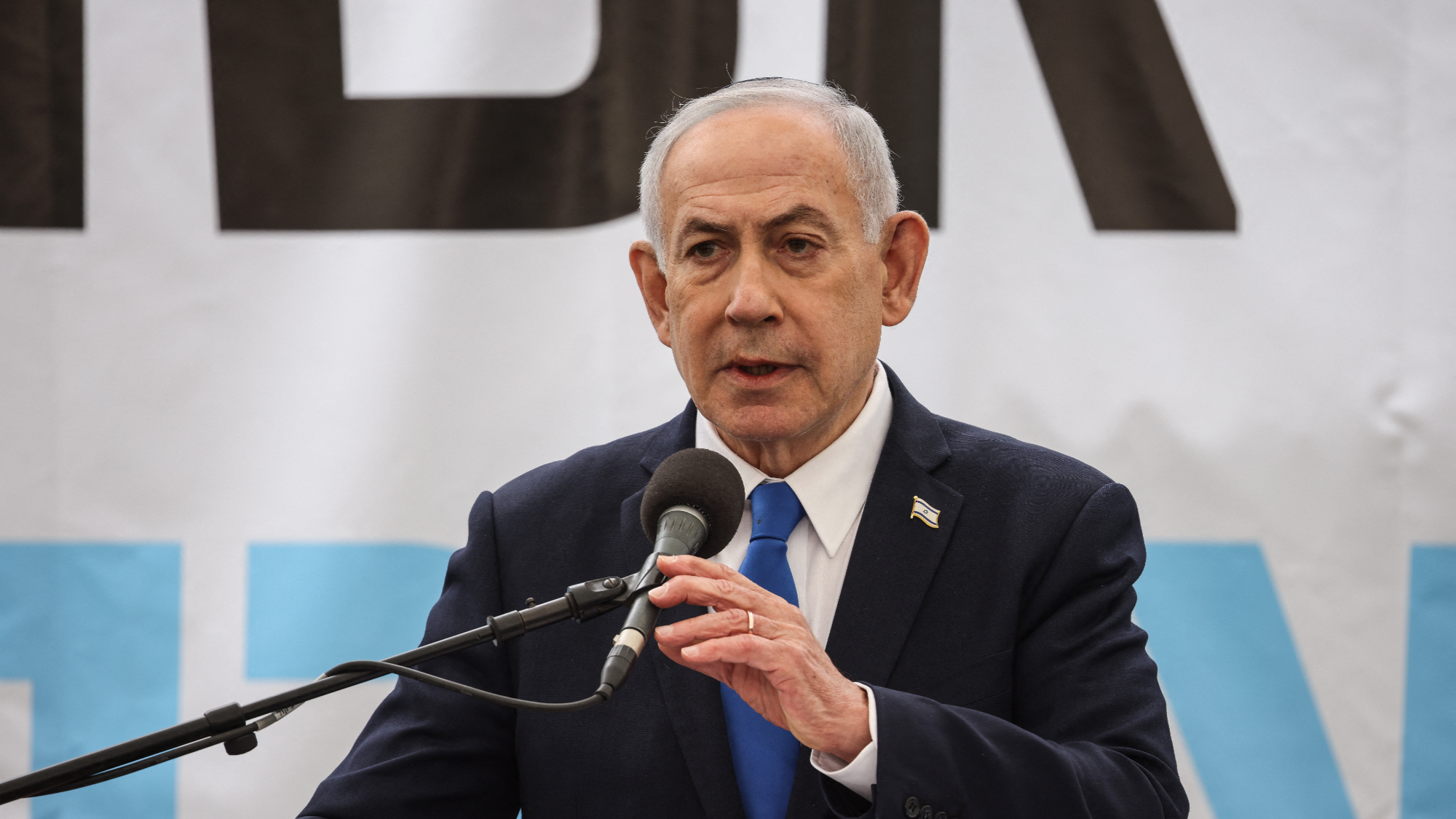
Israeli Prime Minister Benjamin Netanyahu said Thursday that he had "expressed general skepticism about the nature of any deal with Iran" and if a deal between the United States and Iran is indeed reached, it must include "the ballistic missiles and the Iranian proxies," demands Teheran has previously rejected.
His remarks came as Iran and the United States sent mixed signals regarding the future of their recently resumed nuclear talks. Teheran denied sending any formal communication to Washington, while the Pentagon is preparing for a potential second aircraft carrier deployment to the Middle East.
Netanyahu arrived at the White House on Wednesday morning for a meeting with the Donald Trump, their seventh since the start of Trump's second term. After a roughly three-hour meeting, he said the conditions for a good deal between the United States and Iran may be created.
"The conditions Trump is creating, combined with the fact that they must understand that they were wrong the last time they did not make a deal, could be the conditions for a good deal," said Netanyahu before leaving the United States for Israel without a press conference or a statement.
Despite the prime minister's push for a tougher stance, Trump reiterated his preference for a negotiated outcome shortly after their closed-door meeting.
"There was nothing definitive reached other than I insisted that negotiations with Iran continue to see whether or not a Deal can be consummated," Trump wrote on social media. "If it can, I let the Prime Minister know that will be a preference. If it cannot, we will just have to see what the outcome will be."
It's noted that Iran has drawn clear red lines around its enrichment capacity and refused to broaden the talks beyond the nuclear file.
Earlier on Wednesday, Secretary of Iran's Supreme National Security Council Ali Larijani told Qatar's Al Jazeera in an interview during his visit to Doha that the talks were focused exclusively on Iran's nuclear program, not on other issues.
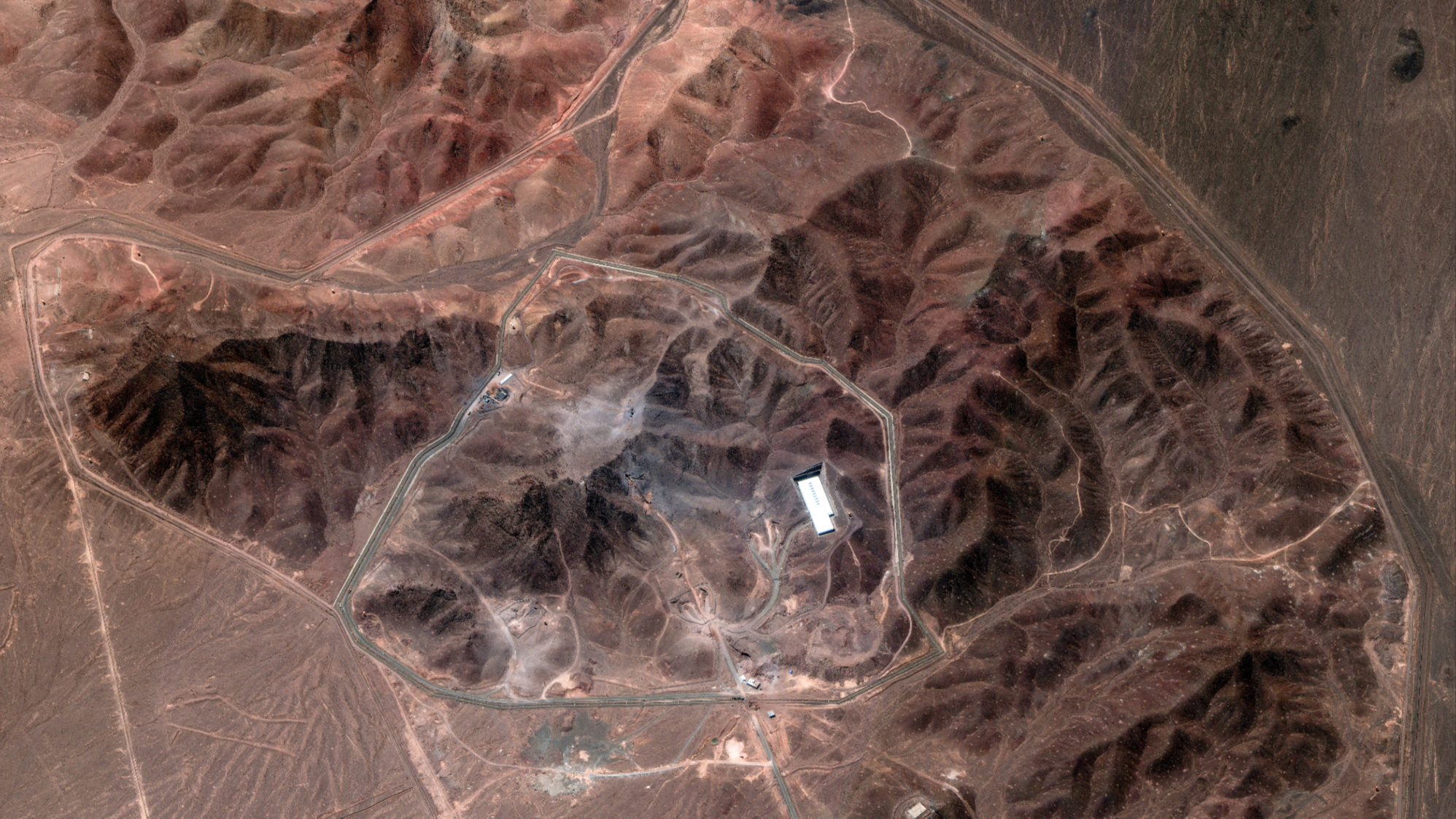
He also ruled out zero uranium enrichment on Iranian soil, citing domestic needs for energy and pharmaceuticals, and dismissed the possibility of negotiations on missile capabilities or regional alliances.
Larijani noted that Teheran had yet to receive any clear proposal from the United States, describing the first round of talks as "merely an exchange of messages."
In another interview with Iran's state-run IRIB TV late Wednesday, Larijani explained that Omani intermediaries conveyed "a few points" from the US side, which were provided in writing for review in Teheran.
"We had no letter for the American side," Larijani said, adding that the date for the next round of indirect talks has not been set, though both sides have expressed willingness to continue.
The diplomatic track unfolded against a backdrop of heightened US military readiness.
The Wall Street Journal reported on Wednesday that the Pentagon is ready to deploy a second aircraft carrier in the Middle East within two weeks, a move that would mark the first dual-carrier presence in the region since March 2025 when the USS Harry S Truman and the USS Carl Vinson were both in the Middle East to battle the Houthis in Yemen.
READ MORE: Trump says US mulling 'some very strong options' on Iran
The USS George H W Bush, currently completing a series of training exercises off the US East Coast of Virginia, could expedite its exercises, the report quoted US officials as saying, though Trump has yet to issue an official order for the deployment.
That plan could change, said the report.
Teheran and Washington held indirect talks last week in the Omani capital Muscat amid simmering tensions between the two sides following Washington's military buildup near Iran. The negotiations were their first since the United States bombed key Iranian nuclear sites in June last year.
