

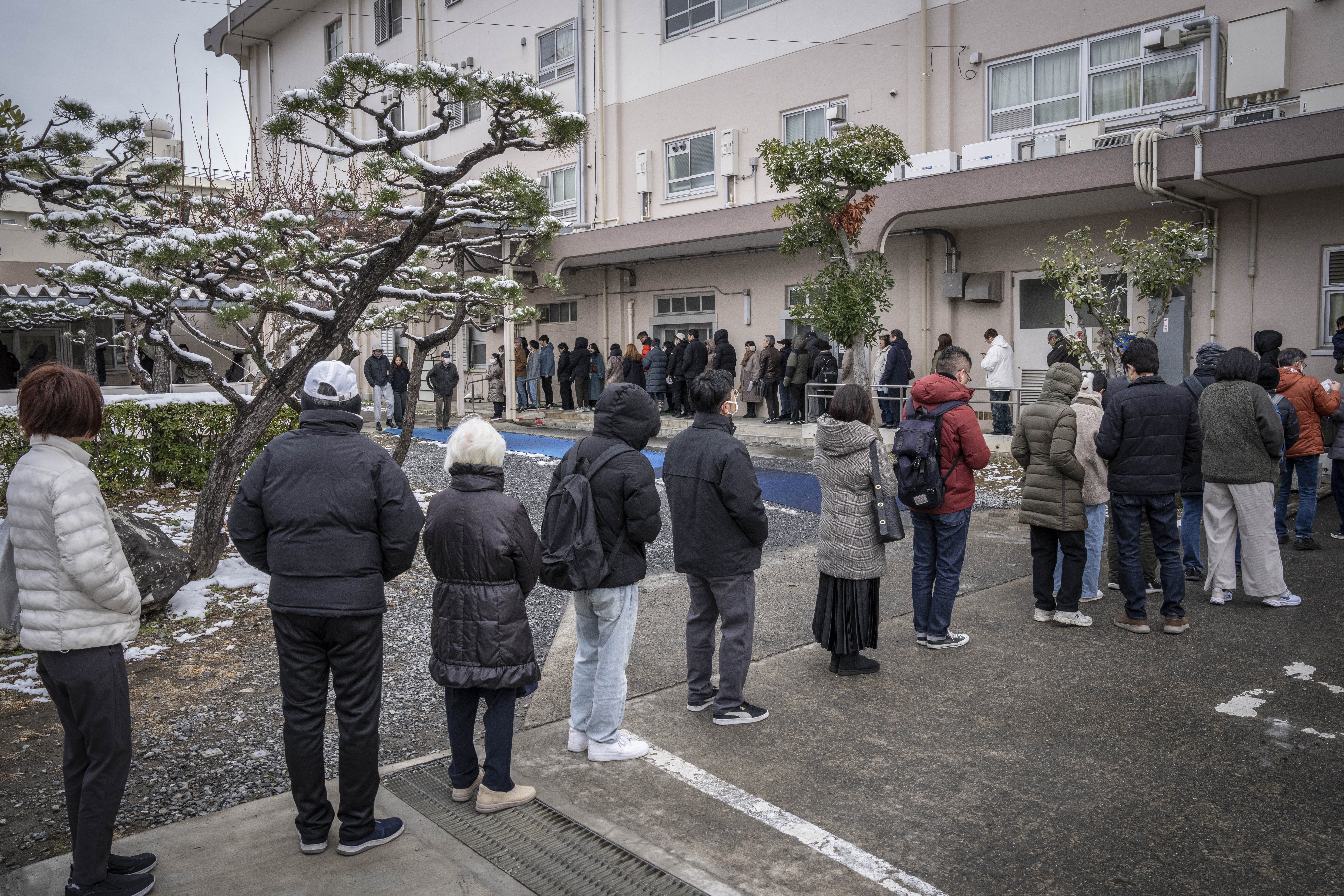
Voting in Japan's general election began on Sunday morning, with more than 1,200 candidates competing for 465 seats in the House of Representatives, the powerful lower chamber of parliament.
One main focus of the election is whether the ruling coalition — the Liberal Democratic Party and the Japan Innovation Party, led by Prime Minister Sanae Takaichi — can secure a majority in the lower House, or whether the opposition will gain ground.
Of the 465 seats up for grabs, 233 are required for a majority. The more seats the ruling bloc wins, the more stable the next government is expected to be. Passing budgets would also become easier.
ALSO READ: Japanese PM’s provocations denounced
Even if the upper house — where the ruling coalition lacks a majority — rejects a budget, it can still take effect automatically. This would allow the government to fund its key policies.
However, even if the ruling bloc secures a majority in the lower house, its minority status in the upper chamber will remain unchanged. As a result, new legislation will still require support from opposition parties.
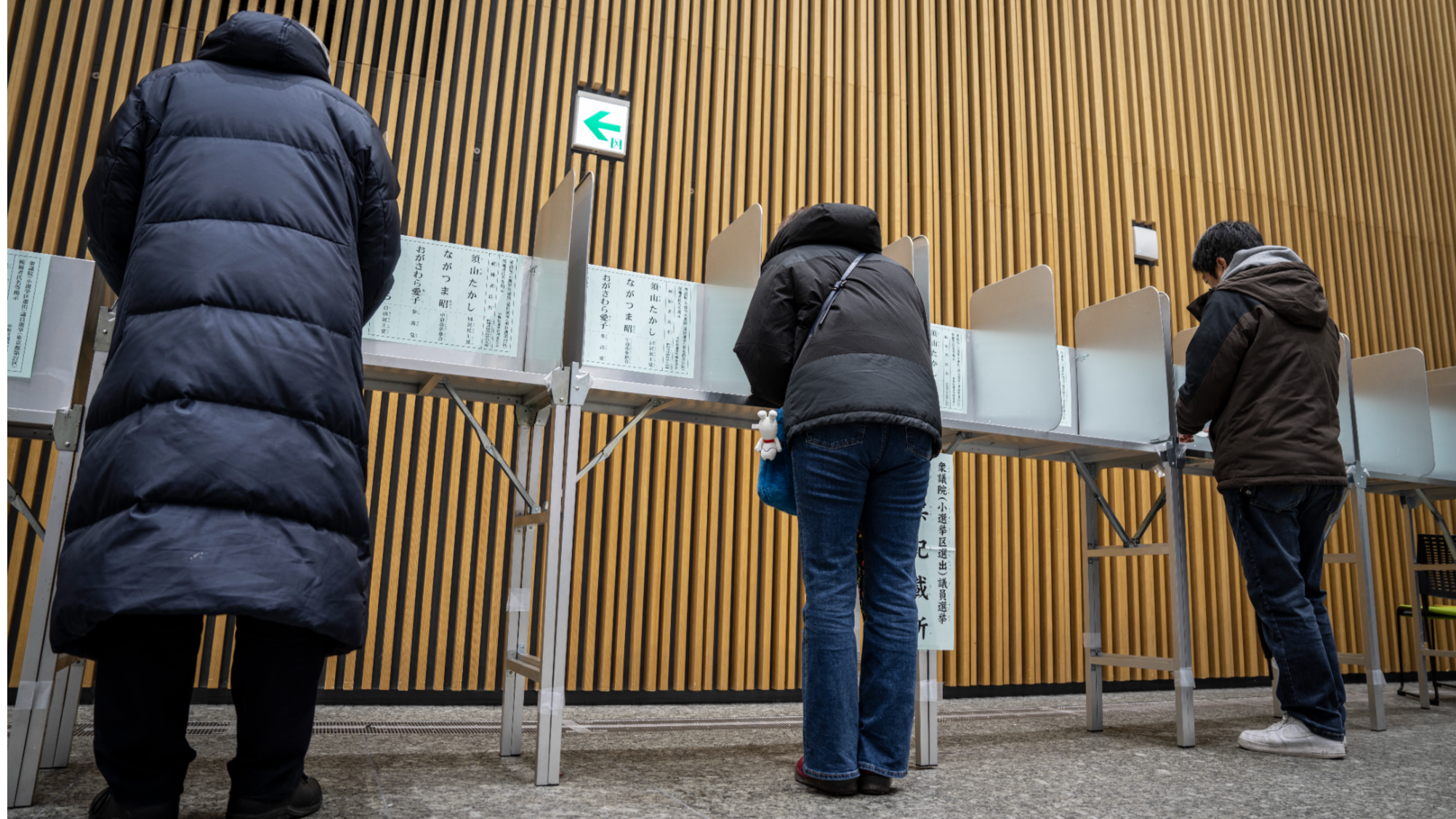
If the LDP and the JIP fail to win a lower house majority, Takaichi's position as prime minister could be at risk. She said last month she would "resign as prime minister" if the coalition did not secure a majority.
The Centrist Reform Alliance — a newly formed opposition bloc — was created by the Constitutional Democratic Party and Komeito, a former coalition partner of the LDP.
READ MORE: Japan's Takaichi criticized for calling snap election during entrance exam season
Of the 465 seats, 289 will be filled through single-member districts, while the remaining 176 will be allocated by proportional representation across 11 regional blocs.
Voting will end at 8 pm, although some polling stations are expected to close earlier due to heavy snowfall. The Ministry of Internal Affairs and Communications said vote counting is expected to be completed by around noon on Monday.
