

Washington walks back threat of force, but demand for handover of Arctic island threatens European alliance
Greenland — the world’s biggest island — covers over 2.16 million square kilometers, is strategically located between the Arctic Ocean and the North Atlantic Ocean, and has a small population of around 57,000 people.
The majority of the island is located in the Arctic Circle, and its nearest neighbors are Canada and Iceland.
The large, icy island, roughly six times the size of Germany, has been embroiled in a large international diplomatic row after US President Donald Trump ramped-up his desire this month to place the Danish territory under the United States’ control.
Trump said his quest to acquire the territory, known to be rich in natural resources, including critical rare earth minerals, was for “US national security” reasons, claiming on Jan 9 that it was “covered with Russian and Chinese ships all over the place”.
Chinese Foreign Ministry spokesman Guo Jiakun said at a news briefing that the “so-called China threat” is baseless, and that “China always believes that the purposes and principles of the UN Charter should be upheld when handling relations between countries”.
After a meeting with NATO Secretary-General Mark Rutte in Davos, Switzerland, on Jan 21, Trump posted on the Truth Social platform that he had forged the “framework of a future deal with respect to Greenland and, in fact, the entire Arctic Region. This solution, if consummated, will be a great one for the United States of America, and all NATO Nations”.
Yet, the mere idea that the US, a key ally, would even consider a takeover of the territory of a sovereign state — possibly by force until Trump ruled it out in his speech before the World Economic Forum in Davos — stunned European nations.
It did not just ruffle European leaders’ feathers; it rattled NATO — the transatlantic defense alliance that dates back nearly 80 years — as many of the European Union member states still rely heavily on the US for security.
“If gained through coercion, the impact would (have been) devastating for the United States and the rest of the world,” Michael A. Allen, a political science professor at the School of Public Service at Boise State University in Idaho, told China Daily.
“It is hard to imagine a scenario in which a US-led NATO would continue to exist, and this powerful, successful security framework could evaporate overnight. Other allies would question the US as a leader going forward; being an ally no longer protects one’s territorial integrity from the US.”
Denmark’s Prime Minister Mette Frederiksen stood firm, even after Trump’s apparent backdown at Davos. “We can negotiate on everything political, security, investments, (and the) economy. But we cannot negotiate on our sovereignty,” she said.
European leaders held an emergency summit in Brussels on Jan 22, to discuss Greenland, the alliance and EU-US ties.
“Trans-Atlantic relations have definitely taken a big blow over the last week,” the EU’s foreign policy chief, Kaja Kallas, said as she arrived at the meeting.
French President Emmanuel Macron said: “Things are quietening down and we should welcome that. We remain extremely vigilant and ready to use the instruments at our disposal should we find ourselves the target of threats again.”
The North Atlantic Treaty Organization (NATO) was formed on April 4, 1949 to provide collective security for members. It aimed to prevent Soviet expansion after World War II. Article 5 of the treaty states if one member state is attacked, it would be considered as an attack against all the members.
European nations did, however, breathe a sigh of relief after Trump called off his threat to impose new tariffs on eight European nations that opposed his plan to take over Greenland.
Several world leaders, including Macron, British Prime Minister Keir Starmer and Canadian Prime Minister Mark Carney, were uncharacteristically forthright in criticizing the US’ push to acquire Greenland.
For many, the US president’s renewed interest in Greenland was puzzling. In 2019, during his first presidential term, Trump made an offer to buy the island, but was told by Denmark it was “not for sale”.
Several other factors make Greenland, a semi-autonomous region of Denmark, highly coveted. The foremost one is that while covered in ice, it has a wealth of natural resources.
In 1850, the mineral cryolite, which has a very high melting point, was found in southwest Greenland and mined by settlers. During World War II, the Allied forces were supplied with cryolite mined from Greenland to produce the aluminum needed to make warplanes.
After World War II, geological mapping in Greenland began in earnest. Rare earth minerals — highly sought worldwide for use in smartphones and defense industries, among other applications — were found there.
The 2023 Geological Survey of Denmark and Greenland also found that other critical minerals including graphite, niobium and titanium exist on the island.
China, the world’s biggest producer of rare earth minerals, has recently tightened its export controls, driving the US to start looking for alternative sources.
While details of the “framework” of a future Greenland deal remain sparse, Trump told reporters in Davos on Jan 21 that it gave the US “everything it wanted”.
“It’s a deal that everybody’s very happy with. It’s the ultimate long-term deal, and I think it puts everybody in a really good position, especially as it pertains to security and minerals and anything else,” he said.
Greenland might also be home to large oil reserves. A newly released report has positioned Greenland’s Jameson Land basin as one of the most significant undeveloped onshore oil plays in the world, Energy, Oil and Gas Magazine reported.
An independent prospective resource evaluation by energy advisory and technical consulting firm Sproule ERCE estimated that the basin contains about 13.03 billion barrels of recoverable oil.
Trump said on Jan 11 that the US could offer better security, as Denmark’s military defense of Greenland only consists of “two dogsleds”.
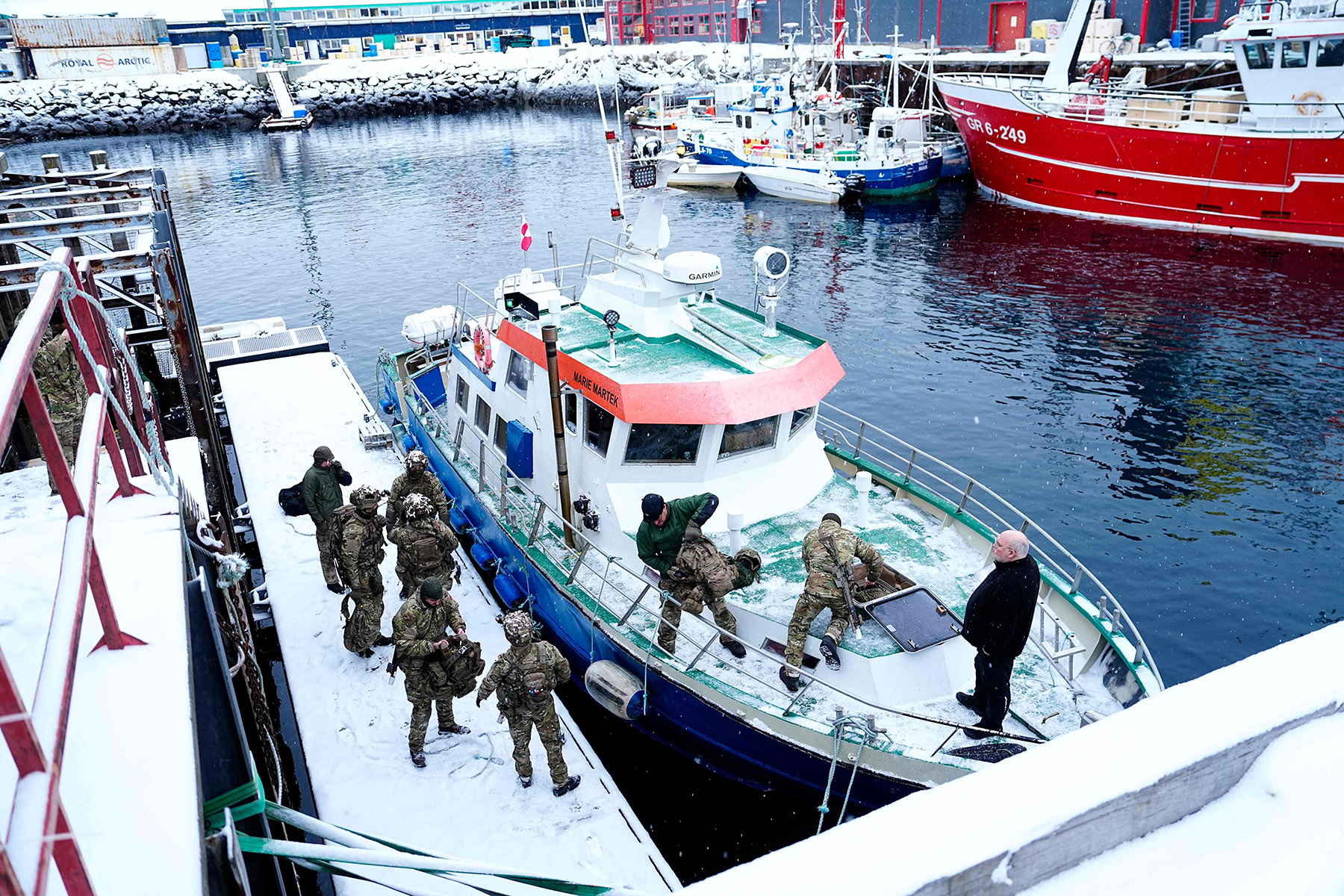
However, Allen, the political scientist, said if the US had “just taken control” it would have shaken existing norms.
“An attack on Greenland would (have been) a continued push toward a world order defined by regional hegemons and the power they have over their respective spheres of influence, rather than a rules-based order that the US has pushed since the end of World War II,” he said.
“Such a world may have empowered the US in the Western Hemisphere, but the US would have become increasingly isolated from Europe, Africa, the Middle East, and Asia.”
Steven L. Lamy, a professor emeritus of international relations and spatial sciences at the University of Southern California’s Schaeffer Institute for Public Policy & Government Service, pointed out that Greenland and Denmark are members of NATO and “thus are protected by NATO member countries”.
The reason that Trump cited growing Chinese and Russian military forces was that “the national security argument always works in the US, and Greenland was an important security concern during the Cold War”, Lamy said.
Since 1951, the US has had a defense agreement with Denmark that allows it to expand its military presence in Greenland.
In World War II, when Nazi Germany occupied Denmark, US troops launched military and radio stations in Greenland. The military remained after the war and the US currently operates Pituffik Space Base there.
Allen said that it is not just minerals that make Greenland so alluring for the Trump administration. The island is in a “strategic location”, as climate change “has created several new opportunities in the Arctic”.
Increased navigation in the Northwest Passage and the Northern Sea Route would offer shorter shipping routes and passage from the Atlantic to the Pacific, which would help lower trade costs, Allen said.
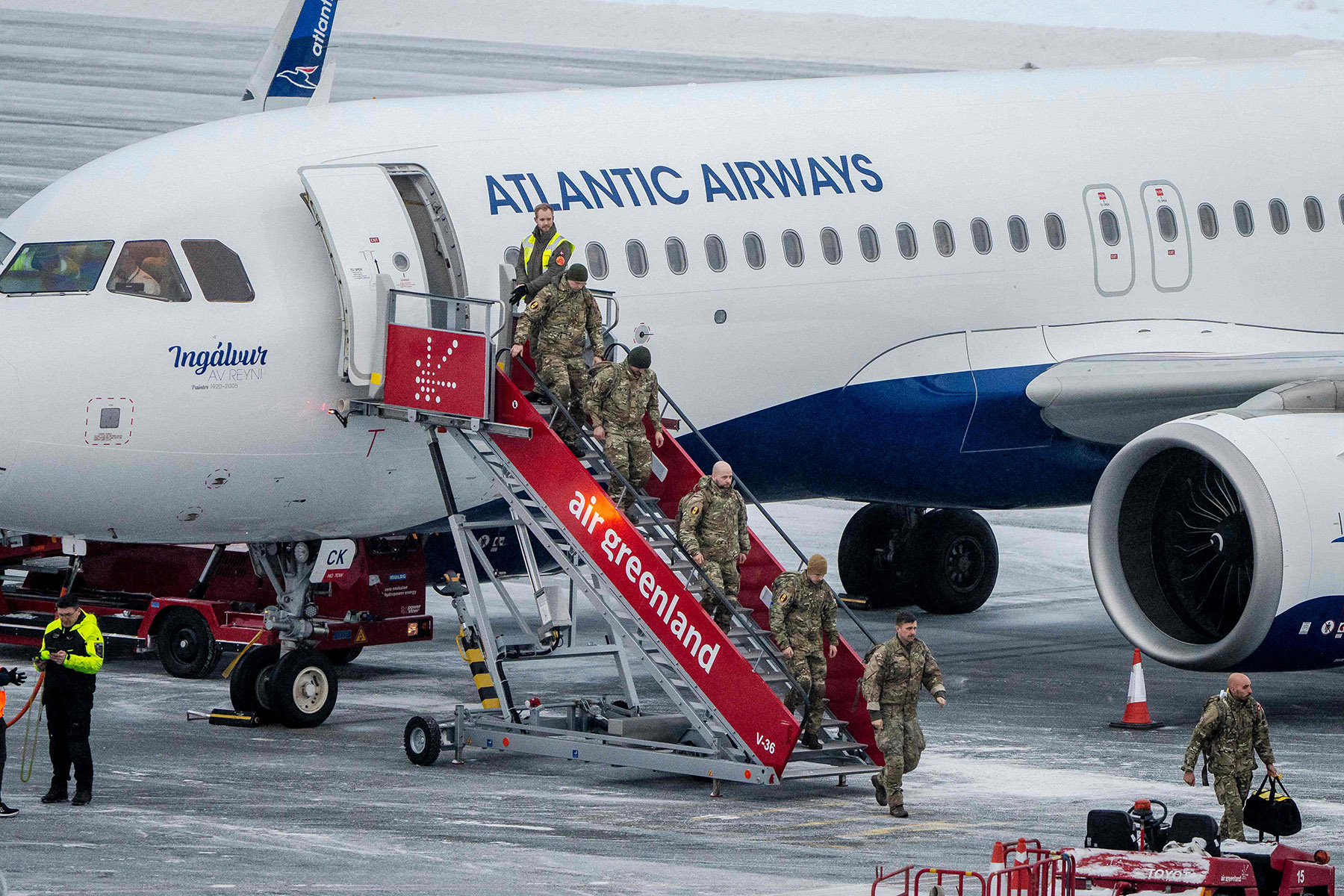
Greenland could also be important for the US “Golden Dome” missile defense shield.
Amid the tug-of-war over Greenland, its population, the vast majority of whom are Indigenous Inuits called Kalaallit, have been watching closely.
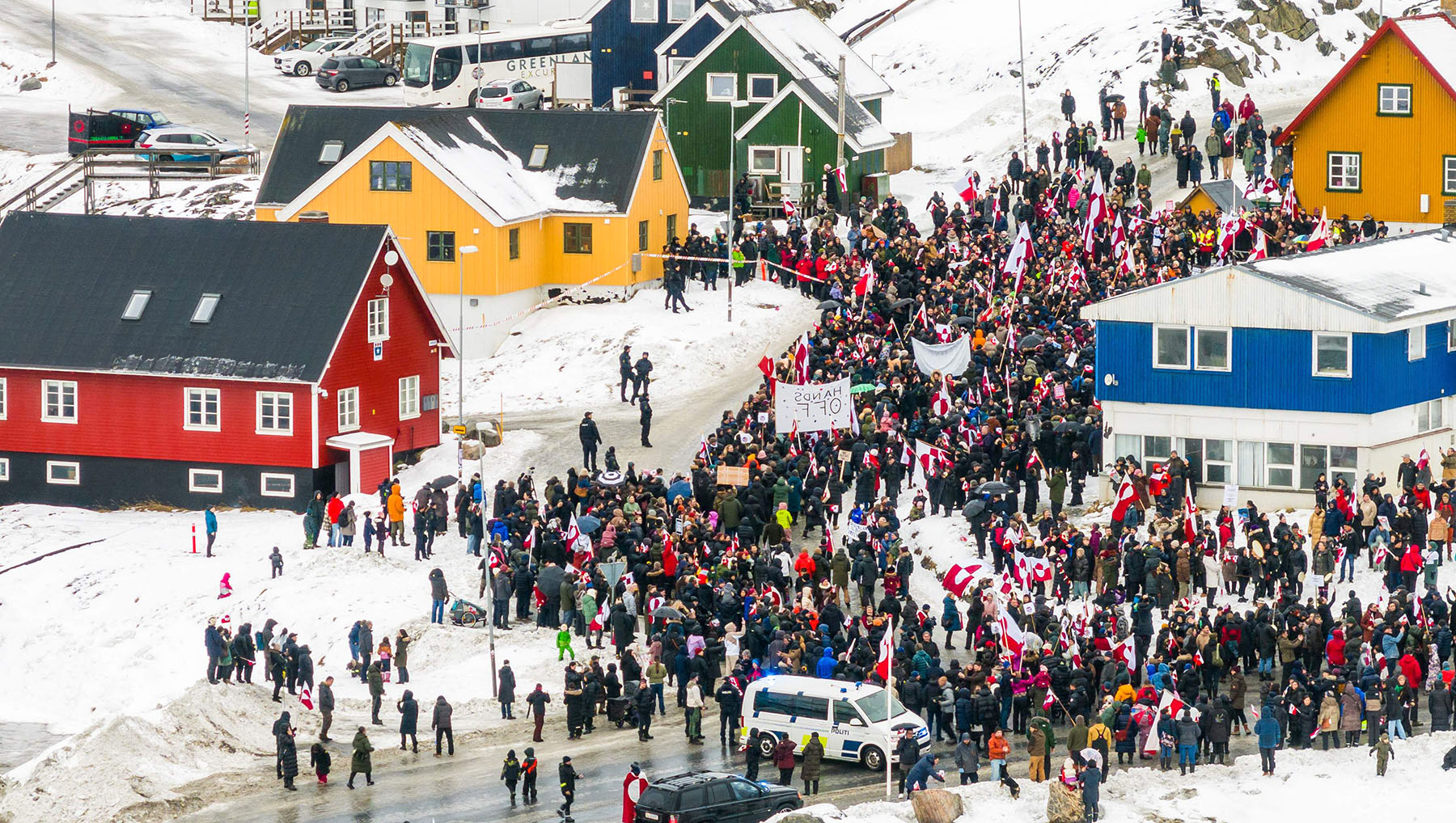
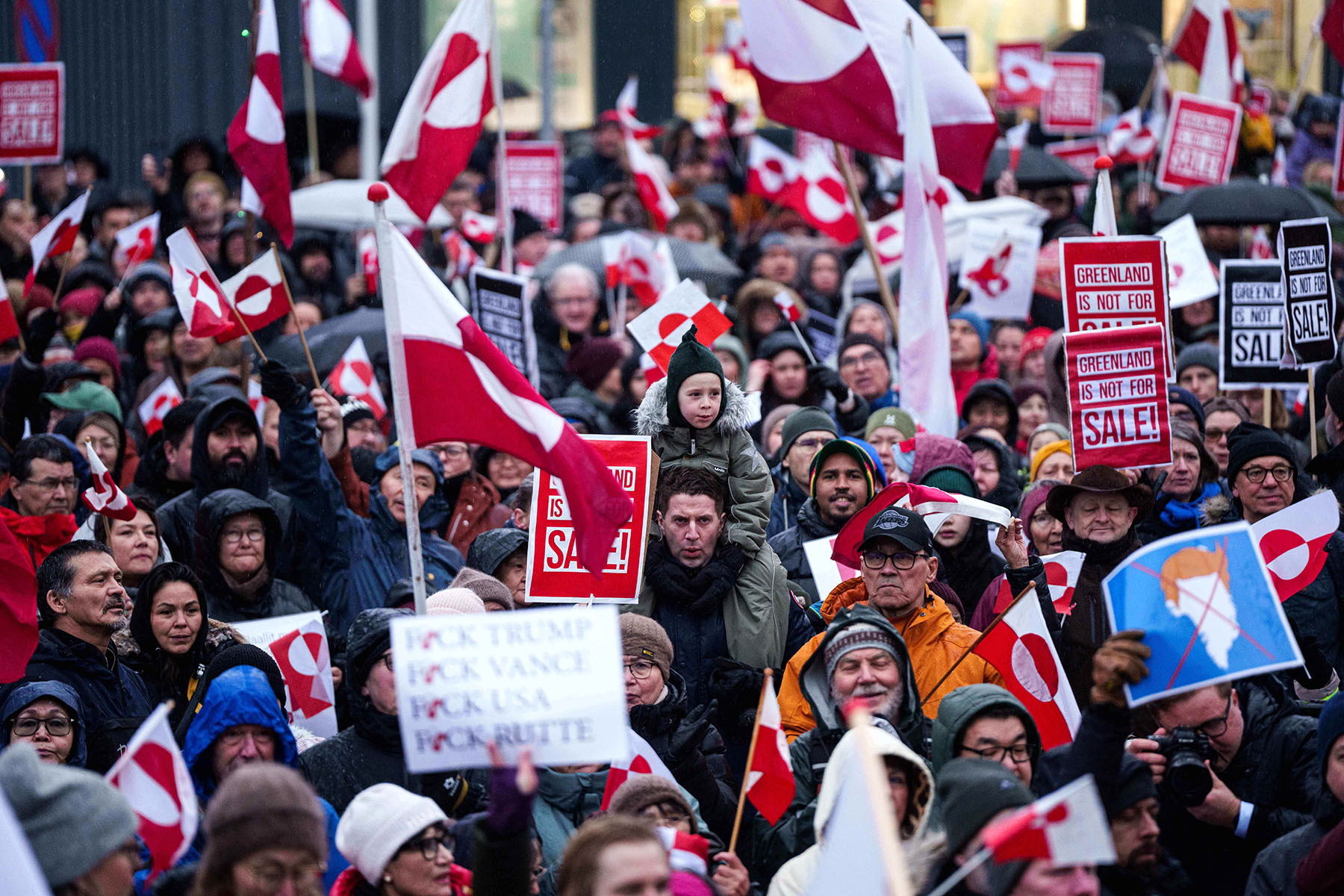
Widespread protests against a US takeover took place on Jan 17 in Copenhagen, Aarhus, Aalborg and Odense in Denmark, with Greenlanders also joining in.
The demonstrations were organized by Uagut, the National Organization for Greenlanders; the citizen initiative Hands Off Kalaallit Nunaat; and Inuit — the Joint Association of Greenlandic Local Associations in Denmark along with ActionAid Denmark.
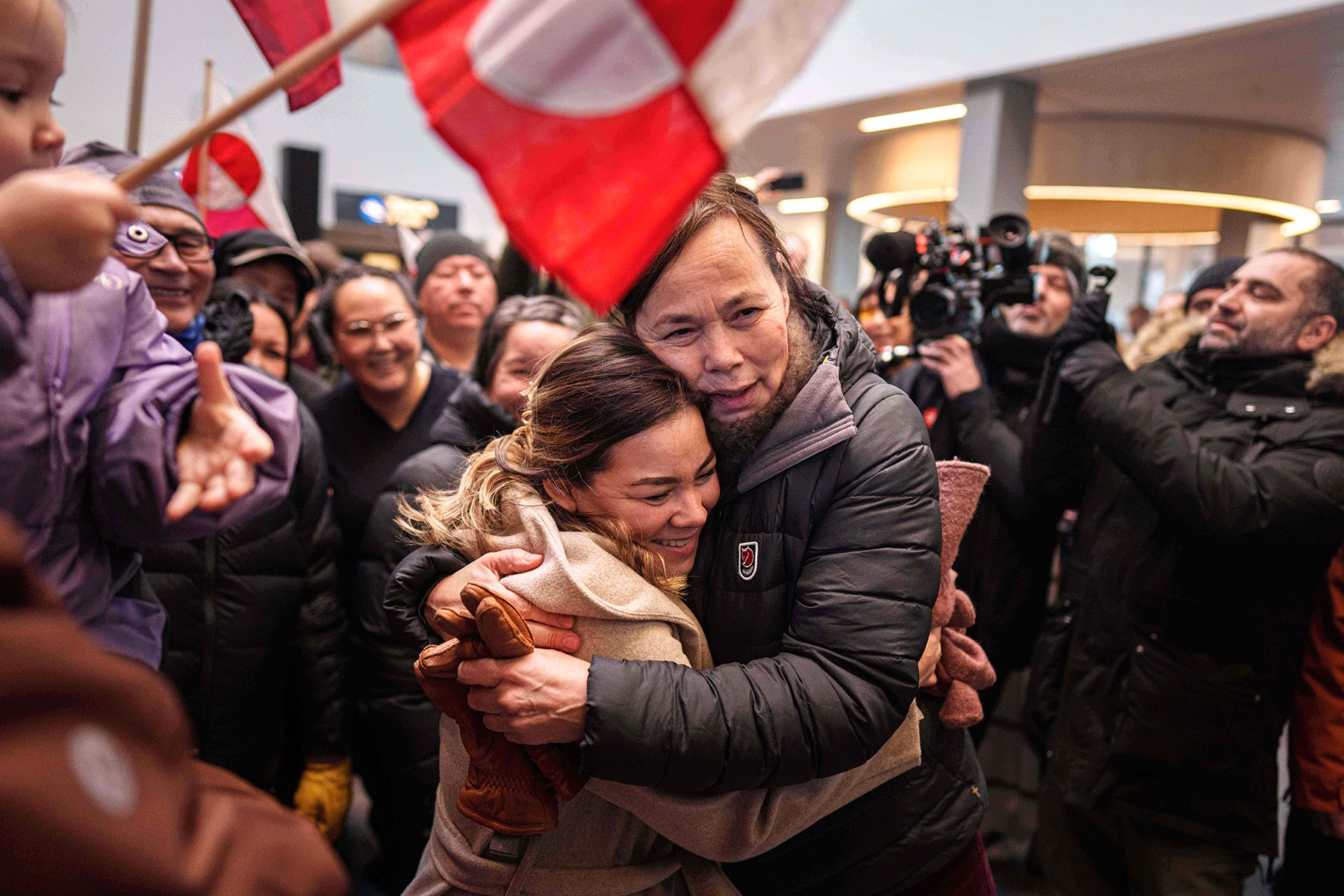
“The threats from the American president to annex Greenland felt like psychological warfare,” Julie Rademacher, chair of Uagut in Denmark told China Daily.
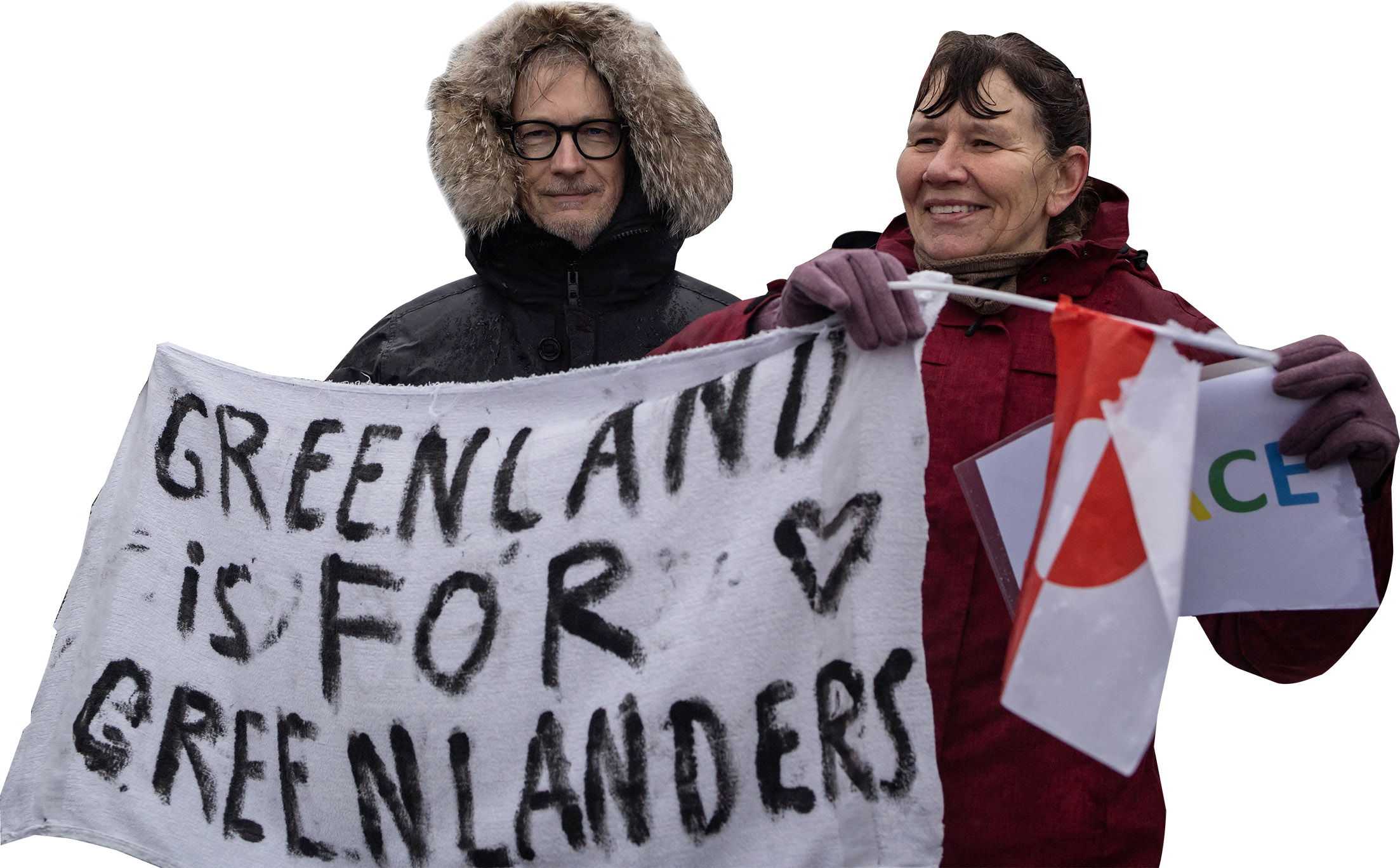
“Greenland is not for sale,” she said. “It is not a territory to be purchased, annexed, or bargained away. It is home to 57,000 people with their own language, culture, parliament, and democratically elected government.”
At least 85 percent of Greenlanders do not want their island to become a part of the US, a poll in Danish newspaper Berlingske and Greenland’s Sermitsiaq newspaper found.
Most Greenland residents live in the capital, Nuuk. But some families, especially those with children, have been feeling so unsettled that they have considered moving from Greenland to a safer life in Denmark, Rademacher said.
“It is a very difficult time to be a Greenlander. We take this fight for our children and for future generations. Because we want democracy, we want freedom, and we stand behind Greenland,” she said.
Contact the writers at belindarobinson@chinadailyusa.com
