

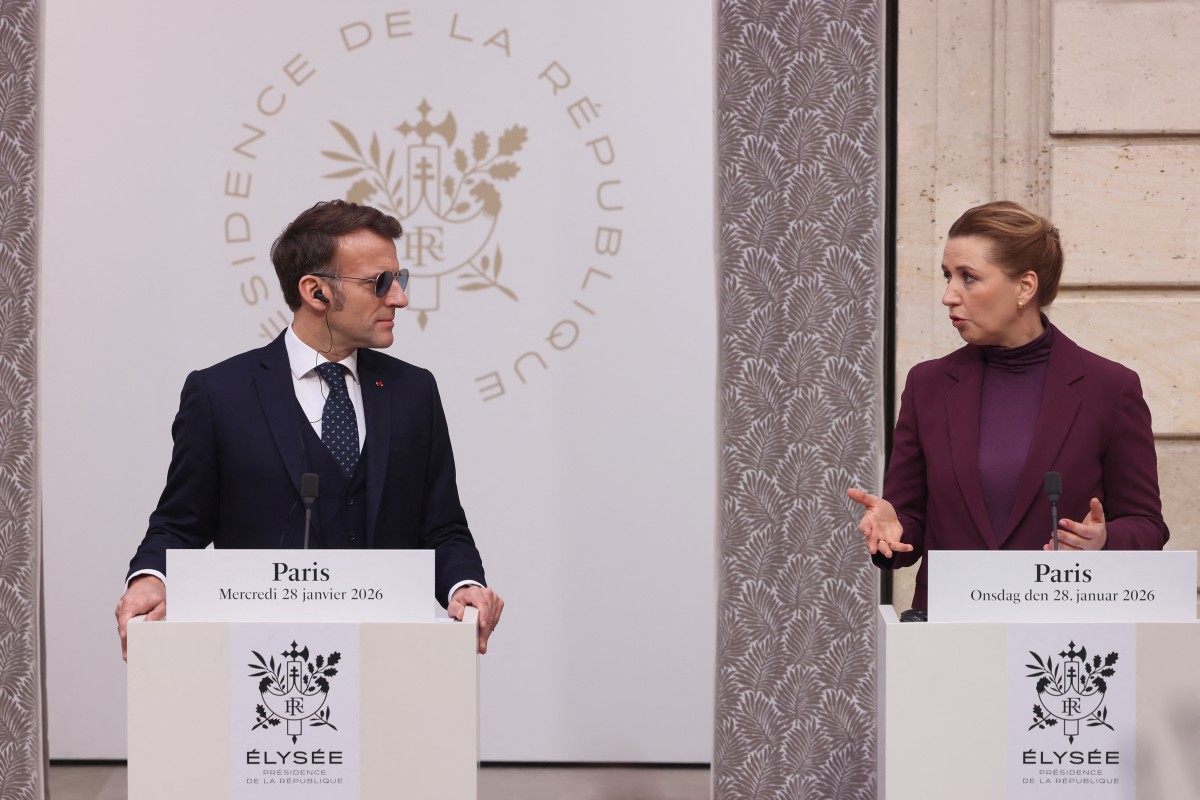
PARIS/BERLIN/WARSAW - Danish Prime Minister Mette Frederiksen on Wednesday denied that there was an agreement between the North Atlantic Treaty Organization (NATO) and the United States on the Greenland issue.
"It's not an agreement," Frederiksen told French TV channel France 2, when asked about US President Donald Trump's claim in Davos that he had reached an agreement with NATO on Greenland.
Essentially, a state is sovereign; its borders must be respected, and the right of other peoples to self-determination must be respected, Frederiksen said in the interview.
If military means are used in Greenland, everything grinds to a halt, Frederiksen noted, adding that "it would go against everything we've been building since the end of the Second World War."
Frederiksen arrived in France on Wednesday together with Greenlandic Prime Minister Jens-Frederik Nielsen.
French President Emmanuel Macron said at a joint press conference that escalating tensions with the US over Greenland constitutes a strategic wake-up call for Europe as a whole, while reiterating France's solidarity with Denmark and Greenland.
Greenland, the world's largest island, is a self-governing territory within the Kingdom of Denmark, with Copenhagen retaining control over defense and foreign policy. Since returning to office in 2025, Trump has repeatedly expressed a desire to "obtain" Greenland, a move that has been repeatedly rejected by Europe.
'Europe is US partner, not subordinate'
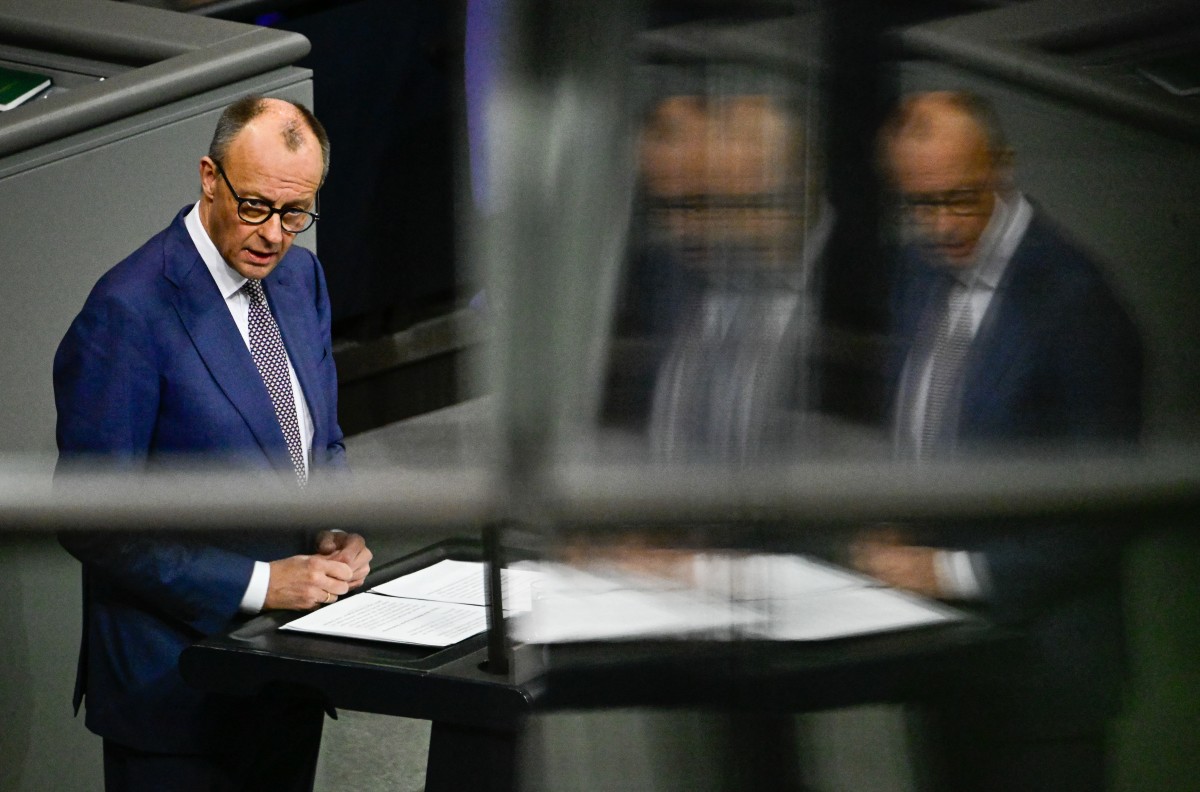
Also on Thursday, German Chancellor Friedrich Merz said while Europe remains a close partner to the United States, it is not a subordinate power.
In a government statement delivered to the Bundestag, the lower house of parliament, Merz emphasized that the trust built within NATO remains the "best guarantee for freedom, peace, and security", but "we are partners and allies, and not subordinates."
ALSO READ: US' Greenland push rattles NATO alliance, experts say
Recalling Germany's engagement alongside the United States in the war in Afghanistan, Merz said 59 German soldiers lost their lives, and over 100 were injured. He said he would not allow this contribution to be disparaged.
'European legion' for EU defense cooperation
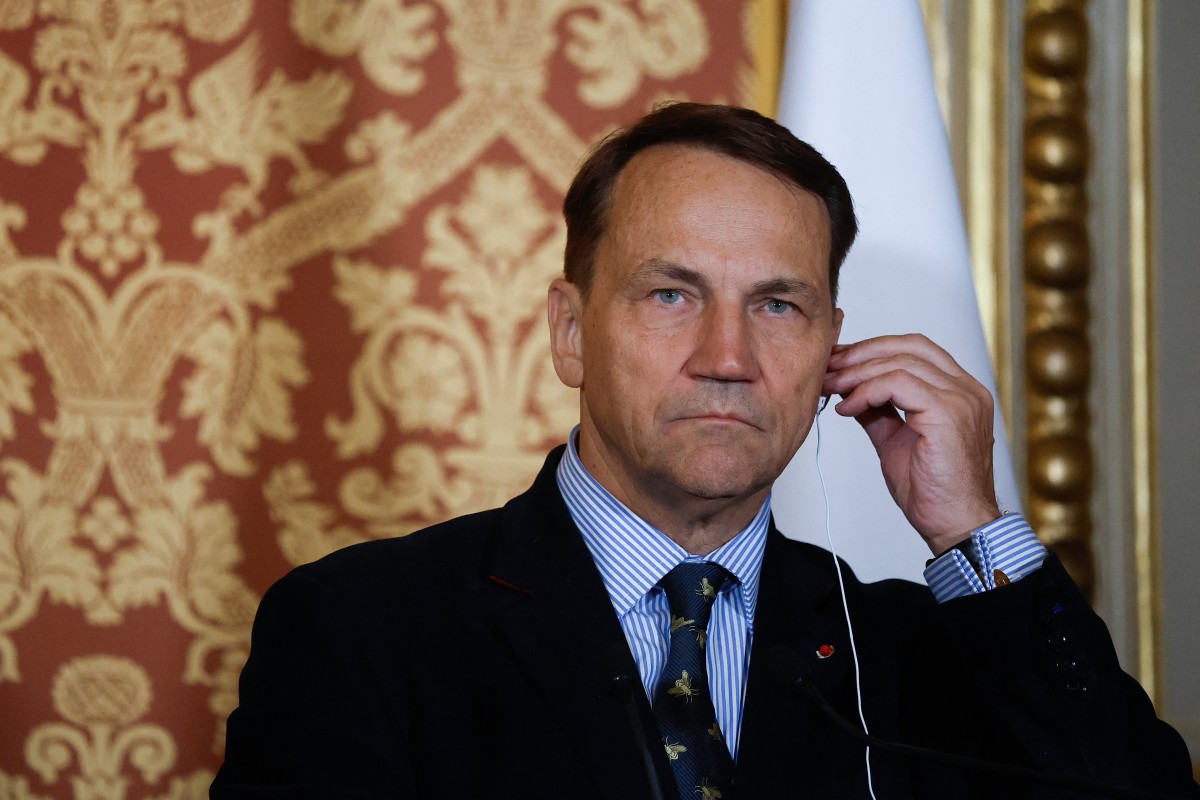
Meanwhile, Polish Foreign Minister Radoslaw Sikorski proposed an EU-funded "European legion", suggesting a brigade-sized force to address the bloc's deteriorating security, according to a report by the Polish Press Agency.
Sikorski made the remarks in Brussels when questioned by journalists about the idea of a European army proposed in January by European Commissioner for Defense and Space Andrius Kubilius.
A federal European Union army is unrealistic because national forces will not merge, but a "European legion" could be created, Sikorski said.
ALSO READ: NATO boss Rutte slaps down calls for European army prompted by Trump fears
Such a legion could initially be established at brigade level, be open to citizens of EU member states and possibly candidate countries, and be financed from the EU budget, he said.
