

Zero domestic cases confirmed as authorities focus on surveillance
Zero Nipah virus infections have been detected in China, national disease control and prevention authorities have said in the wake of a recent outbreak in India, adding that health authorities have nevertheless begun risk assessments and strengthened monitoring mechanisms.
Nipah, a zoonotic virus first identified in the 1990s in Malaysia, spreads through fruit bats, pigs and human-to-human contact. The common symptoms of the infection include high fever, vomiting and convulsions. The virus has an estimated fatality rate of 40 percent to 75 percent, according to the World Health Organization, and the only known treatment is supportive care to control complications.
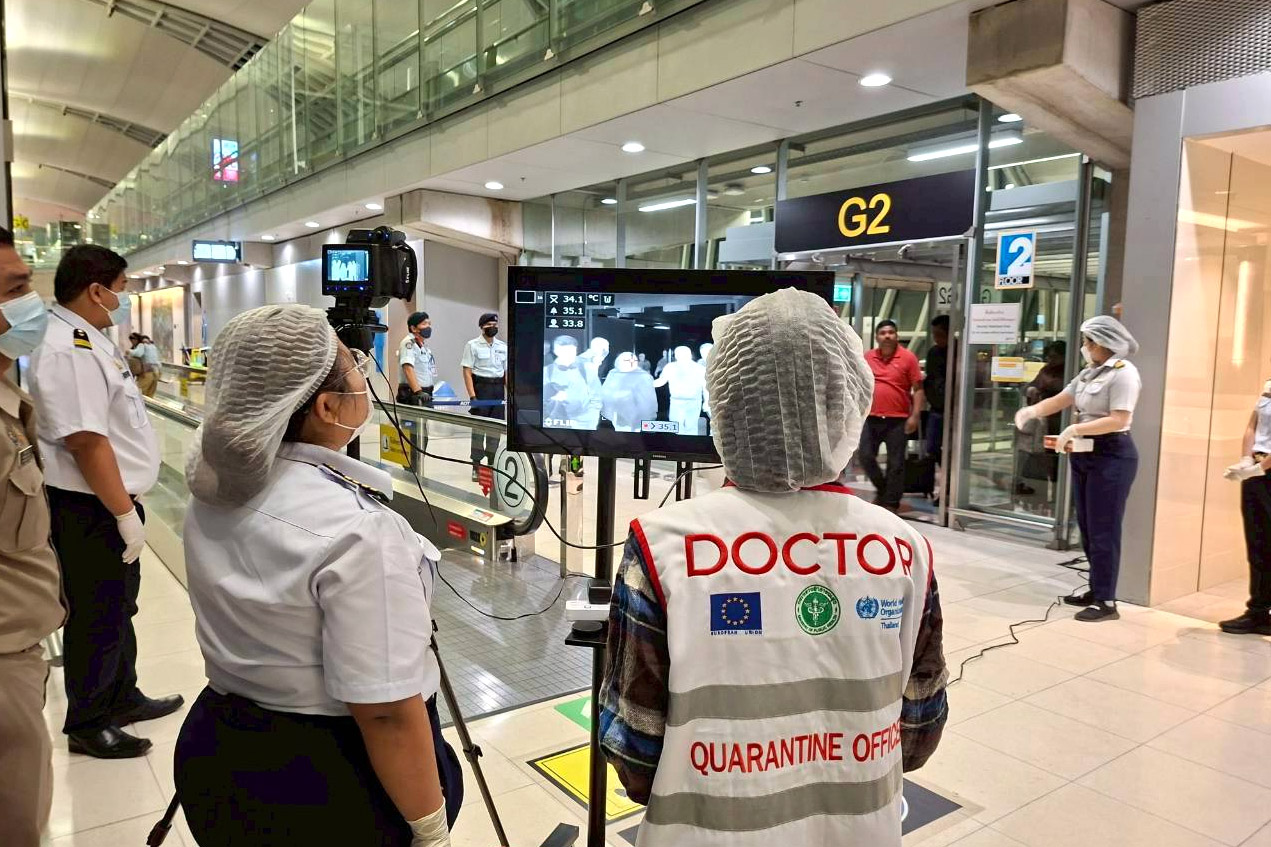
As several Asian countries, including Thailand and Malaysia, tightened health screenings and airport surveillance for travelers arriving from high-risk areas, India's Ministry of Health said the outbreak has been contained.
It confirmed two Nipah cases in the eastern state of West Bengal, dismissing preliminary reports of five. All 196 close contacts were quarantined and tested, it said, adding that the test results came back negative.
While not ruling out the risk of imported cases, China's National Disease Control and Prevention Administration said on Tuesday that as the country does not share a border with the Indian state where the Nipah outbreak is currently concentrated, the impact probability remains low.
"The virus is primarily transmitted through direct contact with infected animals, patients, or contaminated materials. Its ability to survive in the general environment is weak, and the risk of public exposure remains low," the administration stated in a report by China Central Television.
It confirmed that no cases have been registered in China and that the country is likely to experience limited effects from the overseas outbreak. "Nevertheless, the risk of imported cases persists, and precautionary measures should be reinforced," it added.
The administration said it is closely monitoring and assessing the international epidemic situation, enhancing personnel training, and strengthening response capabilities in border regions.
China has also developed, produced, and stockpiled nucleic acid testing kits for the Nipah virus. All provincial-level disease control centers are equipped to conduct targeted laboratory testing for early detection.
According to the administration, the Nipah virus is a zoonotic pathogen, with fruit bats serving as its primary natural hosts. Humans can become infected through direct contact with infected animals or by consuming food contaminated with their bodily fluids or excrement. The virus can also spread via close contact with infected individuals or their bodily fluids.
Infection may lead to a range of respiratory and neurological symptoms, including fever, cough, difficulty breathing, headache, and dizziness, and can result in death. Currently, there are no specific remedies or vaccines available against the virus.
ALSO READ: One dead from Nipah virus in India's Kerala state, state health minister says on local TV
Also on Tuesday, Chinese researchers reported that a domestically developed antiviral drug, originally approved for COVID-19, has demonstrated significant antiviral activity against the Nipah virus and could be "a very promising oral candidate" for treatment, according to the researchers.
Thailand's Civil Aviation Authority announced that, starting Monday, it has implemented screening for all flights arriving from India's West Bengal State. Inbound travelers are required to undergo temperature checks and complete a health declaration form before clearing customs.
Myanmar's Ministry of Health said it has intensified monitoring measures, as the country has a large population of fruit bats and shares borders with affected regions. No cases have been reported there so far.
Aparajit Chakraborty in New Delhi contributed to this story.
Contact the writers at wangxiaoyu@chinadaily.com.cn
