

Regulatory reforms, greater investment drive rapid local and global growth
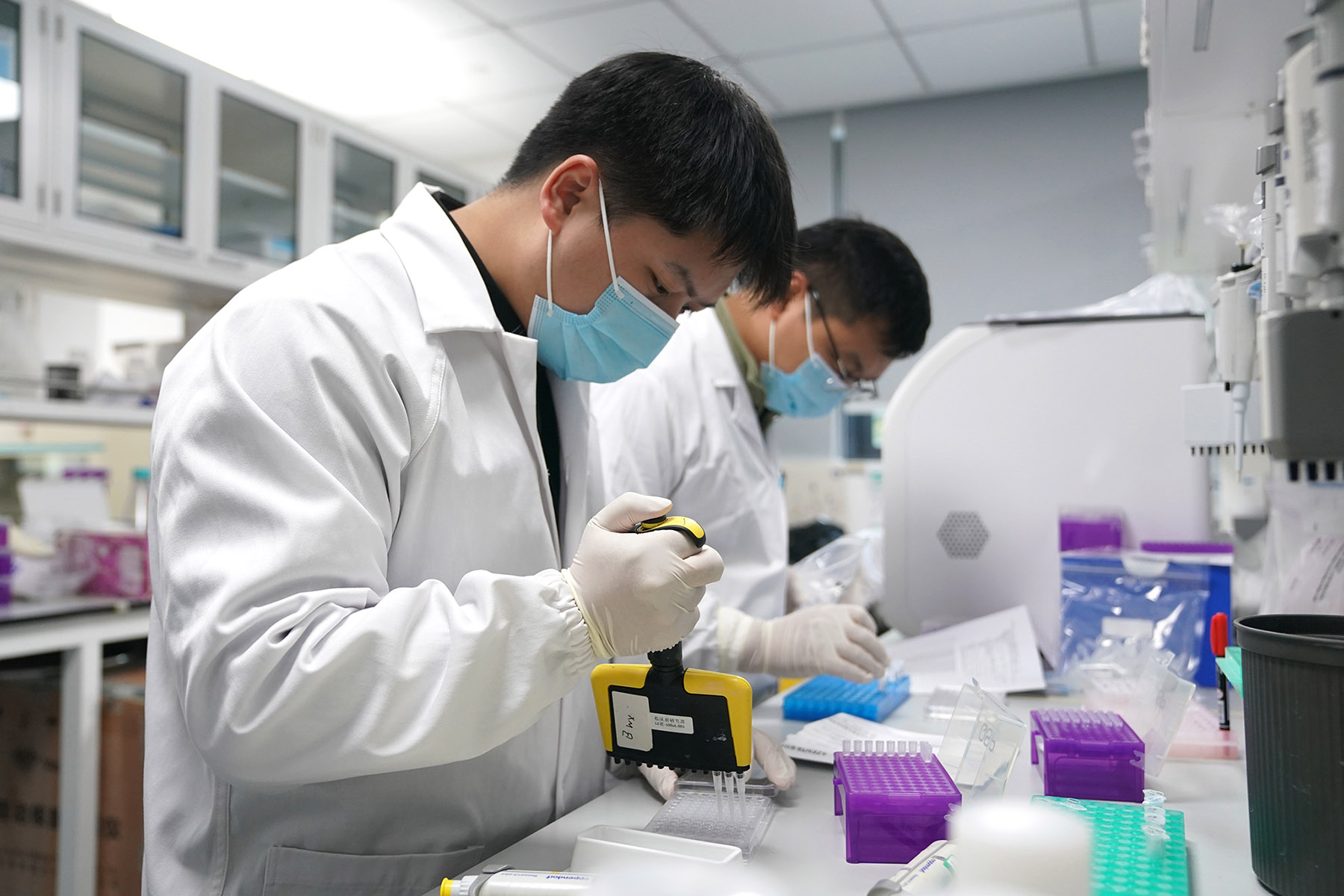
On a chilly winter morning in Beijing, 38-year-old Zhang, who had long struggled with thyroid eye disease, felt a warm glimmer of hope as he received the doctor's prescription.
It gave him access to a novel domestic drug designed to alleviate the bulging eyes and double vision caused by his condition. As the first new treatment for the disease in China in over seven decades, the injection costs Zhang only a fraction of the price of its foreign equivalents, thanks to its inclusion in the updated national reimbursement drug list for 2026.
"I don't have to worry about the treatment cost anymore, and I can see hope for returning to a normal life," he said during an interview in early January at Beijing Tongren Hospital.
In recent years, stories like Zhang's — in which better, novel therapies become accessible to patients, often at more affordable prices — have proliferated alongside a booming domestic biopharmaceutical industry.
READ MORE: Chinese-made new drugs big hit overseas
This progress has been buoyed by robust drug regulatory reforms, steady growth in capital investment and talent and a growing emphasis on innovation, experts said.
Developing novel drugs is a notoriously lengthy and costly process, with a failure rate of about 90 percent. The process typically takes about 10 years and costs $1 billion on average, according to researchers and pharmaceutical companies.
Novel drugs in China are generally defined as therapeutic products that have never been approved or marketed domestically or overseas. They are further classified into two categories — improved forms of new drugs, as in the case of the thyroid eye disease injection, and innovative drugs that contain new molecular entities.
Biotech power
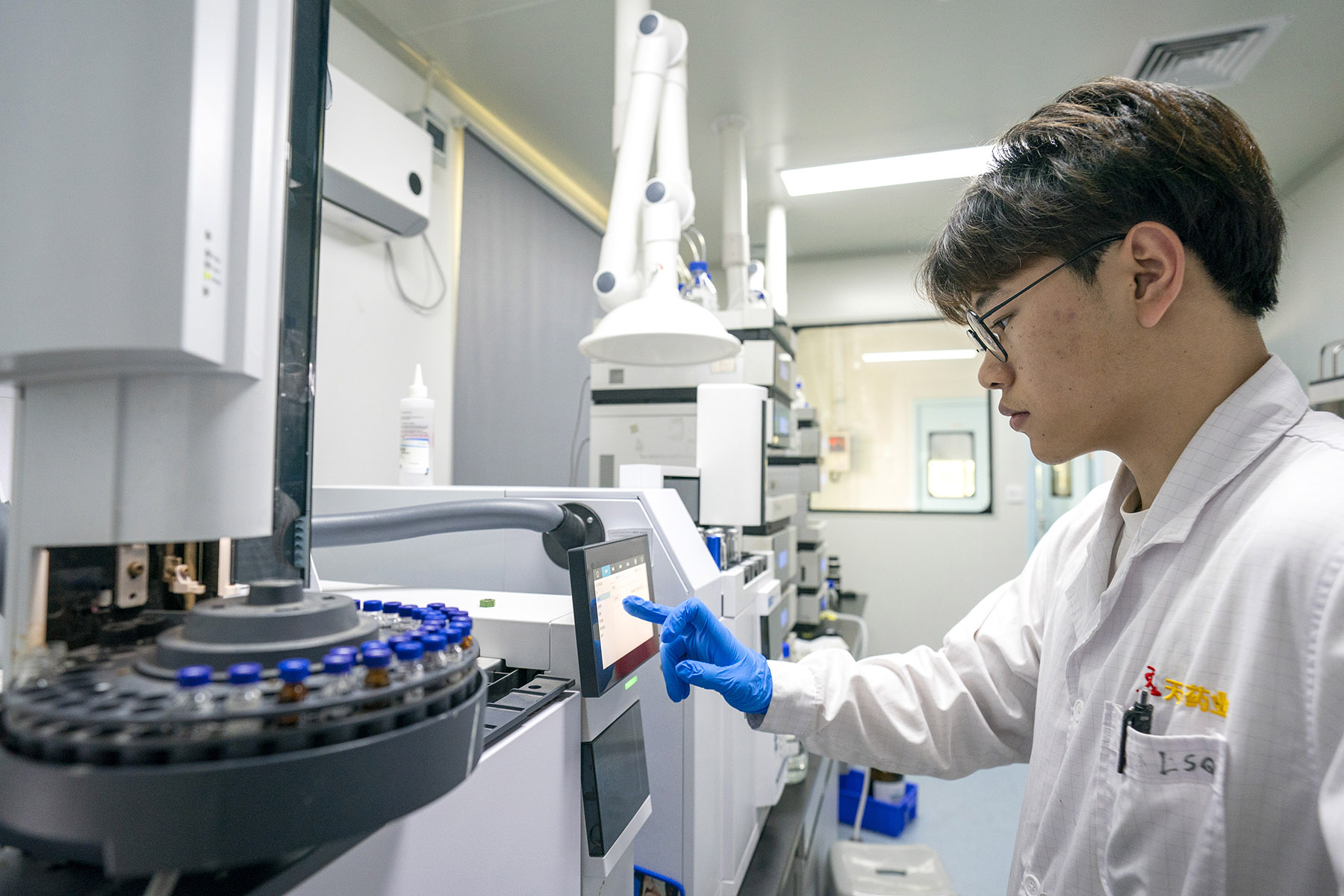
China now accounts for about 30 percent of global novel drug development, ranking second behind the United States, according to official estimates.
The National Medical Products Administration, or NMPA, approved 76 innovative drugs in 2025, a record high and up from 48 in 2024, data released by the administration this month showed.
Among the newly approved novel drugs are 47 chemical drugs, 23 biological products and six traditional Chinese medicine products. About 80 percent of these chemical drugs and over 90 percent of the biological drugs are manufactured by domestic companies.
Meanwhile, a total of 76 innovative medical devices, of which 80 percent were domestically developed, were granted market approval in China last year. The devices cover frontier fields such as artificial intelligence, cancer radiotherapy and biomedicine. The number of devices marked a new high, up from 65 in 2024 and 61 in 2023.
"The number of new approvals issued last year was the highest globally and surpassed that of the United States," said Zhou Le, deputy director of the administration's drug regulation department.
In a sign of Chinese drugmakers' growing innovation prowess, they struck 157 out-licensing agreements worth over $135.7 billion with overseas partners in 2025, compared with 94 transactions worth $51.9 billion in 2024.
By signing out-licensing agreements with overseas partners, domestic companies grant foreign firms the exclusive rights to further develop, manufacture and commercialize their drug candidates in specific regions. In return, they receive future payments and milestone fees, while mitigating development risks.
"China's innovative drugs are positioned at the very core of the global pharmaceutical landscape at present," said Zhou.
During the 2026 JPMorgan Healthcare Conference in mid-January — billed as the largest and most influential healthcare investment symposium held annually in San Francisco — the rising influence of China's biotech sector emerged as a major topic of conversation, echoing across the event alongside discussions on AI and a surge in merger and acquisition activities, said industry insiders.
Juergen Eckhardt, head of the impact investment unit of the German multinational pharmaceutical company Bayer, said in an article published by Forbes that China is now, beyond doubt, a leading biotech power rivaling the US and Europe.
"Seven years ago, China was developing mainly 'me-too' drugs, following the West's novel science. That's no longer the case. We're now seeing a steady ramping up of their capabilities to deliver truly novel assets across multiple therapeutic areas, including not only cancer but also inflammation, cardiometabolic diseases and rare diseases," he said.
Mike Ward, an industry expert at analytics company Clarivate, said that when compiling an annual profile of potentially transformative therapies across the globe from 2013 to 2017, assets from US, European and Japanese companies were highlighted.
"This reflected the structure of global pipelines (for innovative drugs) at the time and the Chinese pharmaceutical sector's focus on generics and 'me-too' products," he said.
From 2018 to 2021, however, Chinese products were referenced more directly in global market forecasts, especially for new oncology and immunology treatments.
"Chinese companies started to show up indirectly through co-development, local commercialization partnerships, and as competitive factors in key markets," he said.
"By the mid-2020s, our analysis pointed to China as the second-largest contributor to the global innovative pipeline and as a rising source of out-licensed assets, with Chinese-origin deals accounting for a growing share of global licensing value," he said.
Profound reforms
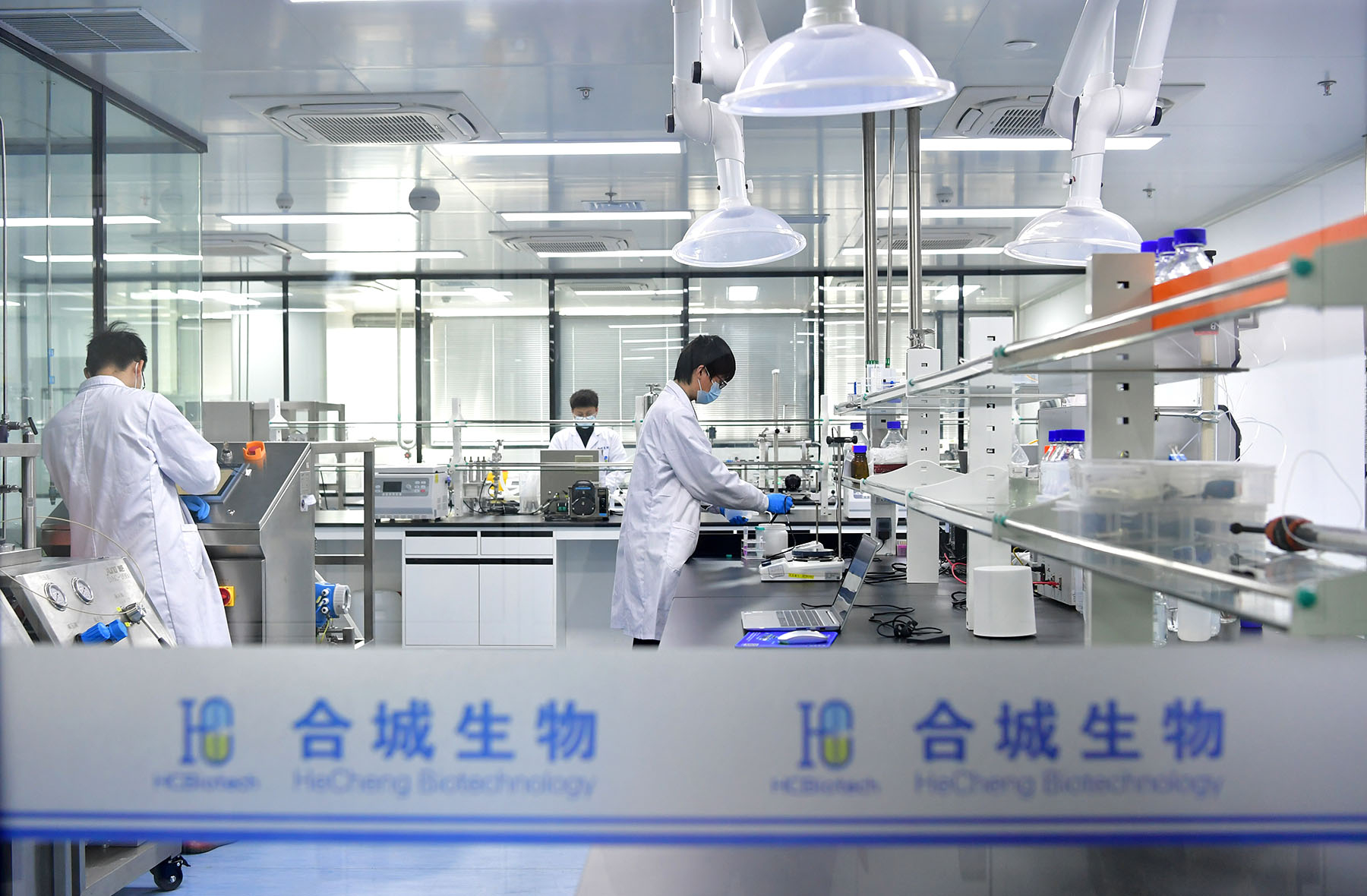
In China, 2015 is seen as the seminal year for pharmaceutical innovation, as the nation began implementing a series of profound drug regulatory reforms.
According to an analysis by researchers at Tsinghua University and pharmaceutical consultancy PharmCube, a key State Council policy in 2015 initiated a comprehensive reform of the drug review and approval process, emphasizing the reduction of application backlogs and the encouragement of innovation.
A 2017 document issued by central authorities laid out further critical reform measures, which were instrumental in reducing the review timeline, establishing a registration system for qualified clinical trial institutions and enabling mutual recognition of ethics reviews.
In 2020, a revision of the Provisions for Drug Registration introduced priority review, conditional approval and breakthrough therapy designations, among other expedited channels for innovative therapies.
"These reforms have transformed China's pharmaceutical ecosystem, enhancing research and development efficiency through shortened development cycles, increased capital inflows into biopharmaceutical innovation and growing global market penetration of domestically developed therapies," said the study published in the journal Nature Reviews Drug Discovery in July.
Innovent Biologics, developer of Sycume, the new thyroid eye disease drug, said it took about three years and three months from filing clinical trial applications of the product to gaining market approval in March 2025. Just nine months later, the drug was added to the national drug reimbursement list.
"The inclusion of innovative drugs in the national reimbursement list has created another significant motivation for drug innovation as this policy opens up sales and streamlines payment channels for us drugmakers," the company said.
While rolling out systematic changes within the domestic regulatory framework, the nation has taken active steps to align with international standards.
Zhou, from the NMPA, said that China's top drug regulator joined the International Council for Harmonisation of Technical Requirements for Pharmaceuticals for Human Use in 2017 and was elected as a member of the council's management committee in 2018.
"Since then, China's drug review standards have been fully aligned with international norms. This has effectively facilitated the simultaneous global development and registration of pharmaceuticals, and accelerated the pace of domestically developed innovative drugs entering the international market," he said.
Zhu Yi, founder and chairman of Biokin Pharmaceutical, said in an interview with Caijing Magazine that the regulatory reforms replaced a system that was like a network of "old, local country lanes" with a "modern, international, standardized expressway", enabling drugmakers to move forward rapidly.
The improved policy environment has attracted substantial and steady capital investment, he added. Along with stock market reforms around 2018 and 2019 that opened new funding channels, the domestic pharmaceutical sector has become a strong magnet for overseas talent. A dynamic innovation ecosystem is also in full swing.
"Another key ingredient is the nation's alignment with international clinical trial standards. This ensures that China's vast, rapid, cost-effective and high-quality clinical research resources can meet international benchmarks and gain a competitive advantage globally," he said.
Ward, from Clarivate, said that China's innovation focus is similar to that of international pharmaceutical priorities. They cover oncology, metabolic and cardiovascular diseases, autoimmune or inflammatory conditions, and advanced technology platforms.
Three out of the four major clinical research advances in lung cancer in 2025 were driven by domestic products, said Zhou Caicun, director of the oncology department at Shanghai East Hospital.
In China, lung cancer caused 1.06 million new cases and 730,000 deaths in 2022. Lung cancer is also the world's deadliest cancer, with an estimated 1.8 million related deaths globally in 2020.
"Chinese researchers made one-third of oral presentations during the 2025 American Society of Clinical Oncology annual meeting, which was unimaginable two decades ago,"Zhou said. "Their contributions during the World Conference on Lung Cancer last year increased to 30 to 40 percent."
Zhou identified the return of Chinese scientists educated and trained overseas in pharmaceutical giants as a key catalyst for the proliferation of Chinese biopharma companies. These experts are attracted by burgeoning domestic opportunities and favorable government policies.
"Our teams' overall capabilities, including technologies, mindsets and management strategies, have all caught up with those in developed countries," he said. "Meanwhile, domestic researchers have actively participated in international multicenter clinical trials to accumulate experience and learn from standard practices," he added.
The strong policy support has significantly enhanced infrastructure development, exemplified by the creation of government-funded clinical research platforms across major cities, Zhou said. Combined with the growing enthusiasm for clinical studies among medical practitioners, this has fostered a positive research ecosystem.
Global reach
Wang Feng, executive president of Yifan Pharmaceutical, said one notable trend he has observed during negotiations with international partners is that they now consistently inquire about what advanced products Yifan has in its portfolio that they can help commercialize globally.
A couple of years ago, negotiations mainly focused on Chinese drugmakers seeking to license innovative products from foreign pharmaceutical companies, Wang said.
He said taking novel drug products abroad is not merely an option but a necessary path for the survival and advancement of drugmakers.
"That is because, in the pharmaceutical industry, 90 percent of innovation costs are front-loaded and failure rates are high, making it difficult for a single market to support the risks of innovation," he said.
Wang added that going global also increases the size of the patient population, which benefits securing funding for continued innovation, and cultivating crucial capabilities in clinical research, insurance reimbursement negotiations and commercialization.
For the registration of F-627, a novel drug used to treat a decrease in white blood cells after chemotherapy, Wang said the company implemented rigorous clinical trial protocols and engaged in thorough communication with foreign drug regulators in preparation for global expansion.
"We intentionally avoided out-licensing the product at an early stage so as to build our capabilities spanning the entire drug development process, from clinical study and production to regulatory registration," he said.
One significant challenge the company encountered was managing the supply chain and logistics for a global market and handling differences in compliance requirements across various regions.
"We initially struggled with flexibility, promptness and operational effectiveness. Through swift adjustments and by leveraging China's manufacturing and industrial advantages, we eventually succeeded in upgrading our supply chain to meet global demands," he said.
ALSO READ: Drugmakers, govt units at full throttle to meet demand
This experience demonstrated that going global requires systematic and strategic planning, extending well beyond merely having an innovative product, he said.
The company used a different approach to enter global markets. In Southeast Asia, the company has opted for a self-operated model, relying on its own on-the-ground teams to promote and sell products, Wang said.
This strategy is the result of more than a decade of acquiring local firms and establishing a local workforce and commercialization capability. "The early investment costs time and money, but it allowed us to gain local teams, business systems and regional influence," he said.
Zhou, from the NMPA, said, when expanding abroad, China's drug firms should carefully consider their strategic focus, whether on simply exporting products, establishing an industrial presence overseas or engaging in collaborative research and development.
"With technological breakthroughs in areas such as gene editing, AI-driven drug development, brain-computer interfaces and early cancer screening, China's pharmaceutical sector is transitioning from disease treatment to comprehensive health management. Chinese enterprises should not only sell products but also export complete health solutions," he said.
Contact the writers at wangxiaoyu@chinadaily.com.cn
