

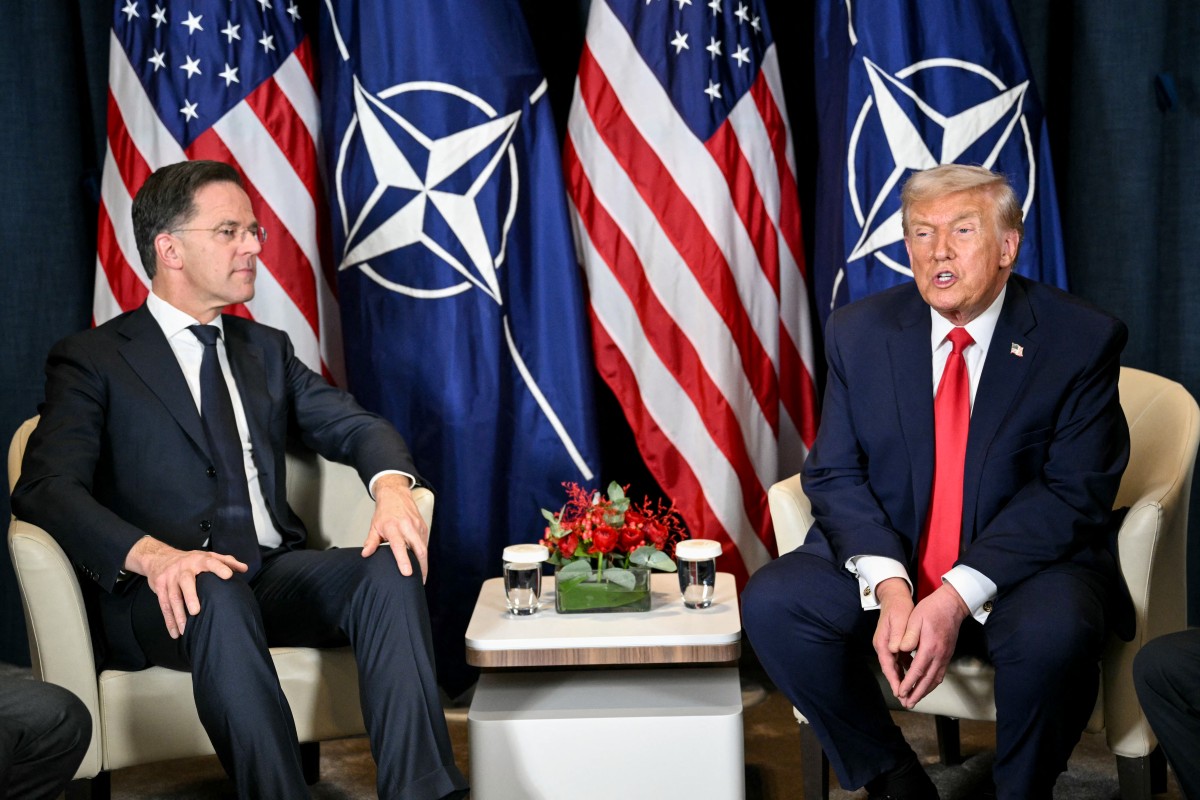
DAVOS, Switzerland/STRASBOURG, France/PARIS/OSLO - US President Donald Trump said on Wednesday that talks with Secretary-General of the North Atlantic Treaty Organization (NATO) Mark Rutte produced "the framework of a future deal" concerning Greenland and the broader Arctic region, and announced he would not proceed with tariffs on eight European countries that were scheduled to take effect on Feb 1.
In a post on his Truth Social platform, Trump said the framework emerged from a "very productive meeting" with Rutte and would be "a great one for the United States of America, and all NATO Nations" if finalized.
"Based upon this understanding, I will not be imposing the Tariffs that were scheduled to go into effect on Feb 1," Trump wrote, without providing details on the terms of the proposed agreement.
Trump also said further discussions were underway on "The Golden Dome", a proposed multilayer missile defense system for the United States, as it relates to Greenland, adding that additional information would be released as talks progress.
ALSO READ: US stocks plummet as Trump's Greenland threats clobber market
He said that US Vice-President JD Vance, Secretary of State Marco Rubio and special envoy Steve Witkoff will lead the negotiations and report directly to him.
Ahead of his trip to the World Economic Forum in Davos, Trump had threatened new tariffs on eight European countries, including Denmark and major NATO countries such as the United Kingdom, France and Germany. At the time, Trump said the measures would remain in place until a deal is reached for the "complete and total purchase" of Greenland.
EU-US trade deal on hold
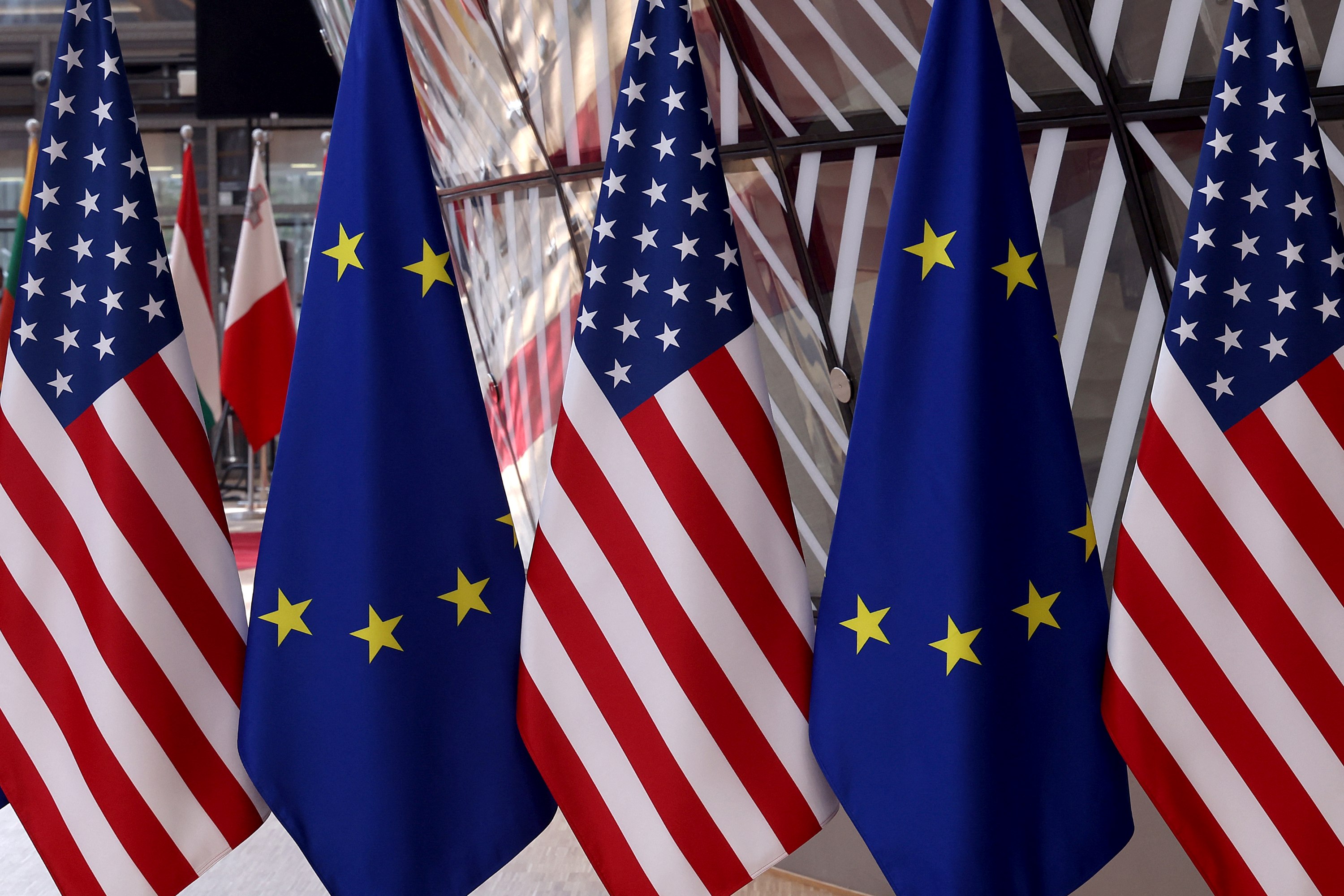
Meanwhile, the European Parliament decided to put on hold approval of the trade deal between the European Union and the US following US threats of tariffs linked to Greenland.
Bernd Lange, chair of the European Parliament's International Trade Committee, said in a statement that the Parliament would suspend work on two legislative proposals related to the deal.
"Given the continued and escalating threats, including tariff threats, against Greenland and Denmark, and their European allies, we have been left with no alternative but to suspend work on the two legislative proposals," Lange said.
"By threatening the territorial integrity and sovereignty of an EU member state and by using tariffs as a coercive instrument, the US is undermining the stability and predictability of EU-US trade relations," he added.
ALSO READ: European countries rally against US tariff over Greenland
Under the EU-US trade deal reached last July, the European Union would suspend tariffs on all US industrial products and introduce tariff-rate quotas for a wide range of US agri-food products entering the EU market. In return, the United States would apply a 15-percent import tariff on most EU goods. The European Commission subsequently published two legislative proposals aimed at implementing certain tariff aspects of the agreement.
Lange said the European Parliament had been "working hard to define its position" on the two proposals in order to be able to enter negotiations with the Council of the European Union and implement the EU's commitments under the deal.
'Speeding up independence push'
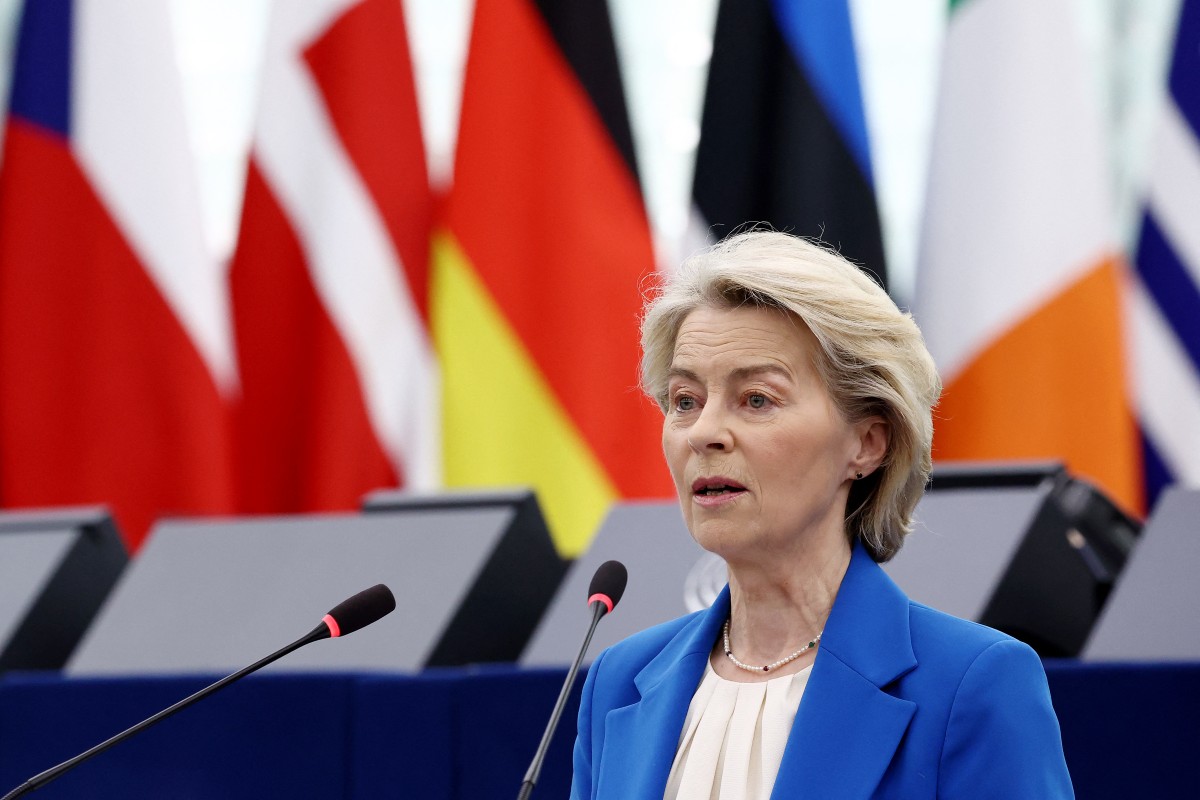
In a speech delivered in the European Parliament, European Commission President Ursula von der Leyen said Europe needs to speed up its push for independence in a fast-changing world.
"We are at a crossroads," von der Leyen said. "Europe prefers dialogue and solutions -- but we are fully prepared to act, if necessary, with unity, urgency and determination."
"In this increasingly lawless world," Europe needs its own levers of power, she said, adding, "We know them: A strong economy, a thriving Single Market and industrial base... a strong innovation and technology capacity... and above a real capacity to defend ourselves."
She also said the EU will launch "a massive investment surge" in Greenland, particularly to support the local economy and infrastructure.
Stressing that the EU will work with the US and other partners to ensure the security of the Arctic region, von der Leyen said the threat of additional US tariffs was "wrong".
'Defending itself against any form of coercion'
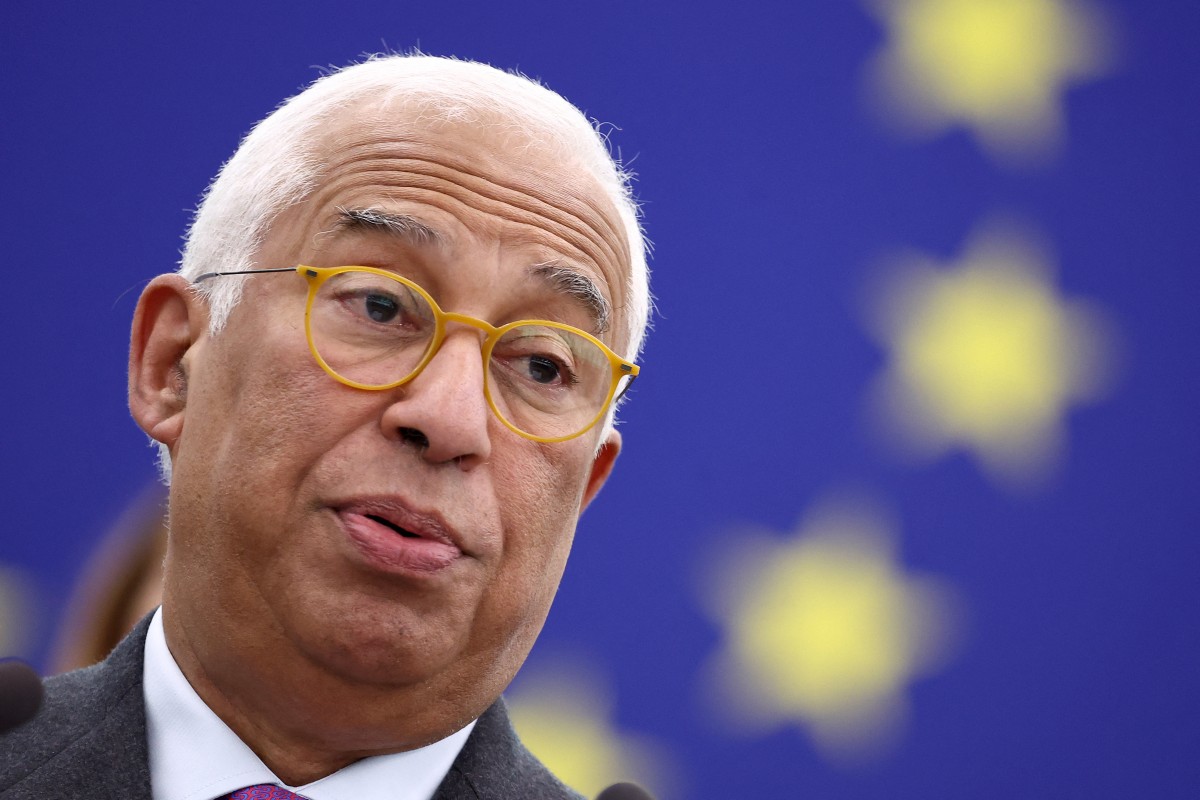
In a separate speech for the Parliament, European Council President Antonio Costa said the EU will defend itself against any form of coercion.
"We stand ready to defend ourselves, our member states, our citizens, our companies, against any form of coercion. The EU has the power and the tools to do so," Costa said.
"We cannot accept that the law of the strongest prevails over the rights of the weakest," Costa said, adding that "international rules are not optional, and alliances cannot just boil down to a sequence of transactions."
Separately, France has requested a NATO exercise in Greenland and is "ready to contribute", French media BFM TV reported on Wednesday, citing the Elysee Palace.
Stockpiling emergency supplies
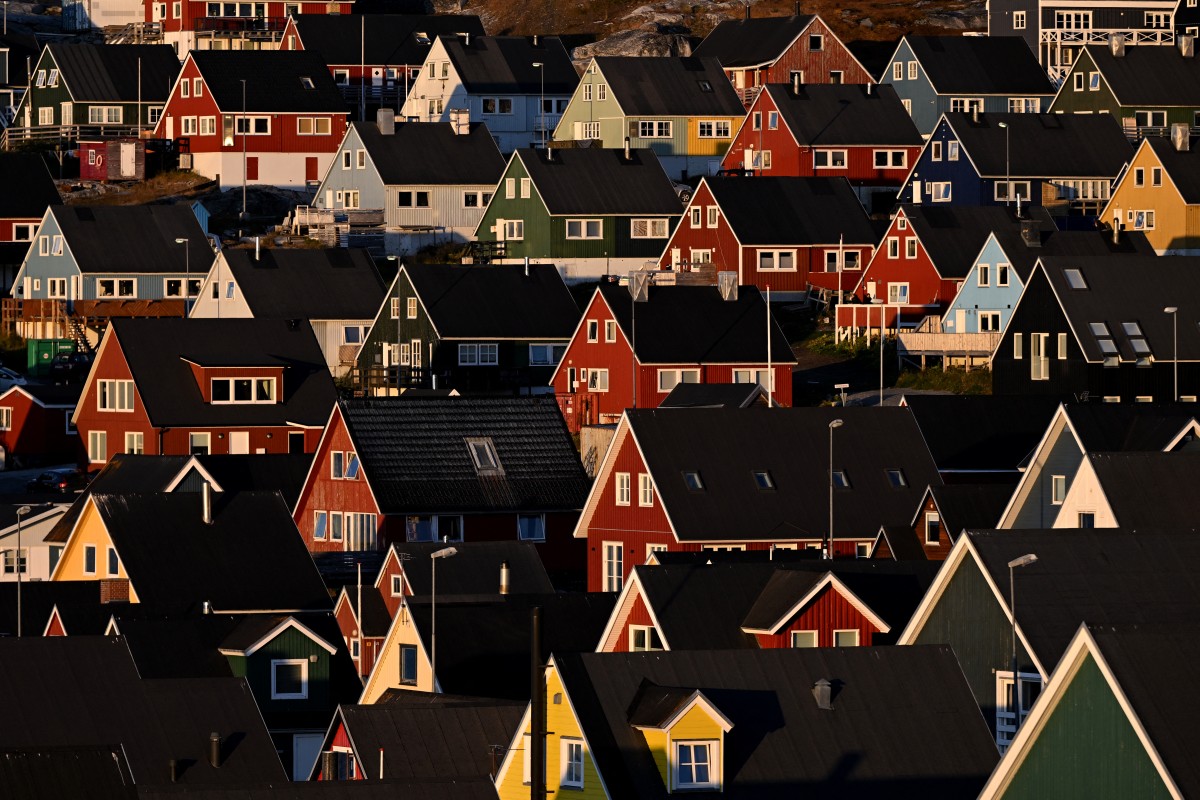
In another development, the Greenland government has issued an emergency preparedness handbook advising households to stock at least five days' worth of basic supplies, including drinking water, food and sanitary products, in preparation for potential crises, local media reported.
Peter Borg, Greenland's minister for fisheries, hunting, agriculture and self-sufficiency, said at a press conference on Wednesday that the handbook recommends each person store three liters of water per day, a five-day supply of food, and essential items such as toilet paper.
The handbook also lists "hunting weapons, ammunition and fishing equipment" among the recommended items. Borg said the suggestion is not intended to "create insecurity", but rather to "strengthen the security of the population".
