

Greater Bay Area Certification establishes a unified benchmark for high-quality products and services across Guangdong, Hong Kong, and Macao, enhancing regional economic integration. Zhou Mo reports from Shenzhen.
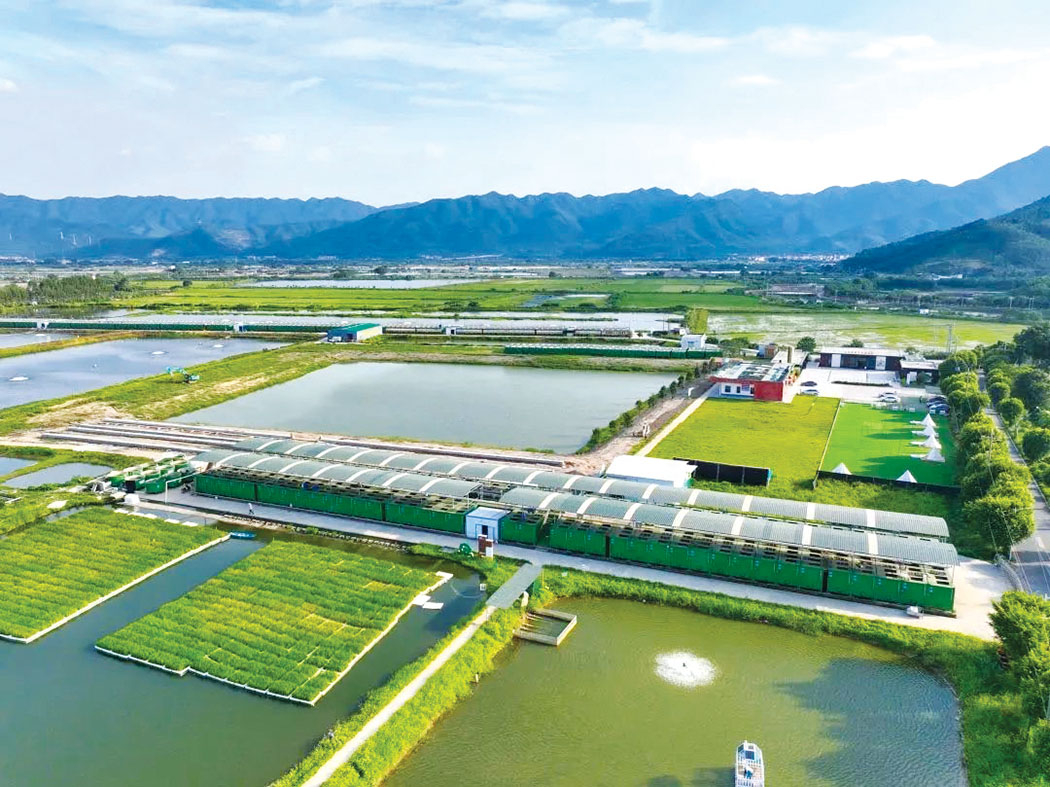
At Guanxing Agriculture Digital Fish Farming Base in Zhaoqing, Guangdong province, workers closely monitor dissolved oxygen levels, water temperatures and water-flow rates to ensure a stable and healthy environment for fish farming.
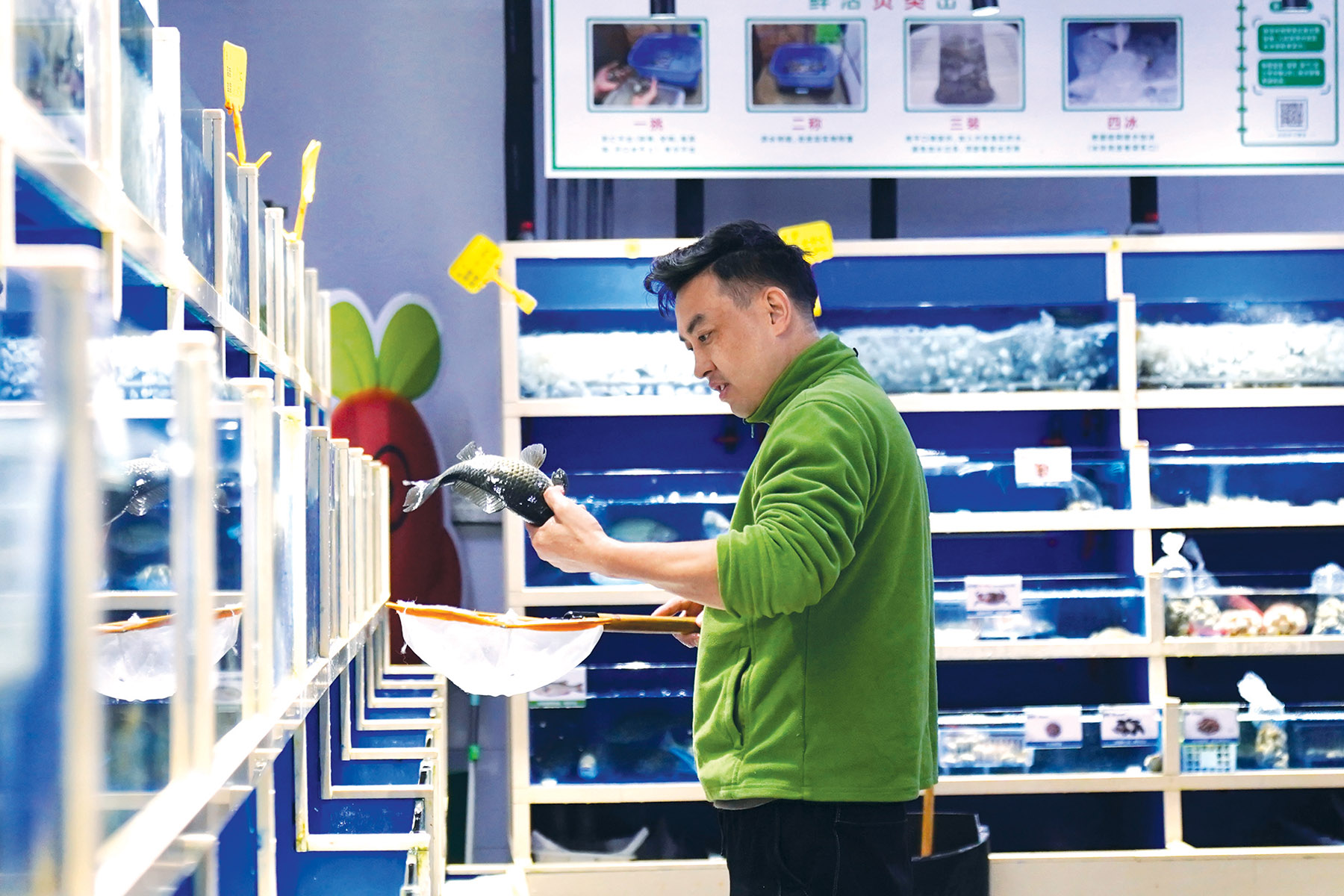
Unlike traditional agricultural methods plagued by erratic sourcing and fragmented oversight, the new model mandates full traceability across the entire supply chain, spanning breeding, transportation and retail. Only when all the test results have met the required standards and the fish are in a stable condition can they be cleared for sale.
Farmed fish, produced at the Guangdong facility operated by fresh-grocery e-commerce platform Dingdong Maicai, carry the Greater Bay Area Certification.
Three-market passport
The certification is a premium quality assurance initiative launched by certification bodies and other market players from Guangdong and the Hong Kong and Macao special administrative regions. It operates under a unified set of regional standards, certifying that products and services have simultaneously met the market-access requirements of all three jurisdictions.
ALSO READ: Zhuhai riding the wave of the marine economy
“Obtaining certification is a major milestone for us as it testifies to the safety and quality of our products,” says Xia Wen, head of aquatic products development at Dingdong Maicai South China. “It also helps us to further enhance our product quality by creating a transparent competition mechanism and preventing unfairness stemming from information barriers.”
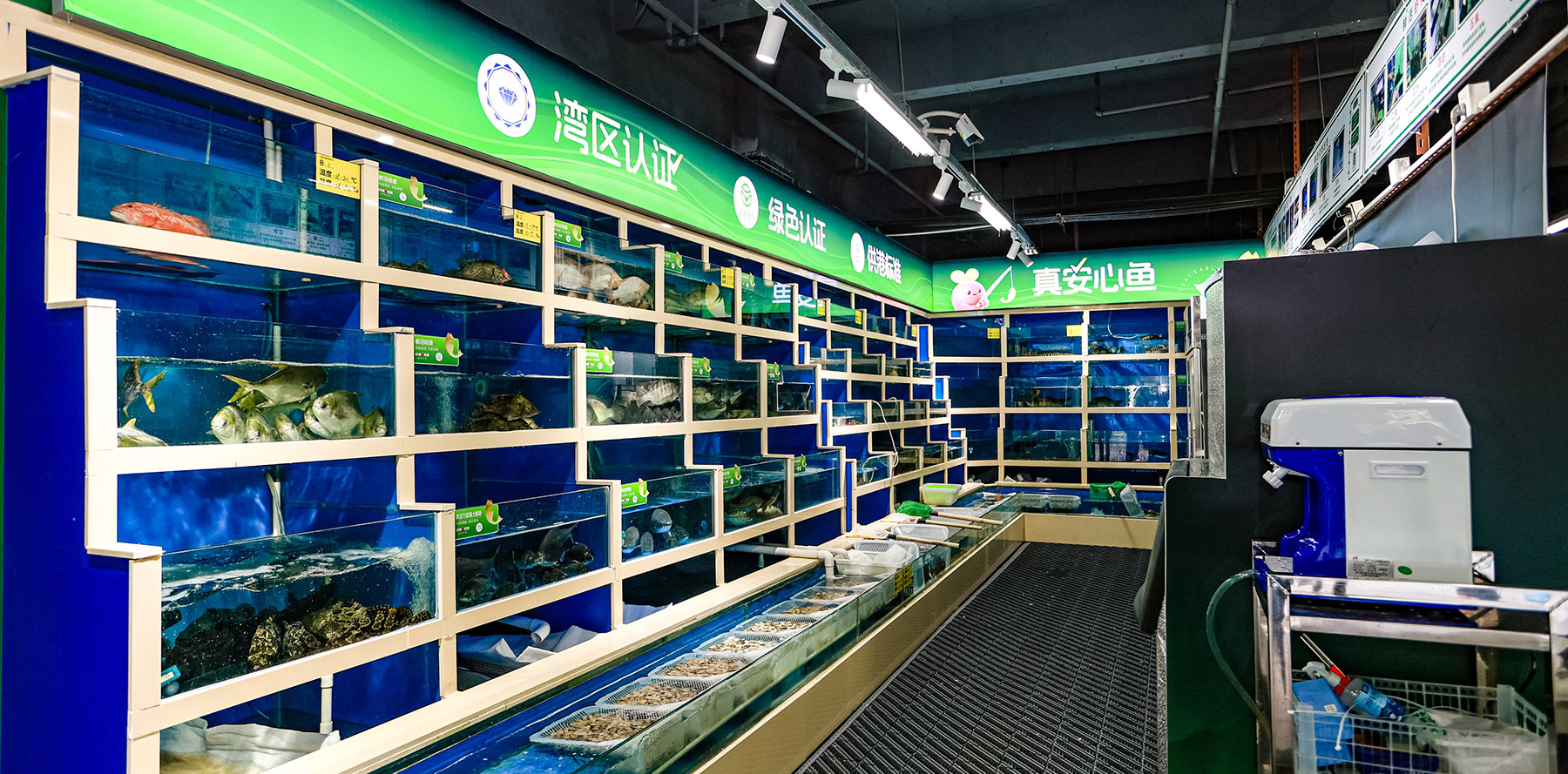
The program is part of the Guangdong-Hong Kong-Macao Greater Bay Area’s push to advance market integration.
Under Guangdong’s 15th Five-Year Plan (2026-30), unveiled last month, the provincial government pledged to deepen regional integration by rolling out more projects with Greater Bay Area Certification and Greater Bay Area Standards.
The first batch of 15 projects with such certification was launched in December 2023. By late last year, 308 such certificates had been issued, embracing sectors like industrial consumer goods, agricultural and food products, green building materials and services.
As a pivotal component of the Greater Bay Area’s market integration strategy, Greater Bay Area Certification aligns with the nation’s goal of fostering a more cohesive regional economy, says Lu Yongchi, operating director of the Guangdong-Hong Kong-Macao Greater Bay Area Certification Promotion Center.
“Aligning inspection and certification rules among Guangdong, Hong Kong and Macao will improve ‘soft connectivity’ in the 11-city cluster,” he says.
“Securing a Greater Bay Area Certification grants enterprises the qualification to access markets in both the mainland and the two SARs concurrently. This will not only boost their competitiveness, but also strengthen the Greater Bay Area’s overall appeal as a unified production and consumption hub.”
Building a unified national market is one of the country’s key measures to foster a more equitable and orderly environment for market players.
Under the recommendations for the nation’s 15th Five-Year Plan (2026-30), adopted by the fourth plenary session of the 20th Central Committee of the Communist Party of China in October, advancing the development of a unified national market is among the nation’s major objectives of economic and social development over the next five years.
The national blueprint states that bottlenecks and obstacles hindering the development of a unified national market should be “resolutely” eliminated. Well-aligned distribution rules and standards should be established, and higher standards in enhancing market facility connectivity should be pursued to cut logistics costs throughout society.
The Central Economic Work Conference decided last month that regulations for creating a unified national market will be formulated to provide institutional guarantees for the strategic initiative.
As one of the most open and economically vibrant regions in the country, the Greater Bay Area needs to play a pioneering role in promoting market integration and offer its experience to other places, stresses Mao Yanhua, dean of the Institute of Regional Openness and Cooperation at Sun Yat-sen University in Guangzhou, Guangdong province.
The Greater Bay Area’s economic development relies heavily on an integrated market and the cross-regional allocation of resources, and this requires the dismantling of a traditional administrative division-based model of resource governance, he says.
“Previously, each mainland city in the Greater Bay Area used to formulate its own spatial and industrial plans, a practice that ran counter to the economic development logic of the Greater Bay Area as a city cluster,” Mao says.
Breaking barriers
Cross-city “invisible barriers” include mismatched spatial planning frameworks, redundant industrial layouts, blurred division of labor among local economies, and market-access barriers.
“Such obstacles curb the free flow of production factors and industrial upgrade, and are institutional barriers that should be dismantled for Guangdong to build a pilot zone for a unified national market,” Mao says.
ALSO READ: The cloud’s the limit, as fish farming goes digital
While creating the Greater Bay Area Certification is a step forward in easing market access barriers among Guangdong, Hong Kong and Macao, Lu says he believes local governments should make greater efforts to make it play a bigger role in the regional market integration drive.
He says governments are advised to include the certification into incentive regimes to enable participating enterprises to access enhanced support, such as financial grants, elevated credit ratings and preferential procurement privileges.
“Such measures would boost broader corporate participation in the certification and accelerate the integration of the Greater Bay Area market.”
Contact the writer at sally@chinadailyhk.com
