

Residential gains are fueled by tax incentives and lower rates, while retail benefits from a tourism recovery. The office segment, however, struggles with elevated vacancies due to new supply. Gaby Lin reports from Hong Kong.
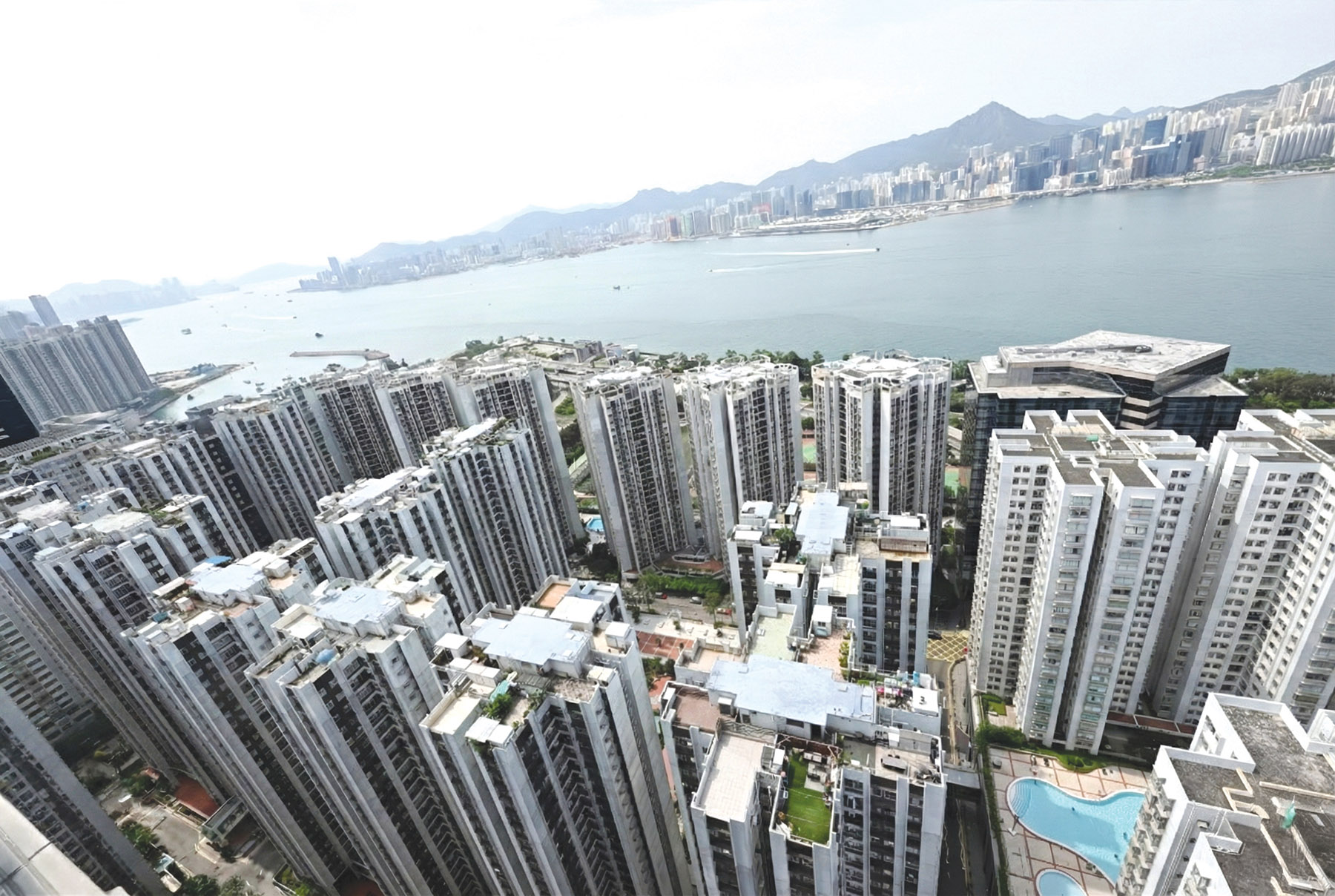
Hong Kong’s property market returned to a sound footing in the past year, backed by improved sentiment on the back of tax incentives, falling interest rates, and a robust equity market.
Rising prices have led to property agents shuttling clients through one housing estate after another, while new tenants trickled back into prime office districts and storefronts were a hive of activity.
Industry insiders said they see the housing sector extending its gains into 2026, with prices climbing 5 percent to 15 percent. However, the office and retail segments appear to be in the early stages of a more gradual recovery.
Soft landing
Although the first few months of 2025 weren’t easy, the special administrative region’s housing market began turning the corner in the second quarter, with private home prices trending upward from March.
While the full-year performance is yet to be ascertained, data from the Rating and Valuation Department showed that price indices for all classes of private housing went up about 2.8 percent from December 2024 to November last year.
READ MORE: Hong Kong house sells for $133m with 25% gain over decade
Transaction volumes rose. More than 62,800 sale and purchase agreements of primary and second-hand residential flats were registered last year — an 18.3 percent surge over 2024 — according to the Land Registry.
Real estate services firm JLL described the situation as a soft landing. “Housing prices have bottomed out, and the outlook for 2026 is cautiously optimistic,” JLL Hong Kong Chairman Joseph Tsang said, adding that the HKSAR government’s easing of stamp duty policies early last year and interest rate cuts by the United States Federal Reserve had injected positive sentiment into the market.
If a further round of US interest rate cuts occurs this year as widely expected, the impetus will be greater, further easing the burden on homebuyers, and unwinding developers’ liquidity strains in clearing their stock, Tsang said.
“That means developers will no longer need to roll out aggressive promotions or set dramatically low selling prices,” he said, adding that home prices will likely edge higher as inventory returns to a healthier level.
According to Midland Realty, the number of unsold units in completed projects and off-plan properties in Hong Kong slumped to 18,387 by late December — a year-on-year drop of more than 15 percent.
Some 102,000 units, 62,000 of which are under construction, are expected to come on stream in the next three to four years, the Housing Bureau estimated in October.
Louis Chan Wing-kit, Centaline Property’s Asia-Pacific vice-chairman, said he expects home prices to gain 15 percent this year, backed by a gradual shrinking of supplies, a recovering local economy, and continued inflow of overseas and Chinese mainland professionals under the SAR government’s talent attraction programs.
Rents are also set to go up this year, although Chan said he expects the rise to be modest as rental demand could be dampened if more people opt to buy rather than rent amid subdued borrowing rates.
Pressure remains
The office market sector was dragged down by a wave of new supplies in 2025, despite robust demand from tenants in core districts, particularly non-banking financial institutions, CBRE Hong Kong said.
The city added 2.9 million square feet (269,400 square meters) of new Grade A office space last year, pushing the overall vacancy rate up 0.3 percentage points to 17.3 percent and raising total vacant space to nearly 16 million sq ft.
The pressure will extend into 2026 as the International Gateway Centre — a mega business complex in West Kowloon — is due to deliver units to tenants soon. The facility will add about 2.6 million sq ft of office space and 600,000 sq ft for retail use.
“It will take time for these supplies to be absorbed. So, the vacancy rate will stay high for the time being, but it’ll start to gradually come down,” said Ada Fung, chief operating officer of CBRE Hong Kong’s advisory services.
Given Hong Kong’s vibrant financial market and mainland companies’ acquisitions and leasing, Fung said she expects leasing momentum to pick up this year. “We expect the vacancy rate to improve from 2025, and rents will fall within a 3 percent range in 2026, giving tenants greater leverage.”
ALSO READ: HK home prices expected to rebound sharply in next year
In the retail business, high street vacancies fell to 6.6 percent in the last quarter of 2025 — the lowest level since the pandemic — according to Cushman and Wakefield, citing sustained growth in visitor arrivals and steadier local consumption sentiment as key drivers.
“We believe rents at prime retail streets with the highest footfall have stabilized,” said John Siu, the company’s managing director.
Siu said he expects overall high street retail rents to rise up to 3 percent in the first half of 2026, but “food and beverage rents are likely to remain under pressure until available spaces have been absorbed”.
Siu said he believes Hong Kong’s southbound travel program for vehicles from Guangdong province to enter the city will fuel a fresh wave of visitors with stronger spending power that’s likely to lift overall retail sentiment.
The SAR saw almost 50 million visitor arrivals last year — higher than the Hong Kong Tourism Board’s forecast of 49 million at the start of 2025.
Contact the writer at gabylin@chinadailyhk.com
