

Program aims for 90% diagnosis, benefiting 300,000 people by 2030
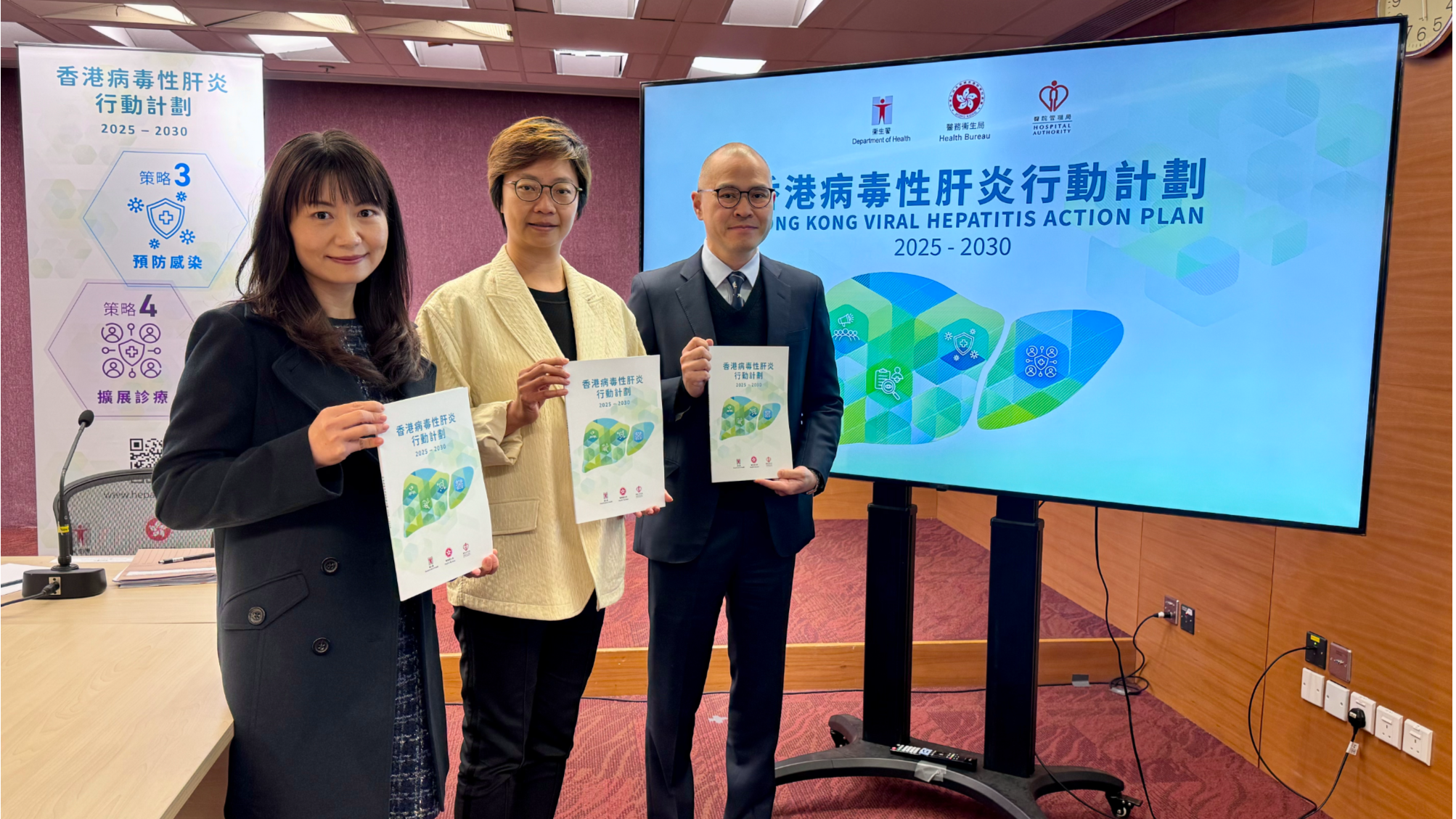
Hong Kong aims to achieve a 90-percent diagnosis and an 80-percent cure rate for hepatitis B and C infections — major causes of liver cancer — by 2030, alongside stronger preventive measures to curb new infections and fatalities.
A large-scale hepatitis B screening program will be launched by the Primary Healthcare Commission next year, targeting priority groups for screening and long-term management. The initiative is expected to benefit 300,000 people, as part of the Hong Kong Viral Hepatitis Action Plan 2025-30, announced on Tuesday.
This will be Hong Kong’s second such plan, building on the previous 2020-24 edition and incorporating the special administrative region’s latest conditions and experiences, as well as updated guidelines from the World Health Organization.
READ MORE: Hong Kong unveils first action plan to reduce viral hepatitis
Bonnie Wong Chun-kwan, a consultant on special preventive programs at the Public Health Services Branch of the Centre for Health Protection, said authorities aim to make Hong Kong a society free from the burden of hepatitis through these plans.
Besides raising the diagnosis and cure rates, the city is committed to reducing the annual number of new hepatitis B and C infections to fewer than two and five per 100,000 people respectively, and to lowering hepatitis B and C-related deaths to below six per 100,000 people.
Wong emphasized the importance of screening and long-term management, describing the move as “tackling liver cancer at its source”.
Currently, about 5.6 percent of the local population have the hepatitis B virus, a sharp drop from about 10 percent in the 1970s, following decades of efforts to combat the disease. However, risks persist, as 75 to 80 percent of liver cancer cases are linked to chronic hepatitis B infections.
By 2023, liver cancer had become Hong Kong’s third-deadliest cancer, with 1,408 deaths recorded.
Wong said the biggest challenge in eliminating hepatitis B as a public health threat is that about 40 percent of those infected are unaware of their condition, and 70 percent have never received follow-up medical care. Authorities will continue to raise public awareness, strengthen surveillance, prevent transmission routes, and expand screening and follow-up treatment, Wong said.
The upcoming 2026 screening program aims to “help patients receive early diagnosis and treatment, preventing their condition from worsening into cirrhosis and liver cancer”, said Christy Lam Yu-yuk, assistant commissioner for primary healthcare at the Health Bureau.
READ MORE: Govt report estimates 410,000 HK people infected with HBV
Screening and management will be provided by district health centers and family doctors. Priority groups include residents born before the 1988 citywide hepatitis B vaccination program for newborns, as well as those with family members or sexual partners who are hepatitis B patients.
Further details, including specific timelines, copayment amounts and coverage for subsidized drugs and additional therapy, will be announced early next year.
Lam added that individuals who test positive in the initial screening will be referred to family doctors for further examination. Once diagnosed, patients will be offered long-term, government-subsidized therapy and follow-up care.
The plan also includes training programs for medical professionals on hepatitis B screening and treatment.
David Lam Tzit-yuen, the lawmaker representing the medical and health services sector, encouraged the public — especially high‑risk groups — to participate in the program and attend regular follow‑ups.
Lam said that while some hepatitis B carriers may develop chronic hepatitis, cirrhosis, or even liver cancer — all potentially life-threatening complications — modern medicine can effectively control the virus and prevent its progression from an active infection to these severe conditions.
Contact the writer at amberwu@chinadailyhk.com
