

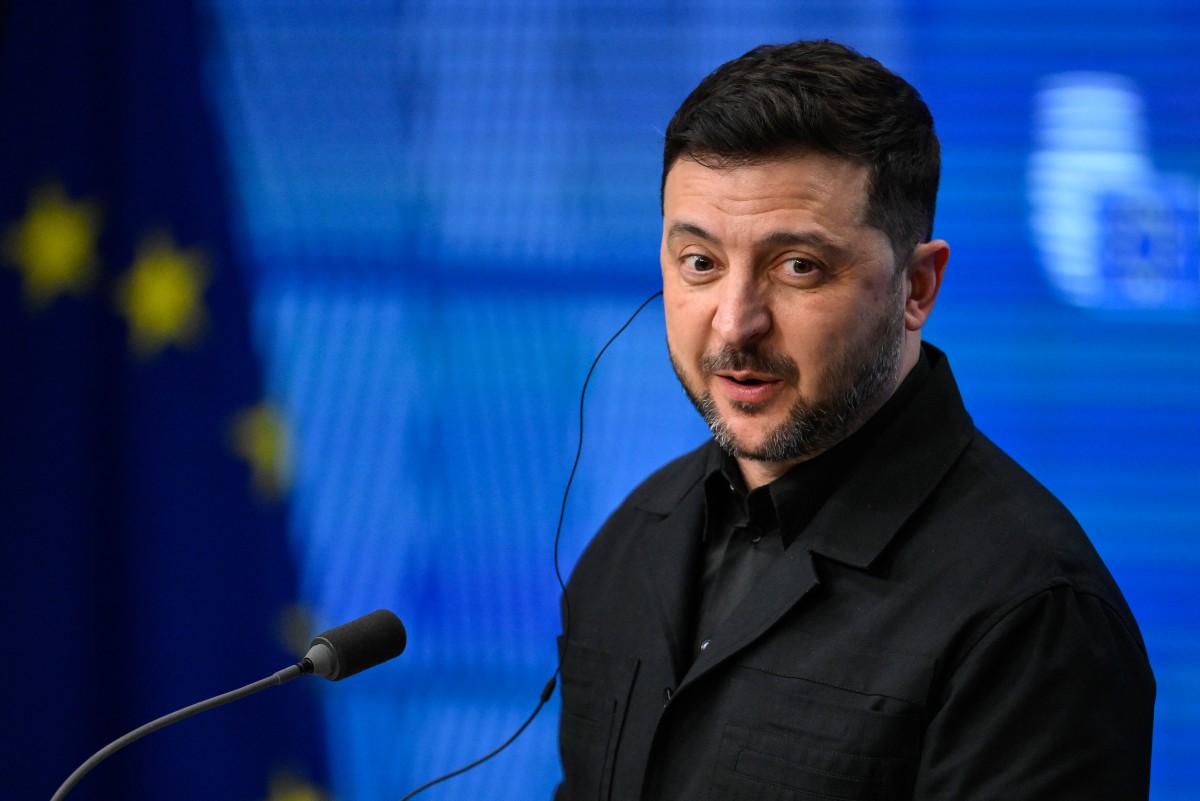
KYIV/BRUSSELS - Ukrainian President Volodymyr Zelensky said on Thursday that a Ukrainian delegation is en route to the United States to continue peace negotiations.
The talks with the US negotiating team are set to take place on Friday and Saturday, with European representatives also expected to participate, Zelensky told the Interfax-Ukraine news agency.
He highlighted that key points of contention between Ukraine and the United States include territorial issues and the use of frozen Russian assets.
Zelensky said that, should a peace agreement be reached in the Russia-Ukraine conflict, Ukraine plans to use the frozen assets for reconstruction efforts. However, if hostilities persist, the funds may be directed toward supporting the Ukrainian military, bolstering defense production, and purchasing US-made air defense missiles, he added.
EU imposes sanctions on 41 extra Russian vessels
Also on Thursday, the European Council announced that it had imposed restrictive measures on an additional 41 Russian vessels allegedly linked to the country's so-called "shadow fleet", aiming to cut off their financial support for Russia.
The decision, announced at a European Union summit in Brussels, seeks to prevent the shadow fleet from bypassing the oil price cap mechanism, supporting Russia's energy and military sectors, and transporting looted Ukrainian goods.
ALSO READ: Report: US, Russian negotiators to meet in Miami on Ukraine crisis
According to a Council statement, the newly listed vessels are part of Russia's so-called shadow fleet of oil tankers, bringing the total number of sanctioned vessels to nearly 600. The ships are banned from accessing relevant ports and from receiving a broad range of maritime transport services.
The statement said the EU and its member states are "making full use of the international law of the sea framework" to address threats posed by the shadow fleet and to protect critical undersea infrastructure.
Earlier this week, the EU approved sanctions against individuals and entities it accuses of supporting Russia's so-called shadow fleet, as well as separate sanctions targeting those related to alleged Russian hybrid operations.
Frozen Russian assets for Ukraine
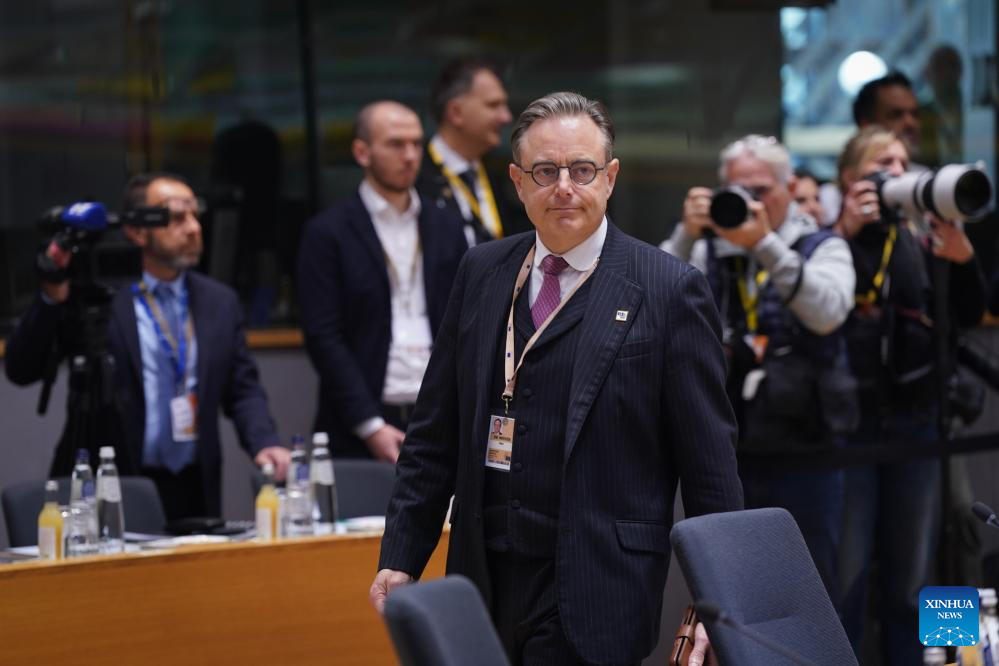
Meanwhile, Belgian Prime Minister Bart De Wever said guarantees proposed by the EU for using frozen Russian assets to finance Ukraine were "still insufficient", warning that Belgium would not bear the risks alone.
Addressing the Belgian parliament ahead of an EU summit, De Wever said he had not seen a final text from the EU on guarantees that could persuade Belgium to agree on, and expected that clearer documents would be presented later in the day.
EU leaders will meet in Brussels on Thursday and Friday to mull plans to use frozen Russian assets to support Ukraine. The bloc has immobilized around 210 billion euros ($246 billion) in assets belonging to Russia's central bank, with about 90 percent held within the EU by Belgium-based Euroclear.
According to Russian media RIA Novosti, De Wever told Belgian lawmakers that the confiscation of Russia's assets within the EU may "lead to a snowball effect, when Euroclear will no longer be able to meet the expectations of its customers, and the stability of the institution will be jeopardized. And that would be a financial nightmare".
READ MORE: Ukraine says ready to accept NATO-style security guarantees
De Wever noted that the current EU proposal may risk damaging Euroclear's reputation, undermining financial market confidence in Europe and violating international law, Politico Europe reported.
