

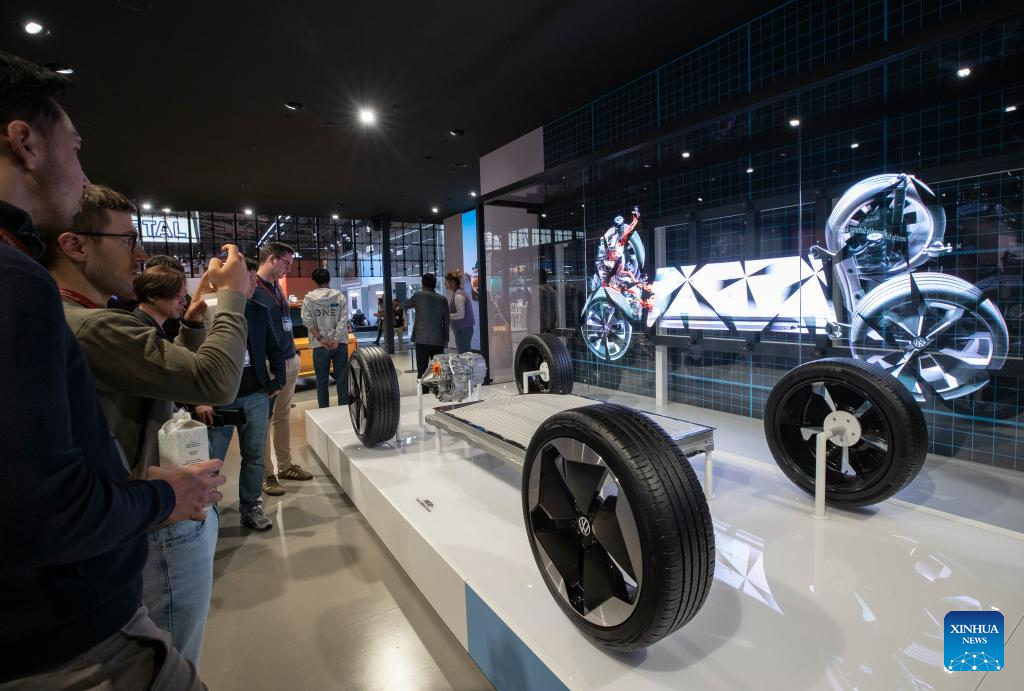
BRUSSELS - The European Commission has proposed easing the EU's 2035 zero-emissions target for new cars and vans, bowing to mounting pressure from key member states and parts of the auto industry.
Wopke Hoekstra, European commissioner for climate, net zero and clean growth, said the plan announced on Tuesday would maintain Europe's electrification course through a balanced mix of incentives and penalties, describing the proposal as a "win-win" for consumers and industry.
However, the move has split industry groups and environmental organizations, with critics warning against the dangerous uncertainties it creates for both the EU's climate goals and the automotive sector's investment roadmap.
Significant policy shift
Under the EU's draft, automakers would be required to cut tailpipe emissions from new vehicles by 90 percent by 2035 from the 2021 levels, rather than meeting the de facto ban on sales of new internal combustion engine vehicles implied by the current zero-emissions rule.
The Commission's plan allows for the continued sale of certain non-electric models, such as plug-in hybrids and range-extenders. To qualify, manufacturers should offset the remaining 10 percent of emissions through industrial measures, including the use of EU-produced low-carbon steel as well as e-fuels and biofuels.
The proposal also introduces flexibility for intermediate targets, notably lowering the 2030 emissions reduction target for vans from 50 percent to 40 percent.
If approved by EU member states and the European Parliament, the plan would mark the bloc's most significant retreat from the green policies enacted in the last five years.
"It is the wrong time for Europe to take the wind out of its own sails," said Chris Heron, secretary-general of the trade association E-Mobility Europe. He added that the only way for the EU industry to remain competitive is to reinforce policy, not "pull off course".
ALSO READ: EU seals deal on 2040 climate target to cut emissions by 90%
Terry Reintke, co-president of the Greens/EFA Group in the European Parliament, called the Commission's U-turn a disaster, warning that clinging to yesterday's technology gambles away the EU's future as a manufacturing hub.
However, some of Europe's automotive giants have welcomed the proposal, signaling relief at the regulatory thaw. Volkswagen hailed the draft as "pragmatic and economically sound overall". BMW called the measures "an important first step" away from rigid technology bans, noting that the changes recognize "the future viability of the combustion engine" alongside electrification.
Mercedes-Benz also threw its weight behind the shift, viewing it as "a step in the right direction towards more flexibility ... and the necessary technological neutrality", a direct response to the stagnation of electric vehicle (EV) adoption across the continent.
Industrial headwinds
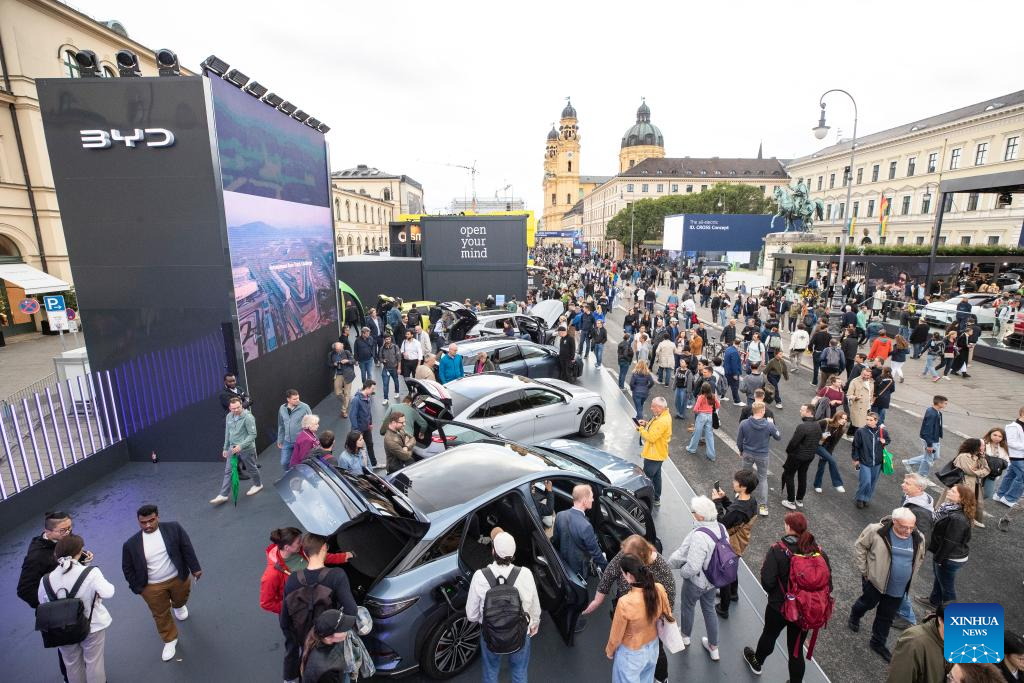
The policy shift follows sustained lobbying from major auto-producing nations, including Germany and Italy, and leading European carmakers.
They argue that a single-track focus on EVs risks eroding industrial resilience due to high costs, uneven charging infrastructure, and fierce competition from American and Chinese rivals.
Ahead of the announcement, Sigrid de Vries, director general of the European Automobile Manufacturers' Association (ACEA), regards "flexibility" for manufacturers as "urgent".
"(Year) 2030 is around the corner, and market demand is too low to avoid the risk of multi-billion-euro penalties for manufacturers," she said in a LinkedIn post.
"It will take time to build the charging points and introduce fiscal and purchase incentives to get the market on track. Policy makers must provide breathing space to manufacturers to sustain jobs, innovation and investments," de Vries said.
The proposal comes as Europe's EV transition shows clear signs of slowing. Battery-electric vehicles accounted for just 16.4 percent of new passenger car registrations in the EU between January and October, falling short of transition targets, as high prices and model scarcity continue to constrain demand, according to the ACEA.
Europe's domestic battery ambitions have also faced major setbacks. Northvolt, once the EU's flagship challenger in battery cell production, filed for bankruptcy in Sweden in March after struggling to secure financing and ramp up output.
ALSO READ: EU countries agree on 90% emissions reduction target for 2040
The downturn has hit the labor market hard. According to a report by consultancy EY published in August, Germany's car manufacturing sector has cut approximately 51,500 jobs in a single year. This broad industrial decline has piled political pressure on Berlin and other capitals to shield major employers from mounting transition costs.
Market uncertainties
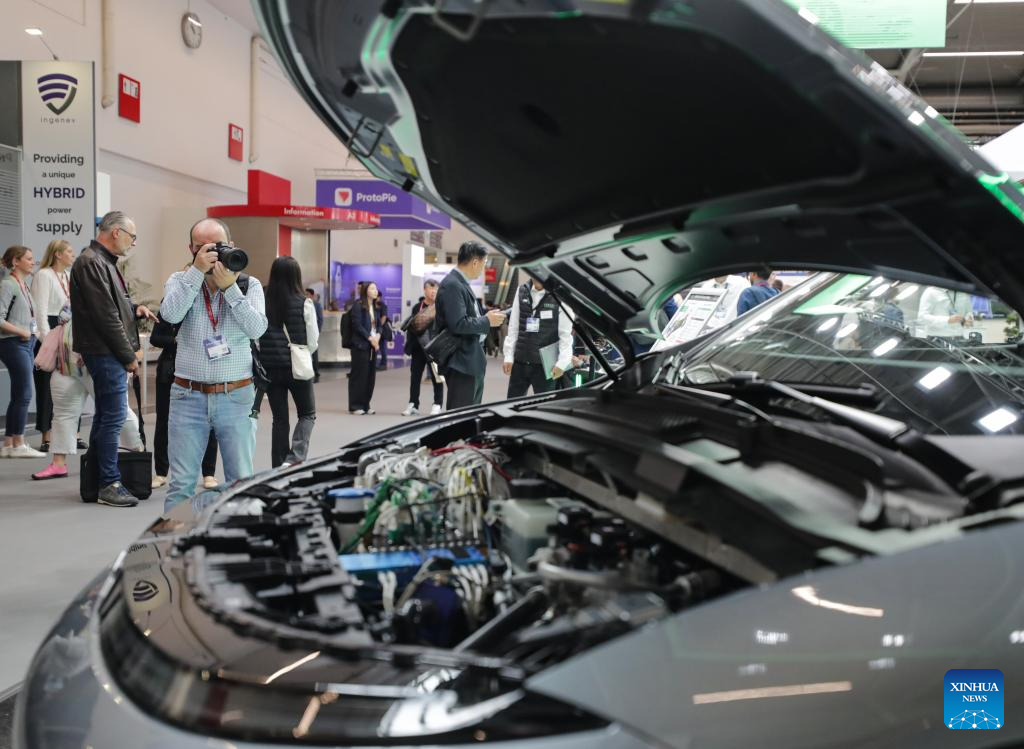
The Commission's 2035 proposal is part of a wider package aimed at shoring up the auto sector and accelerating EV uptake.
The proposal highlighted corporate fleets, which account for roughly 60 percent of new car sales in Europe, as a key lever to boost demand. It also introduces support for a new category of small electric cars.
According to the proposal, EU-manufactured vehicles under 4.2 meters in length and priced between 15,000 and 20,000 euros (between $17,560 and $23,420) would qualify for reduced road tolls and charging discounts. Manufacturers would also receive bonus credits for factory-level carbon reductions.
Yet, the core issue remains whether the EU can reconcile climate ambition with economic competitiveness without undermining confidence in its policy direction.
"If policymakers start reopening or postponing agreed carbon dioxide standards under industry pressure, the forward-looking trajectory becomes a stop-and-go process," said Kai Tegethoff, a German member of the European Parliament.
Tegethoff warned that backtracking would crowd out investment in the European value chain, reduce consumer trust, and delay the availability of affordable, European-made electric cars.
In a letter sent earlier this month, nearly 200 EV-industry stakeholders urged European Commission President Ursula von der Leyen not to dilute the 2035 target, arguing that reopening the door to transitional technologies would create volatility for investors.
The Greens/EFA Group noted that under the proposed changes, nearly one in four new cars on EU roads in 2035 could still be equipped with combustion engines, mostly plug-in hybrids.
READ MORE: Two climate NGOs sue EU over 'insufficient' emissions targets
"In doing so, the Commission is creating planning uncertainty, blocking important investment, jeopardizing industrial competitiveness, and risking the EU's climate neutrality from 2050 onwards," the group said in a statement.
