

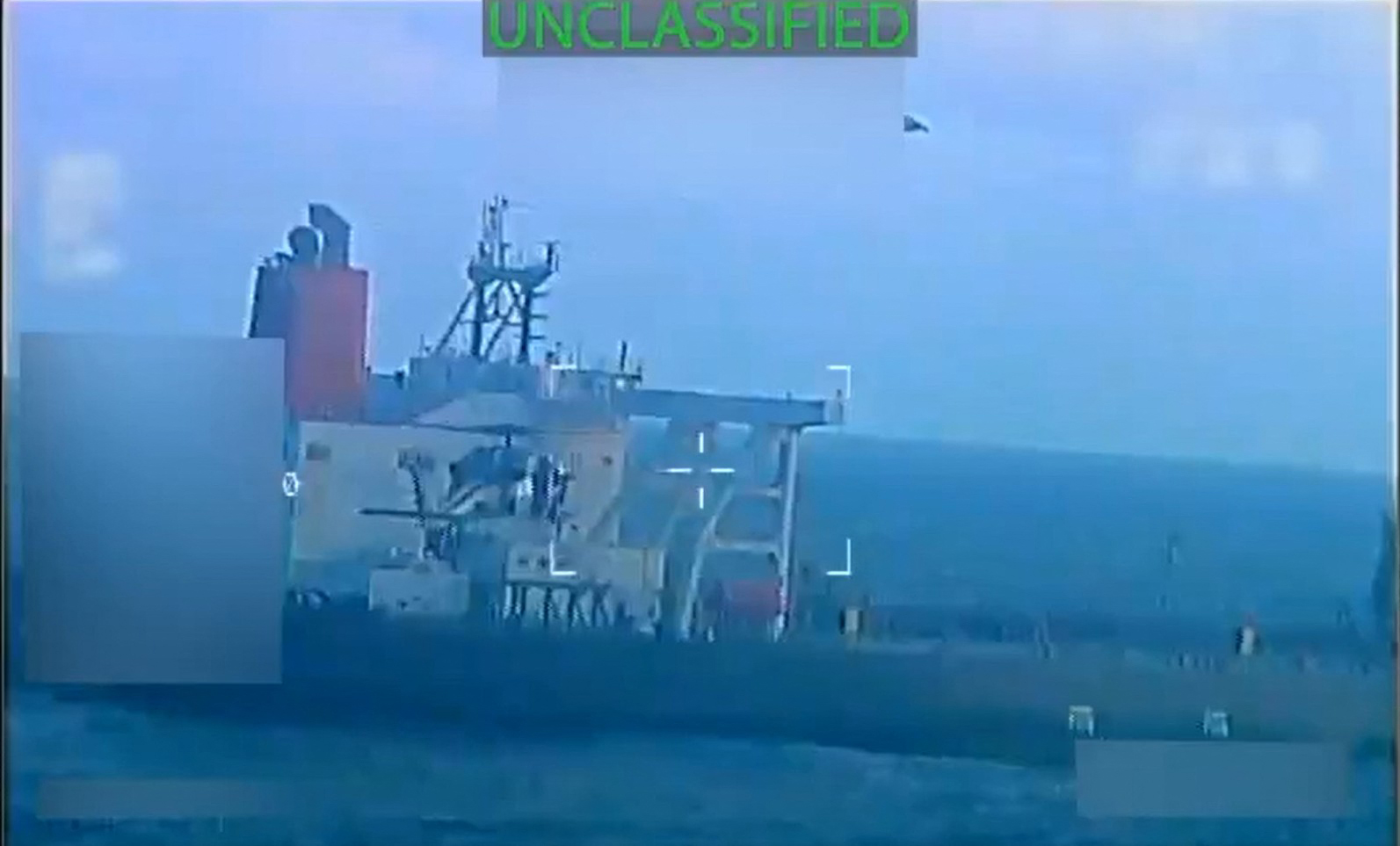
WASHINGTON/CARACAS/MEXICO CITY - The US military has intercepted and taken control of an oil tanker off the coast of Venezuela, US President Donald Trump said on Wednesday.
"As you probably know, we've just seized a tanker on the coast of Venezuela, a large tanker, very large. Largest one ever seized, actually," Trump said at a White House event.
ALSO READ: Report: 2 US fighter jets enter Venezuelan airspace
US forces carried out a "judicial enforcement action on a stateless vessel" that was last docked in Venezuela, according to a Bloomberg report, citing a senior US official.
International oil prices moved higher on news of the seizure, with Brent crude climbing as much as 0.8 percent in London trading, said the report.
Trump has recently reiterated that the US military is to start strikes on land targeting drug traffickers in the Caribbean "very soon," escalating tension between the United States and Venezuela.
ALSO READ: Russia urges US to avoid conflict with Venezuela
The Pentagon has carried out at least 22 known strikes on alleged drug vessels in the Caribbean and eastern Pacific Ocean since September, killing at least 87 people aboard.
Washington has deployed around a dozen warships, including the USS Gerald R Ford, a major aircraft carrier, and about 15,000 troops to the Caribbean Sea, which shares a significant amount of coastline with Venezuela. The region has not seen such a massive US military presence for at least three decades.
Maduro urges US to end interventionist policy
Venezuelan President Nicolas Maduro on Wednesday demanded that the United States cease its policy of intervention in the South American nation, as well as across Latin America and the Caribbean.
"From Venezuela, we ask and demand an end to the United States government's illegal and brutal interventionism in Venezuela and in Latin America," the president said as he addressed a demonstration in Caracas in defense of national sovereignty, on the 166th anniversary of the historic Battle of Santa Ines.
"From Venezuela, we demand: enough with regime change policies, coups d'etat, and invasions around the world," Maduro said.
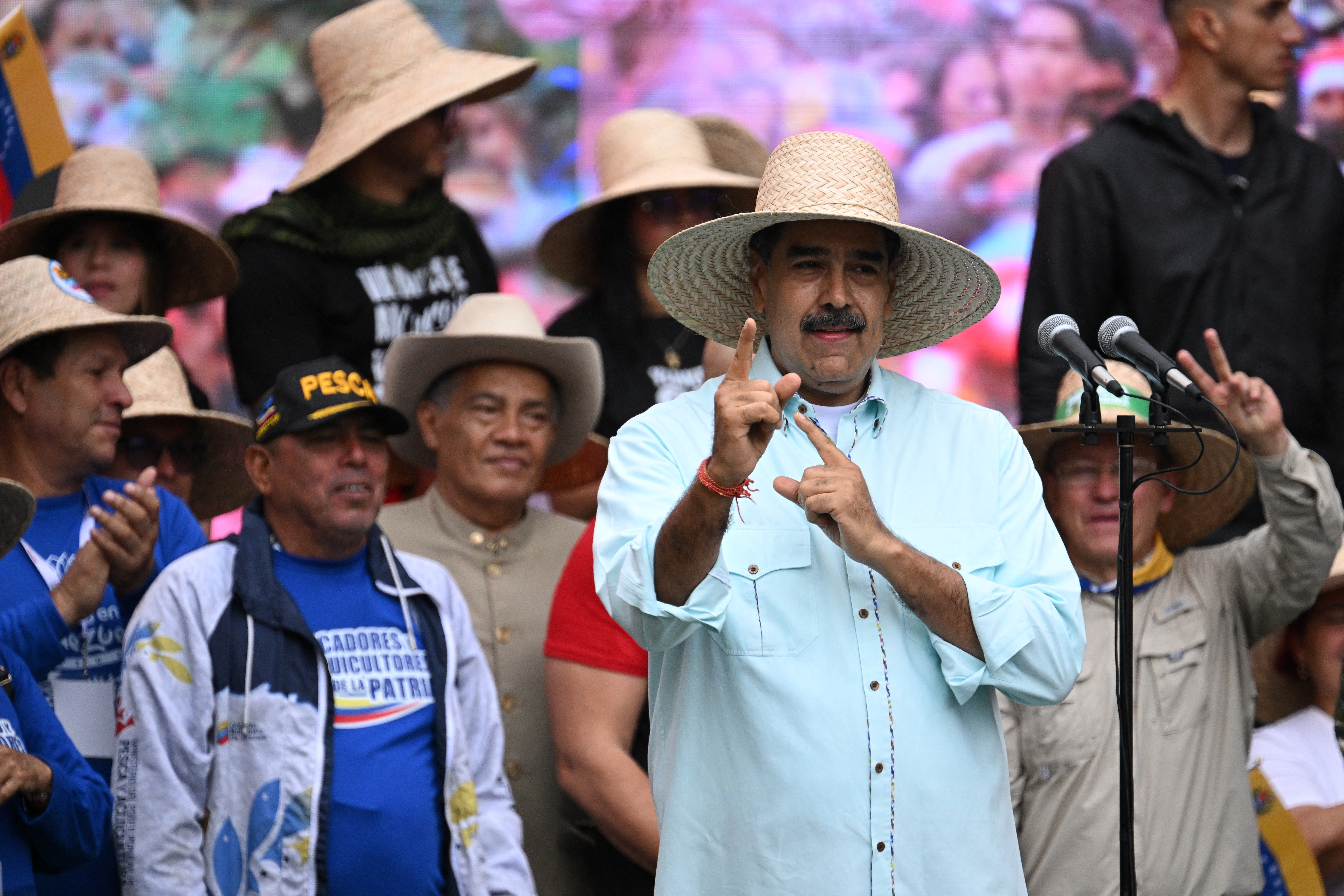
He also thanked US citizens for protesting against a potential war with Venezuela, highlighting a growing and powerful movement of public opinion that rejects US military hostility against his country.
For almost four months, the United States has maintained a significant military presence in the Caribbean, much of it off Venezuela's coast, purportedly to combat drug trafficking -- a claim Venezuela has denounced as a thinly veiled attempt to bring about regime change in Caracas.
Mexico rebuffs US offer of military strikes against cartels
Meanwhile, Mexican President Claudia Sheinbaum on Wednesday firmly rejected the possibility of US military action against drug cartels in Mexico.
Speaking at a daily press conference, Sheinbaum emphasized that foreign troops would not be allowed to operate on Mexican soil, citing national sovereignty as a key concern.
READ MORE: Trump says US to start land strikes on drug traffickers in Caribbean 'very soon'
Her remarks came in response to Trump's repeated statements suggesting military strikes against Mexican drug cartels. Sheinbaum argued that such actions were unnecessary, given the existing security agreements between the two countries.
"We are a sovereign nation and will not accept foreign intervention," Sheinbaum said, underscoring the importance of mutual respect in US-Mexico relations.
Despite differences, Sheinbaum expressed her commitment to maintaining a strong bilateral relationship. "We may not agree on everything, but we always seek the best possible cooperation between our nations," she added.
