

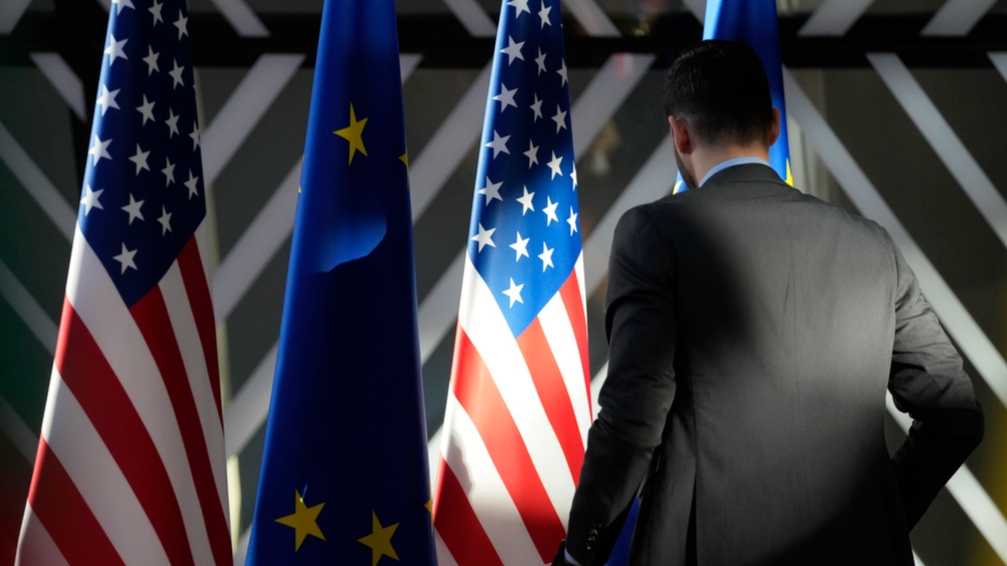
WASHINGTON - "Weak" people are leading a "decaying" group of nations in Europe, US President Donald Trump said in an interview published by Politico on Tuesday.
"I think they're weak ... But I also think that they want to be so politically correct," Trump said in the interview with Politico at the White House on Monday.
"I think they don't know what to do," the president claimed. "Europe doesn't know what to do."
Without a change in border policy, some European states "will not be viable countries any longer," said Trump, describing cities like London and Paris as creaking under the burden of migration from the Middle East and Africa.
The president said he put little stock in the role of European leaders in seeking to end the Ukraine crisis. "They talk, but they don't produce, and the war just keeps going on and on."
ALSO READ: EU leaders reject peace deal shaped without Ukrainians, Europeans
Russia was obviously in a stronger position than Ukraine, Trump told the media outlet, while renewing his call for Ukraine to hold new elections.
READ MORE: Putin, US envoy meeting ends with no compromise plan for Ukraine
In the National Security Strategy released last Thursday, the Trump administration vowed to "cultivate resistance" to the European status quo on immigration and other politically volatile issues.
"Allies do not threaten to interfere in the democratic life or the domestic political choices of these allies," European Council President Antonio Costa responded to the US national security document on Monday.
Merz disagrees with parts of US security strategy for Europe
German Chancellor Friedrich Merz said on Tuesday that parts of the newly published US national security strategy are "unacceptable" from a European perspective, stressing that Germany and Europe must be more independent from the US in terms of security policy.
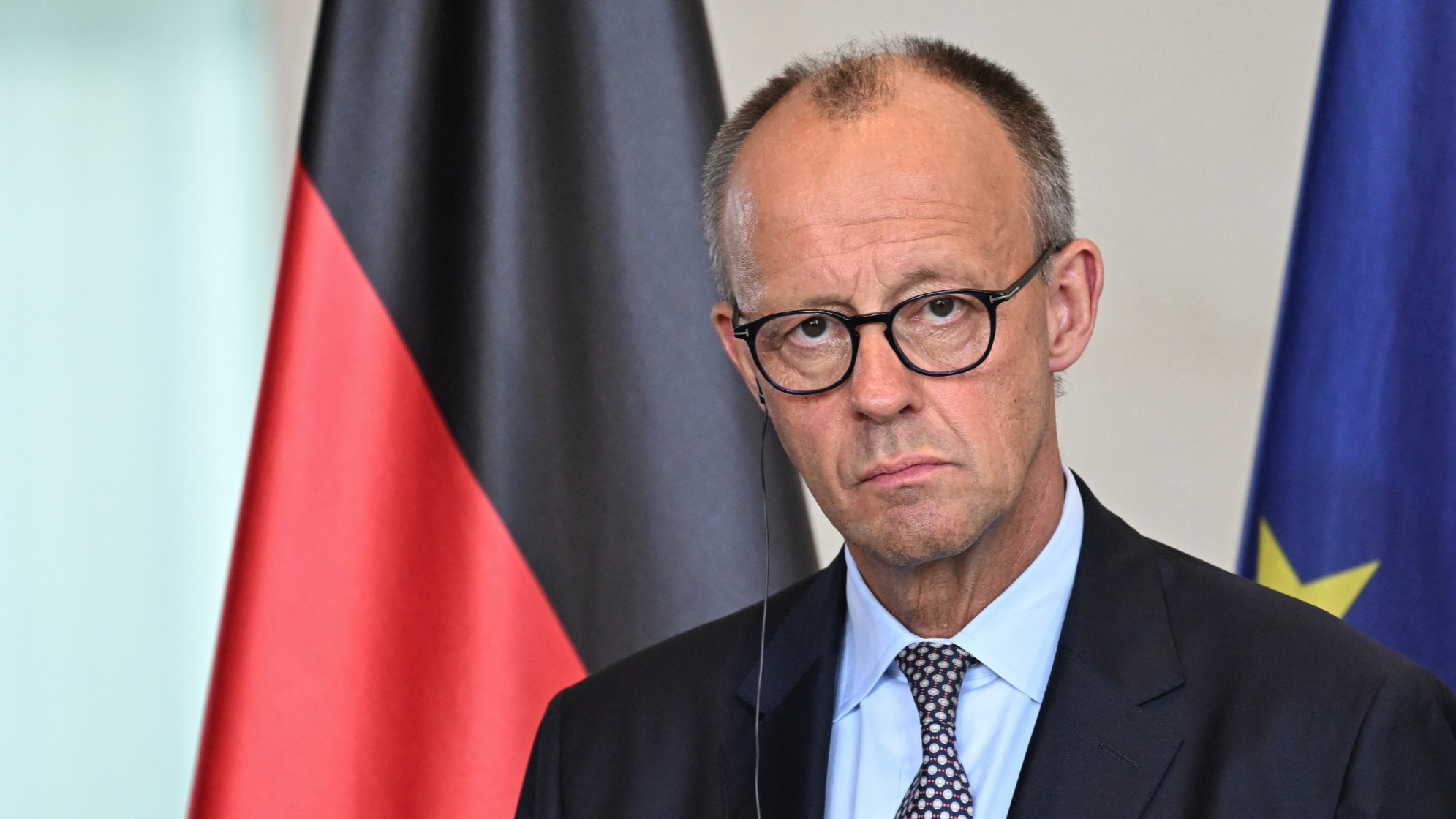
Merz made the remarks during a press conference in the state of Rhineland-Palatinate, Germany.
He said he was "not surprised" by the document and acknowledged some aspects as comprehensible, given that US Vice President JD Vance has accused Europe of straying from "fundamental values" shared with the US at the Munich Security Conference in February.
However, Merz also voiced his disagreement with part of the US strategy. "I see no necessity for the Americans now wanting to save democracy in Europe," Merz said. "If it were to be saved, we would manage that on our own."
He noted that the "America First" principle is particularly evident in the strategy. While expressing acceptance of "America first," Merz stressed that "'America alone' cannot be in your (the US) interest. You need partners in the world."
Several US and European news outlets have pointed out that in the 30-page US National Security Strategy, barely two and a half pages are devoted to Europe. The Financial Times reported that the document "highlights the ideological gulf that has opened up between Washington and its traditional allies."
