

A bowl of soup offers an introduction to a food culture, where ingredients, traditions and respect for nature shape every meal, Xing Wen reports from Shunde, Guangdong.
I travel south from Beijing's crisp, moisture-sucking late autumn to Shunde district, Foshan, Guangdong province. Long before I read any menu, my peeling lips make my craving plain: something that can soothe this persistent dryness.
The first thing I go for is kudzu root and mud carp soup, a dish recommended in the documentary A Bite of Shunde, bringing together two seasonal ingredients at their peak.
Kudzu root is at its best right now: after a full year of growth, its starch and polysaccharides give it a floury, tender texture, abundant juice and a strong sweet aftertaste.
READ MORE: Home of southern heritage
Mud carp, meanwhile, has stored up fat for the winter, meaning it is at its plumpest, most tender and succulent this season, rich in gelatin and pleasantly springy.
"This is, I think, a signature soup of Guangdong province, a must-drink at this time every year, very soothing and nourishing," says Wu Sufen, president of the Shunde District Catering Association and owner of the restaurant franchise Zhuroupo.
A medicinal-dietary dish in Cantonese cuisine, the soup centers around kudzu root, adzuki beans, black-eyed peas, and mud carp, with honey dates, dried tangerine peel, ginger, and other ingredients added.
The mud carp is first pan-fried until it turns golden, then simmered with peeled kudzu root, soaked adzuki beans, and black-eyed peas for one to three hours; traditional recipes often add pork bones or lean pork for extra flavor.
With each sip, the dryness in my throat slowly fades away, and the parched feeling on my lips eases. It is not the fleeting relief of drinking plain water, but a gentle warmth that spreads from within.
Only then do I begin to understand why soup matters so much in Cantonese cuisine.
South China's Guangdong is mostly hot, humid and rainy, with the Pearl River as its "mother river". The region's distinctive subtropical climate has helped shape a culture of nourishing and medicinal soups.
Dishes like kudzu root and mud carp soup are innovations locals have developed to adapt to this climate and environment.
"What makes Shunde cuisine special is eating with the seasons and keeping the ingredients' original flavors," says Wu, a Shunde native.
That philosophy extends far beyond the soup bowl.
Eating with the seasons and following nature's course are central to Shunde cuisine, and the local mulberry-dike fishpond captures this perfectly.
This closed-loop ecological system works in simple steps: mulberry trees are planted on raised earthen dikes around fishponds; their leaves feed silkworms; the silkworms' excrement, known locally as cansha, feeds the pond fish; and nutrient-rich sludge dredged from the pond bottom is returned to the dikes to fertilize the mulberry trees, completing the cycle.
The system's output follows the calendar.
Each April, with the spring rain, the mulberry trees put out tender new leaves, believed to disperse wind-heat, clear the liver, and brighten the eyes.
The leaves on a single branch are carefully used in three different ways.
The topmost leaves, jade-green with a hint of pale yellow, go into a rich stock; tender and fiber-free, they taste of spring in a single bite.
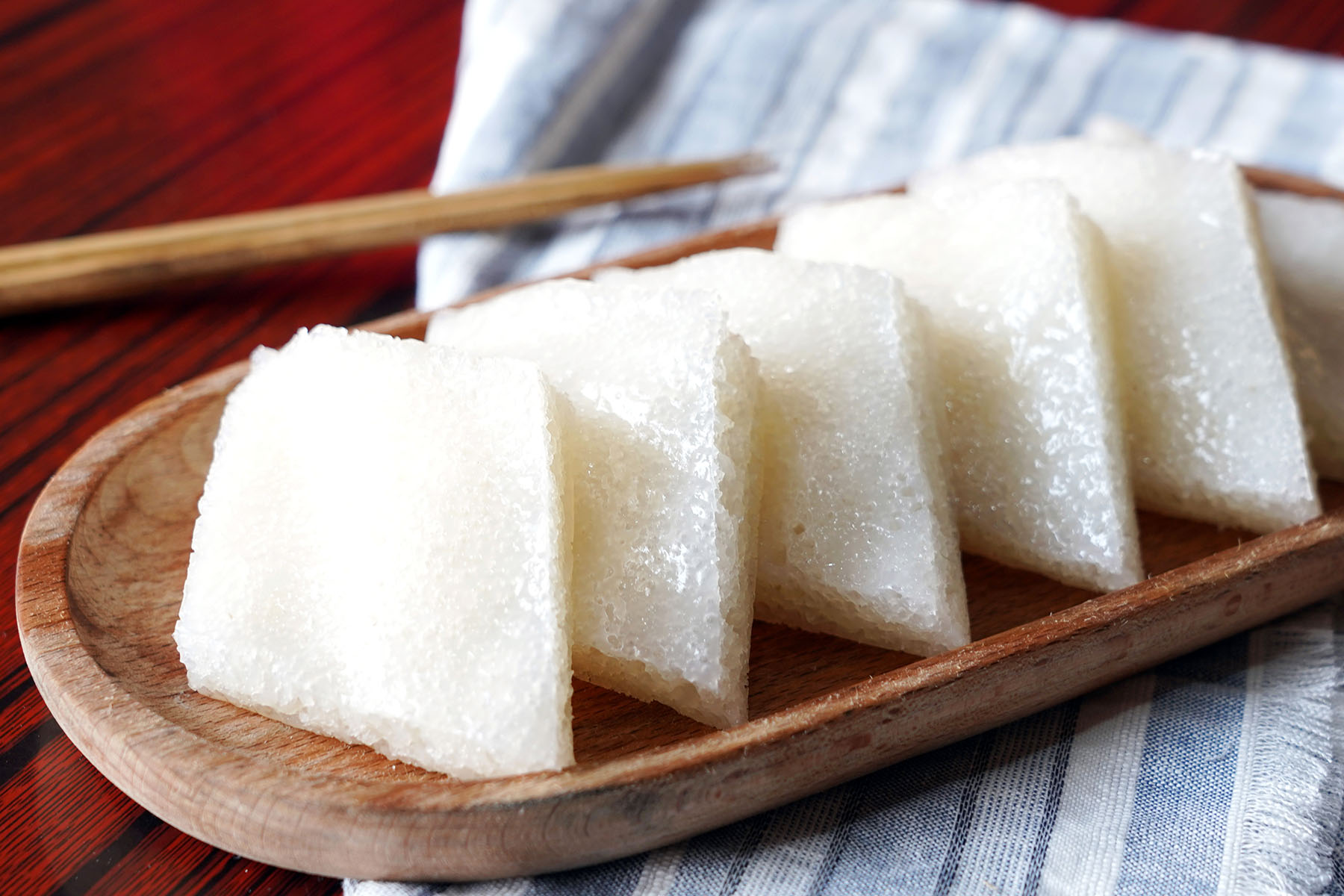
The middle layer of leaves, a little deeper green, is used to make mulberry leaf rolls: tender mulberry leaves wrapped around a vegetarian filling of carrot, corn, cucumber, and green beans, tied with yellow chives and steamed.
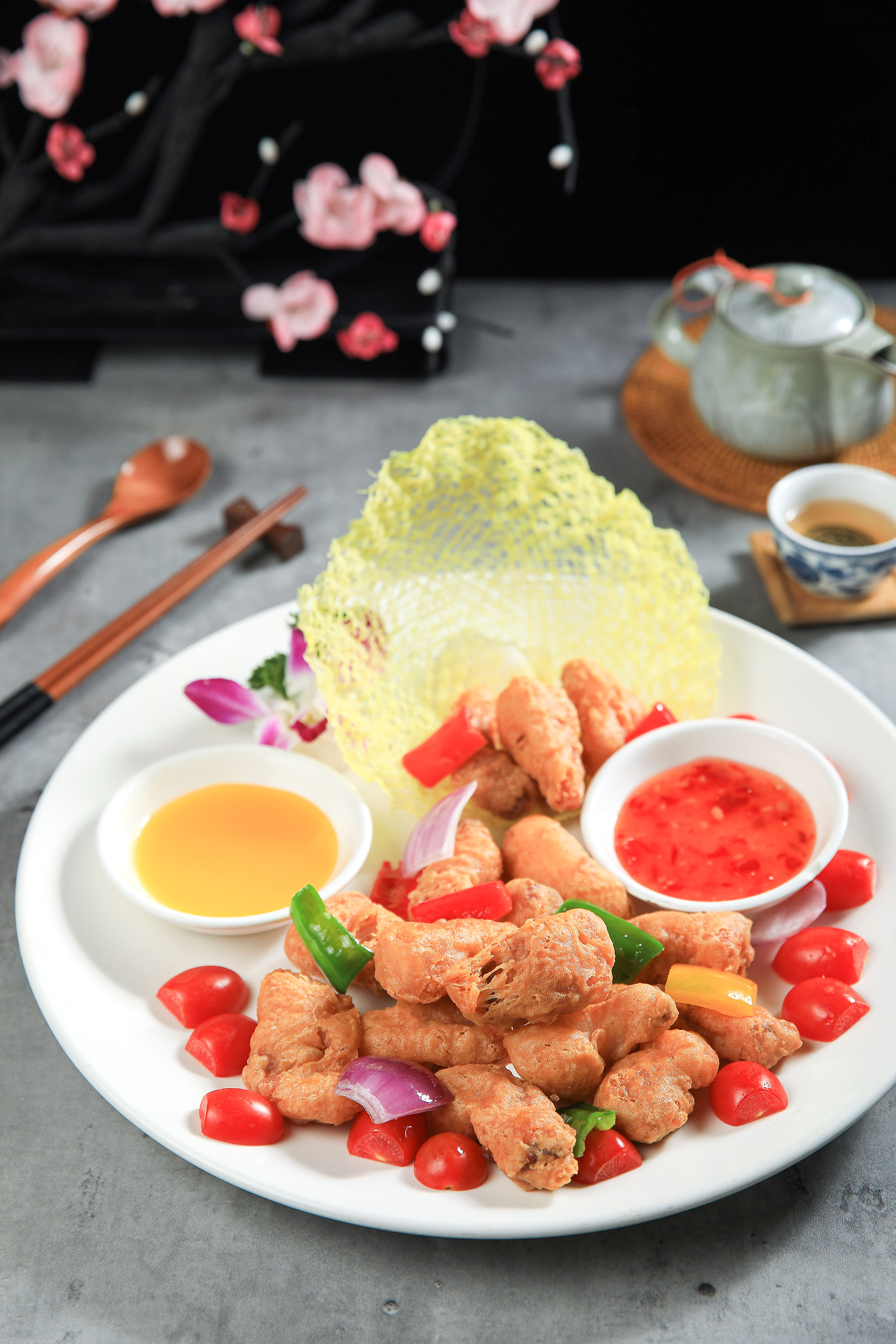
The lowest layer of leaves, large and dark green, can be deep-fried or used for mulberry leaf wraps; the big leaves are well suited to wrapping meat, cutting richness with a fresh, clean taste.
Each summer, the system produces its most iconic seasonal vegetable: Sangma black-hairy jiegua, a prized local melon grown on trellises over the pond dikes and generally harvested from May to July.
Because the melons hang above the water, they catch light reflected off the pond surface and get even exposure to the sun, while the pond sludge provides organic fertilizer.
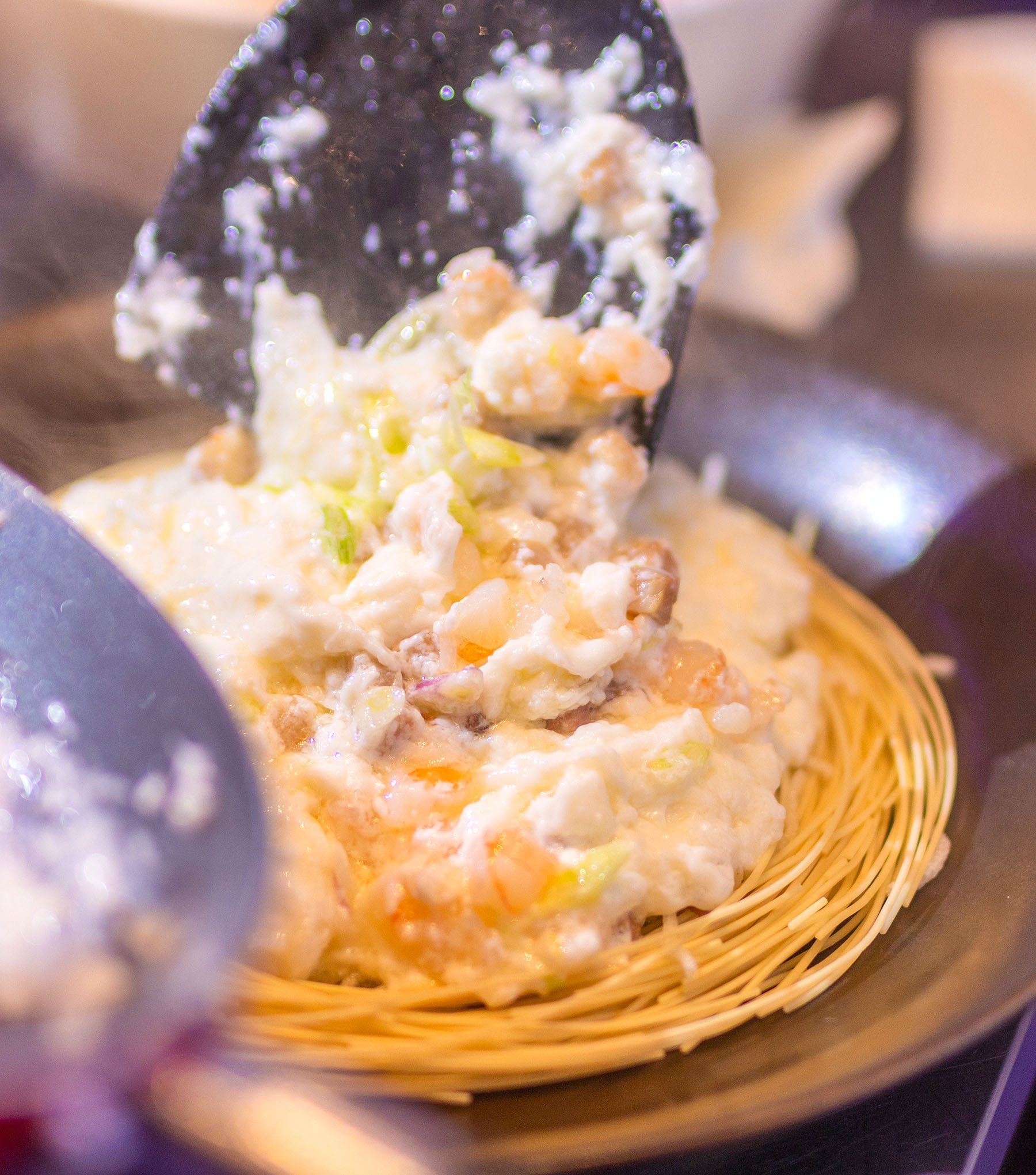
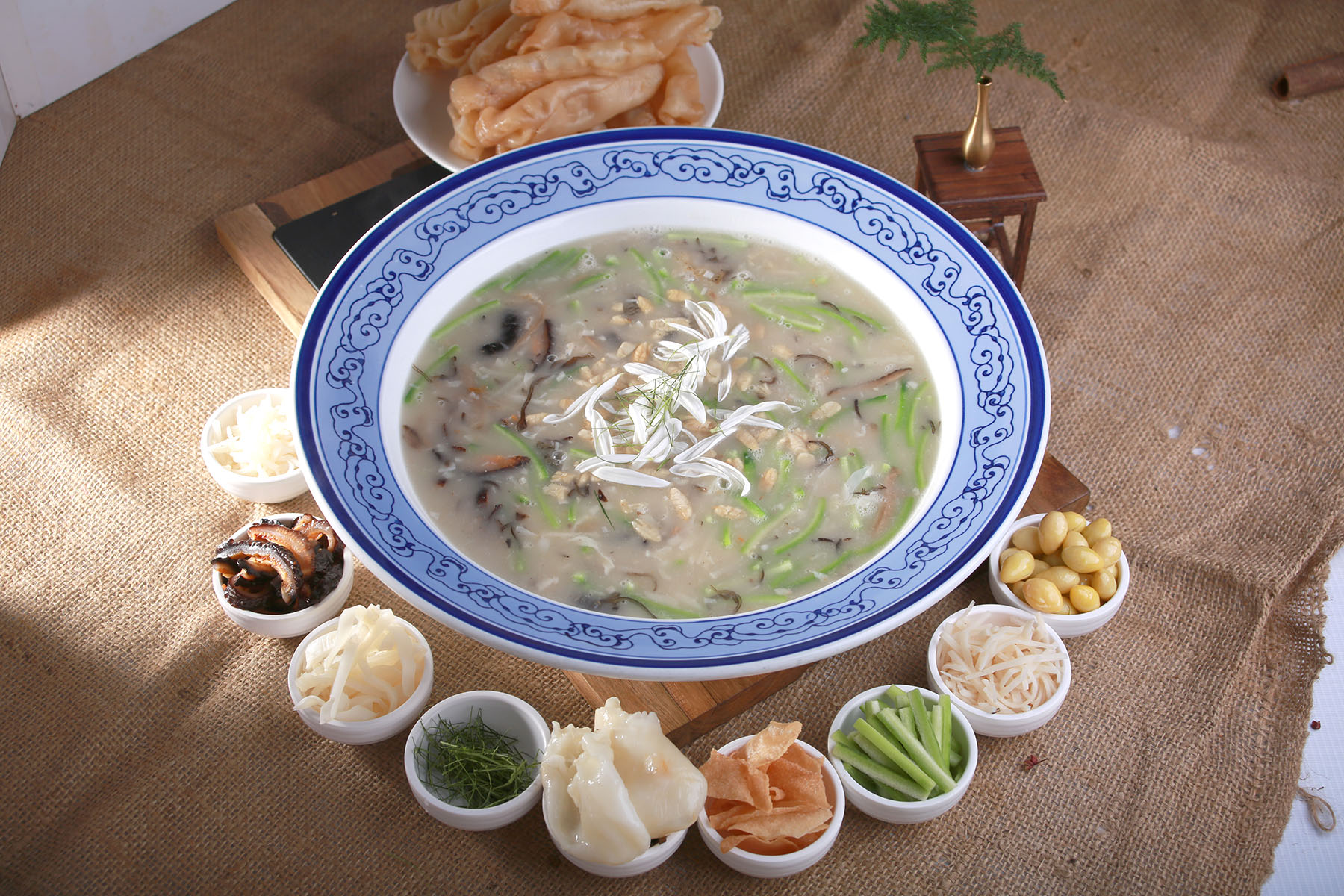
As a result, the melons are mild, sweet, and refreshing, making them perfect for light broths, quick stir-fries, and slow-simmered soups that help cut through southern China's steamy summer humidity.
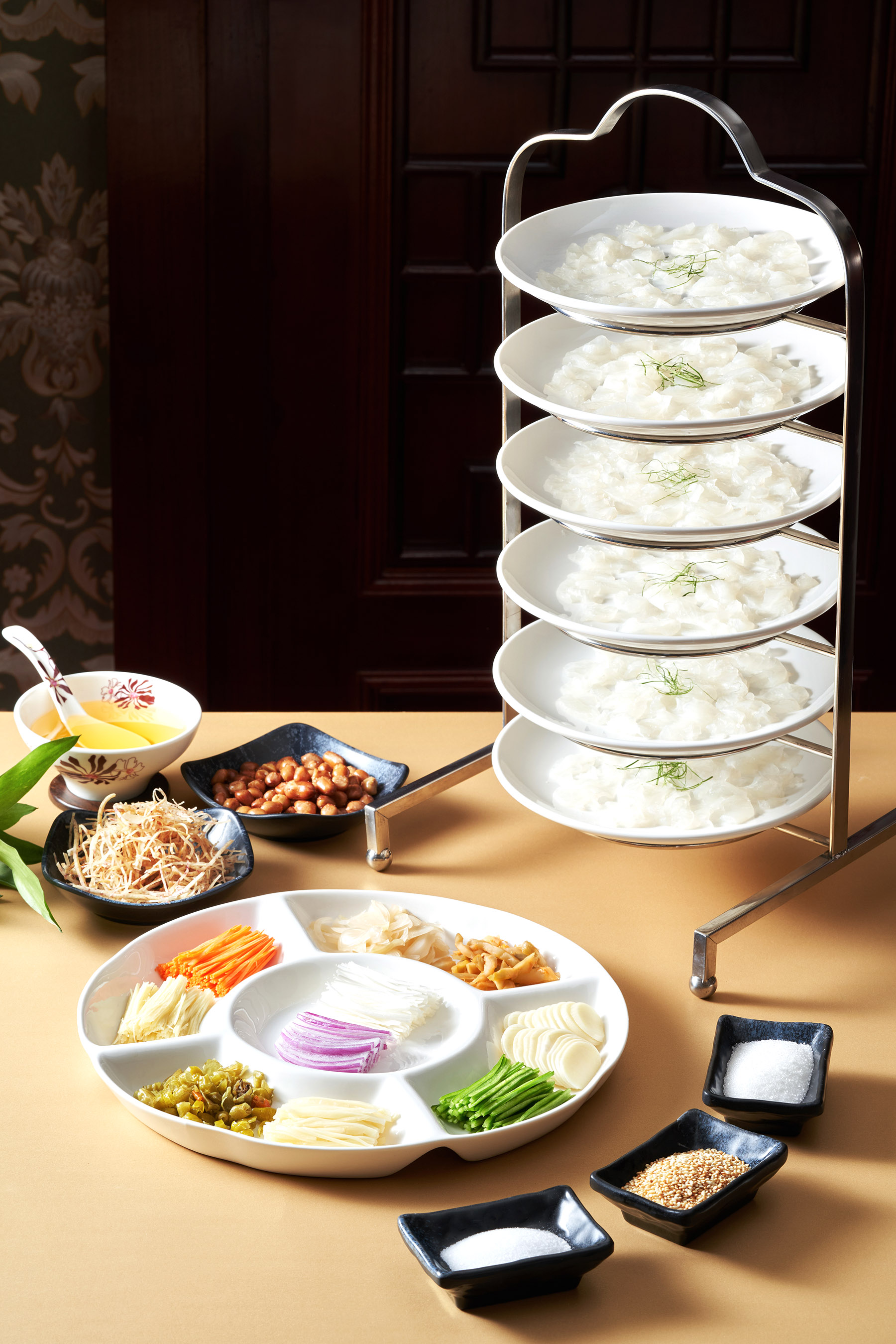
The same logic shapes Shunde's iconic raw-fish salad, which also comes from the mulberry-dike fishpond system.
The dish is made mainly with pond-raised grass carp, which is deboned and thinly sliced. Chilled until translucent, the slices are tossed with peanut oil and assorted seasonings, giving a crisp texture and a clean taste.
Interestingly, the same approach is applied to gourds.
In summer, for example, a bitter melon is halved, its white pith scraped clean — the key to removing bitterness — and then cut into very thin slices. These are blanched in boiling water for about 30 seconds, then immediately removed and plunged into ice water, which removes any astringency, keeps the slices crisp, and preserves their green color.
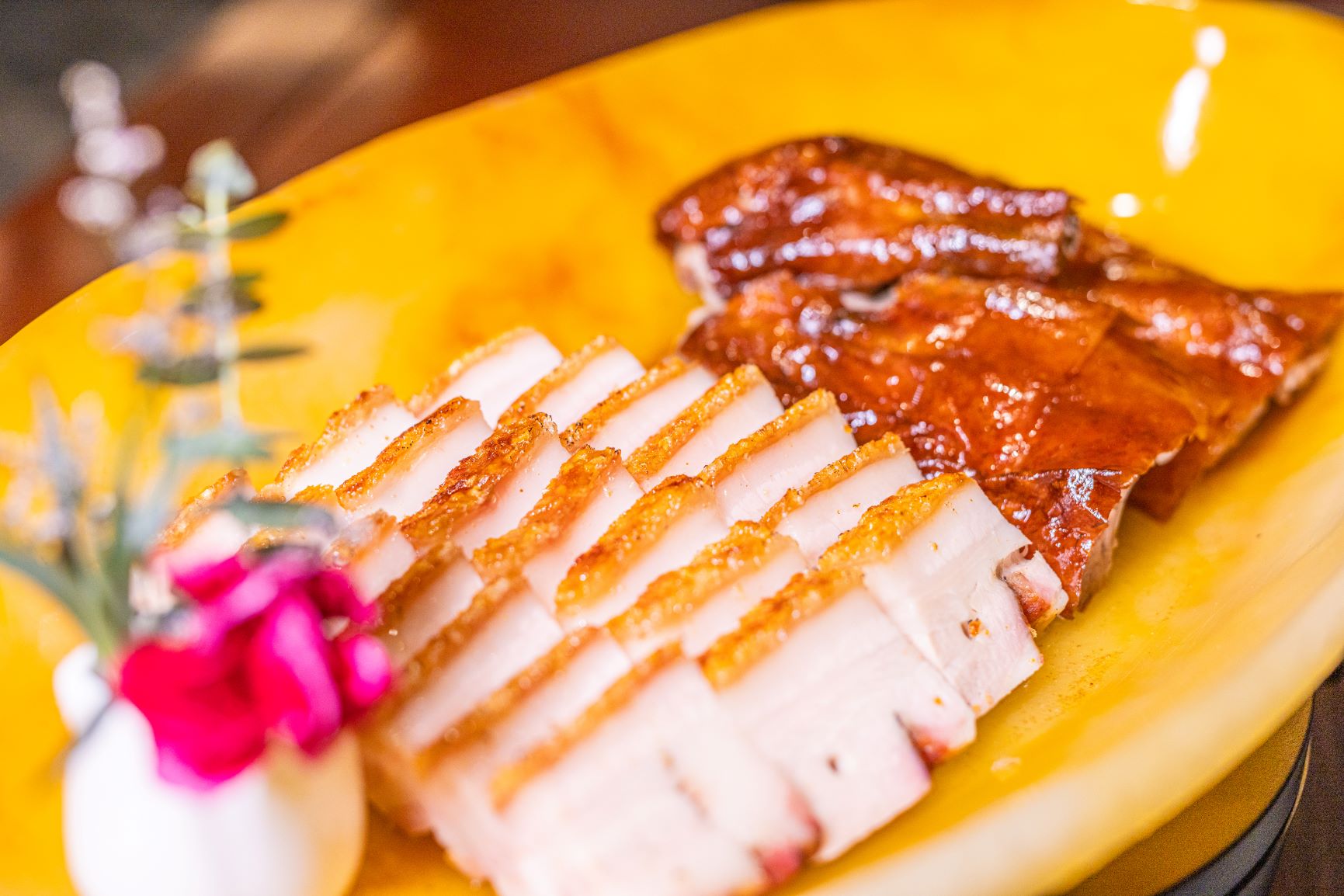
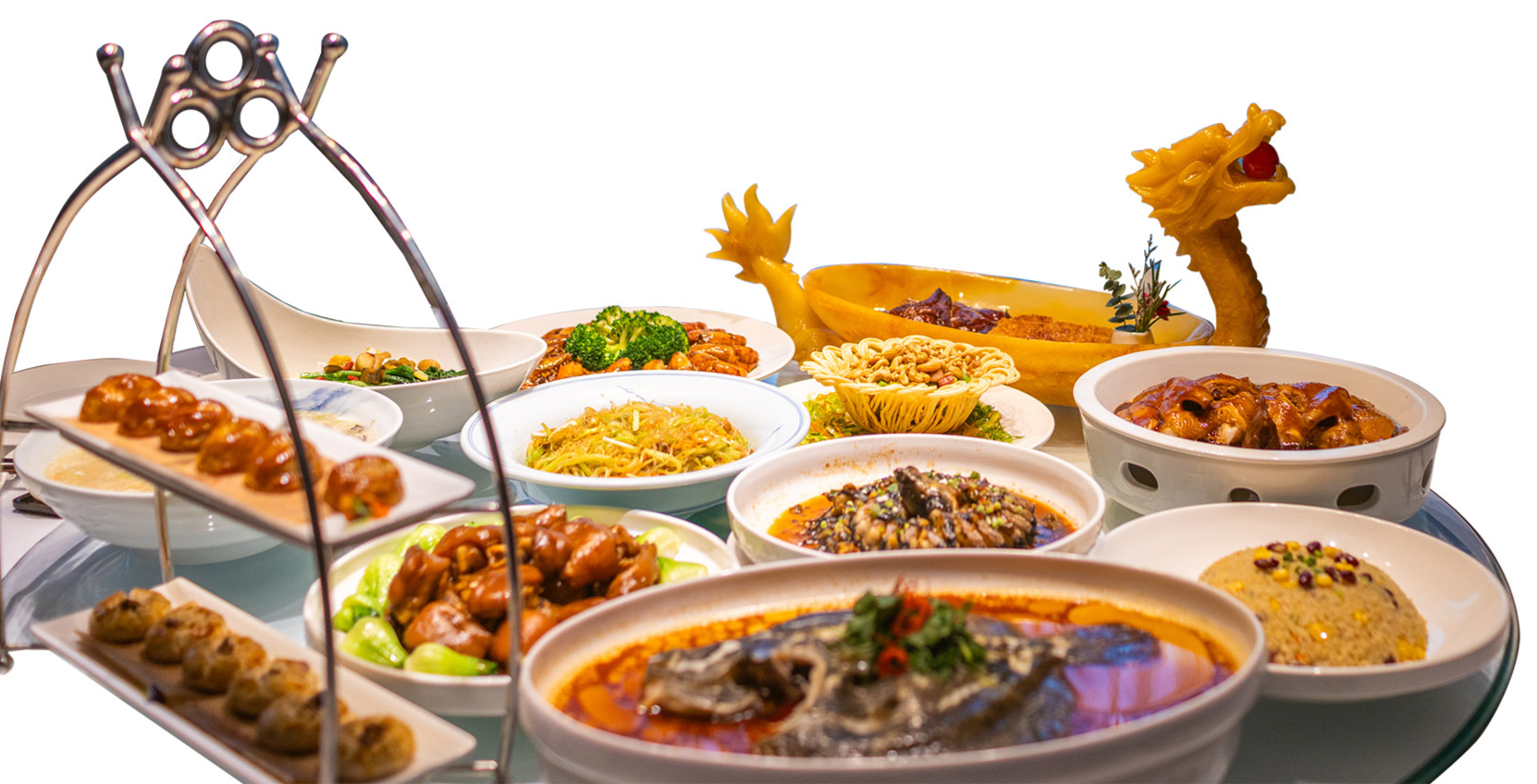
The prepared slices are then tossed with a mix of pickled and fresh garnishes, along with a little salt, sugar and oil.
"The result is crisp and refreshingly sweet, with almost no noticeable bitterness, only a faint sweet aftertaste. Many people who normally dislike bitter melon are won over by this dish," says Dong Guoshun from the School of Culinary Arts at Shunde Polytechnic University.
ALSO READ: When getaways come with hands-on lessons
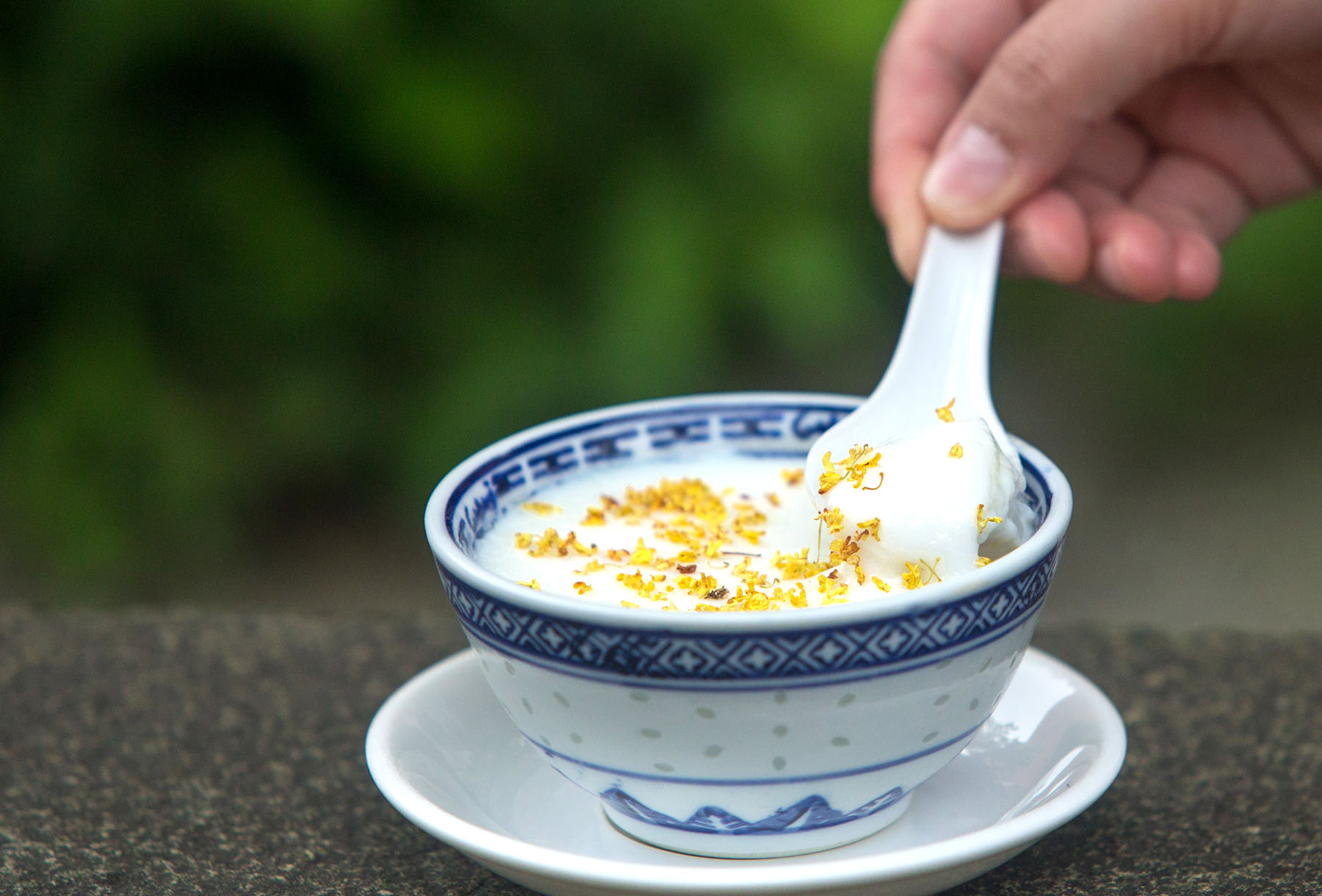
Every day in Shunde, I ate until I was stuffed, and between proper meals I still found room for local desserts like double-skin milk pudding (shuangpinai).
Because the food was light and nourishing, I felt healthy rather than guilty as I set off for home.
The dryness that had followed me south was gone; what stayed was the taste of a place that eats with the seasons, and knows exactly why.
Contact the writer at xingwen@chinadaily.com.cn
