

Tragic yet hopeful series captivates audiences domestically and overseas with its ancient authenticity, Xu Fan reports.
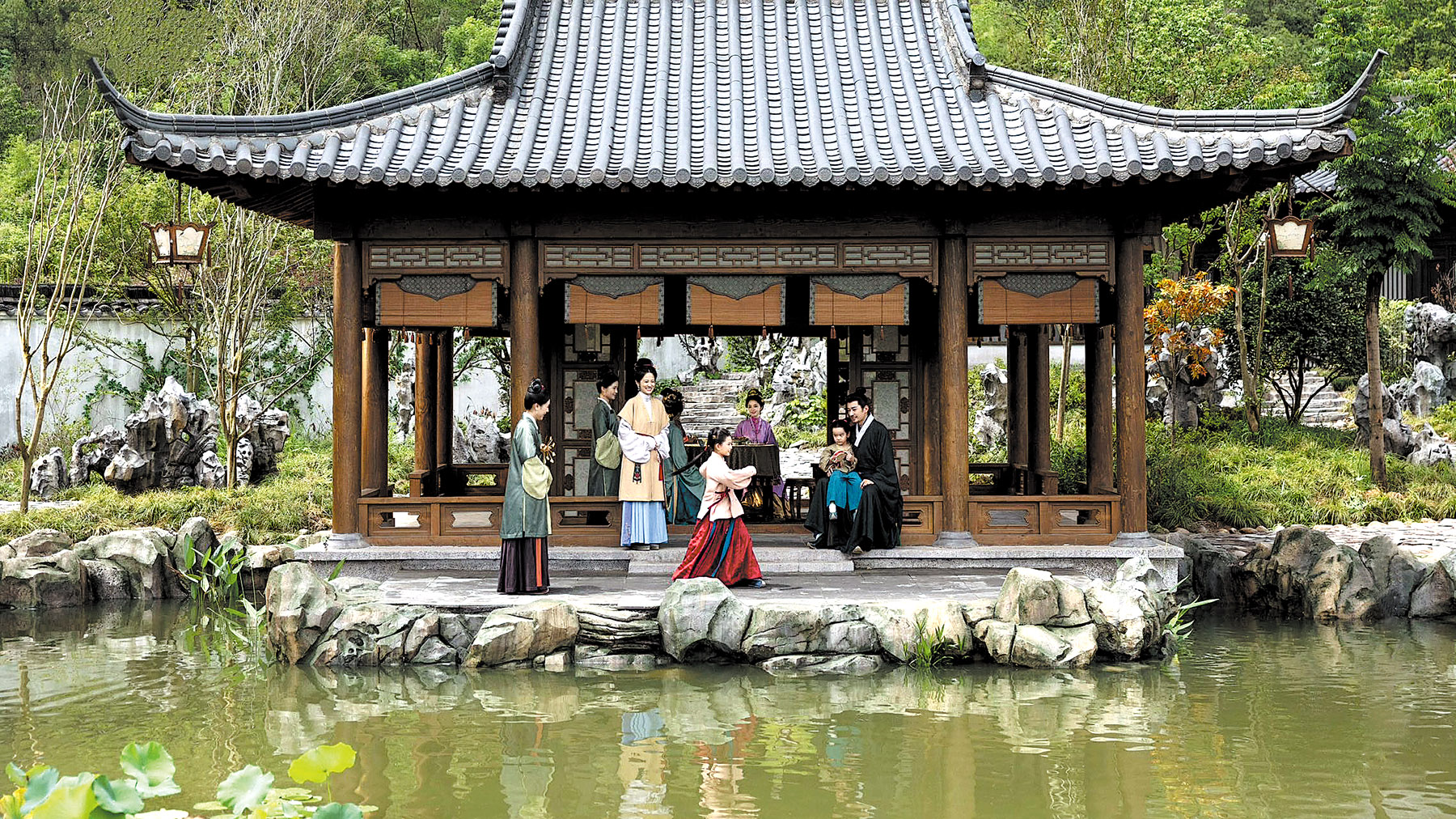
The tragedy unfolds in a single night. Once the privileged granddaughter of a distinguished scholarly family in an unspecified ancient era, Shen Jialan's world collapses when her grandfather is accused of treason.
The men in her family are executed while the women are punished by being sent to an imperial pleasure house where they are forced to serve and entertain men. Rather than endure such humiliation, they choose to end their lives.
Shen is the sole survivor. A poor couple, seeking to repay the kindness Shen and her mother once showed them, risk their lives by allowing Shen to assume the identity of Xu Lanxiang, their deceased daughter. Forced to live cautiously, she hides the truth that she is well-educated, unexpectedly becoming a servant in the noble household of her former fiance, Lin Jinqi, a military official and the most likely heir of a wealthy family.
This dramatic reversal sets the stage for Against the Current, one of this year's most popular Chinese dramas overseas. Starring Tan Songyun as the heroine and actor Liu Xueyi as the heir, the 47-episode costume drama topped viewing charts in multiple countries and regions, including the United States, Japan, Singapore, Malaysia, and Vietnam, on Tencent's international streaming platform, WeTV.
ALSO READ: Resilient spirit carries prisoner to prosperity
In an interview with China Daily, Tan recalls receiving the script about two years ago and being drawn to the heroine's resilience and intelligence. "The role is like a pure, vivid flower blooming through adversity — full of courage and strength, bringing people a great sense of warmth," Tan says.
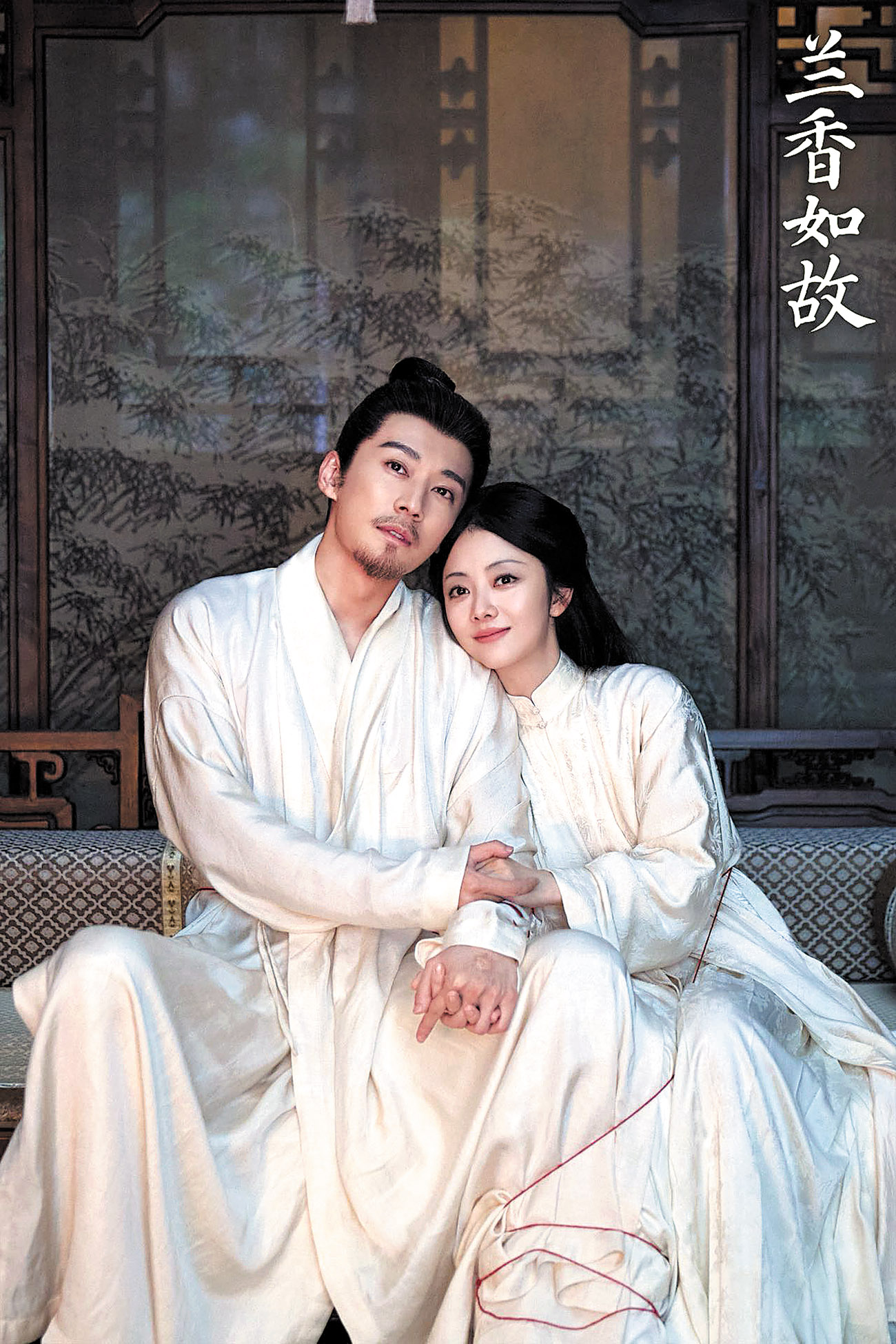
Huang Yingxiang, who co-directed the series with Chen Dan, says the script made a similar impression on her. What drew her to the project was the heroine's legendary life path and her ability to remain hopeful even after enduring pain that ordinary people can hardly put into words.
That resilience is reflected in the challenges Xu overcomes throughout the story. She uncovers a scheme in which poisoning is disguised as an epidemic, raises enough money to buy her adoptive parents' freedom from slavery, and even detects signs of a prince's plot to overthrow the emperor.
A Peking University graduate who later earned a master's degree in the United States, Huang was reminded of Shi Jing, or the Classic of Poetry, China's oldest surviving poetry collection, comprising 305 works dating from the 11th to the sixth centuries BC, when she read the script.
Huang says the drama has a "distinctive temperament", as it finds beauty in the details of ancient China's everyday life. Its world takes shape through small, revealing moments — from noblemen wearing flowers as they compete in an impromptu poetry contest to traditional wedding ceremonies and even the design of the servants' residence.
Chen shares appreciation for the script's richly drawn world. The series features a wide range of characters, he says, each with a distinct personality and a vitality that makes their lives and choices compelling.
Translating that world onto the screen required considerable preparation. To create a convincing setting, the production crew spent eight months building a sprawling garden compound spanning over 25,000 square meters at Hengdian World Studios in Zhejiang province, one of China's major film and television production bases.
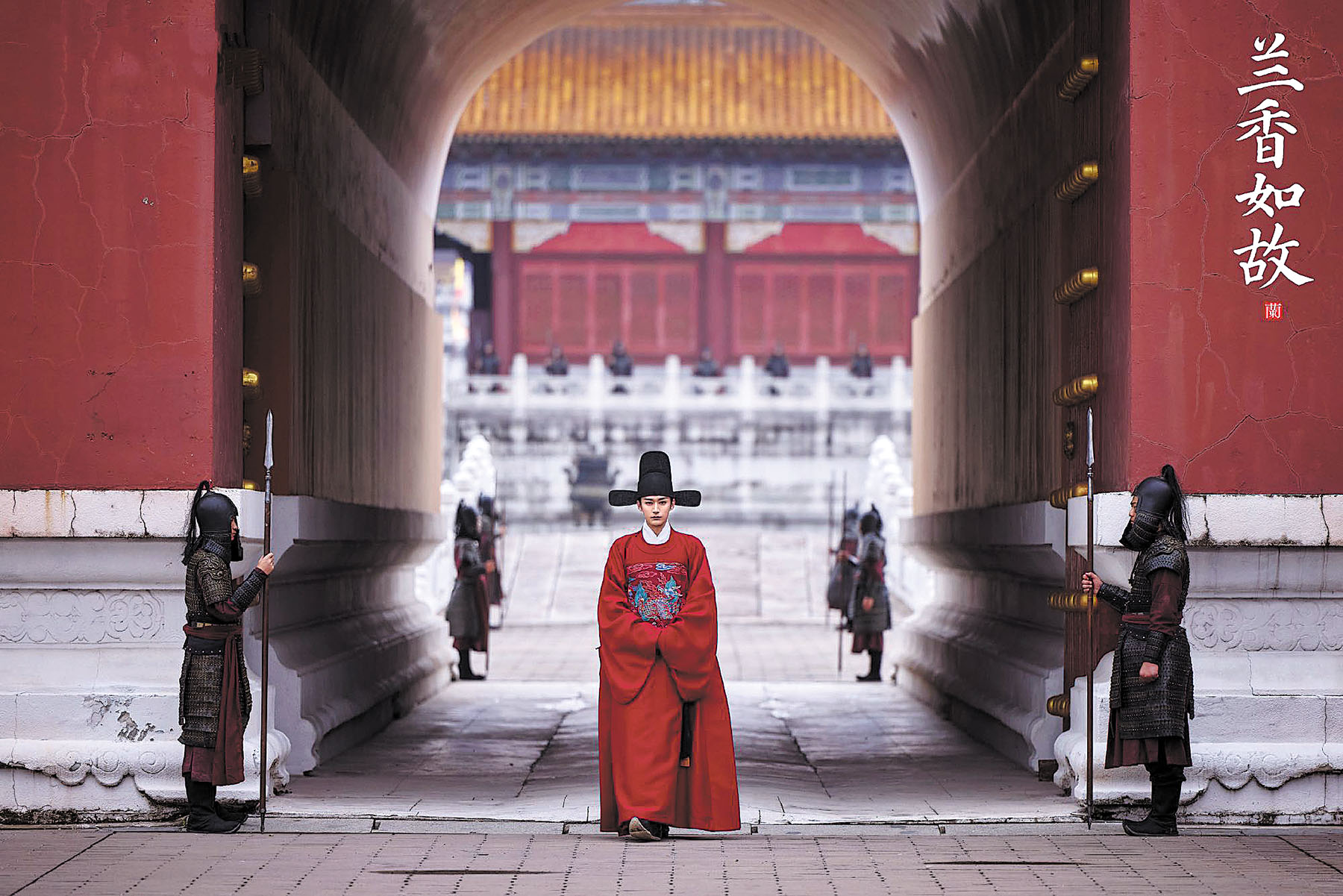
The two directors and the creative team also visited renowned classical gardens in Suzhou, Jiangsu province. They consulted books on traditional garden design to understand the architectural aesthetics behind these spaces better.
Filming began in May 2025, but the team continued refining the drama over the six-month production. They held repeated script readings to deepen their understanding of the characters and their relationships.
Meanwhile, the garden required constant attention. Flowers, grass and trees were transplanted to bring the setting to life. Some plants were sensitive to temperature changes and prone to yellowing or withering, adding pressure to the shooting schedule. The crew planted banana trees two or three times to capture rain falling on their leaves for a scene, the two directors say.
Such care for the setting was part of a broader visual approach that often favors suggestion over explicit display — an aesthetic principle commonly known in Chinese art as liubai (leaving blankness), leaving room for the viewer's imagination.
One such example: Xu, tipsy and unsteady on her feet, walks through a fragrant garden with Lin, the nobleman who has fallen for her, following close behind. Her cheeks flushed, she pauses to breathe in the scent of orchids blooming at night. Lin's admiration is unmistakable, yet the camera refrains from turning the moment into overt physical intimacy. Instead, it leaves space between the characters, allowing the atmosphere and unspoken emotion to do the work.
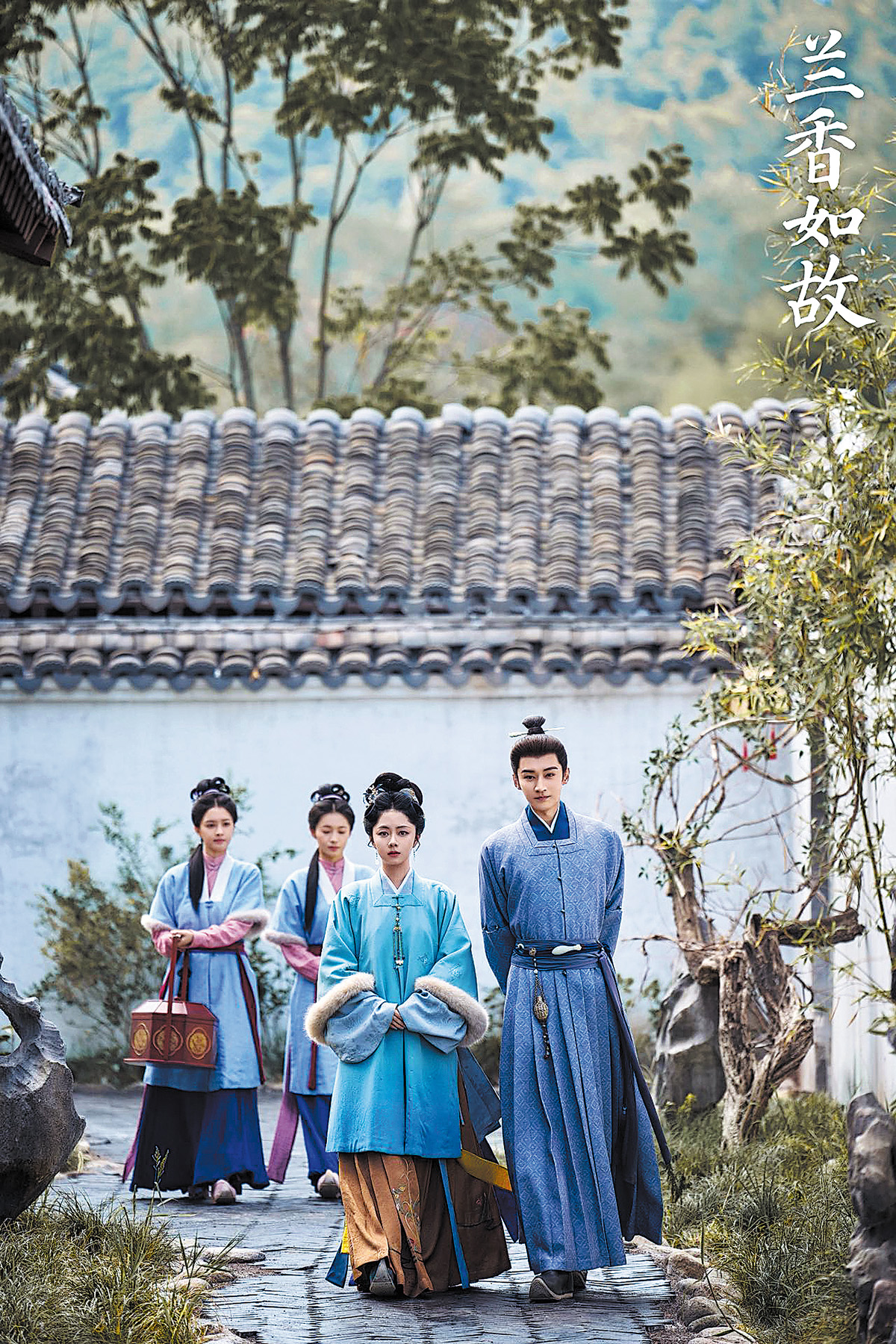
The same restraint shapes Lin's decision to resign from office after he recognizes the dangers of the imperial court. The sequence unfolds without dialogue. Through metaphor-laden imagery, Lin walks through swirling snow and across bloodstained ground, the stark visuals conveying the hardships and disillusionment behind his decision.
"Through these images, we wanted to show that he had entered the thorny world of the imperial court for the honor of his noble clan, to fulfill his ambitions, and to serve his country loyally," Chen says. "But when he looks back on the choices he has made over the years, what he wants to quit is the killing — a price he paid for his promotion."
Another striking image comes in a scene depicting Han Liang, a loyal official, freezing to death amid snow and wind. When a eunuch discovers Han's lifeless body beneath a thick blanket of snow, he flees in terror. At that moment, the dark clouds part and a shaft of sunlight falls on the dead official, setting him apart from the world around him and suggesting the nobility of a man who remained true to his principles.
ALSO READ: The power of the flower
Chen says he spent several days waiting for the right weather to capture the scene. "I waited for the dark clouds every day. As soon as I saw them, I went to shoot. We hoped to use an imagery-driven world to let the audience feel the temperament of a person — an artistic approach unique to Chinese people," he says.
The drama has also received positive reviews from overseas viewers, earning 9.6 out of 10 on the US-based streaming platform Rakuten Viki. Both directors say they hoped the series would give international audiences a deeper understanding of Chinese culture, from the classic garden designs to the traditional values reflected in the characters' choices.
"It reflects a Chinese philosophy of life; even after weathering life's ups and downs, one should remain true to one's original aspirations and strive to do good," Huang says.
Contact the writer at xufan@chinadaily.com.cn
