

Hong Kong — The Hong Kong Jockey Club Charities Trust shared nearly three decades of healthy aging experience Tuesday at a high-level technical meeting held alongside the 77th session of the World Health Organization (WHO) Regional Committee for the Western Pacific.
The meeting brought together government representatives, experts and partner organizations to explore how communities can better help older adults maintain their health, independence and functional ability as populations age.
Since the late 1990s, the trust has pioneered more than 60 healthy-aging-related projects and approved nearly HK$4 billion ($509 million) in funding.
ALSO READ: Laying the digital foundations: HKJC’s 10-year journey to a shared AI future
The initiatives span dementia care, mental well-being, chronic disease and medication management, mobility enhancement and gerontechnology. They help older adults stay healthy, active and connected while supporting Hong Kong’s health and social care services.
At the meeting, titled “From Commitment to Action: Advancing Healthy Ageing in the Western Pacific through Partnership, Innovation and Investment”, Imelda Chan, head of Charities (Health & Older Adults Cluster) of the Hong Kong Jockey Club (HKJC), joined regional leaders and experts to discuss practical approaches to strengthening health systems and community-based support for older adults.
Participants exchanged experiences from their countries and explored opportunities for regional learning, technical exchange and future collaboration.
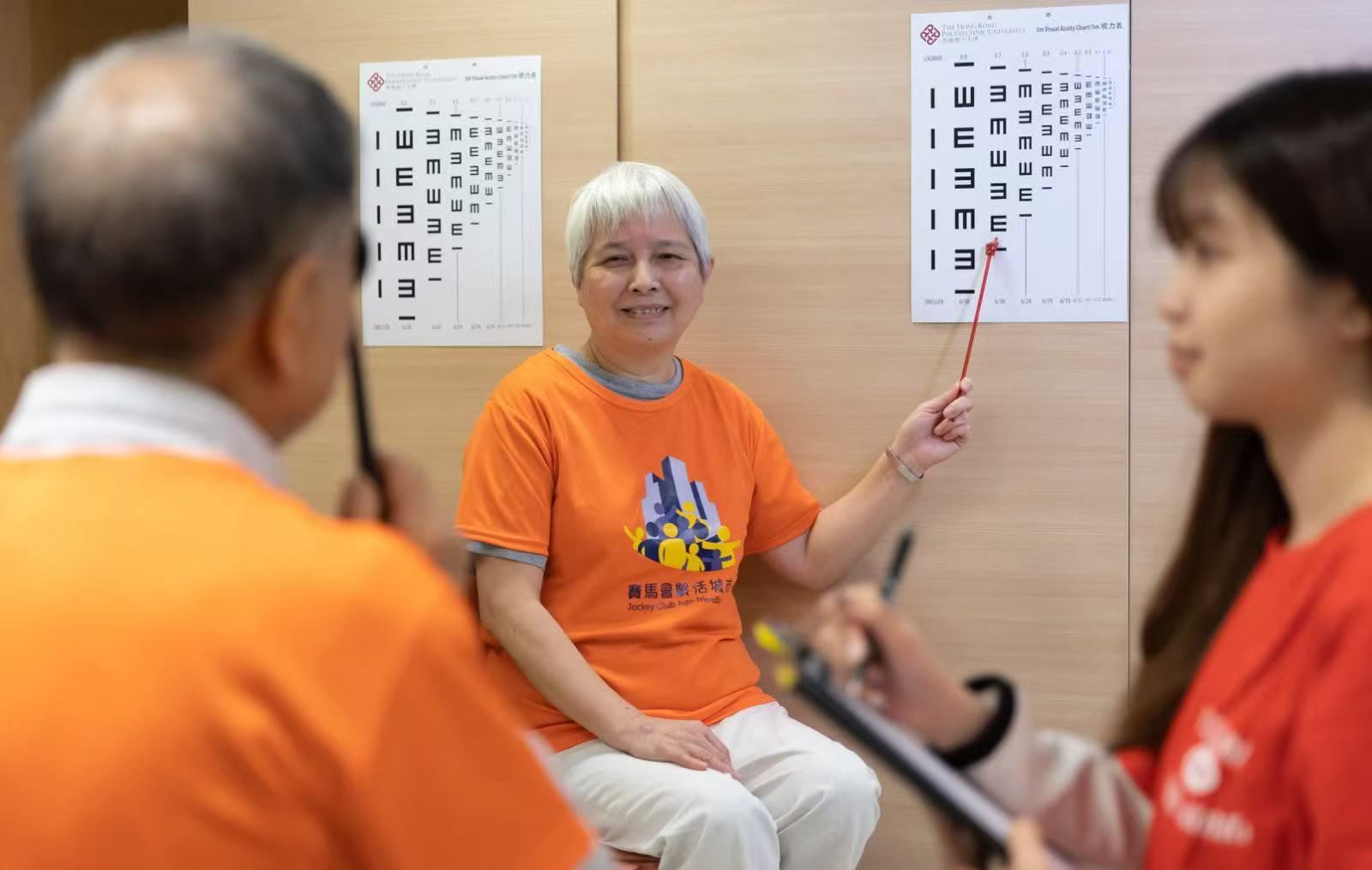
The trust’s support for the Chinese University of Hong Kong in advancing healthy aging through evidence-based and community-based projects was also shared. These include the Jockey Club Community eHealth Community Care Project and the Jockey Club Age-friendly City Project.
The trust will continue supporting healthy aging with the aim of addressing health inequality, Chan said. She added that it will also pioneer a client-centered approach that empowers community partners to support older adults’ functional ability and reduce disease burdens.
