

Younger generation head to Hainan for healthy, active holidays and personal development
Qi Huan has spent four years at a Shanghai tech company, commuting two hours to work every day. She is in seven work chat groups, and her heart races every time her phone buzzes on weekends.
One morning at 2 am, after finishing yet another business proposal, she stared at her screen for 10 minutes and decided on the spot to have a weeklong holiday.
She immediately booked a flight to Sanya in Hainan province and, a short time later, arrived in the coastal city of Wanning by train. She had no itinerary or plan — just the knowledge that there was a “sports school” there where people were active and energetic.
In Wanning, she found what she was looking for. “Before, I worked like crazy so I could have a better life. Now I realize life shouldn’t be about that,” she said.
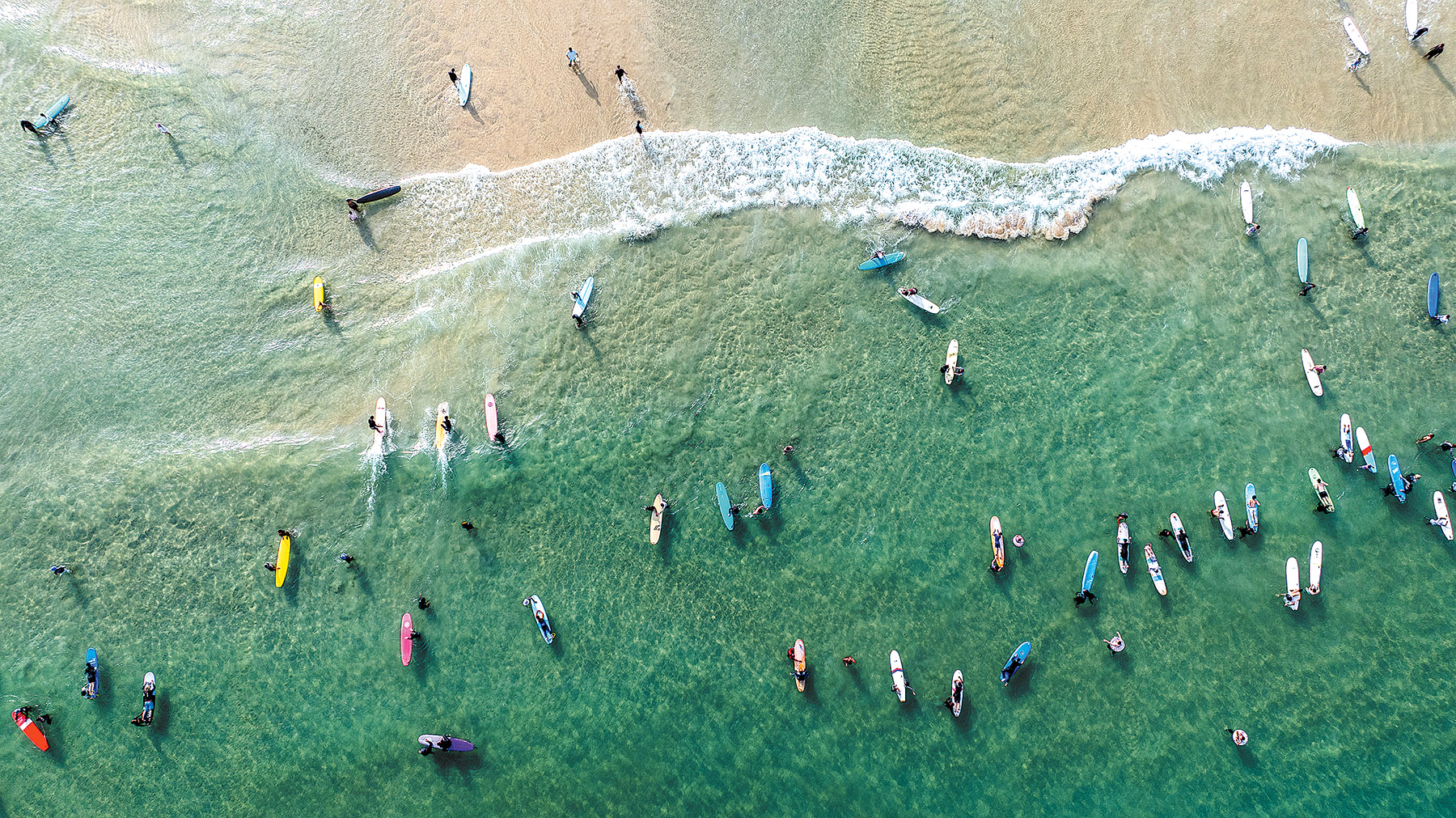
Her mornings began with running or gym sessions. Days were filled with surfing, paddleboarding, and rock climbing. Afternoons saw more training, while evenings were filled with watching the sunset over the sea, dining, drinking, and dancing with new friends.
Qi is one of countless young people who flooded Wanning this summer. They call it “going to sports school” — but there are no gates, no uniforms, and no diplomas. It is a lifestyle shaped by social media where gyms, surf clubs, paddleboard camps, beach volleyball courts, coastal cafes, bars, and long-term holiday rentals cluster together.
“Sportcation” is a travel model that integrates training, leisure, and social interaction, placing physical activity at the core of the holiday experience.
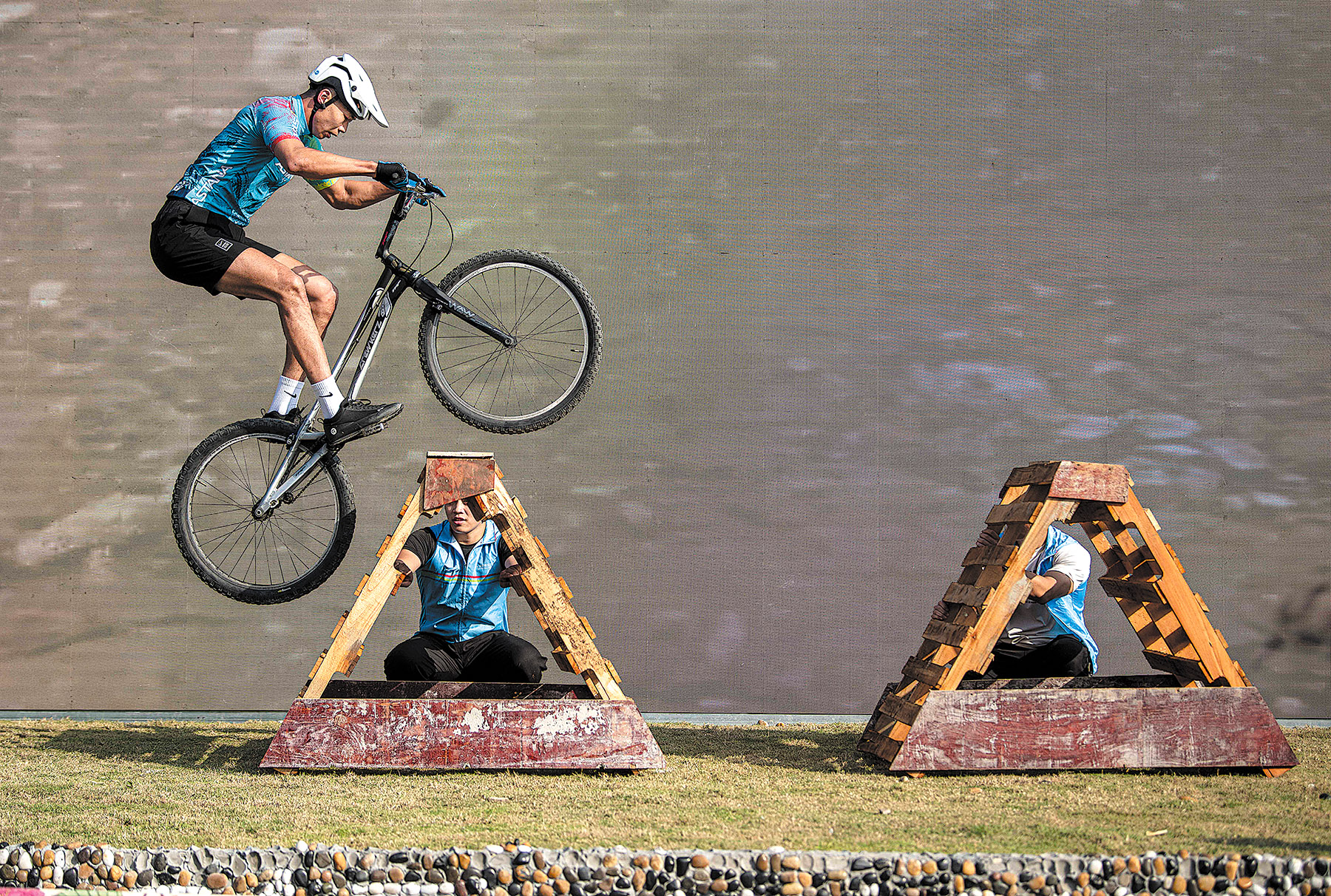
In China, the sportcation hashtag has generated over 40 million views. During the 2026 May Day holiday, searches for sportcation-related keywords surged 130 percent year-on-year, according to data from online travel platform Fliggy and social media platforms like Xiaohongshu (RedNote).
Experts said the rise of sportcations in China is being driven by a convergence of young urbanites seeking meaning beyond the daily grind and valuing physical exertion above passive indulgence.
Hyrox — a popular German-initiated fitness race that has grown from 650 global participants in 2017 to more than 1.5 million this year — has also advanced the trend, with many young people in China embracing the event, according to data reported by CNBC.
Gao Shunli from the Tourism Research Center of the Chinese Academy of Social Sciences said sportcation, an emerging trend of the sports tourism industry, has already demonstrated strong momentum and high growth potential.
However, its share of the overall tourism and sports industries could be bigger, and its development potential needs to be further unlocked.
China’s sports tourism market is projected to reach 3.88 trillion yuan ($576 billion) in 2026, Gao said.
Globally, sportcation is not new, but its growth is accelerating. The global tourism company TUI Musement’s 2026 Travel Trends report named “sportcation” a key trend of the year, with bookings for sport-related activities rising nearly 37 percent year-on-year. In Southeast Asia, for instance, destinations like Bali have pioneered a “training camp” model.
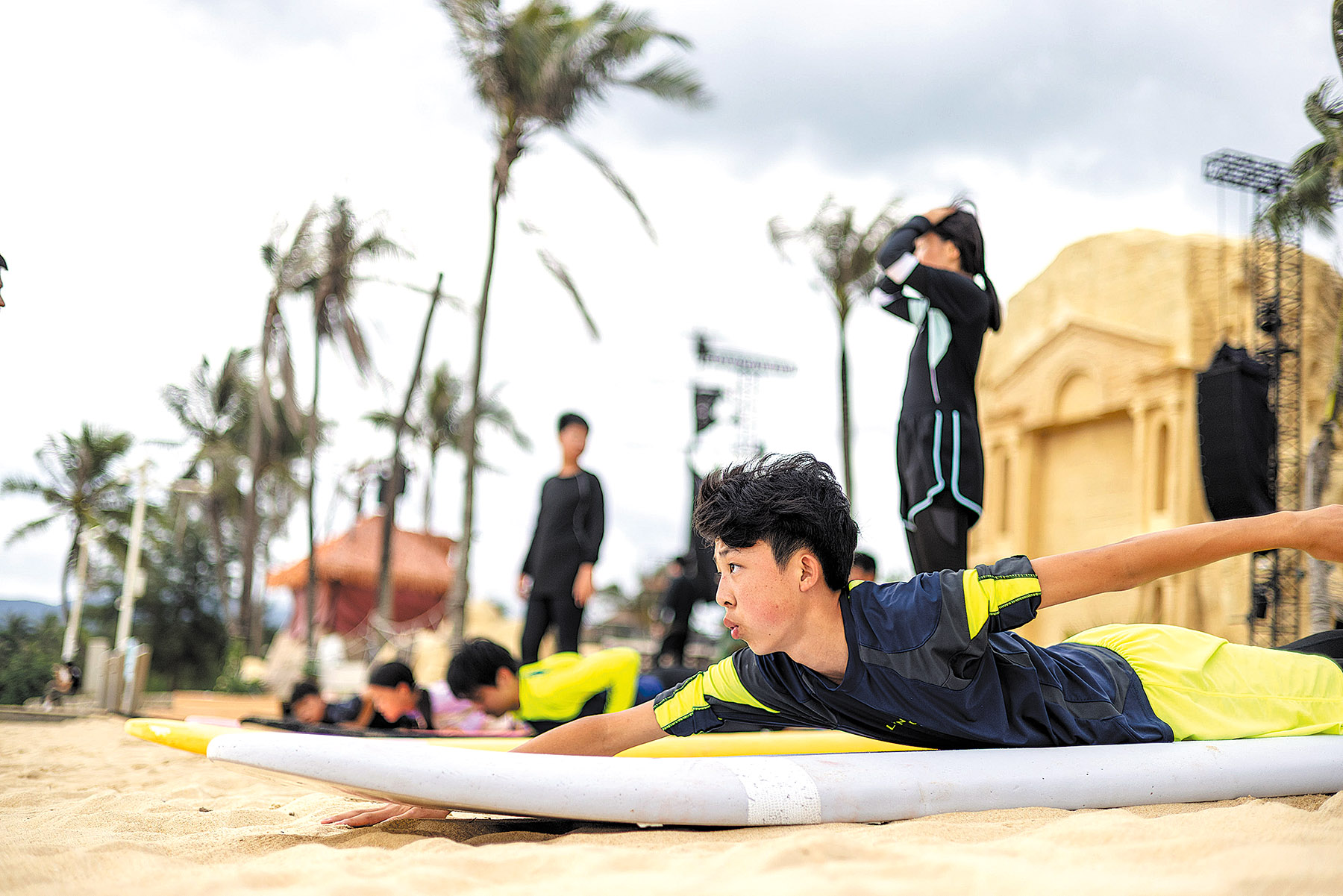
China’s version, however, has developed its own characteristics, with a greater emphasis on self-improvement. The destination is the gym, and the vacation is a personal development project.
Wanning’s seaside playground provides the perfect setting for such journeys.
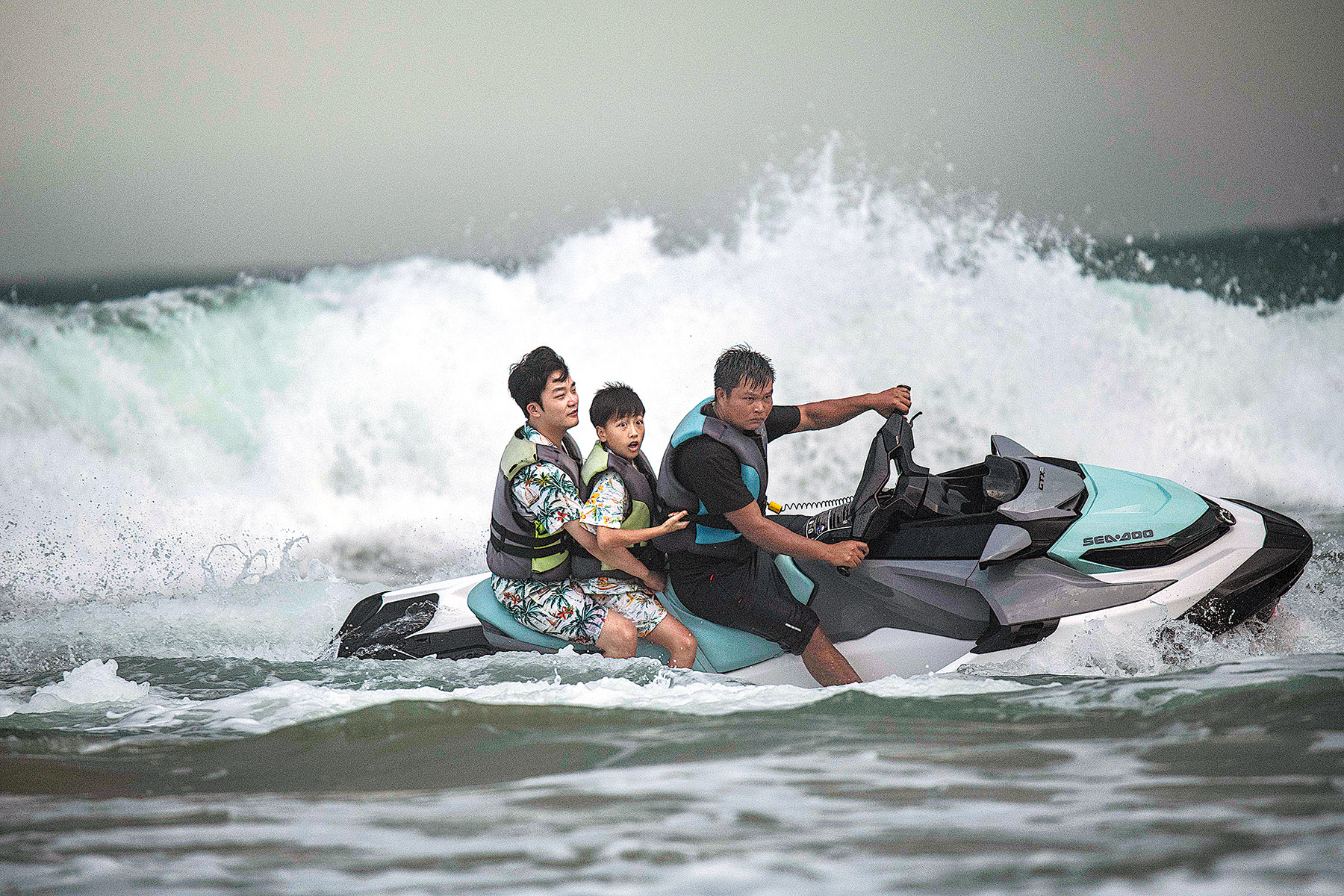
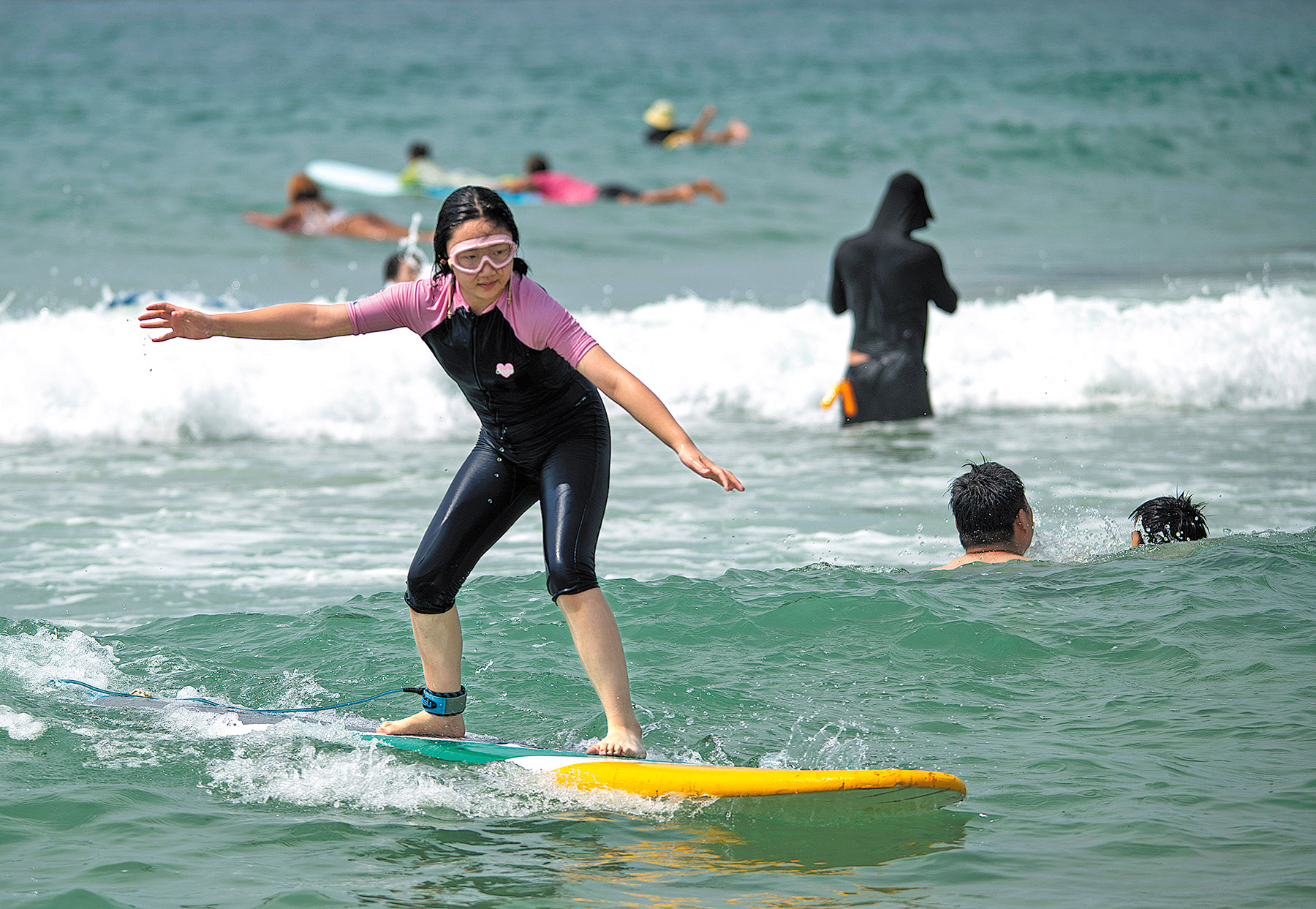
Surfing and tropical rainforest outdoor activities are two popular pursuits. As of May 15, searches for surfing-related products in Hainan grew 136 percent month-on-month, according to data from Tongcheng Travel.
Wanning has 109 kilometers of coastline, three distinct bays and more than 160 surf clubs. Riyue Bay’s waves are rated among the most consistent in the world for nearly 300 days a year, with the average sea temperature hovering around 26 C. It has a dedicated community of surfers, coaches, and enthusiasts, with more than 500,000 visitors coming every year for surfing, according to local tourism figures.
“China’s surfing scene looks to Wanning, and Wanning’s surfing is at Riyue Bay,” said Li Zijia, founder of a local surf club.
International visitors are also taking notice of Wanning. Russian actor Ivan Maverick, who now resides in Wanning, said, “I’ve surfed in the US and Indonesia, but Wanning’s wave conditions and community vibe are truly unique.”
For foreign tourists, he added, “the visa-free policy and mobile payment options are also very traveler-friendly”.
Booking demand for surfing-themed hotels near Wanning’s Riyue Bay and Shenzhou Peninsula has risen rapidly, according to Tongcheng Travel.
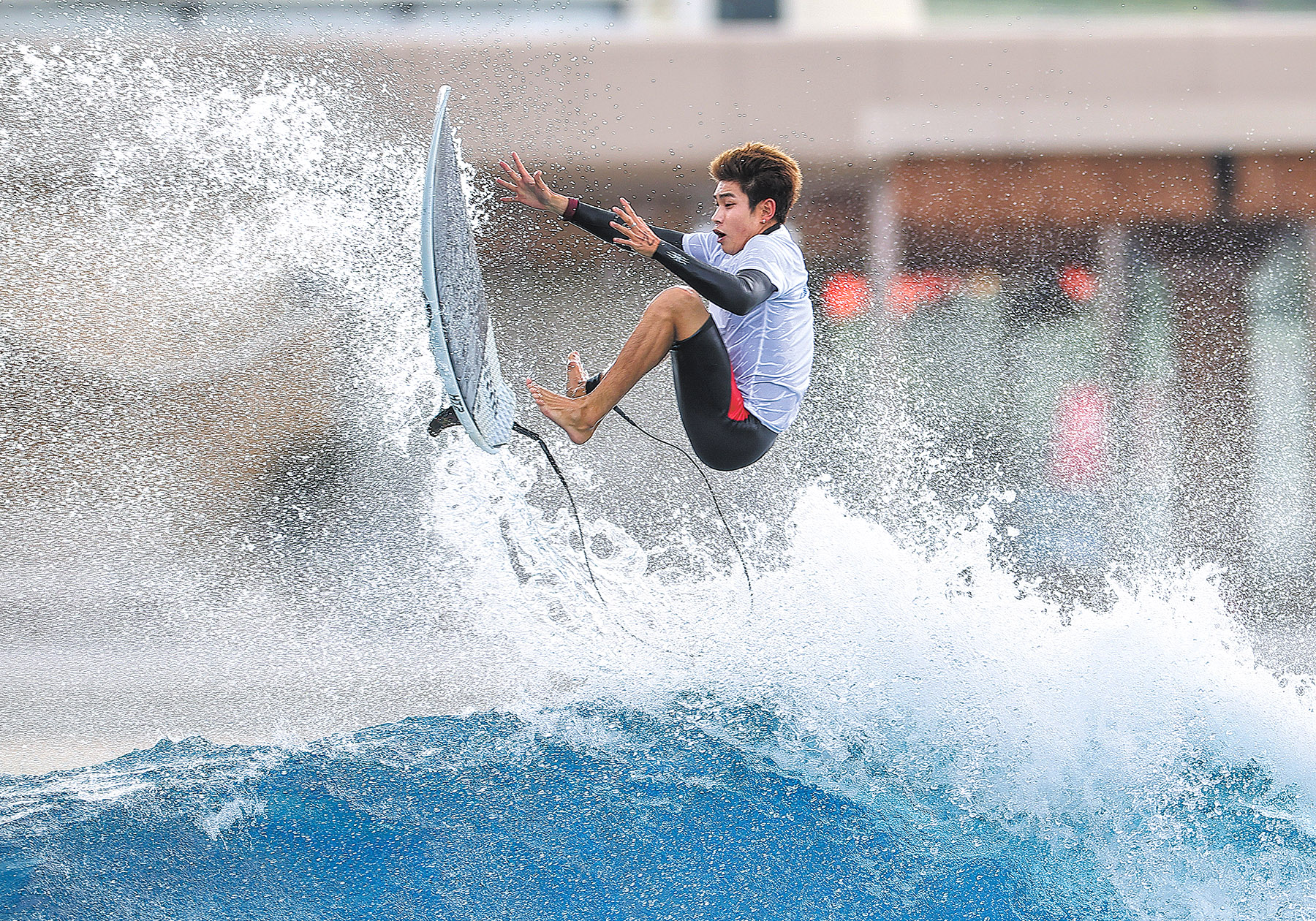
Some visitors stay only a few days, buying passes and ticking off their bucket-list activities such as surfing, Hyrox, and paddleboarding, while snapping photos for their social media accounts.
Others rent apartments for a month or more, drawing up weekly training schedules and integrating exercise into their daily routines.
However, the sportcation business is tougher than it looks, according to those involved.
Wang Zhiqiao, who runs the Wet Floor sports park on the beachfront, is called “Principal Wang” by participants in his Hyrox training sessions.
Wang realized the opportunities two years ago when he opened four training gyms in Jinan, Shandong province, betting on Hyrox before it had gained a foothold in China.
“For a city like Jinan, it was too early,” he said. Only one gym survived.
An investor with Hainan real estate interests later approached him to open a gym in a hotel basement 100 meters from the sea. Wang took one look at the venue and rejected the plan. “Why not take it outside?” he wondered.
Wet Floor opened in January 2024, with the training equipment placed under coconut trees against an ocean backdrop. The Hyrox program quickly became Wet Floor’s hottest offering.
Each Hyrox class regularly draws double-digit sign-ups, while other classes struggle to reach that number.
Wang said the appeal of such classes is that holidaymakers now want a nontraditional travel experience.
“The biggest difference between sports and luxury goods is that with luxury goods, you can buy them with money. But with sports, you can’t,” he said.
“The old middle-class status markers were about owning more luxury goods, traveling to more places, posting photos from Japan or South Korea. Now the middle class post photos of themselves doing all kinds of sports.”
Wang conceded that the economics of making the business profitable have been tough. Wet Floor’s up-front investment was heavy, and the single location “can’t make back its money”, he said.
Peak season — Chinese New Year — draws about 200 visitors a day. In late May and June, the number drops to 20 or 30, and in summer it rises to 50 or 60.
To increase its viability, Wet Floor has opened a bar and restaurant next door.
However, anecdotal evidence of Hyrox’s growing popularity in Wanning and the rest of the country provides encouragement for operators like Wet Floor.
While there is no official data on China’s total Hyrox participants, the scale of individual events is already remarkable. On Aug 15 and 16, Hyrox Shenzhen in Guangdong province attracted 12,000 athletes from 55 countries — with a total attendance of nearly 30,000.
In 2025, Wanning received 9.78 million tourists, generating 9.23 billion yuan in tourism revenue, according to government data.
About 70 percent of the visitors were young people, and roughly 70 percent participated in sports tourism.
For visitors such as Fang Fang from Beijing, who spent a month in Wanning, the coastal area was not simply a playground.
It offered her a chance to reflect on a healthier lifestyle and diet.
Soon she was discussing the glycemic index of different foods with new friends, and eating protein before carbs, both medical recommendations to lower blood sugar spikes.
Fang also switched from evening workouts — which she said kept her awake — to morning sessions that reset her circadian rhythm.
After she returned to Beijing, she maintained the healthy habits she had cultivated in Wanning. Fitness had gone from being optional to essential.
“Experiments fail all the time” in a laboratory, Fang said, but sports are different. “As long as you move, you see changes — in your body, in your mental state,” she said.
Many of her graduate-school peers have only two stress outlets. “Either they’re sports people, or they’re heavy drinkers,” she said, adding that everyone needs a way to release pressure.
Contact the writers at masi@chinadaily.com.cn
