

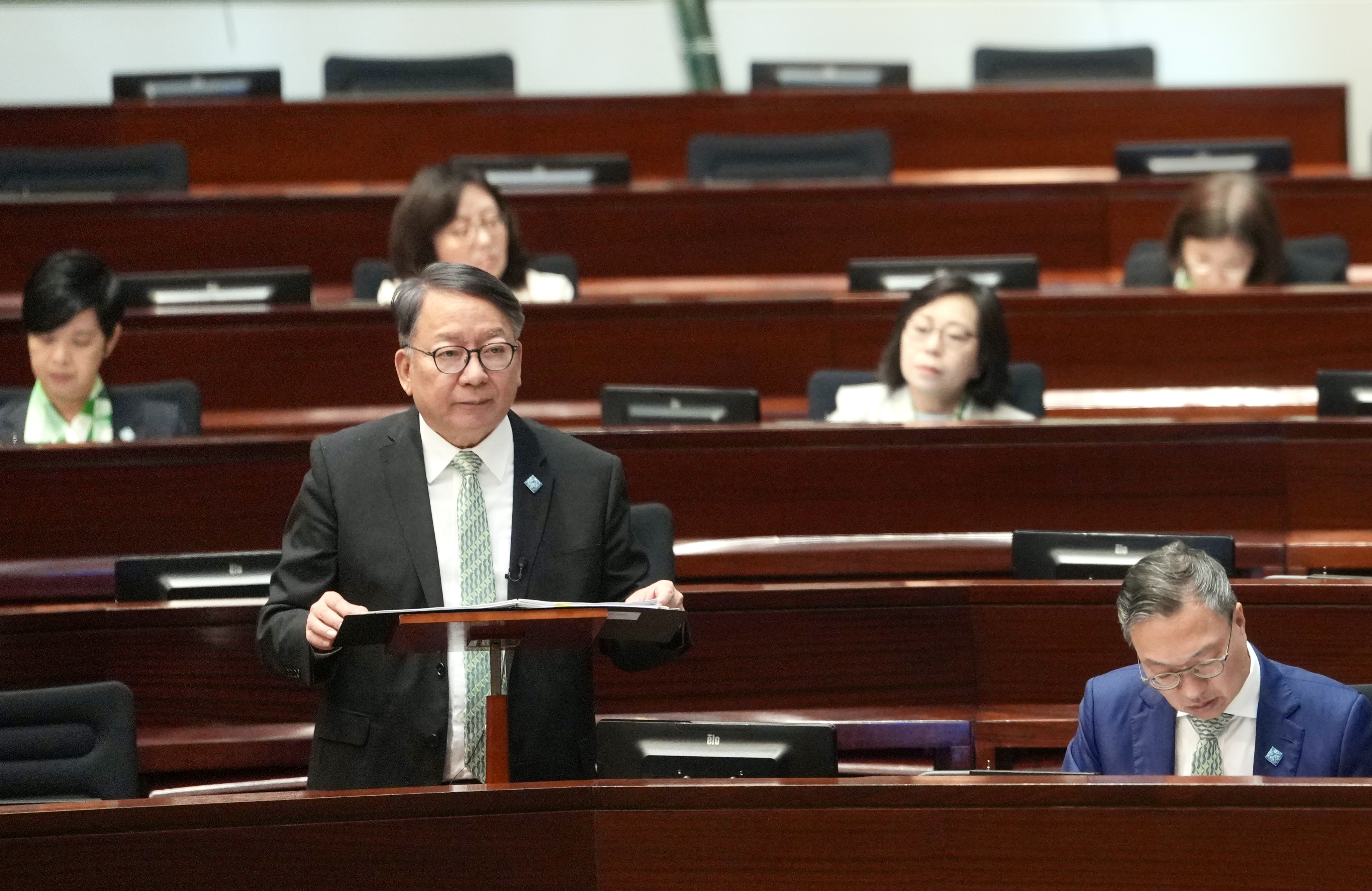
Only a sound implementation and safeguard mechanism can transfer the macro blueprint of Hong Kong’s inaugural five-year plan into concrete results, Chief Secretary for Administration Eric Chan Kwok-ki, said on Wednesday, stressing that the special administrative region will fully execute the plan.
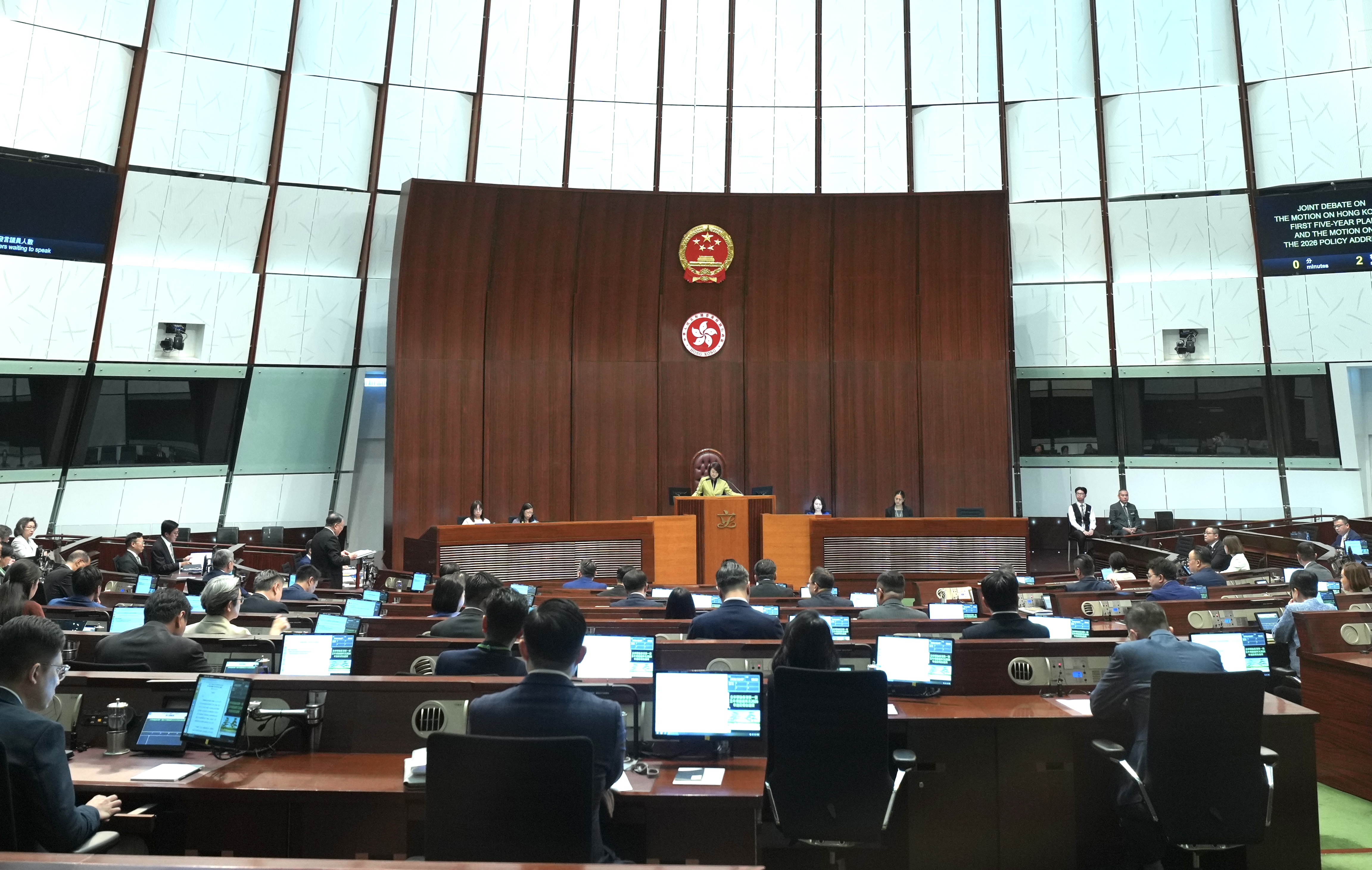
He spoke as Hong Kong legislators began a three-day debate on the SAR’s first Five-Year Plan for Economic and Social Development (2026-30) and the 2026 Policy Address delivered by Chief Executive John Lee Ka-chiu on Sept 16.
Lawmakers will field 22 questions covering various policy areas that will require written replies from the government. The SAR government motion on the development blueprint was moved by Chan, while a motion of thanks was moved by lawmaker Ronick Chan Chun-ying.
Eric Chan said implementing the five-year plan is a massive and complex systemic project. Therefore, it’s necessary to establish a public administration framework featuring five-year plan leadership, annual policy implementation, fiscal budget support, and annual accountability reporting.
ALSO READ: Hong Kong retains position as the world's freest economy
The chief executive will, through the annual Policy Address, formulate key annual priorities, specific policy measures, and projects in accordance with the strategic direction and requirements of the five-year plan and in light of current conditions.
In delivering his annual duty report to the central government, the chief executive will report on the implementation of the plan, and review progress of targets and indicators, summarize outcomes, and suggest areas for improvement.
The annual Budget will provide resource support for implementing these tasks while maintaining the principle of government fiscal sustainability, Chan said.
ALSO READ: Global youth classics recitation promotes cultural exchange in HK
Ronick Chan, who chairs the Legislative Council’s House Committee, said the development plan embeds policy continuity into the system, providing all sectors of society with clear expectations and establishing a precise benchmark for governance.
The debate is divided into six sessions, each focusing on a distinct policy theme.
Wednesday’s discussions focus on strengthening Hong Kong’s four traditional pillars, developing the city into an international hub for top-tier talent, and consolidating its global competitive edge. Other sessions will concentrate on themes like fully, faithfully and resolutely implementing “one country, two systems” and adopting a holistic approach to development and security, enhancing public governance efficacy.
