

Former racing driver Lee Yu-cheong gives Hakka unicorn dance a dynamic new lease of life. Gary Chiu reports with photographs by Andy Chong.
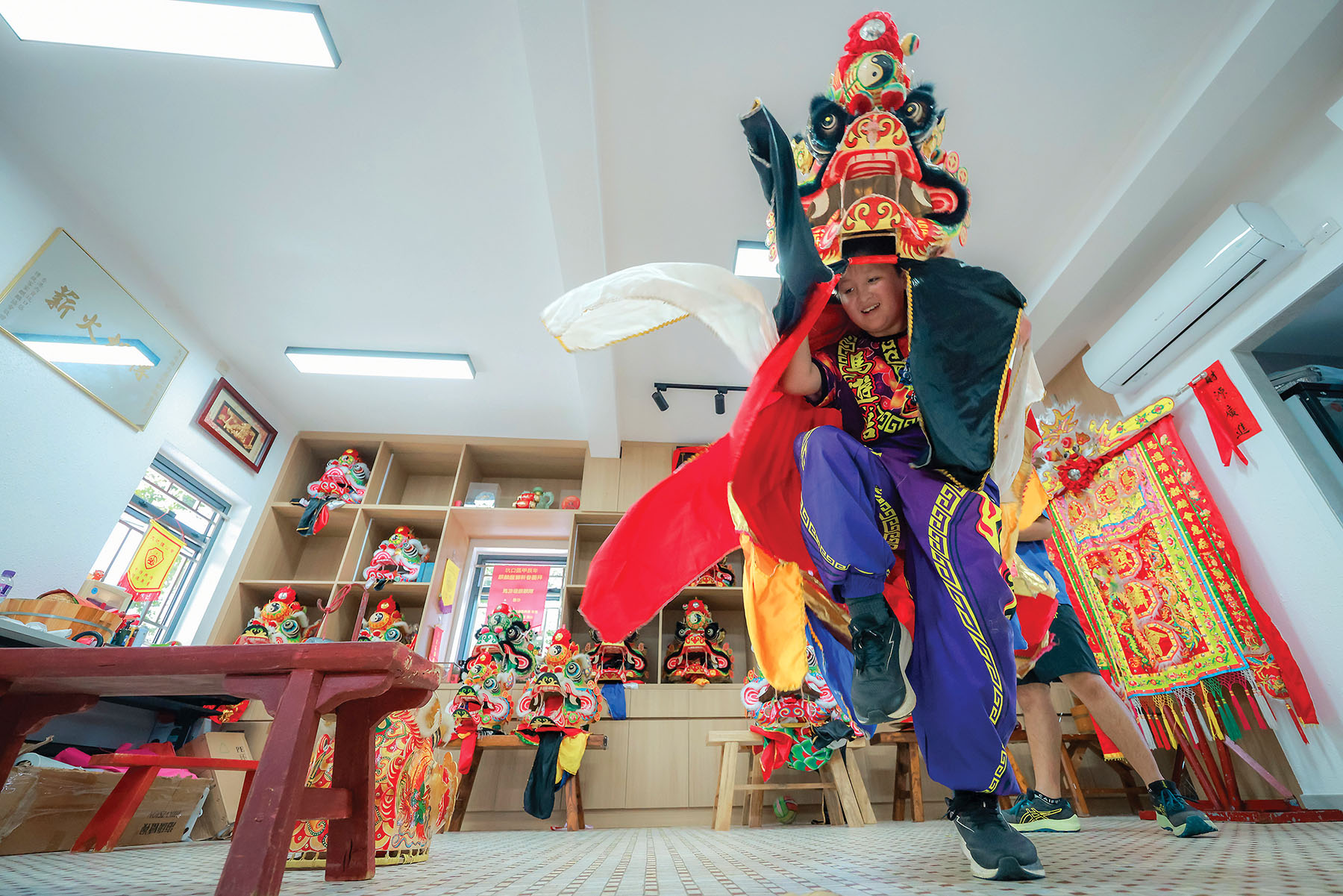
Editor’s note: Hong Kong’s Intangible Cultural Heritage Inventory currently lists more than 500 items. China Daily presents a photo series exploring some of these traditions. The first batch features four parts, with the second installment showcasing the Hakka unicorn dance. More to follow, stay tuned.
The air reverberates with a thunderous crash of gongs, cymbals, and drums, drawing the attention of Ma Yau Tong villagers. Suddenly, two dancers leap forward, coordinating perfectly as a Chinese mythical creature’s head and body. The beautifully crafted creature bobs and weaves with vibrant agility. Every move is accompanied by the sharp beating of percussion, drumming up a festive mood throughout the village. This is the Hakka unicorn dance in Hang Hau, a national intangible cultural heritage passed down for over 200 years and a defining symbol of Hong Kong’s Hakka communities.
READ MORE: Persevering in pursuing perfection
The centerpiece — the Chinese unicorn, or qilin — is a revered, auspicious creature in Chinese folklore believed to ward off evil and bring good fortune. Consequently, the dance is performed during major celebrations like weddings, festivals, and deities’ birthdays. As Lee Yu-cheong, head coach at the Ma Yau Tong Unicorn Association, shares with China Daily, “As an ancient saying goes, ‘The world is at peace when qilin appears.’” He adds that legend has it that the performance was held in such high regard that it was reserved exclusively for emperors.
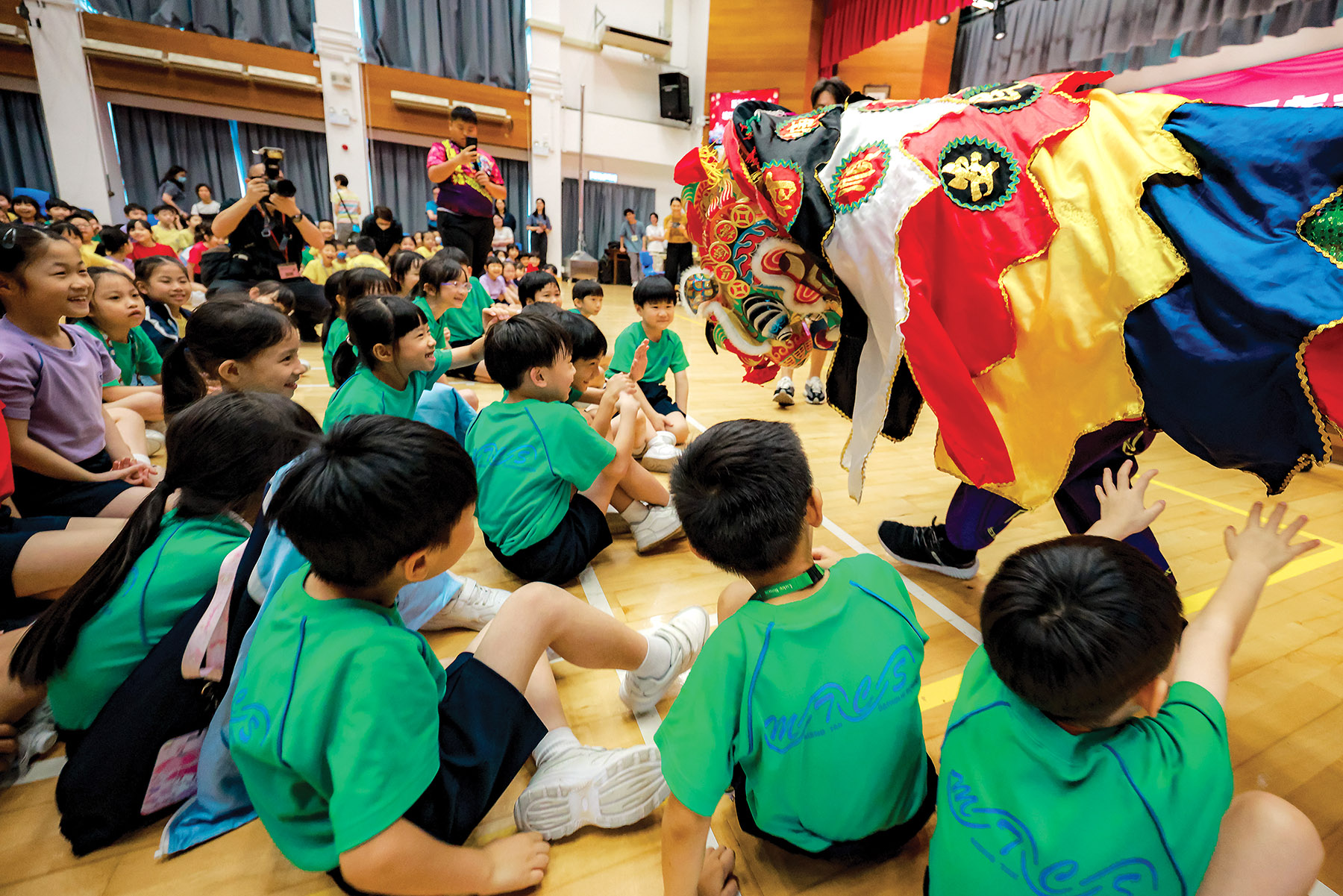
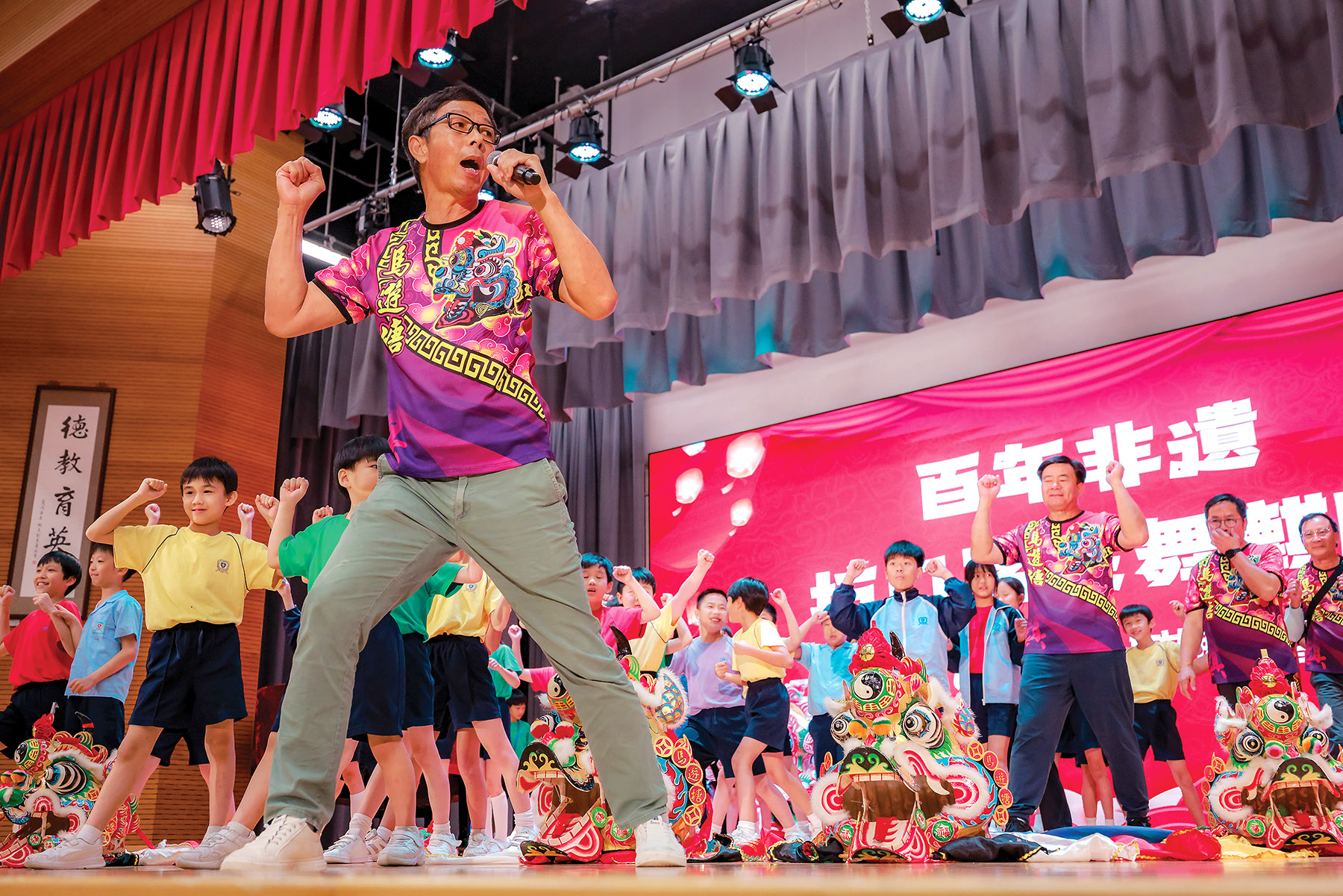
After the Hakka people brought the dance to Hong Kong, it retained its traditional roots while evolving unique characteristics.
In the “T-shaped step”, one of the foundational movements, performers hook their feet and move forward slowly, reflecting qilin’s benevolence even towards insects. New elements were also adopted to imitate other animals’ movements, making qilin look lifelike, Lee says.
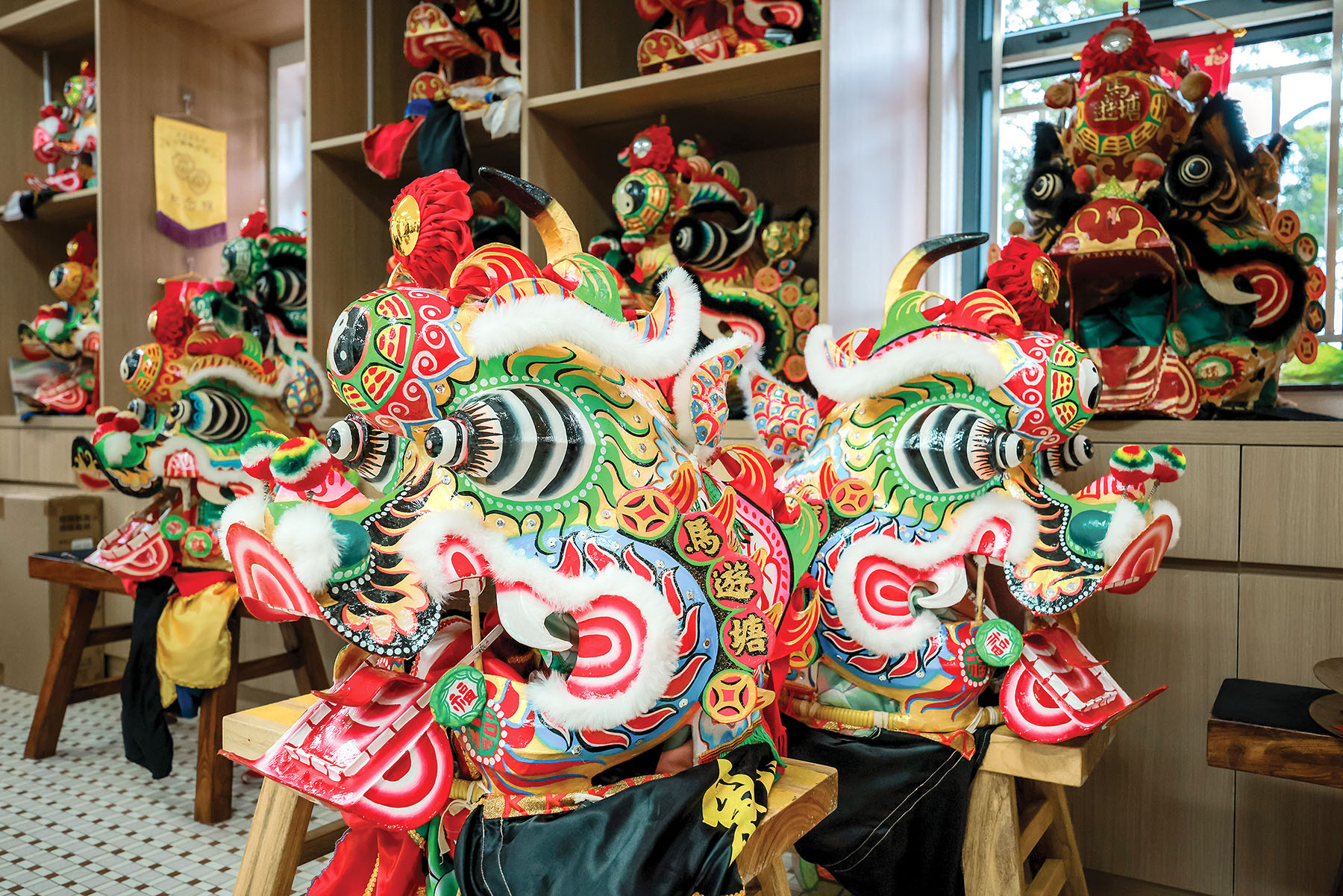
Qilin features a prominent horn on its head emblazoned with auspicious patterns and a colorful body symbolizing the five elements. The head is intentionally made smaller and lighter to allow greater agility, yet Lee notes that crafting qilin still requires months of meticulous handiwork.
He laments how the tradition began to fade in the 2000s as young villagers migrated away and public interest waned. But the tide turned in 2014 when the Hang Hau Hakka unicorn dance was inscribed as a national intangible cultural heritage. This prestigious status has spurred renewed interest and the creation of village organizations to nurture successors — including Lee’s association, which marks its 10th anniversary this year.
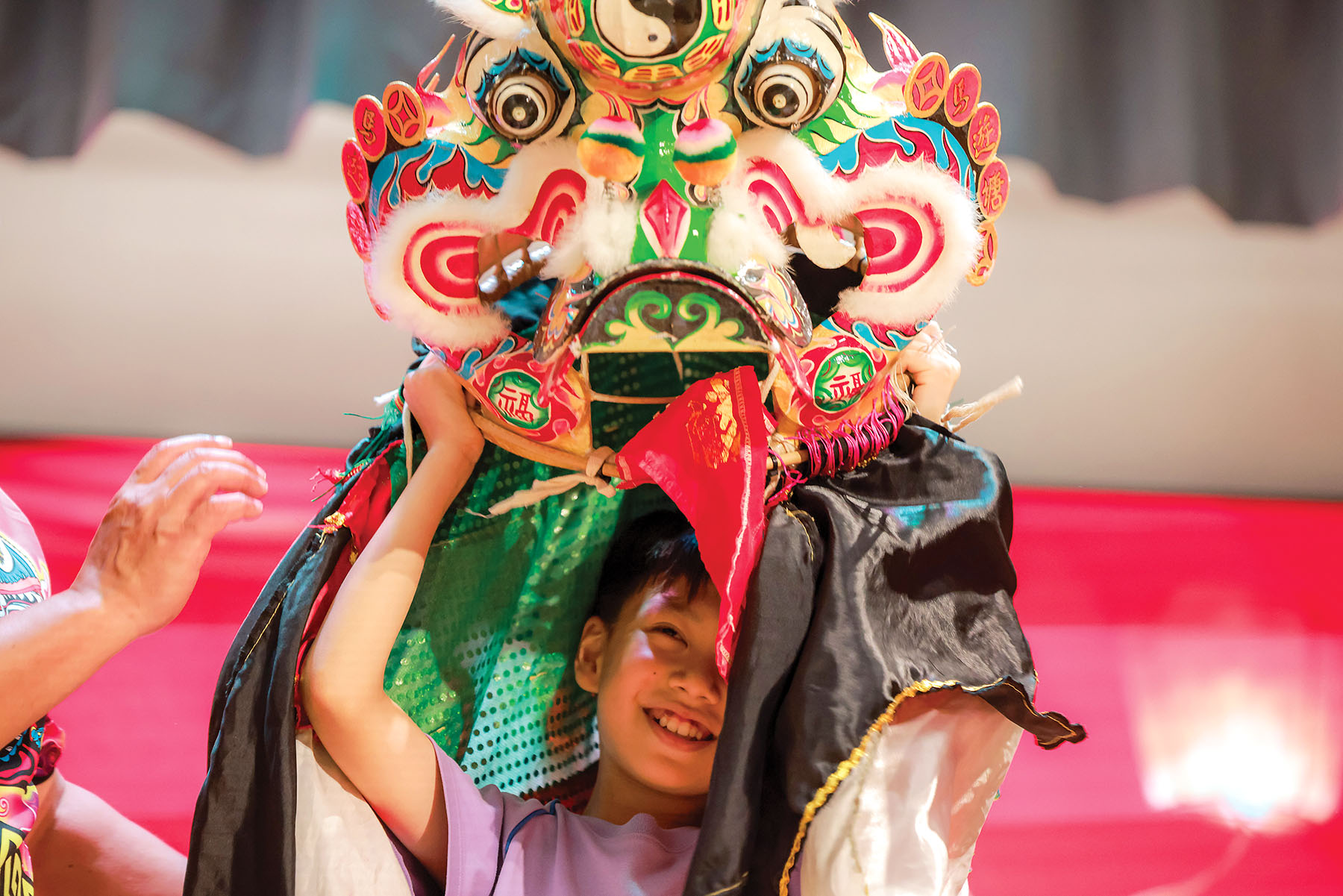
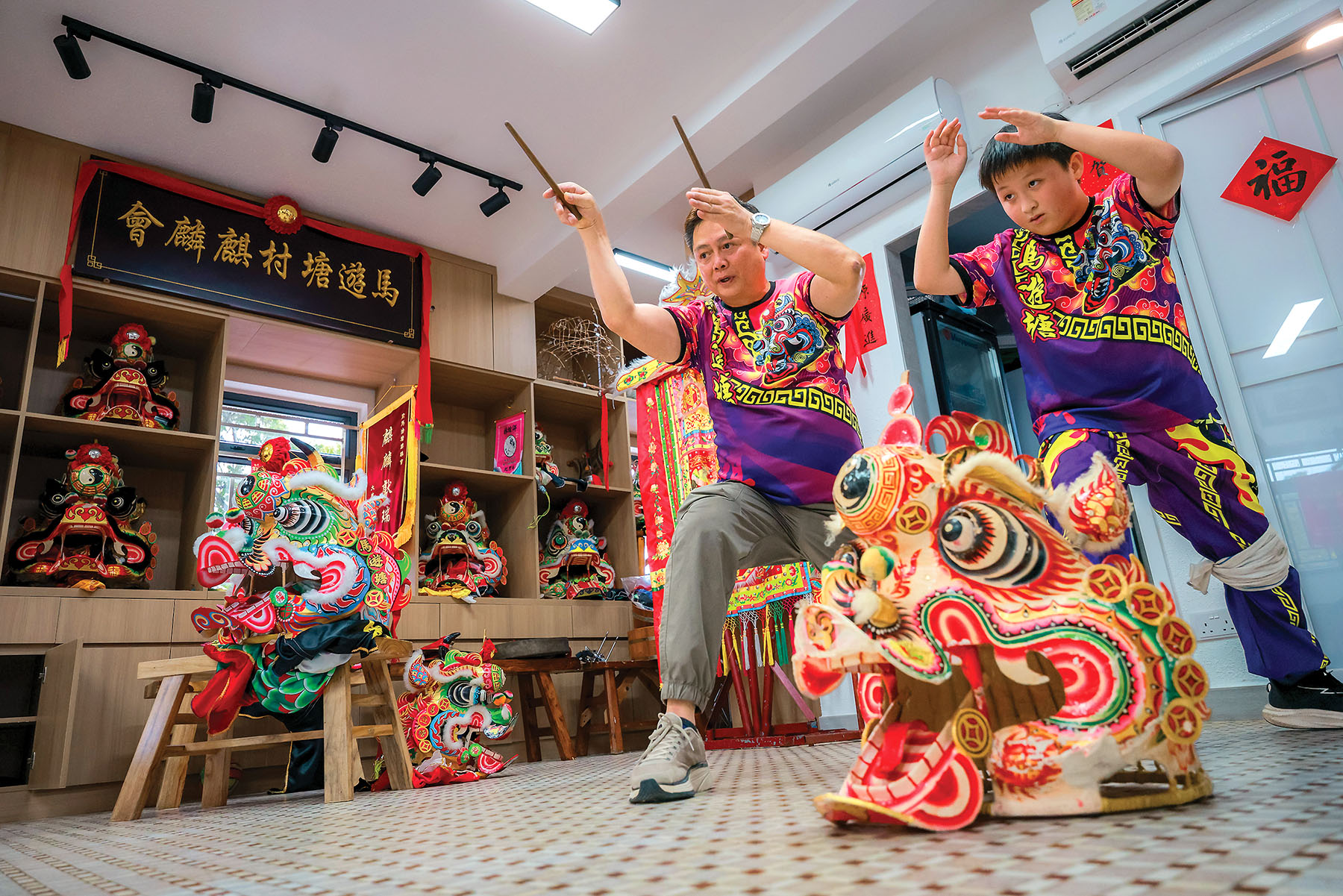
A decade ago, Lee, a former racing driver, stood at a crossroads between auto racing and the Hakka tradition. He chose the latter, “for the sake of the village”, he recounts. Running the association is no easy task, but villagers responded enthusiastically, offering the village hall as a teaching venue and fostering a stronger community bond. Today, the tradition welcomes local villagers, non-indigenous residents, and international enthusiasts alike, so that it can continue to dance into the future.
“The greatest credit should go to the villagers, who make this Hakka legacy possible,” Lee says.
Contact the writer at garychiu@chinadailyhk.com
