

Face-to-face interactions and shared experiences through US youth exchanges open doorway to mutual understanding, empathy
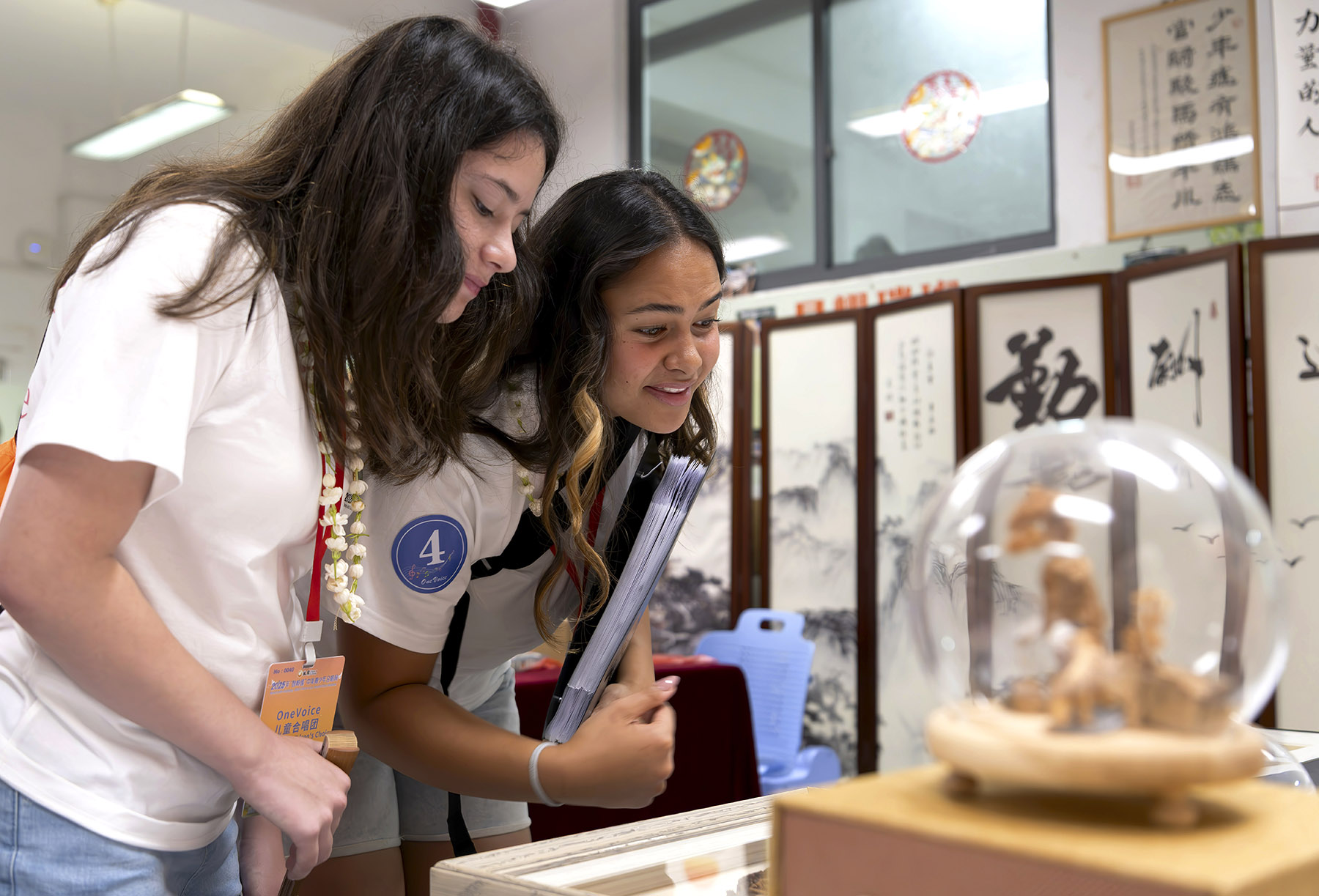
Joshua Calandrella tried acupuncture and experienced humai, a throat-singing technique from the Inner Mongolia autonomous region, for the first time during the 2026 Discover China Program hosted by Beijing Foreign Studies University in June.
Both encounters offered the PhD candidate in literature and criticism at Indiana University of Pennsylvania a closer look at traditional Chinese culture.
"Unlike treatments that only touch the surface, I felt the acupuncture deep inside — the qi, the inner energy, was flowing," Calandrella said. "It's completely different from taking a pill. With traditional Chinese medicine, you can feel the results immediately."
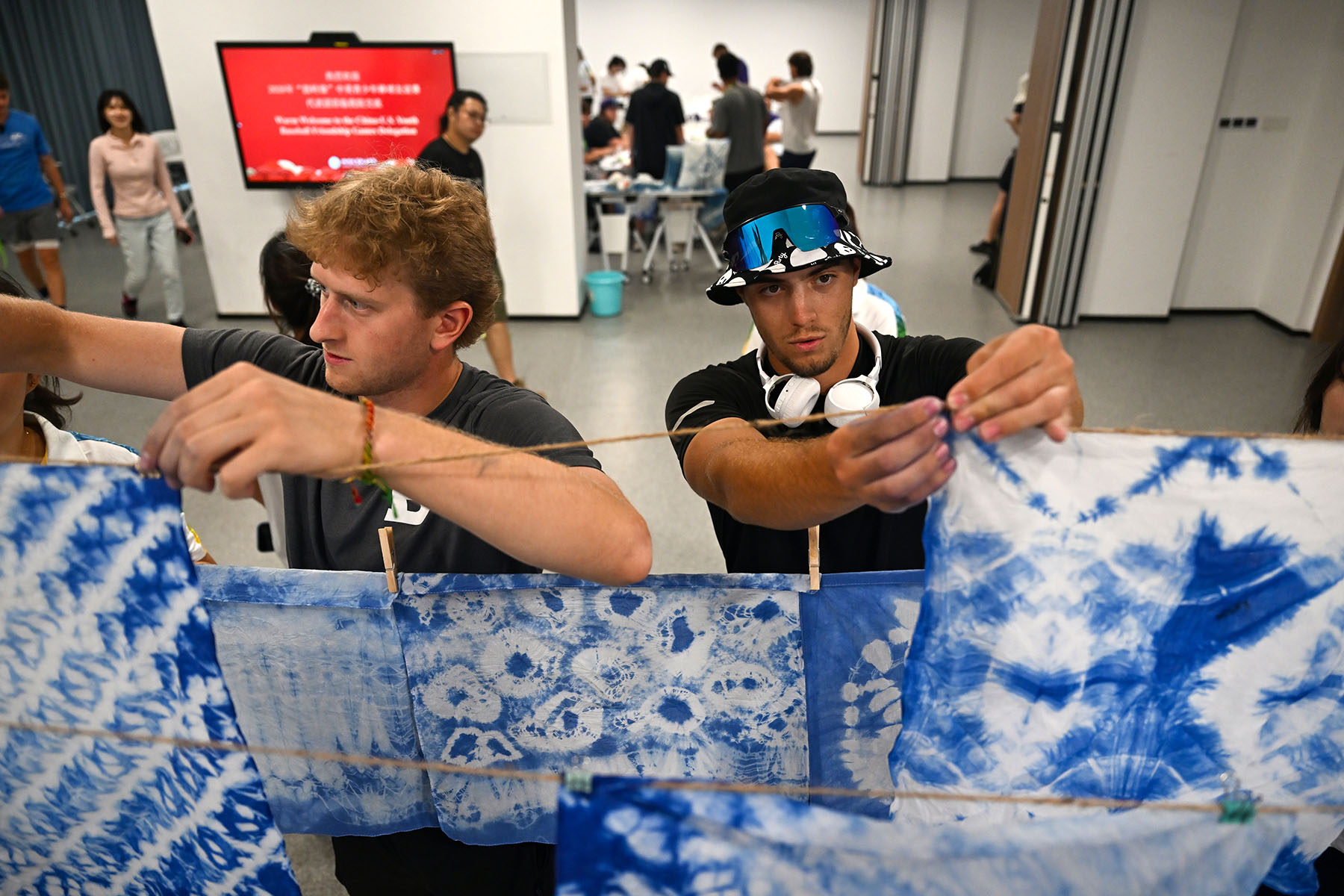
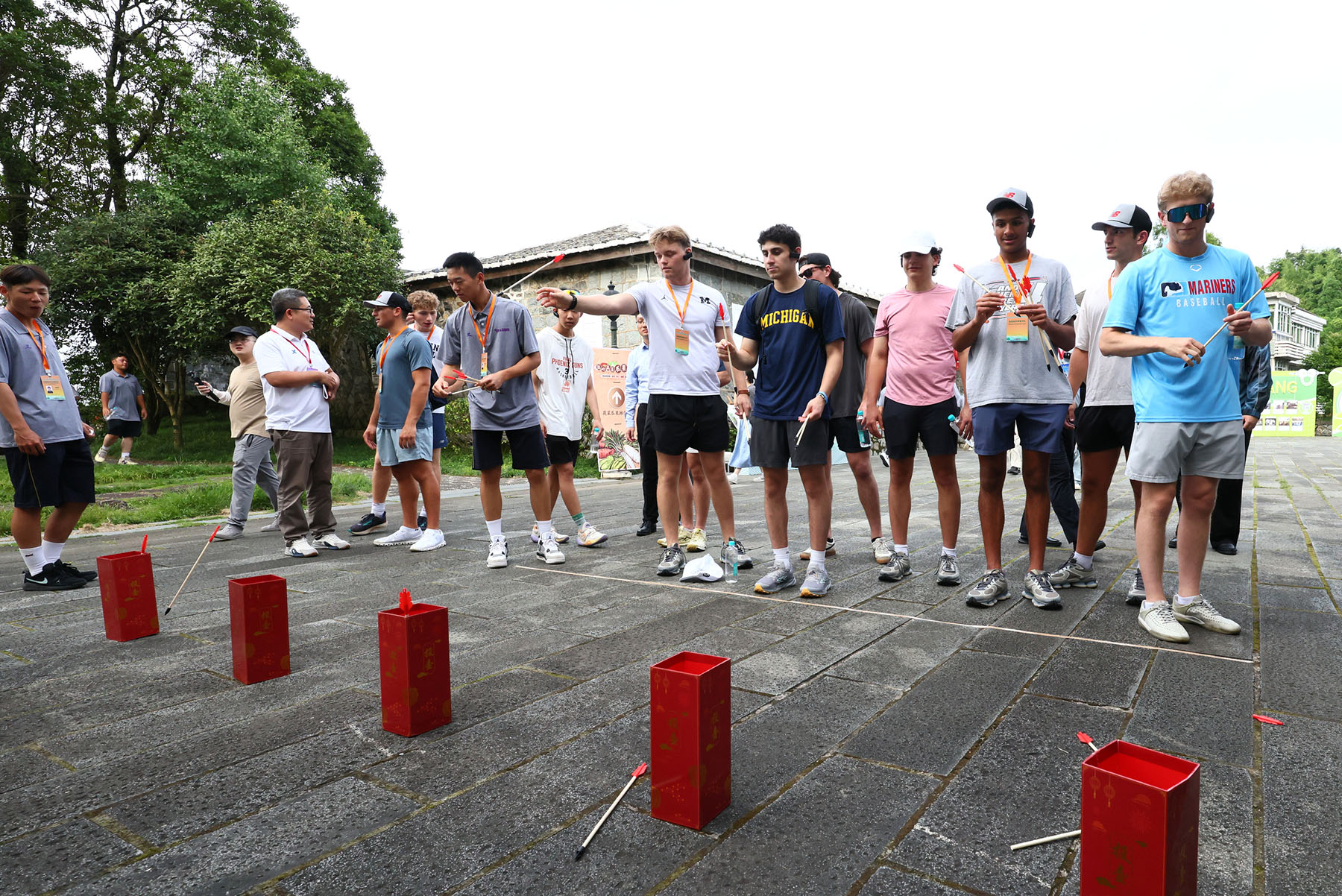
It was Calandrella's second trip to China through the exchange program. This time, he joined 15 other students and professors from the United States and explored different facets of the country, from visiting the technology company Ant Group to learning about traditional Chinese culture.
READ MORE: Xi highlights Sino-US youth ties before visit
Their journey also took them beyond Beijing to Yiwu, Zhejiang province, where they visited the Yiwu International Trade City — the largest small commodity wholesale market in the world — gaining a glimpse into the city's vibrant commercial life, and local educational institutions.
Calandrella's experience is part of a broader expansion of people-to-people exchanges between China and the US, giving more young Americans opportunities to see and experience the country firsthand.
An initiative was launched in late 2023 to invite 50,000 young Americans to China for exchange and study programs over a five-year period. By May this year, more than 50,000 participants had visited China, reaching the target two and a half years ahead of schedule.
Nuanced views
Beyond organized exchange programs, the personal experiences of Americans living and traveling across the country show how the story of China-US friendship is written through everyday encounters, offering a deep, nuanced view of life in different parts of China.
In Jinzhai county, Anhui province, 35-year-old Pedro Assad was surprised to find that not understanding the local dialect did little to discourage people from talking to him. Before being lifted out of poverty, the county, which lies at the heart of the Dabie Mountains on the borders of Anhui, Henan and Hubei provinces, was among the country's most-impoverished counties.
Assad said when he visited villages, locals would talk to him for long periods. "The biggest culture shock for me was how much people would want to talk with me," he said.
Before his first visit to China, Assad, a former accountant from Oregon in the US, said what he knew about the country was mainly through Chinese friends and media coverage.
"I think the images of China in the US are a strange mix of old and new," he told China Daily.
"On one hand, many of the images Americans associate with China date back to the first three or four decades after the founding of the People's Republic of China, when the country was very different from what it is today.
"On the other hand, over the past three years, more foreign visitors have come to China and shared their experiences on social media, offering a more contemporary view of the country."
For Assad, neither the US news coverage nor social media fully captured the country or its people's everyday lives.
In 2024, driven by curiosity, Assad visited several countries, including Brazil and Japan, and spent a week in China. "We thought it was important to get to know parts of the world that Americans were less informed about," he said.
Assad said after visiting China, "My spouse and I found that we absolutely loved it."
This fondness for the country led him to move to China in 2025 and work as an English teacher in Beijing, where his understanding deepened through encounters in daily life.
One of Assad's early experiences of the kindness of strangers came on a busy summer weekend in Beijing. While trying to buy a ticket to the Military Museum of the Chinese People's Revolution, he made a mistake that held up the queue. As he tried to figure out what had gone wrong, a stranger who spoke English stepped forward to help, translate, and guide him to a museum staff member.
"I had not asked for help," he recalled. "They took the initiative to translate for me, making sure I could enter smoothly and that everything was settled."
Diverse culture
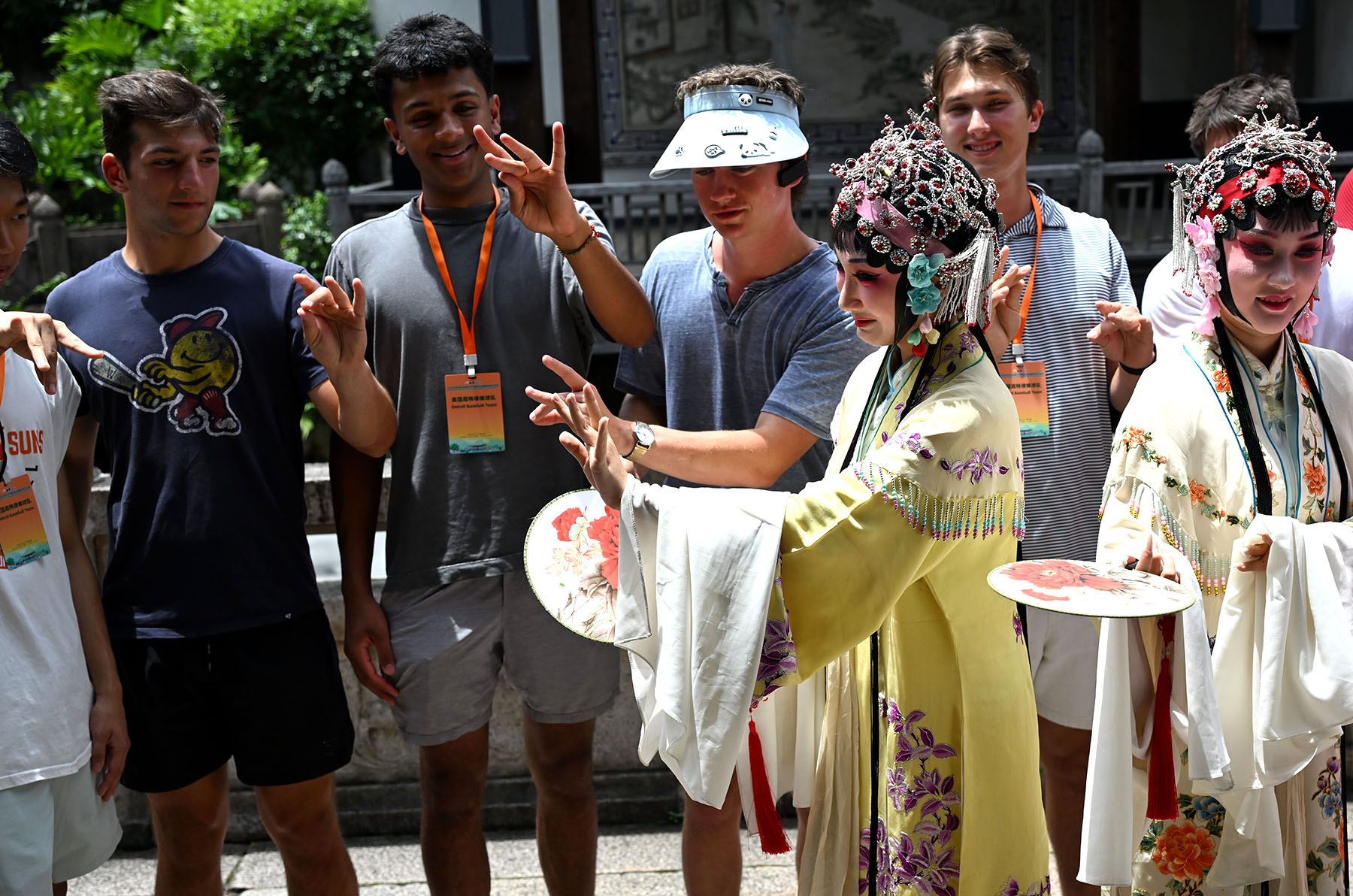
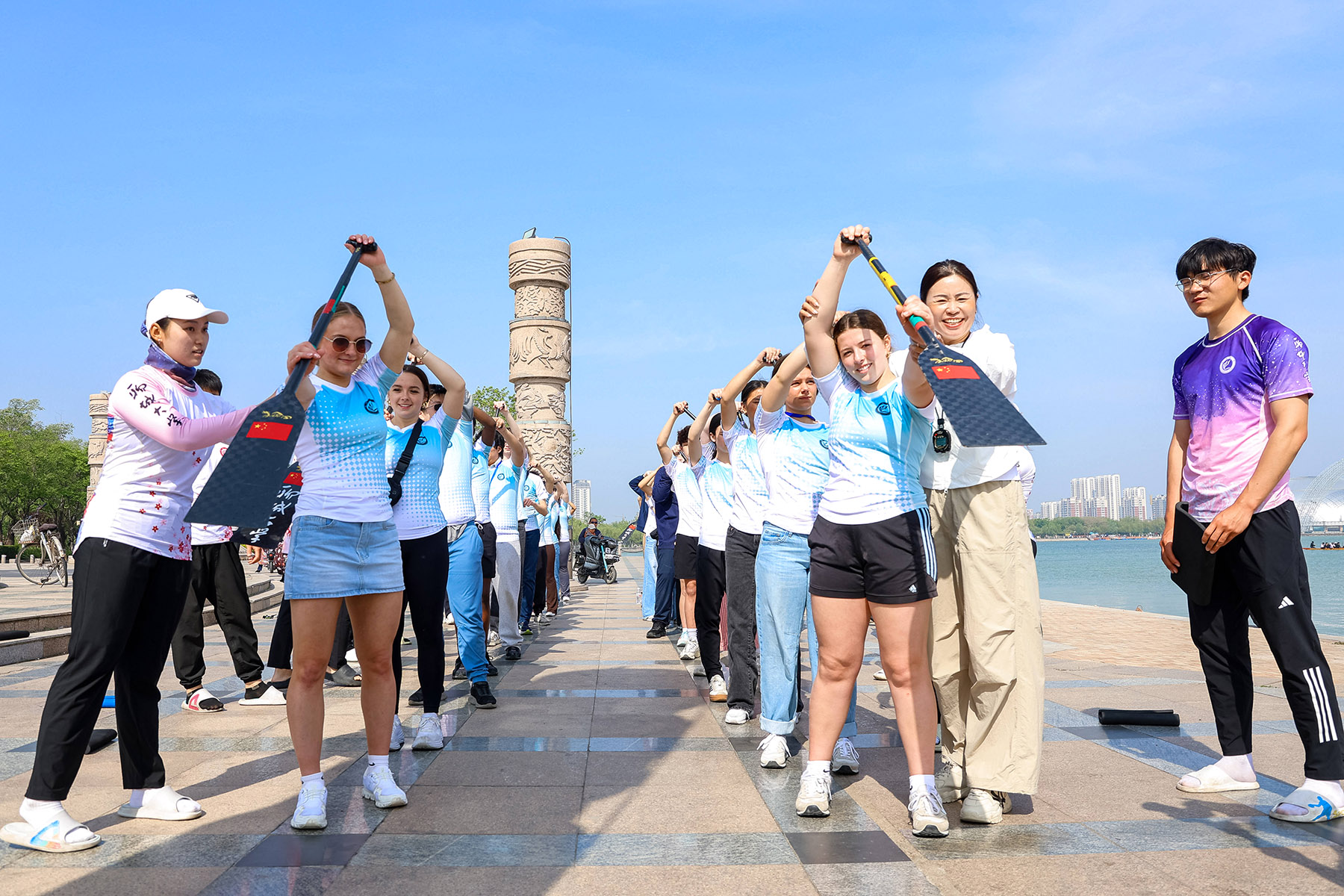
He has also traveled beyond Beijing, visiting Guangzhou, Guangdong province, Shanghai and Hohhot in Inner Mongolia, as well as rural parts of Hunan province and areas near Shijiazhuang in Hebei province, to learn more about different parts of China. One important aspect of cultural life he learned was that mutual help is deeply rooted in family life, he said.
Among his most memorable experiences were visits to small villages in Jinzhou, Hebei, where he watched neighboring farmers interact like relatives, sharing meals and looking after children together. They often walked into each other's homes without calling ahead or arranging a visit.
"They're just a part of each other's lives. They naturally share their work and face difficulties together," he said.
"That was a scene I seldom saw in the US, but I really admired the way mutual support kept families and neighbors connected."
In Xi'an, Shaanxi province, he enjoyed yangrou paomo — flatbread in lamb soup — and explored the city's ancient walls and museums. Chongqing's spicy food offered a different experience, as did Anhui's mountain scenery.
Those visits broadened his understanding of the country's geography and history alongside its social life.
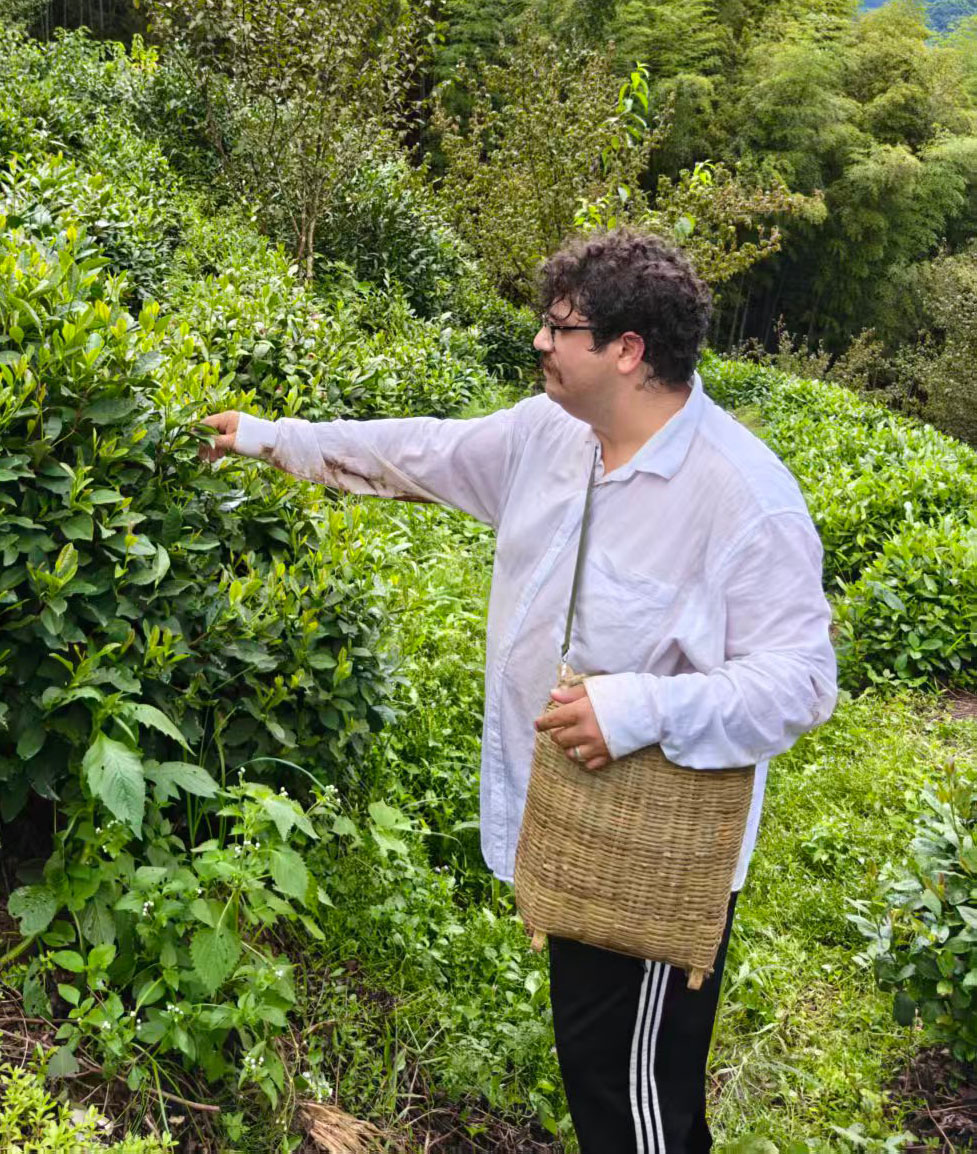
The more Assad traveled, the less China appeared to him as a single cultural entity.
"From abroad, China can look like one country with one culture," he said. "But when you travel from one place to another, you find hundreds, if not thousands, of years of history behind the local languages, food, clothing and customs. That strong local identity is what I enjoy most about traveling in China."
Now, Assad likes to learn about the history and conduct research before going to a new place. Every time he visits somewhere, he meets people there and talks about a dish he ate or a township near their hometown.
"I don't want to be in China and be ignorant about people's lives and experiences," he said.
He also hopes to give something back. "China has been very welcoming and very kind to me," he said. "I would like to repay that kindness by passing it on and helping cultural exchange get going."
Lived reality
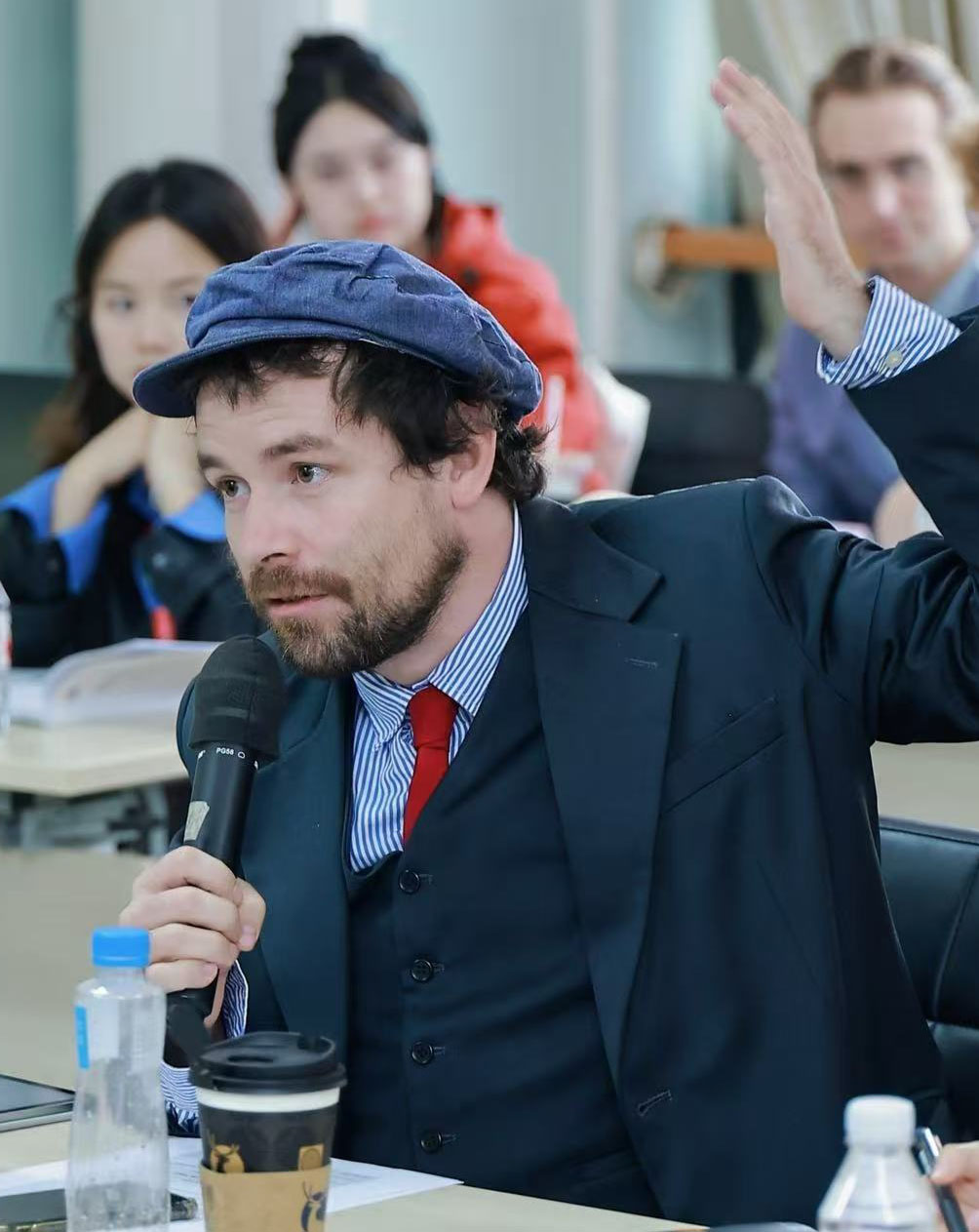
For William Vickery, a postdoctoral research fellow at the Beijing International Center for Mathematical Research at Peking University, getting to know China went far beyond campus walls.
Drawn by a long-standing interest in Marxist theory, Vickery sought to connect his academic background with the everyday lives of working people. "Seeing the real life of workers in China meant a lot," he said. "Their effort and survival are what's shaping history right now."
Through friendships with university staff and service workers, Vickery received invitations to visit their rural hometowns, including in Inner Mongolia, Hubei, Shaanxi and Hebei.
"These journeys revealed how workers balanced earning wages in cities with sending money home to build houses or educate their children," he said.
In Yuanchu village in Jinyun county, Zhejiang, he met a farmer in his 60s who had spent years working in a factory in Wuhan, Hubei province. Despite his modest circumstances, the man spent his days walking around the neighborhood helping others build house foundations and tend farmland.
"He invited me to his self-styled small farmhouse, and he recounted many vivid stories to me," said Vickery. "He kept large ceramic jars for storing potatoes and corn, and the residence was well arranged. He often moved around the village to offer help to others."
During his travels, Vickery also observed the complex choices facing changing rural areas. While infrastructure like roads and electricity had improved, some villages still faced challenges such as limited water supplies, leading younger generations to consider buying homes in county seats.
"The people had complicated feelings," Vickery noted. "They care deeply about their spiritual hometown, but they are also navigating what transformation means for their future."
These ground-level realities and cross-cultural journeys resonate deeply with Han Shenghong, 27, a Chinese American PhD student in historical theory at the Chinese Academy of Social Sciences who researches the history of China-US relations.
Having taken part in volunteer projects in remote mountain communities, including in Sichuan province and Medog county in Nyingchi, Xizang autonomous region, Han has witnessed firsthand the changes taking place in rural China.
He recalled that some mountain villages he visited once required a 90-minute hike to reach. Today, many such communities are connected by paved roads and have access to electricity and tap water. Local industries have also developed as part of broader rural vitalization efforts.
From his perspective as a Chinese American studying in Beijing, grassroots interactions and student exchanges remain essential tools for bridging perceptual divides.
"Visiting students and scholars can better understand local culture, customs and ways of thinking on a human level," he said.
Han said that while Chinese scholars continue to study abroad, more American students should be encouraged to experience China firsthand. "It allows people to engage in dialogue based on a shared level of awareness," he said.
ALSO READ: Chinese envoy: China-US youth exchanges can instill 'vitality'
For Han, fostering this mutual empathy is crucial to shaping the future of international relations.
"China and the US are not enemies or adversaries; they share a relationship of healthy competition," Han said.
"Enhancing mutual understanding through lived experiences is one of the most important endeavors today. By helping both sides truly understand one another, we can build a foundation for long-term respect and cooperation."
For Vickery, an invitation to someone's home required that same mutual respect and trust, creating enduring personal bonds that reflect Han's vision of shared understanding.
"To develop deep relationships and deep knowledge of a place," Vickery said, "that's the greatest joy."
Contact the writers at guojiatong@i21st.cn
