

A yellow-breasted bunting fitted with a tracking device at Hong Kong’s Mai Po Nature Reserve recently gave conservation staff an unexpected thrill–the tiny bird flew north in search of food and then returned to Hong Kong “heavier and bigger in size”.
Mai Po showcases cross-boundary and cross-sector philanthropic cooperation in natural conservation, with exchanges among the wetland parks in Shenzhen and Singapore happening for about two decades.
The sister-site relationships allow reserve managers, researchers, businesses, philanthropists and community groups to exchange data, compare practices and coordinate biodiversity protection amid worsening climate risks.
ALSO READ: The Gold: Wonder Woods
As Hong Kong advances the Northern Metropolis, this model could turn the city’s largest urban-development project into an international laboratory for cross-boundary, cross-sector conservation, as well as a test bed for philanthropic coordination.
The challenge is to sustain an interconnected natural system as urbanization accelerates around it, which is common in the rest of the world.
Shufen Yang, director of the Sungei Buloh Wetland Reserve at Singapore’s National Parks Board, believes technology helps cope with common challenges.
She said Singapore had shifted from bird trackers manufactured in the United States to devices made in China. She shared that advances in Chinese bird-tracking technology, coupled with its lower cost, have enabled Singapore to track more individuals each season. This has expanded the scale of monitoring and accelerated the pace at which researchers can gather data on bird movements and migration.
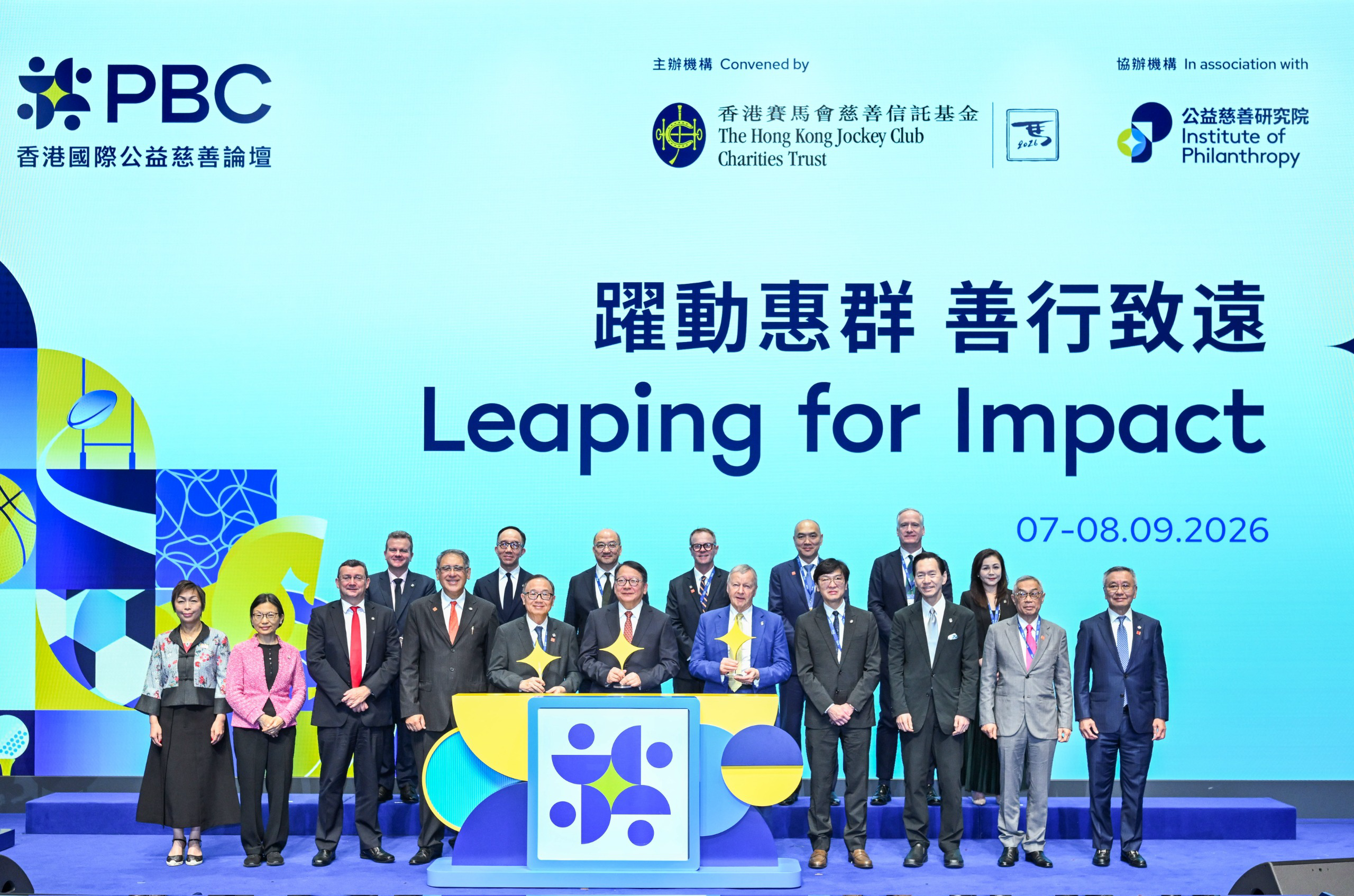
Such cross-boundary cooperation echoes former New Zealand prime minister Helen Clark’s call for stronger coordination among stakeholders at both global and local levels, made during her opening keynote address at the Philanthropy for Better Cities Forum 2026 on Monday.
Governments cannot meet such challenges alone, while philanthropy can support innovators and catalyze action, said Clark at the forum that engaged more than 8,000 participants over the past decade and featured more than 300 speakers.
“Climate change and ecosystem collapse demand pragmatic groupings and coalitions across regions and political systems,” said Clark, also former administrator of the United Nations Development Programme.
Such a pragmatic approach reflects the evolution of Hong Kong’s philanthropic landscape. More than 400 charitable organisations were newly recognised in the past year, expanding the pool of institutions that can support projects serving the public interest, including wetland conservation.
READ MORE: Shenzhen, Hong Kong jointly conserve mangrove wetlands
At a wetland session of the forum, David Gallacher, executive director for the environment in Hong Kong at AECOM, said the government is planning a new wetland conservation park system to protect the natural ecosystem across the northern New Territories.
The network would preserve a large, connected wetland landscape in the area of the Northern Metropolis, while enabling the government to improve habitat management, ecological performance and environmental carrying capacity.
“There should be a net increase in the value of those wetlands over time” as the park system is rolled out to around 78 acres, according to Gallacher.
Marika Hedin, chief executive of Stockholm-based Riksbankens Jubileumsfond, told China Daily that she was impressed by Hong Kong’s model of collaboration among government, business, philanthropic organisations and civil society, saying it “offered lessons for Europe.“
Hong Kong Chief Secretary for Administration Chan Kwok-ki said the Hong Kong Special Administrative Region government is “committed to building Hong Kong into a global hub for philanthropic innovation” while leveraging the framework of “one country, two systems” as a bridge between East and West.
Hong Kong has more than 11,000 tax-exempt charitable organizations, according to Chan. If policy, technology, charitable capital and public participation can align, Hong Kong’s development frontier could become a model for cross-border philanthropic cooperation.
Contact the writer at jessicachen@chinadailyhk.com
