

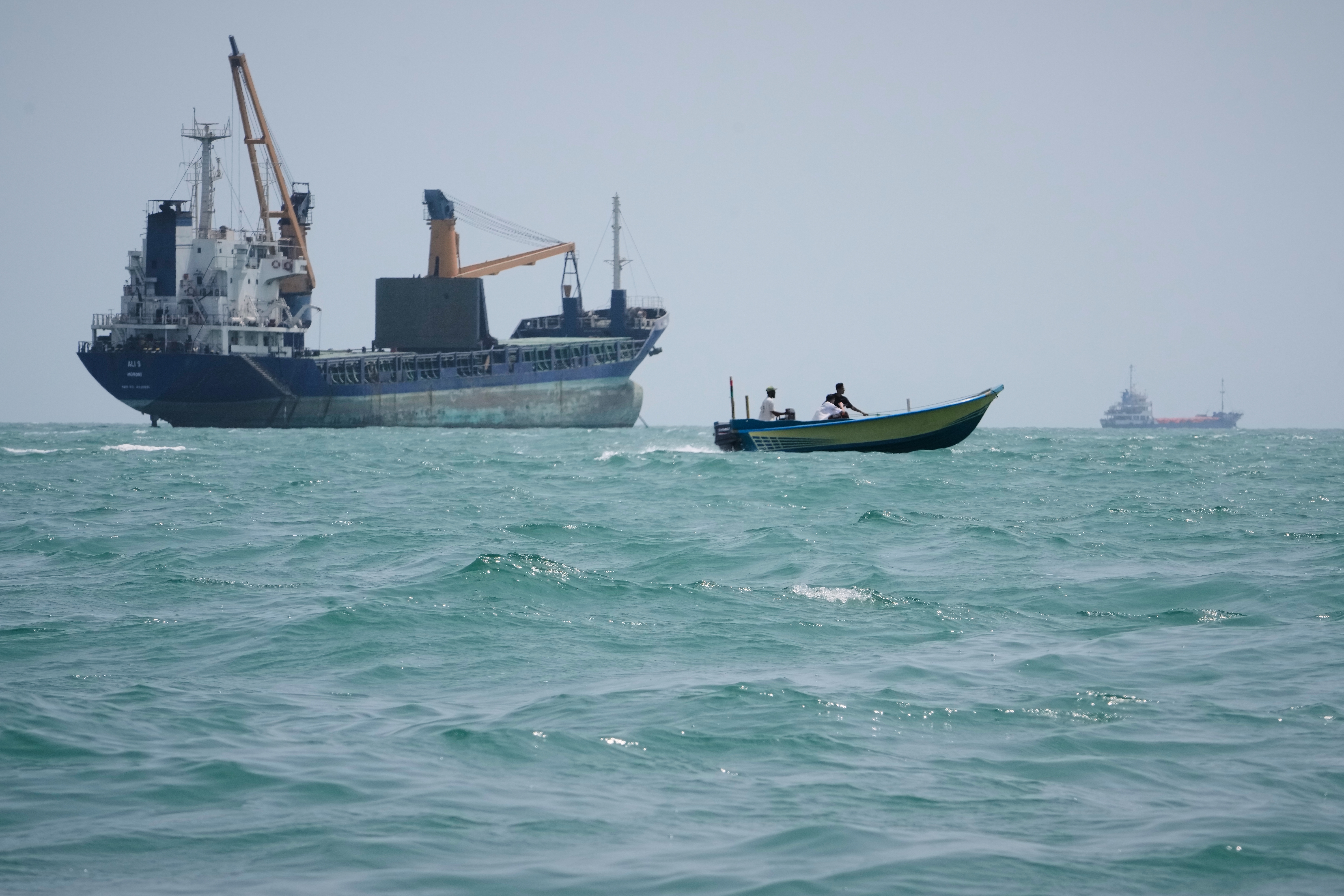
TEHRAN/JERUSALEM – Secretary of Iran's Supreme National Security Council Mohsen Rezaei has said that his country would announce a restricted zone outside the Strait of Hormuz in the coming days and place any ship attempting to transit the area on Tehran's sanctions list.
In an interview with state-run IRIB TV, which was broadcast Sunday night, Rezaei said that the zone would extend from "the line where the US naval blockade begins to the Strait of Hormuz region and inside the Persian Gulf on the other side (of the strait)."
Ships that enter the zone without coordination with Iran, he added, would face sanctions affecting their insurance coverage and future passage through the waterway.
Rezaei framed the move as part of a broader strategic shift in Iran's approach to war and diplomacy, aiming at increasing pressure on Washington.
The security official stressed that the Strait of Hormuz is completely closed, dismissing the US claim that ships and oil tankers are crossing the waterway as a "lie."
ALSO READ: Trump: US may strike Iranian nuclear site soon
While acknowledging that some vessels attempt to cross the strait via a route near Oman, often switching off their navigation systems to evade detection, Rezaei said most of those ships "receive blows."
Yet he added that Iran does not intend to sink them for now due to environmental concerns.
Rezaei further revealed that Iran had test-fired for the first time a domestically developed anti-destroyer missile above a US aircraft carrier 48 hours ago, describing it as a warning that the US naval blockade is vulnerable.
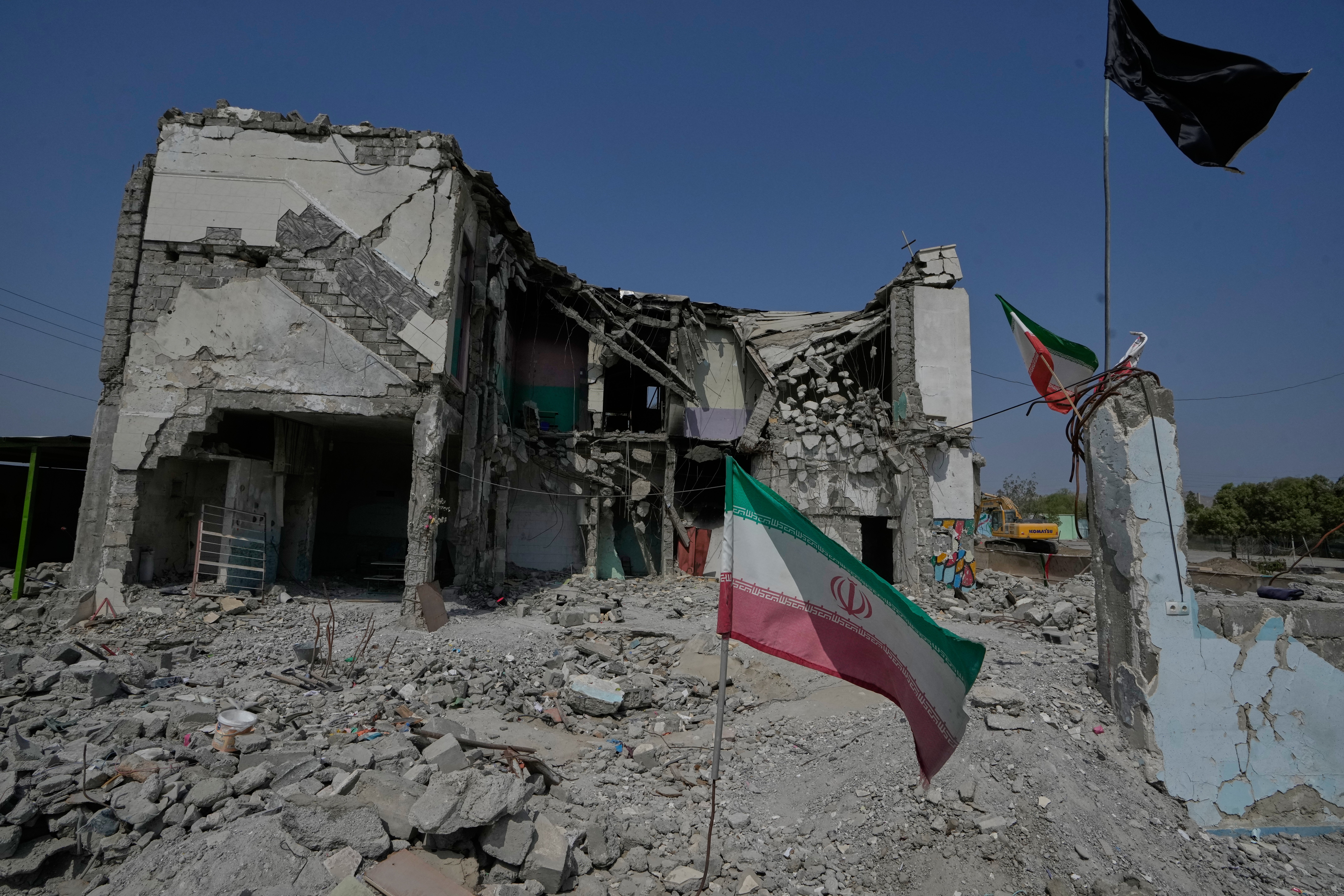
"The special missile created a hell for the Americans, and they fled," he said.
Rezaei said the Strait of Hormuz would remain closed unless the United States takes practical steps to fulfill its obligations under a peace memorandum of understanding signed between Tehran and Washington in June.
In the coming days, he added, a new international corridor designated by Iran and Oman for passage through the strait would be announced, emphasizing that the corridor would be under Iran's management.
Following US-Israeli strikes on Iran on Feb 28, Tehran restricted passage through the Strait of Hormuz, while US forces imposed a naval blockade targeting vessels traveling to or from Iranian ports and coastal areas.
Iranian parliament speaker warns US of ‘heavier’ response
Also on Sunday, Iranian Parliament Speaker Mohammad Baqer Qalibaf said the United States must know that any "aggression" against Iran's interests and security will receive a "faster, heavier and more painful" response.
He made the remarks at an open session of the legislative body in Tehran, stressing that the "era of proportionate responses" has come to an end, according to the Iranian parliament's ICANA news agency.
"The Americans must have understood that the era of proportionate responses has ended. Our strikes against the aggressor's bases in recent operations were only the beginning," Qalibaf said.
ALSO READ: Trump says US ready for more Iran strikes, denies plans to rename Hormuz
"The rules of the game have changed, and from now on, any aggression against Iran's interests and security will receive a faster, heavier, and more painful response," he added.
Tensions escalated between Tehran and Washington recently after the United States carried out strikes against southern Iranian regions, and Iran launched retaliatory attacks on US regional bases. The strikes were followed by naval confrontations between the two sides on Saturday.
Netanyahu threatens Iran with major strike
In Jerusalem, Israeli Prime Minister Benjamin Netanyahu on Sunday threatened Iran with a devastating response if it attacked Israel and said his government remained determined to bring down Tehran's leadership.
"If Iran makes a mistake and attacks us, it will suffer a blow it cannot even imagine," Netanyahu told ministers at a cabinet meeting ahead of the Jewish New Year.
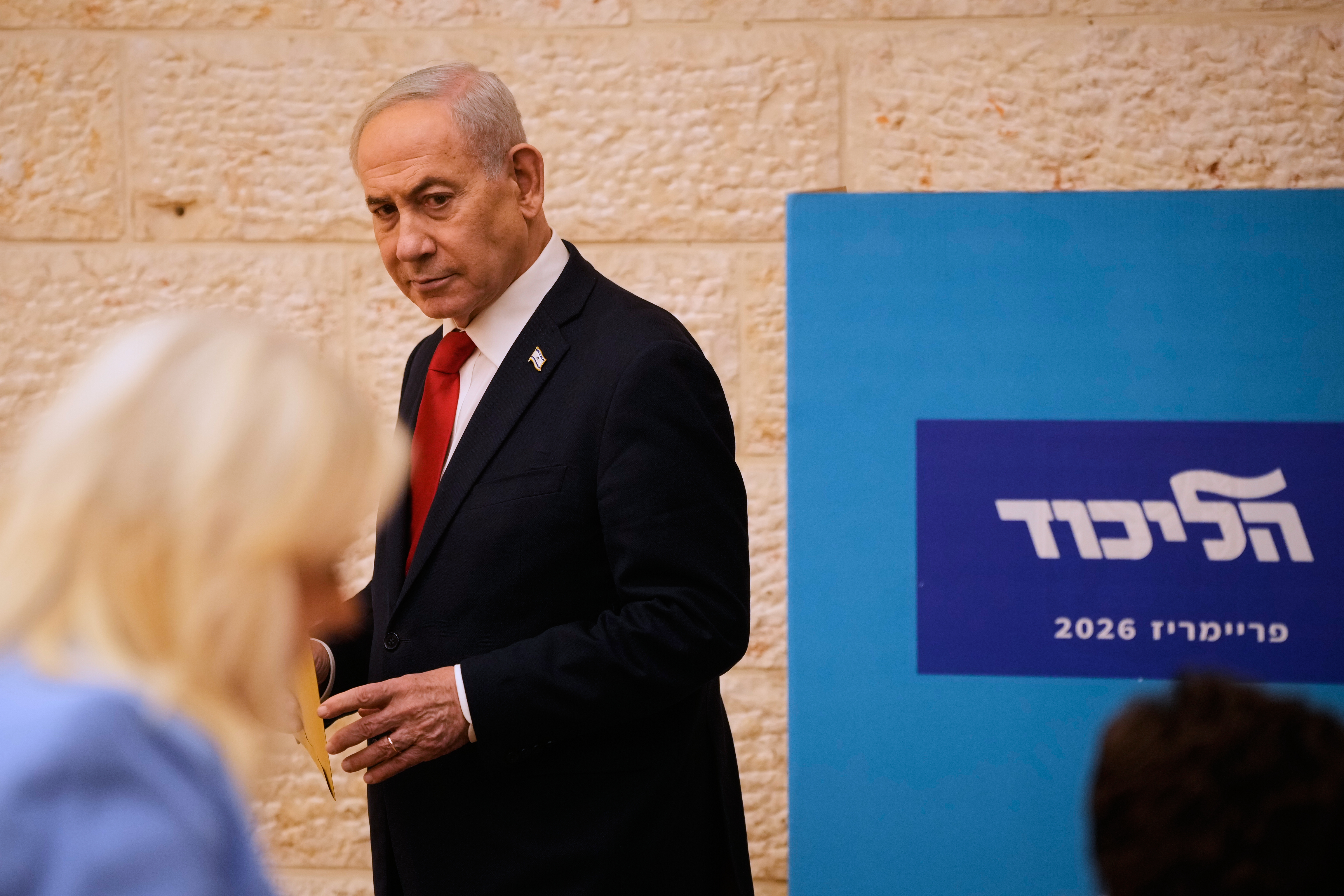
Netanyahu said Iran's government was weak and "fighting for its life," adding "We are determined to complete the mission of toppling the regime."
Report: 3 vessels change course from Hormuz Strait
Meanwhile, three vessels, including two oil tankers and a liquefied natural gas (LNG) carrier, changed course and turned back while seeking to transit the Strait of Hormuz via a southern route after receiving warnings from the navy of Iran's Islamic Revolution Guard Corps (IRGC), media reported Sunday.
Citing the latest maritime tracking data, the semi-official Fars news agency identified the vessels as Marshall Islands-flagged oil tanker Velos Amber, Liberian-flagged oil tanker Bravo and Marshall Islands-flagged LNG tanker Al Sheehaniya, which belongs to Qatar.
It added that the IRGC's Navy had warned the three tankers that the southern route in the strait was closed.
READ MORE: Netanyahu says toppling Iran's government 'within reach'
The development comes amid a series of naval confrontations between Iran and the United States.
US Central Command said Saturday on social media platform X that US forces had struck three Iranian crude oil carriers after the IRGC "launched ballistic missiles toward two US Navy warships patrolling regional waters."
The IRGC Navy later confirmed the US strikes, saying it had targeted three oil tankers in the Strait of Hormuz and three US-affiliated vessels elsewhere in retaliation.
