

Documentary explores personal and cultural connections between Quanzhou and Egyptian port of Alexandria
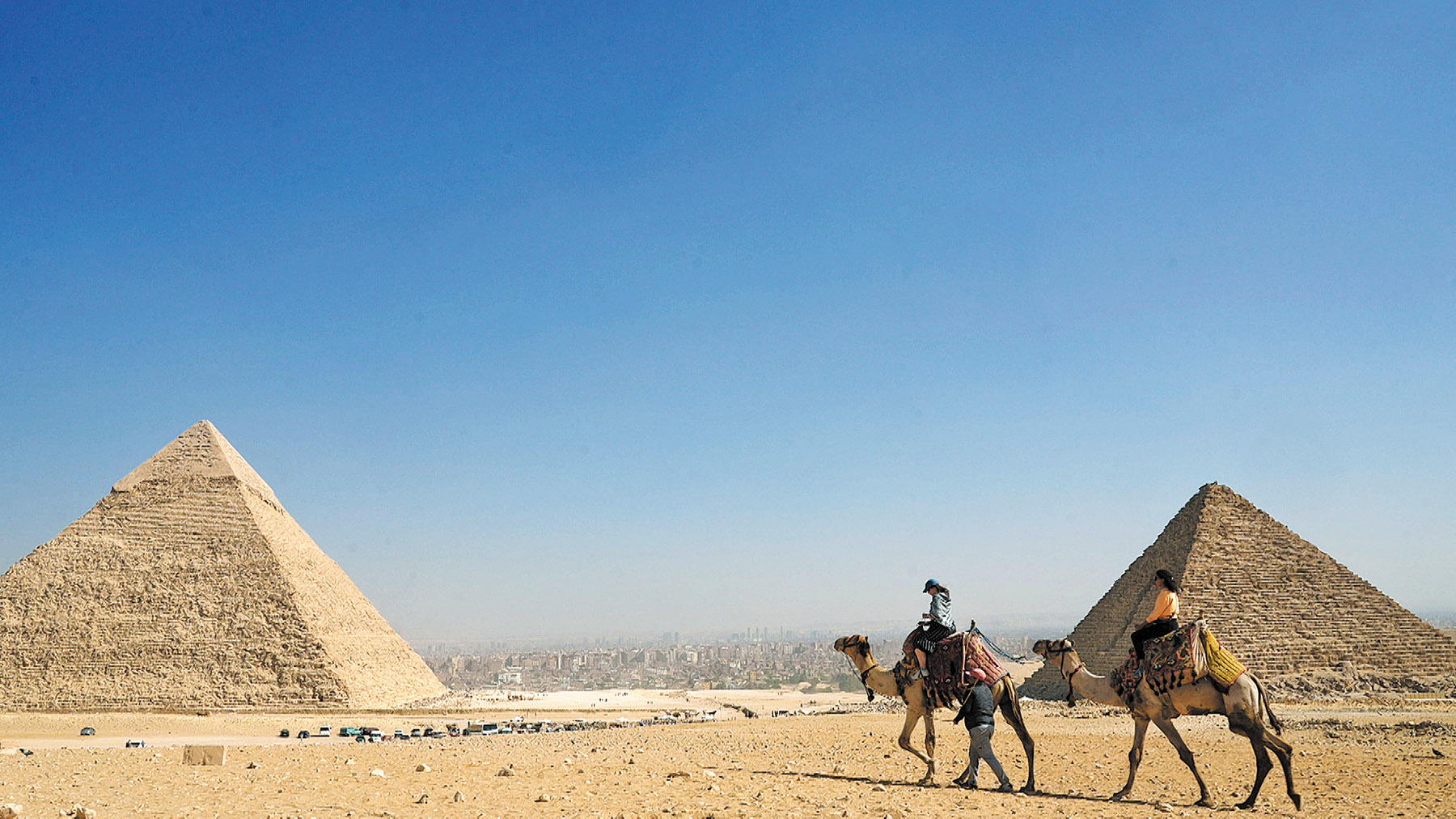
Beneath the pyramids and among the colonnades of ancient temples, the story of Egypt’s ancient civilization is being told in fluent Chinese.
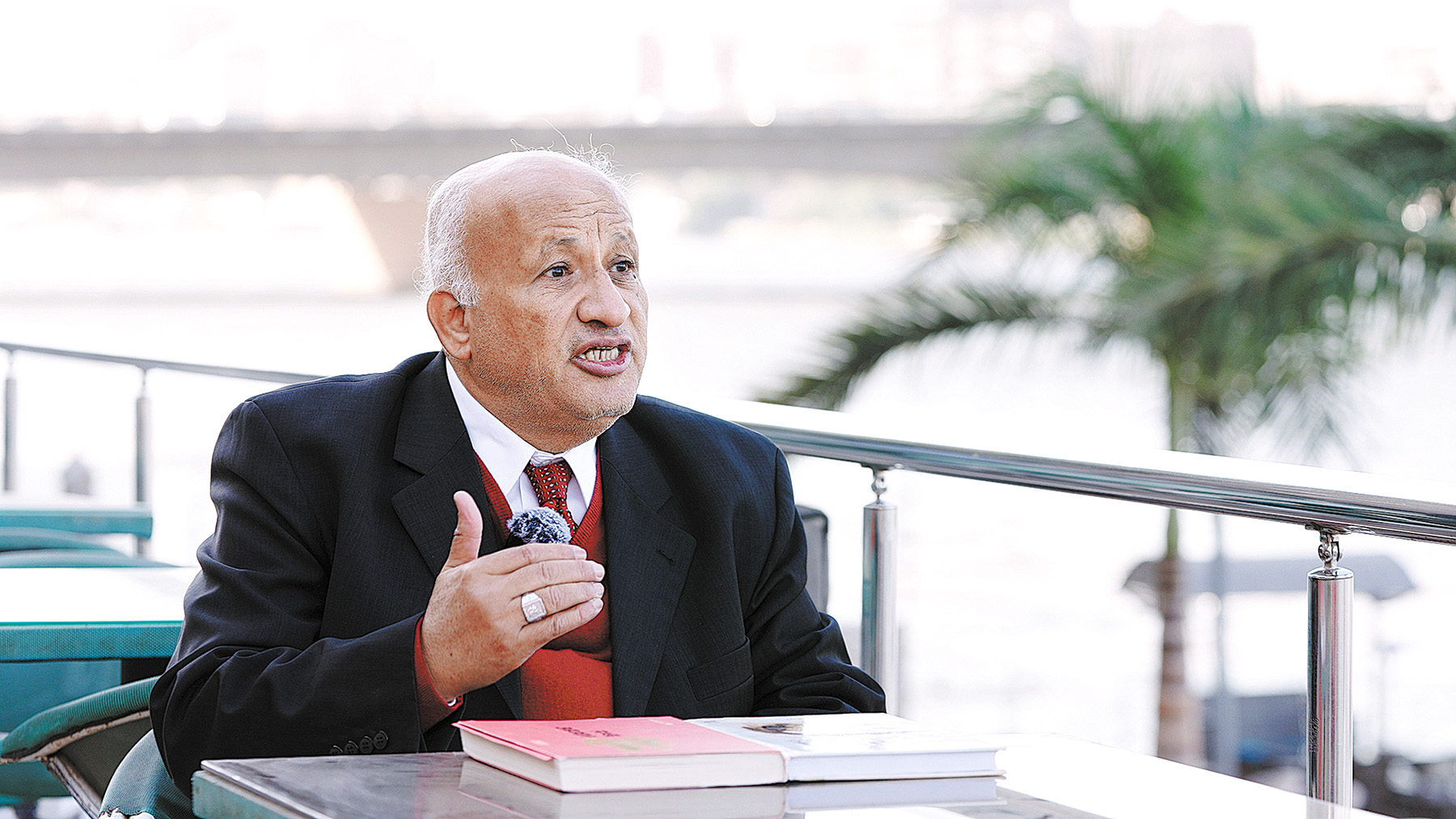
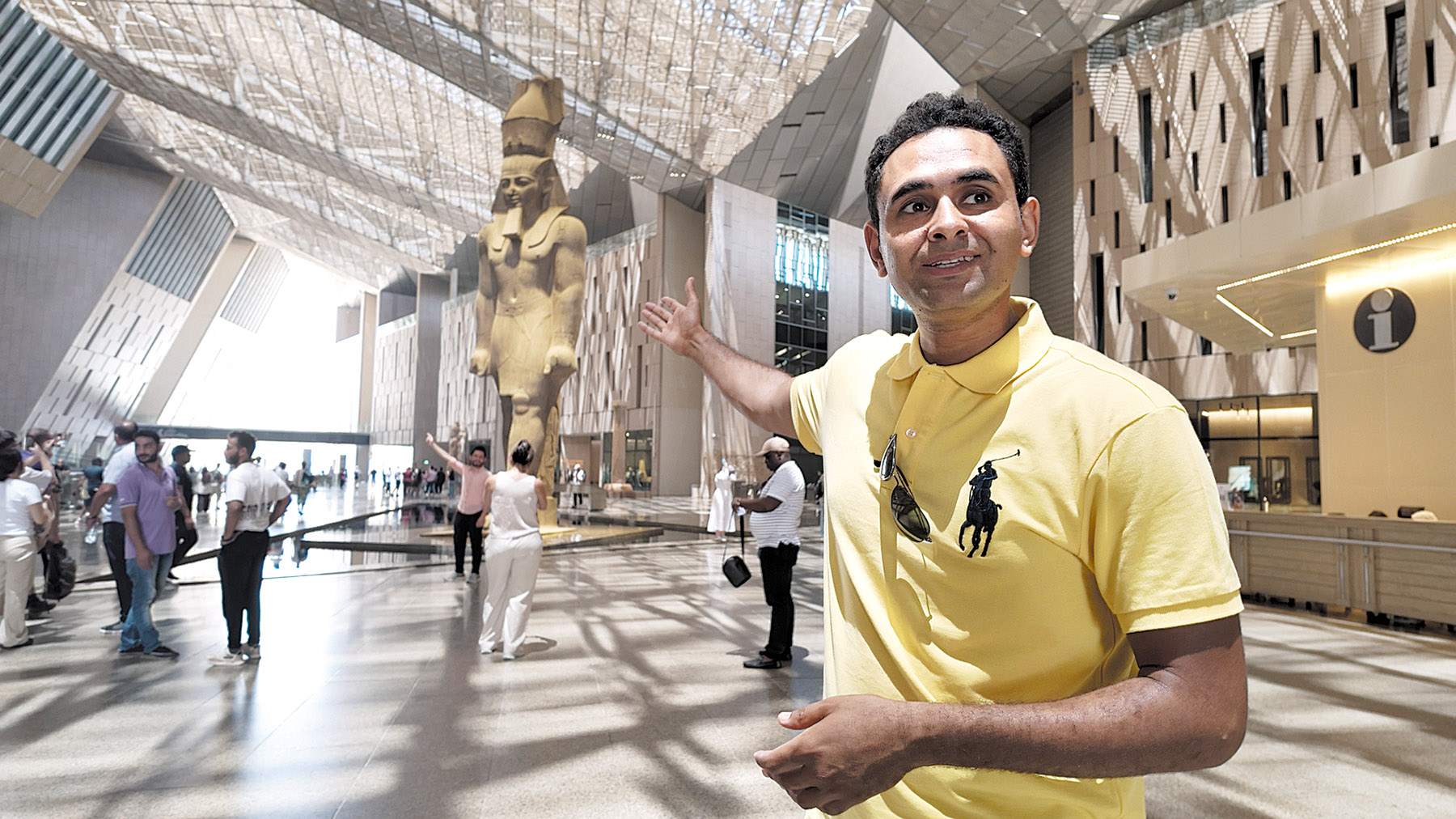
Mohamed Hassan Fahmi Hassan, a Chinese-speaking Egyptian tour guide, often places the histories of China and Egypt on the same timeline: When ancient Egyptians were building their temples, what was happening in the distant East? In his telling, two civilizations separated by thousands of miles meet across time and space.
For Ding Yucheng, a young man from Quanzhou, Fujian province, that connection has become part of everyday life. After learning Arabic, he went to Egypt to work in the tourism sector and later married an Egyptian woman, Alyaa Samir.
Their stories are among those featured in A Tale of Two Cities, a four-part documentary jointly produced by television broadcasters in China and Egypt. The documentary was released on Aug 20 as a project showcasing China-Africa radio and television cooperation at the Seventh Forum on China-Africa Media Cooperation.
Marking 70 years of China-Egypt diplomatic relations, the documentary takes Quanzhou and Alexandria as its anchors.
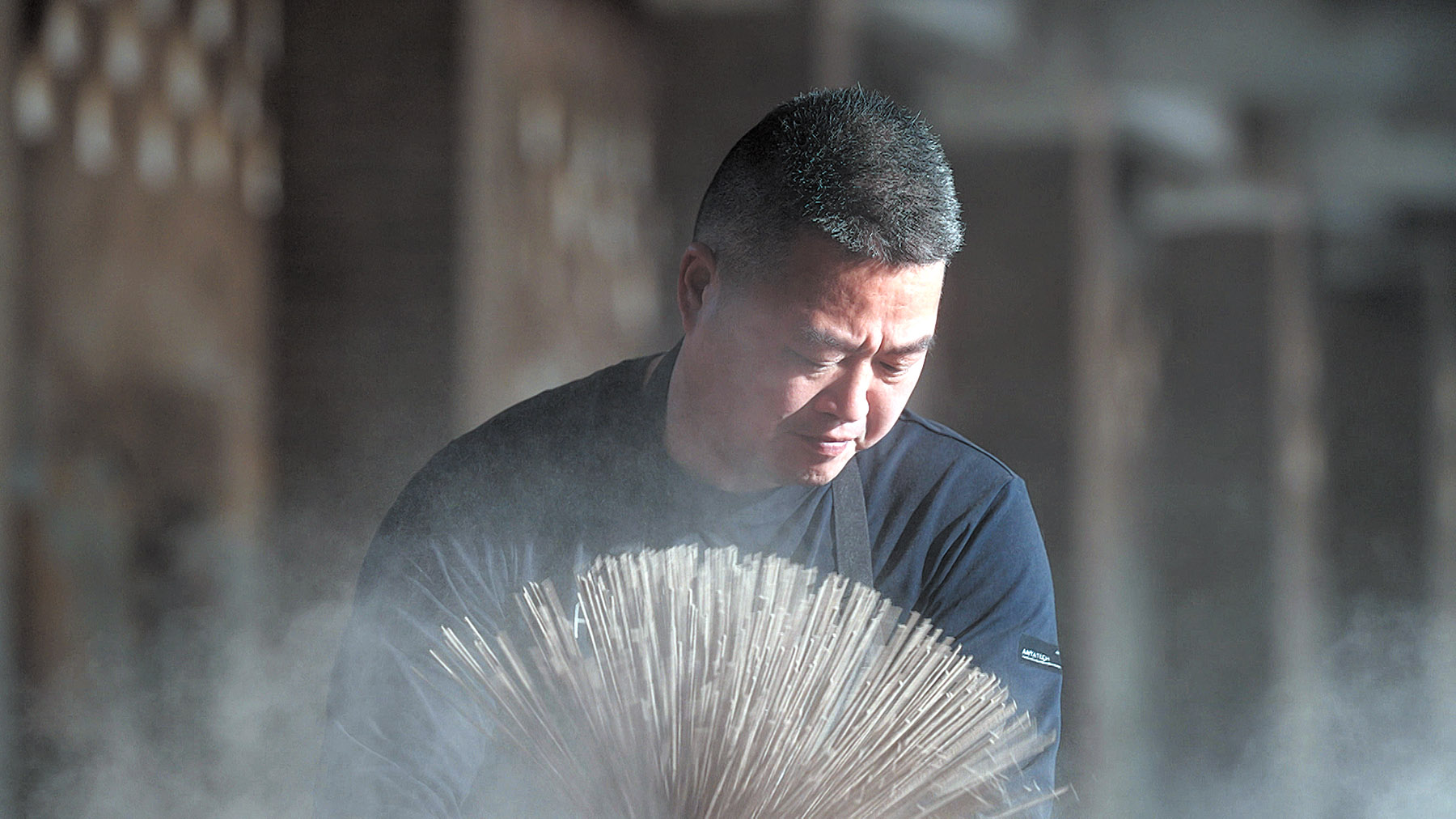
It follows merchants, tour guides, teachers, cross-cultural families, incense makers, and archaeologists, tracing connections between the two ancient port cities through their lives.
Quanzhou, historically known to international traders as Zayton, and Egypt’s Alexandria once served as gateways linking the East and the Mediterranean world.
Centuries ago, merchant ships carried goods along maritime routes connecting the two regions. Today, what moves between the two countries is not only trade, but also languages, knowledge, skills, and personal ties.
In 2019, an Egyptian professor proposed a joint documentary after visiting Quanzhou, a city she had long wanted to see since reading about it in The Travels of Marco Polo.
“She said people often know some of the history, but it had been a long time since anyone had really connected the two countries through a single story. She wanted to do that,” recalled Xu Hongwei, chief director of the documentary.
The project was formally initiated in 2020 but was delayed by the COVID-19 pandemic. In 2024, Fujian Media Group and Egypt’s national media authority formed a joint production team and began filming.
The team decided to focus not only on historical sites, but also on how China-Egypt ties are reflected in everyday life.
The team began in Quanzhou, an important port on the ancient Maritime Silk Road that still retains cultural traces left by Arab merchants and their descendants.
“Quanzhou is home to many descendants of Arab merchants,” Xu said.
The crew visited families with Arab ancestry and traditional incense makers, while also searching for Egyptians who had settled in Quanzhou.
One of them was businessman Hany Cai. When he first arrived in Fujian, Cai started in product sourcing and trade. He later established his own company, expanded his cross-border business, and opened Arabic classes.
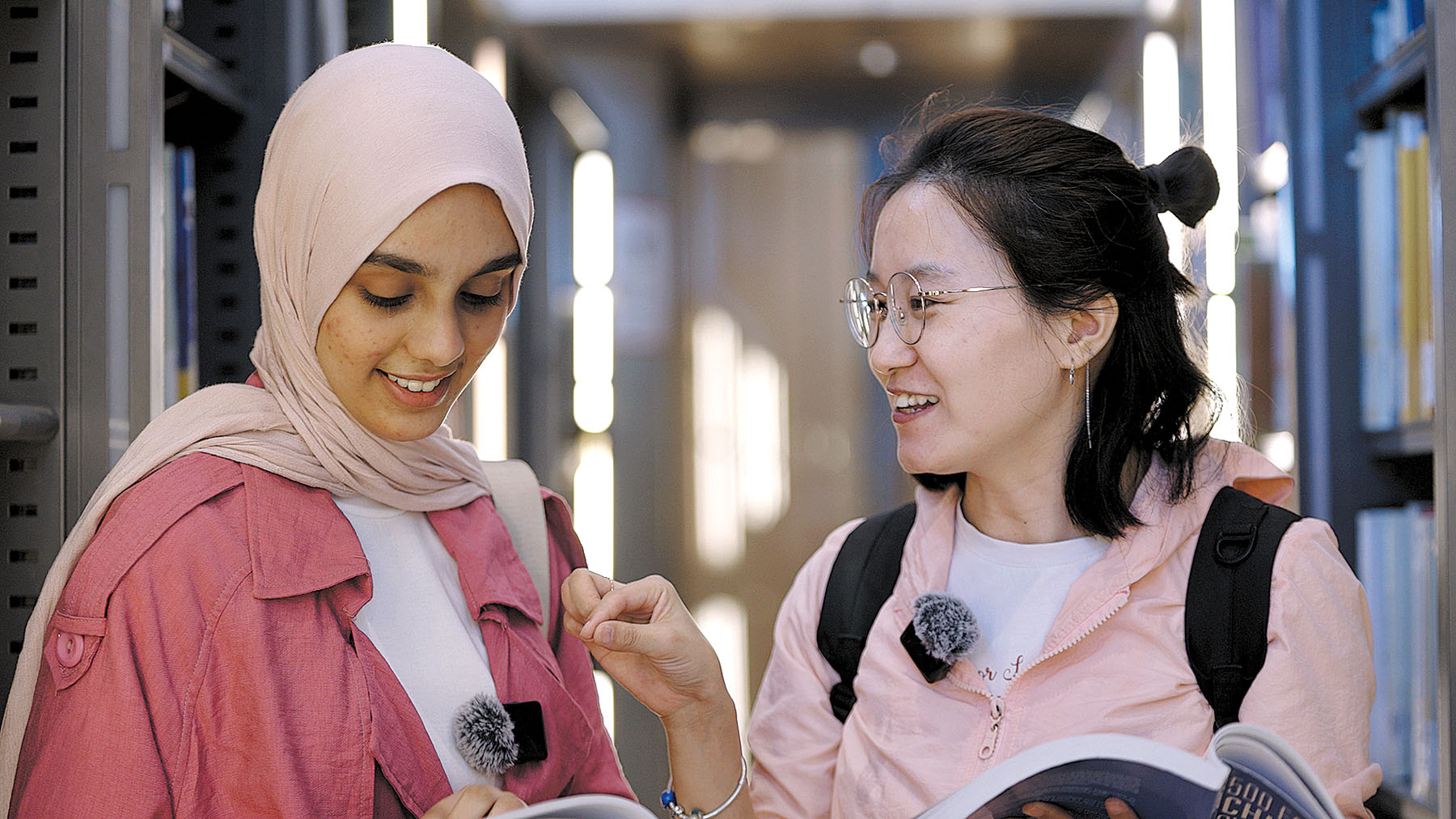
Today, he sits around a tea table like a local, wears slippers, and speaks Mandarin with a southern Fujian accent. Over the years, he has developed close relationships with merchants and residents in Quanzhou.
In Egypt, the crew met Quanzhou stone trader Lyu Minghua, who has traveled between China and Egypt for more than two decades.
Lyu first went to Egypt with relatives to look for stone resources. He eventually built a network of business relationships in the country and has continued traveling between China and Egypt, not only for business but also to meet local partners who have become friends.
“We came up with a word: ‘intertextuality’ — the way one person’s story reflects another’s,” Xu said.
“These two men have very different journeys, but their stories echo each other. So we started looking for more such connections.”
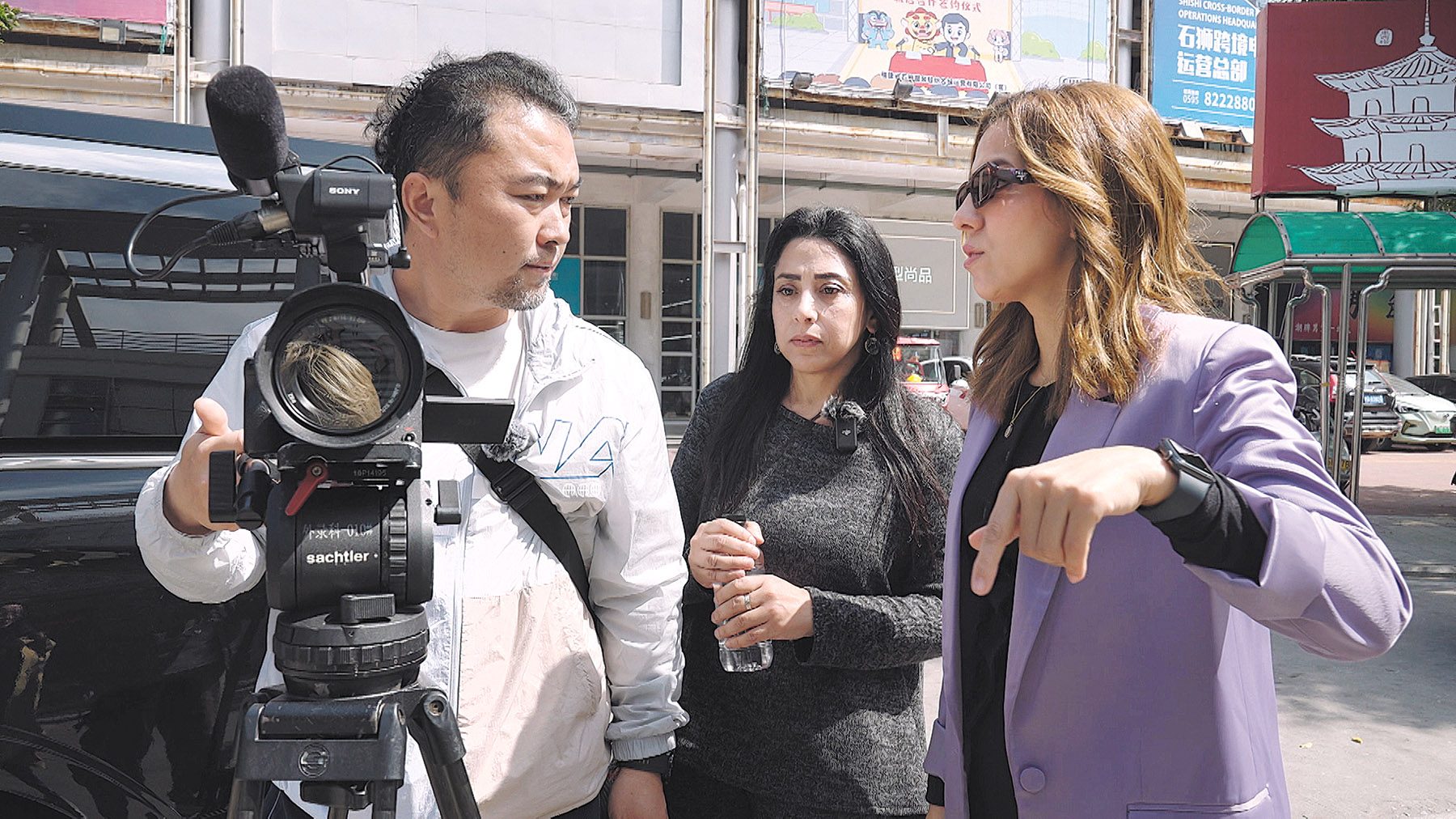
The production team used this parallel structure to connect the two cities, following people who had crossed the sea in different directions but found opportunities, friendships, and new lives in unfamiliar surroundings.
Hassan’s story brings the documentary’s focus from trade to cultural exchange.
During the production team’s second trip to Egypt in 2024, the crew noticed that the young tour guide, Hassan, could explain Egyptian history and culture in fluent Chinese. They later learned that he had taken part in the “Chinese Bridge” Chinese proficiency competition.
Hassan’s father has also made him a special notebook with drawings and words to encourage him to continue studying the language.
However, because he needed to help care for his younger siblings, he chose to remain in Egypt and work there, turning his interest in Chinese culture into a career as a tour guide.
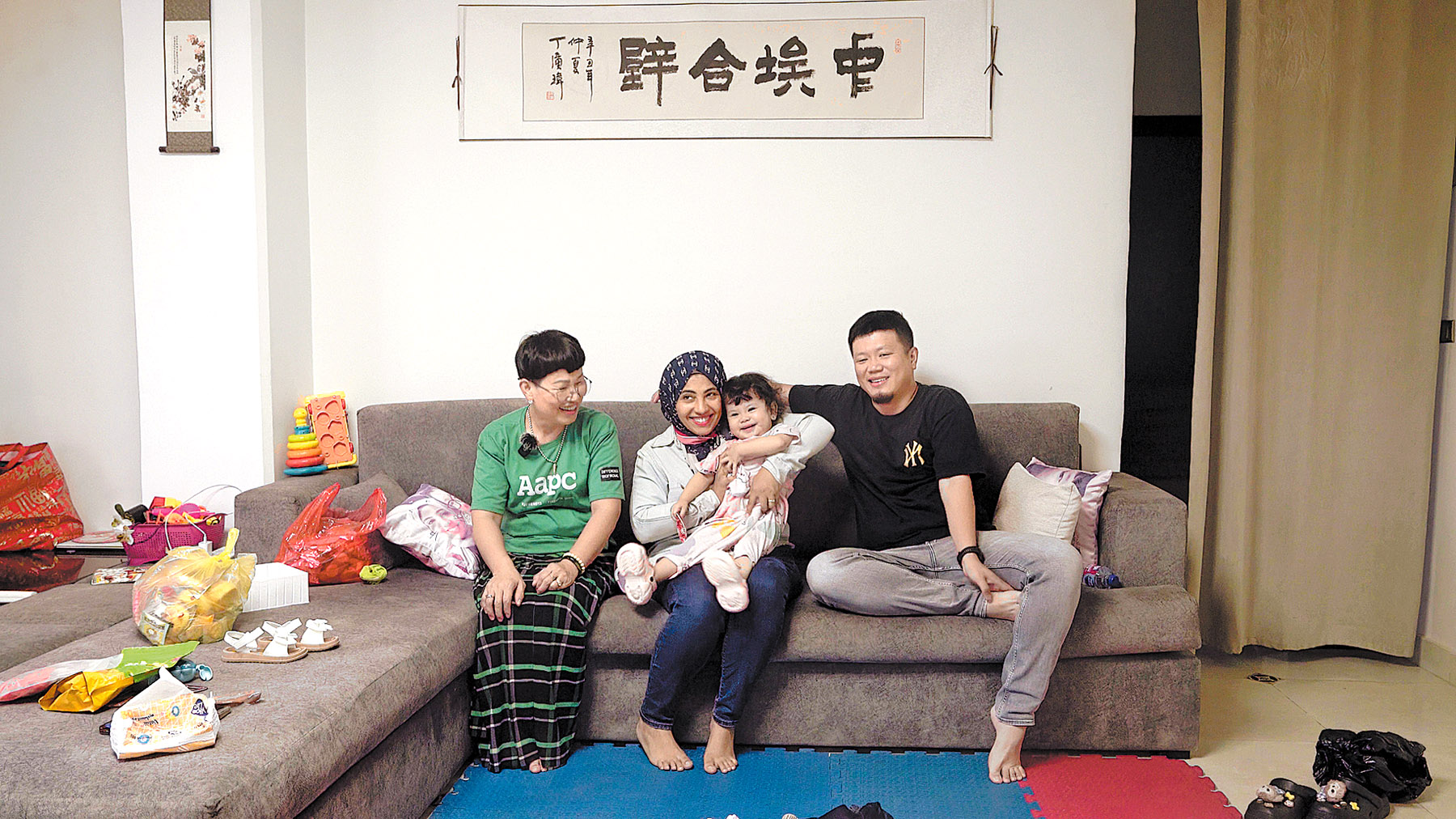
For him, Chinese is not simply a professional skill; it allows him to communicate with Chinese visitors and explain Egyptian history from a perspective they can understand.
The documentary also follows Chinese teachers of Arabic who went to Egypt for further study, Chinese students studying there, and young Egyptians who studied in China before working to facilitate exchanges between the two countries.
For Ding and Samir, meanwhile, the relationship between China and Egypt has become a family matter.
Their marriage has required them to navigate differences in language, religion, customs, and family expectations. Their story shows how cultural differences are negotiated not in official meetings or history textbooks, but through ordinary decisions made at home.
Yin Hong, a professor at Tsinghua University, said this people-centered approach is one of the documentary’s strengths.
“People are not only carriers of stories and details; more importantly, they are carriers of culture,” Yin said.

The documentary also takes its audience to an archaeological site. At the Temple of Montu in Luxor, Egypt, a joint Chinese-Egyptian archaeological team combines expertise from both countries to explore the ancient site.
The team’s archaeologists, studying the site’s stratigraphy and temple layout, hypothesized that a sacred lake might have existed nearby. Subsequent exploration supported the hypothesis.
The work demonstrates China-Egypt cooperation in studying Egypt’s ancient heritage.
He Suliu, a professor at Communication University of China, said the “tale of two cities” format can easily become two separate stories if not carefully handled.
“The most important thing about A Tale of Two Cities is not A and B, but what emerges when A and B come together,” he said.
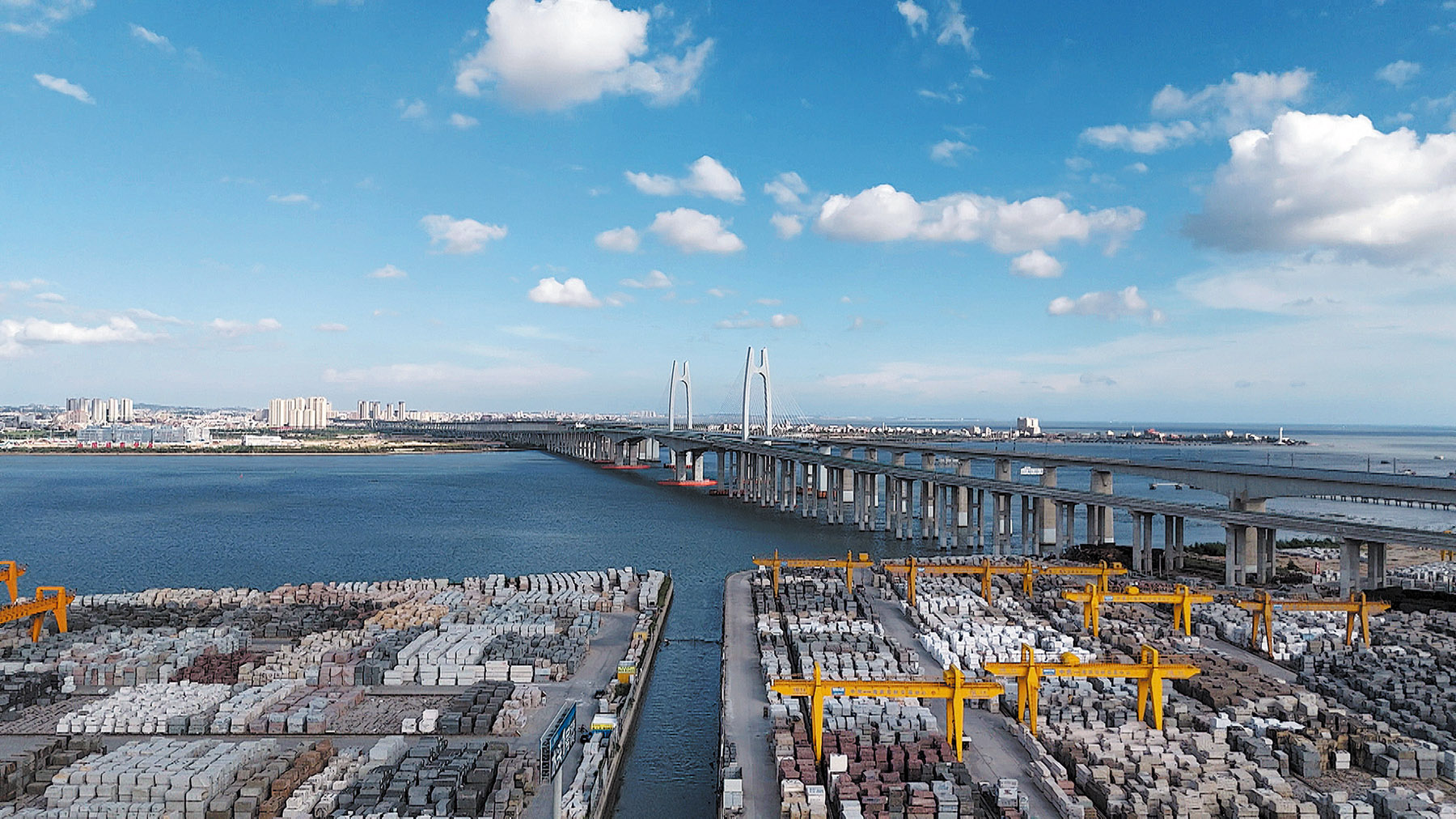
For the filmmakers, that connection comes through people: a businessman from Egypt building a life in Quanzhou; a Quanzhou trader working in Egypt; a tour guide speaking Chinese to visitors; a Chinese-Egyptian couple building a family; and archaeologists working side by side at an ancient site.
For director Xu, the documentary is not meant to be a final summary of China-Egypt relations.
“Really getting to know people starts here,” she said. “From here, we can continue to explore their stories.”
From Zayton to Alexandria, the maritime routes that once carried porcelain, spices, and other goods now connect people in different ways.
The documentary’s “envoys of the Maritime Silk Road” are not famous historical figures. They are people who trade, study, work, guide tourists, and build families across borders.
When Cai sits down for tea in Quanzhou like a local, and Hassan explains Egyptian civilization in fluent Chinese, the ancient connection between two distant ports becomes something much more immediate: a part of people’s everyday lives.
Contact the writers at liyingxue@chinadaily.com.cn
