

WASHINGTON/TEHRAN/AMMAN/DOHA/LIMA ― Iran's Islamic Revolutionary Guard Corps (IRGC) said Tuesday night that it had begun its "regret-inducing" response to US strikes earlier in the day, with Iran's military command vowing "crushing and shattering" blows against the United States.
In a statement published on its official outlet Sepah News, the IRGC said its air defense had shot down a "hostile" US MQ-9 Reaper drone, while its aerospace forces had launched ballistic missile strikes on US bases and assets in the region.
The IRGC said the response came after US strikes on southern Iran earlier in the day, which it said killed and wounded more than 54 people.
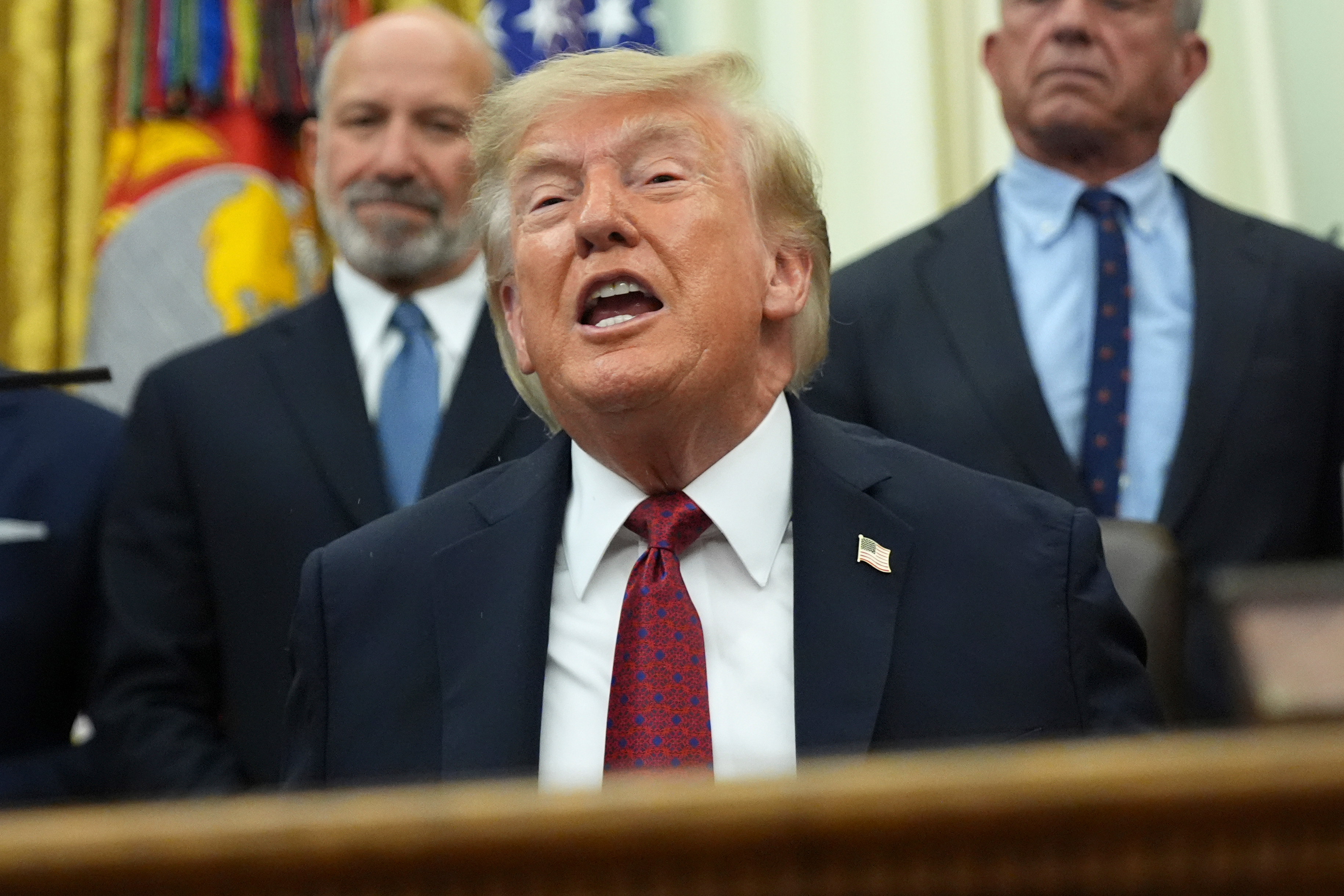
If Iran "retaliates for this very justified attack, they will be hit again at a much harder and higher level," US President Donald Trump warned in a post on Truth Social, describing the new strikes near the Strait of Hormuz as "large and powerful."
"But it will not be the biggest attack of them all, that is waiting in the wings and, when it is over, there will be very little left of the Islamic Republic of Iran!" Trump threatened in the post.
In a phone interview with Fox News, he claimed US forces destroyed "a lot of radar" in Iran's network, including systems Tehran attempted to rebuild. "This is a very big hit today. If it goes a third time, they're going to be totally wiped out as a country," he said.
"The (USS) George Washington is loaded to the gills," he added. "We're loaded up."
The US president said Gulf allies were notified ahead of the latest strikes, according to a Fox News report.
The semi-official Fars news agency, citing local officials, reported that at least four people, including a child and a woman, were killed and more than 50 others were wounded in a US strike on a wedding ceremony in Sirik County, Hormozgan province.
Several explosions were heard on Tuesday evening in southern Iran after the US Central Command announced strikes on IRGC targets.
The blasts were reported in parts of Hormozgan, Sistan and Baluchestan, Kerman and Bushehr provinces, Iranian media reported, saying multiple explosions also occurred in Konarak and near Qeshm Island, though the locations and causes remained unclear.
Iran's Khatam al-Anbiya Central Headquarters, the country's main military command, said the armed forces would deliver "crushing and shattering" blows in response to what it called US "air aggression."
In a post on social media platform X, the US Central Command said US forces had begun strikes on IRGC targets, adding that "the strikes follow recent attempted attacks by the IRGC against commercial shipping in the Strait of Hormuz and against American service members deployed to the region."
US warns citizens in Qatar of regional tensions
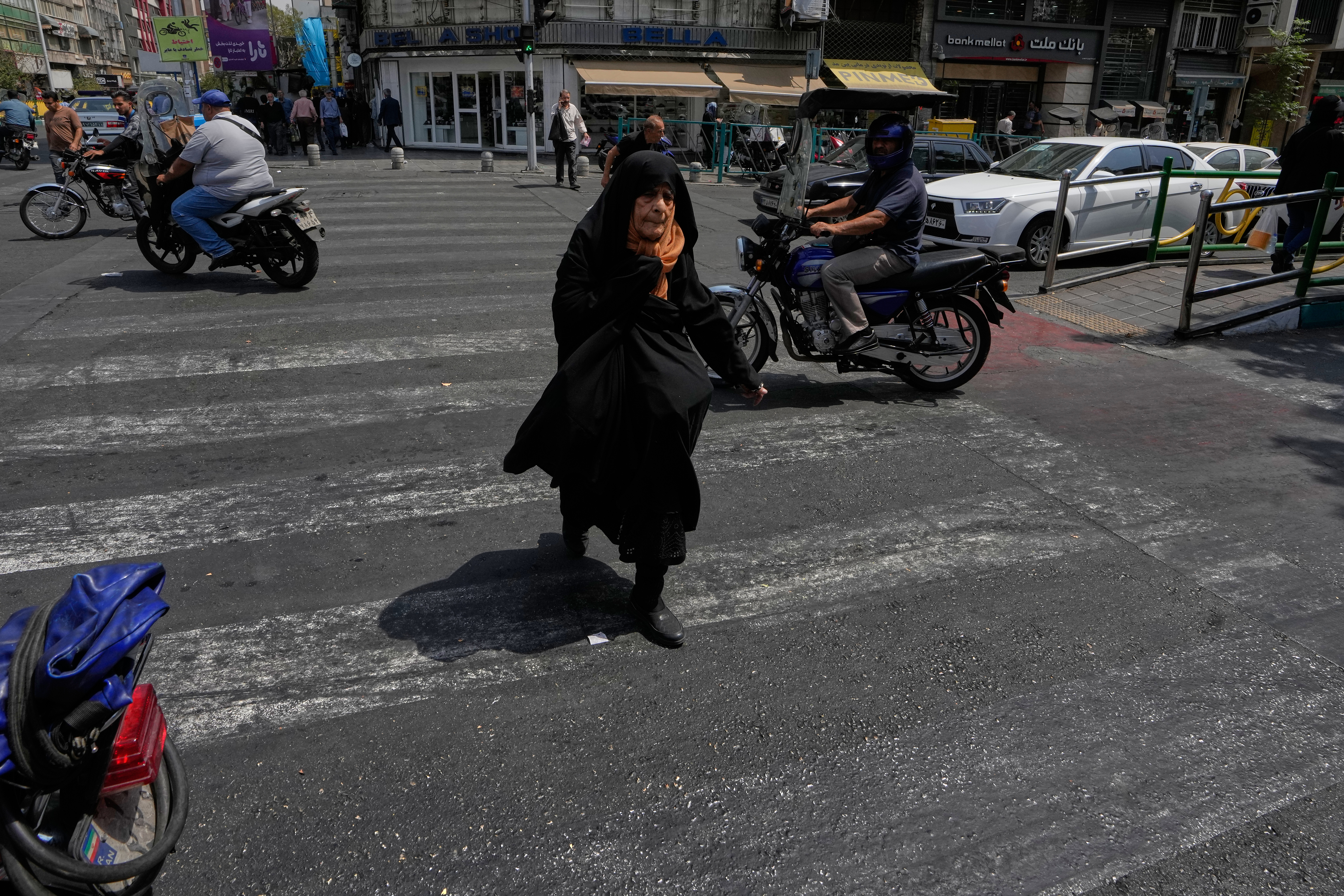
The US embassy in Qatar issued a security alert on Tuesday urging US citizens to exercise heightened vigilance amid ongoing tensions in the Middle East, warning of potential flight cancellations, airspace closures, and travel disruptions.
The embassy said that the regional security environment "remains complex with the potential for unforeseen escalation" and advised US citizens to closely monitor airport and airline operations.
It also cautioned that US diplomatic facilities, including those outside the Middle East, have been targeted, and that "Iran and groups supportive of Iran may target other US interests overseas," including businesses and other institutions.
The embassy advised US citizens to stay aware of their surroundings, avoid demonstrations and large gatherings, and in the event of an aerial attack, steer clear of glass doors, windows, and fallen debris.
Commitments under peace MoU
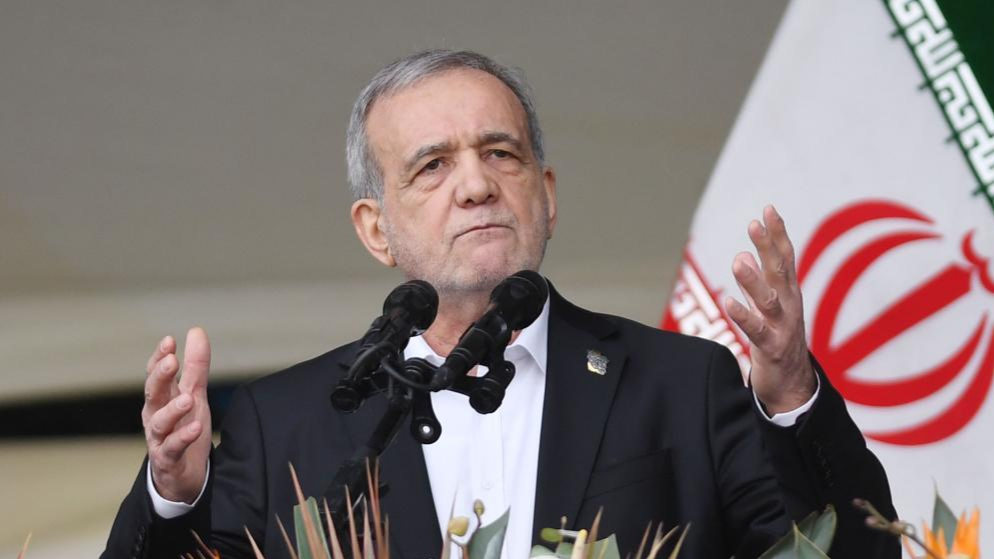
Iranian President Masoud Pezeshkian said on Tuesday that if the US returns to its commitments under the peace memorandum of understanding (MoU) with Iran, Tehran will be ready to fulfill its obligations.
Pezeshkian made the remarks during a meeting with Russian President Vladimir Putin on the sidelines of the Shanghai Cooperation Organization (SCO) Summit 2026 in the Kyrgyz capital of Bishkek, according to a statement from his office.
Pezeshkian stressed that the US can no longer impose its "illegal" demands on Iran by force.
ALSO READ: Iran's president says peace MoU with US in interests of Tehran
Referring to the US and Israeli "aggression" against Iran that killed Iran's then Supreme Leader Ali Khamenei, along with military commanders and civilians, he said that "these crimes did not have any legal basis, and such an aggression is in no way justifiable."
Qatar: Mediation efforts intensifying
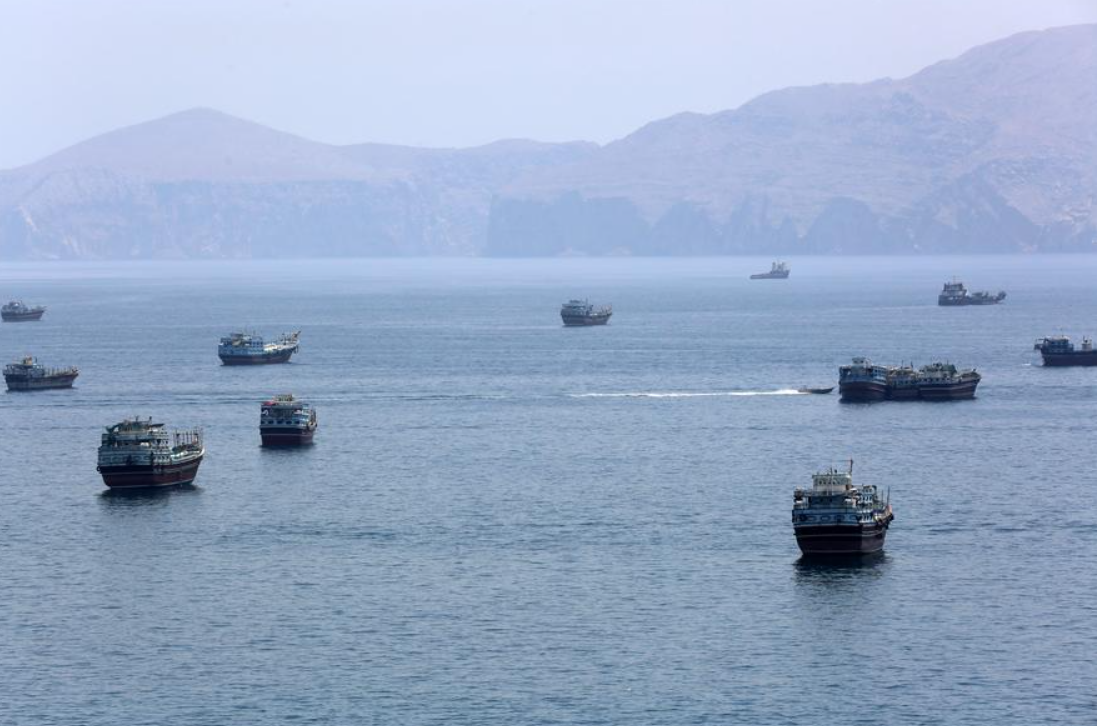
Qatar said on Tuesday that diplomatic efforts with its regional partners are intensifying to reach a swift solution to the Strait of Hormuz crisis, warning that leaving the issue unresolved would lead to further escalation.
Speaking at the foreign ministry's weekly media briefing, ministry spokesperson Majed Al Ansari said discussions remained underway with Qatar's mediation partners, including Oman and Pakistan, following a series of diplomatic visits and consultations in recent days.
Al Ansari said that there was no "tangible result" yet to announce but that further outcomes of the discussions and visits would be disclosed in the coming days, adding that diplomatic efforts over the past several days had centered on resolving the situation in the Strait of Hormuz.
He said that Qatar was working with its partners to ensure that the crisis ends through "a diplomatic resolution that guarantees that the strait is open."
Such a solution should allow products from the region to reach global markets, guarantee regional security and address the aspirations of the region's peoples for prosperity and security, Al Ansari added.
Peru announces break in diplomatic ties with Iran
Peru's government announced Tuesday that it was breaking diplomatic relations with Iran, saying it "strongly rejects Iran's incitement to the escalation of conflicts in the Middle East."
"The Government of the Republic of Peru has decided to break diplomatic relations with the Islamic Republic of Iran," Peru's foreign ministry said in a statement.
The ministry said the decision was based on Peru's "historic pacifist vocation" and its commitment to "international law and the defense of democracy".
Peru also accused Iran of obstructing the work of the International Atomic Energy Agency, saying Tehran had denied inspectors access to nuclear facilities on different occasions and hindered verification needed to prevent the production of nuclear weapons.
